Wyoming is one of the premier hunting destinations in North America, offering vast open landscapes, low human population density, and some of the healthiest big game herds on the continent. The state is particularly famous as the pronghorn capital of the world, and its elk herds, mule deer populations, and once-in-a-lifetime trophy opportunities for moose and bighorn sheep draw hunters from across the country. Wyoming manages hunting through a combination of general areas open to any valid license holder and limited quota areas that require a competitive draw. Understanding how these systems work is essential for planning a successful Wyoming hunt. Always verify the most current dates and area boundaries on the official Wyoming Game and Fish Department (WGFD) website before your trip. 1
Elk Season
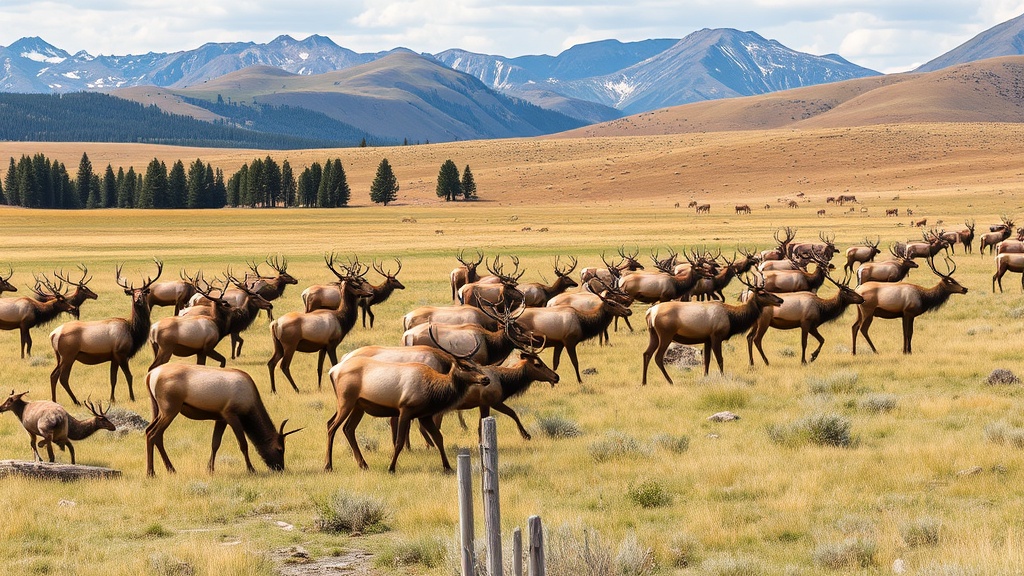
Wyoming supports large herds of Rocky Mountain elk across the western mountains, the Bighorn Range, and scattered mountain ranges throughout the state. Elk hunting is divided into archery, rifle, and muzzleloader seasons, with opportunities in both general and limited quota areas.
| Season Type | Opens | Closes | Notes |
|---|---|---|---|
| Archery | September 1, 2025 | September 30, 2025 | Statewide archery season. Archery license valid in designated hunt areas. |
| General Rifle | October 1, 2025 | November 20, 2025 | General elk season dates vary by hunt area. Some areas open October 1, others October 15. Check specific hunt area regulations. |
| Late Season | November 21, 2025 | January 31, 2026 | Late-season cow elk hunts in select areas for population management. Controlled hunt. |
Archery Elk Season
The archery elk season typically opens September 1, 2025 through September 30, 2025. Archery seasons are available in many hunt areas across the state, including both general and limited quota units. September is prime time for bugling bulls during the rut, making this one of the most exciting times to hunt elk in Wyoming. Archery hunters must use compound bows, recurve bows, or longbows meeting WGFD specifications. Crossbows are allowed for hunters with a qualifying disability.
Rifle Elk Season
The general rifle elk season varies by area but typically runs approximately October 1, 2025 through November 20, 2025. Wyoming divides elk hunting into numerous hunt areas, each with its own season dates, tag quotas, and antler restrictions. Some areas are general, meaning any valid license holder can hunt them, while others are limited quota and require a draw. The most popular general elk areas are in the western mountain ranges, including areas adjacent to Yellowstone National Park and the Wind River Range.
Muzzleloader Elk Season
Muzzleloader elk seasons are available in select hunt areas and typically overlap with or immediately follow the archery season, running from mid-September through October. Muzzleloader hunters must use rifles of at least .40 caliber with open or peep sights unless otherwise specified.
Limited Quota Elk Areas
Many of Wyoming’s best elk hunting areas are limited quota, requiring hunters to apply through the annual draw. Draw odds vary significantly by area, with some popular areas requiring multiple preference points. Non-residents can apply for limited quota elk tags but face higher license costs, with a full-price non-resident elk license exceeding $600. WGFD publishes draw statistics annually, which are an essential resource for planning applications.
Deer Season
Wyoming offers hunting for both mule deer and whitetail deer. Mule deer are the dominant species across most of the state, while whitetail deer are found primarily along river bottoms and agricultural areas in the eastern plains and northeast corner of Wyoming.
| Season Type | Opens | Closes | Notes |
|---|---|---|---|
| Archery | September 1, 2025 | September 30, 2025 | Statewide archery deer season. |
| General Rifle | October 1, 2025 | November 20, 2025 | General rifle deer season. Dates vary by hunt area and region. |
Archery Deer Season
The archery deer season typically opens September 1, 2025 through September 30, 2025, concurrent with archery elk season. This provides excellent dual-species opportunity for archery hunters. Both mule deer and whitetail may be hunted during archery season in designated areas.
Rifle Deer Season
Rifle deer seasons vary by hunt area but generally run approximately October 1, 2025 through November 20, 2025. Like elk, deer hunting is divided into general and limited quota areas. General areas offer over-the-counter access for any valid license holder, while limited quota areas require a draw. Some of Wyoming’s best mule deer hunting is found in limited quota areas in the western mountains, the Bighorns, and isolated mountain ranges across the state.
Special Draw Deer Hunts
Wyoming offers special draw hunts in premium mule deer areas where tag numbers are tightly controlled to manage trophy potential. These hunts can require significant preference point investment to draw. Hunters who are serious about trophy mule deer should study WGFD draw odds and plan a multi-year application strategy.
Bag Limits
<strong>Season limit:</strong> 1 Hunters are limited to one deer per year in Wyoming. Tags are area-specific and may designate antlered-only, antlerless, or either-sex depending on the hunt area and population management objectives.
Pronghorn Season
Wyoming holds the largest pronghorn population in the world, earning the state its reputation as the pronghorn capital. The state offers both archery and rifle pronghorn seasons with generous tag numbers in many areas.
| Season Type | Opens | Closes | Notes |
|---|---|---|---|
| Archery | August 15, 2025 | September 30, 2025 | Archery pronghorn season. Over-the-counter in some areas. Wyoming has the largest pronghorn population in the US. |
| General Rifle | October 1, 2025 | November 15, 2025 | Rifle pronghorn season. Dates and availability vary by hunt area. Draw required for most areas. |
Archery Pronghorn Season
The archery pronghorn season typically opens approximately August 15, 2025 through September 30, 2025. Archery pronghorn hunting in Wyoming is an outstanding experience, with spot-and-stalk hunting across vast sagebrush flats. Water-hole setups and decoys can be effective tactics during the August rut. Many archery pronghorn areas are general, meaning tags are available over the counter.
Rifle Pronghorn Season
The rifle pronghorn season generally opens approximately October 1, 2025 through November 15, 2025, depending on the area. Wyoming’s pronghorn tag allocation is generous compared to most western states, and draw odds for many areas are favorable, even for non-residents. Some general areas do not require a draw at all. The open terrain and long sight lines make Wyoming pronghorn hunting a classic western experience.
Tag Allocation
Pronghorn tags are available through both general areas and limited quota draws. General area tags can be purchased over the counter, while limited quota areas require a draw application. Even in limited quota areas, pronghorn draw odds are typically better than for elk or mule deer due to the large population.
Moose Season
| Season Type | Opens | Closes | Notes |
|---|---|---|---|
| Controlled Hunt | September 1, 2025 | November 30, 2025 | Draw-only. Limited quota (approximately 300 licenses). Shiras moose. Dates vary by hunt area. |
Wyoming offers limited quota moose hunting that is a once-in-a-lifetime opportunity. Hunters who draw a Wyoming moose tag cannot apply for that species again in the state. Moose seasons typically run from September through November, depending on the area. Most moose hunting occurs in the western mountains, particularly the Wyoming Range, the Gros Ventre, the Bighorns, and areas adjacent to Yellowstone and Grand Teton National Parks. Shiras moose is the subspecies found in Wyoming. Draw odds are low, and most applicants accumulate points for many years before drawing.
Bighorn Sheep Season
Wyoming’s bighorn sheep hunting is another once-in-a-lifetime draw. Hunters who draw a bighorn sheep tag cannot apply for that species again in the state. Seasons generally run from September through October. Wyoming holds both Rocky Mountain bighorn sheep and a small population of desert bighorn sheep in the Absaroka Range and Bighorn Mountains. These tags are among the most prized in North American big game hunting, and draw odds reflect the extremely limited tag numbers.
Mountain Goat Season
Wyoming offers a very limited number of mountain goat tags through the draw. Mountain goat hunting is a once-in-a-lifetime opportunity. Seasons typically run in September and October. Mountain goat populations are small and concentrated in the Absaroka and Beartooth ranges in northwest Wyoming. Draw odds are extremely low.
Bear Season
Wyoming offers both spring and fall seasons for black bear. The state also manages grizzly bear populations, though grizzly bear hunting regulations are subject to change based on the species’ legal status.
| Season Type | Opens | Closes | Notes |
|---|---|---|---|
| Fall | September 1, 2025 | November 15, 2025 | Fall bear season by hunt area. Quota managed; season closes when harvest objectives met. |
| Spring | April 15, 2025 | June 15, 2025 | Spring bear season in select hunt areas. Quota managed. |
Spring Bear Season
The spring black bear season typically opens in May and runs through mid-June. Spring bear hunting in Wyoming is popular in the western mountain ranges, where bears emerge from hibernation and feed on new green vegetation and winter-killed animals. Both archery and rifle methods are permitted.
Fall Bear Season
The fall black bear season generally runs from September through October, overlapping with elk and deer seasons. Many hunters carry a bear tag as an opportunity tag while pursuing elk or deer. Bears are often encountered near berry patches, oak brush, and meadows during the fall months.
Bag Limits and Regulations
<strong>Season limit:</strong> 1 Hunters are allowed one black bear per year. Baiting is prohibited for all big game hunting in Wyoming, including bear. The use of dogs for bear hunting varies by regulation. Hunters must present the skull and hide for inspection within specified timelines.
Mountain Lion Season
Wyoming offers limited draw mountain lion hunting with seasons typically running from September through March. Tag numbers and hunt area boundaries are set annually by WGFD based on population surveys. Mountain lion hunting in Wyoming is challenging and typically involves tracking in snow during the winter months.
Turkey Season
Wyoming has a growing wild turkey population, primarily Merriam’s subspecies, concentrated in the Black Hills, Bighorn Mountains, and scattered locations in eastern Wyoming.
| Season Type | Opens | Closes | Notes |
|---|---|---|---|
| Spring | April 1, 2025 | May 31, 2025 | Spring turkey season. Gobblers/bearded only. License required. |
| Fall | September 1, 2025 | January 31, 2026 | Fall turkey season. Either-sex. Dates vary by hunt area. |
Spring Turkey Season
The spring gobbler season typically opens approximately April 1, 2025 through May 31, 2025. Only bearded turkeys may be harvested during the spring season. Tags are available through the draw, though draw odds are generally favorable.
Fall Turkey Season
The fall turkey season generally runs from September through November. Either-sex turkeys may be harvested during the fall season. Fall turkey hunting can be combined with deer and elk hunts in areas where turkey populations are present.
Upland Bird Season
Wyoming offers upland bird hunting across its vast grasslands, sagebrush steppe, and mountain foothills.
Sage Grouse
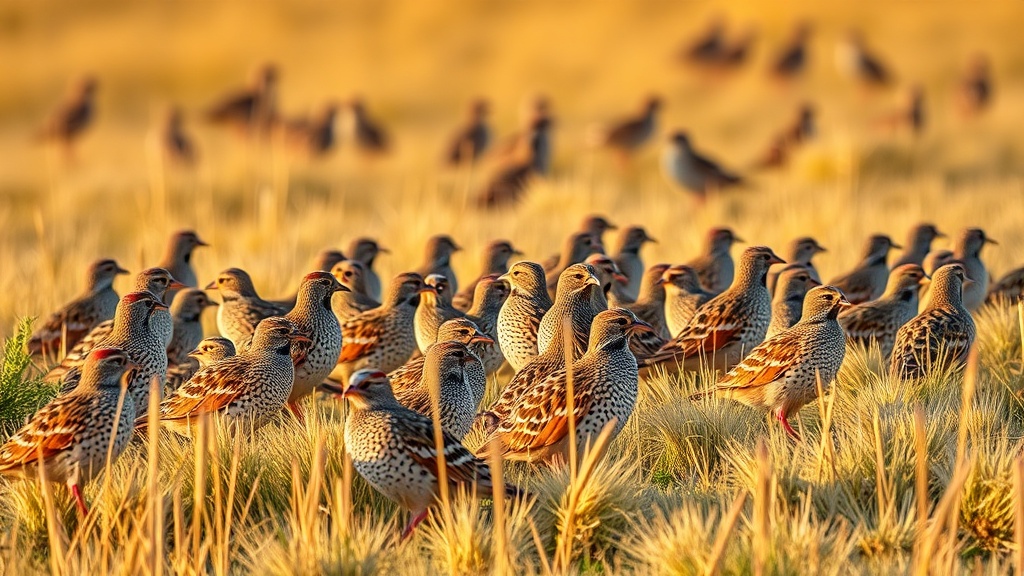
Greater sage grouse season typically opens in mid-September and runs through the end of September. The season is short and bag limits are conservative due to population management concerns. Wyoming holds the largest sage grouse population in the world, and hunting opportunities are concentrated in the sagebrush habitats of central and western Wyoming.
Pheasant
Pheasant season generally opens . The best pheasant hunting is found in the irrigated agricultural areas of the Bighorn Basin, the North Platte River Valley, and the eastern plains. WGFD’s walk-in areas provide access to private land for pheasant and other upland bird hunting.
Grouse
Blue grouse (dusky grouse) and ruffed grouse seasons typically open in September and run through November. These birds are found in mountain forests and aspen groves throughout the western ranges and the Bighorns. Sharp-tailed grouse are found in the eastern grasslands and have a season running from September through November.
Waterfowl Season
Wyoming sits along multiple flyways and offers waterfowl hunting opportunities across the state, particularly along river corridors, reservoirs, and irrigation systems.
| Season Type | Opens | Closes | Notes |
|---|---|---|---|
| General | October 4, 2025 | January 11, 2026 | Follows USFWS Central Flyway frameworks. Dates vary by zone and species. |
Duck Season
Duck season typically opens , with dates set within federal frameworks. Wyoming hosts mallards, teal, gadwall, wigeon, and diving ducks. The North Platte River, Bighorn River, and numerous reservoirs provide quality duck hunting.
Goose Season
Goose season dates follow federal frameworks and typically run from October through February. Canada geese, snow geese, and white-fronted geese are all hunted in Wyoming. The agricultural areas of the Bighorn Basin and eastern plains provide the best goose hunting.
Licensing and Tag Requirements
All Wyoming hunters must purchase a valid hunting license.
| License/Permit | Residency | Fee | Includes |
|---|---|---|---|
| Resident Hunting License | Resident | $30.00 | hunting |
| Non-Resident Hunting License | Nonresident | $175.00 | hunting |
| Resident Elk License | Resident | $55.00 | elk tag |
| Non-Resident Elk License | Nonresident | $637.00 | elk tag |
| Resident Deer License | Resident | $45.00 | deer tag |
| Non-Resident Deer License | Nonresident | $388.00 | deer tag |
| Resident Pronghorn License | Resident | $40.00 | pronghorn tag |
| Non-Resident Pronghorn License | Nonresident | $276.00 | pronghorn tag |
| Resident Black Bear License | Resident | $40.00 | bear tag |
| Non-Resident Black Bear License | Nonresident | $282.00 | bear tag |
| Resident Mountain Lion License | Resident | $30.00 | mountain lion tag |
| Non-Resident Mountain Lion License | Nonresident | $282.00 | mountain lion tag |
| Resident Moose License | Resident | $100.00 | moose tag |
| Non-Resident Moose License | Nonresident | $1884.00 | moose tag |
| Resident Bighorn Sheep License | Resident | $100.00 | bighorn sheep tag |
| Non-Resident Bighorn Sheep License | Nonresident | $2535.00 | bighorn sheep tag |
| Resident Turkey License | Resident | $20.00 | turkey tag |
| Non-Resident Turkey License | Nonresident | $90.00 | turkey tag |
| Preference Point Application | All | $5.00 | preference point |
| Federal Duck Stamp | All | $25.00 | waterfowl hunting |
Big game licenses are species-specific and area-specific. Wyoming uses a preference point system for limited quota draws, with separate point banks for each species. Non-resident license costs are significant, with elk tags exceeding $600 and combination packages available at a discount. A conservation stamp is required in addition to the hunting license.
For a full breakdown of Wyoming hunting license types, tag costs, preference points, hunter education requirements, and legal hunting methods, see Wyoming Hunting Regulations.
Planning Your Wyoming Hunt
Wyoming rewards hunters who plan ahead and invest time in understanding the draw system. The combination of general and limited quota areas means you can hunt some species every year while building points for premium opportunities. Key planning steps include studying WGFD draw statistics, learning hunt area boundaries and access, scouting public land, and securing accommodations in what can be remote areas with limited services.
Explore public and private land options in the Wyoming Hunting Land guide. For general hunting knowledge, see our guides section for tips on scouting, gear selection, and trip planning.
Final checklist
- Confirm rules on the official WGFD website.
- Verify your license, tags, conservation stamp, and limited quota draw results.
- Save hunt area maps for offline use.
- Pack essentials and review safety rules before you leave.
More Wyoming Hunting Resources
Explore Related Topics:
- Hunting Seasons by State: Your Essential Guide to US Game Regulations
- Alabama Hunting Season: Your Essential Guide to Dates and Regulations
- Arkansas Hunting Season: Your Essential Guide to Dates and Regulations
- Georgia Hunting Season: Your Essential Guide to Dates and Regulations
- Idaho Hunting Season: Your Essential Guide to Dates and Regulations
Notice an update we should make?
We strive for accuracy. Contact us here if you see incorrect or outdated info on this page.