Virginia offers exceptional hunting from the Appalachian ridges in the west to the tidal marshes of the Chesapeake Bay. The Virginia Department of Wildlife Resources (DWR) manages all hunting seasons and regulations across the state. With strong populations of deer, turkey, bear, and a growing elk herd, Virginia ranks among the top hunting destinations in the mid-Atlantic and Southeast. This guide covers the major seasons and what you need to know before heading afield. Always verify exact dates and rules on the official DWR website before every hunt.1
White-tailed Deer Season
White-tailed deer are Virginia’s most popular big game animal. The state manages deer through a system that distinguishes between areas east and west of the Blue Ridge Mountains, with different bag limits and season structures in each region. Virginia offers multiple deer seasons spanning from early fall through mid-winter.
| Season Type | Opens | Closes | Notes |
|---|---|---|---|
| Archery | October 4, 2025 | November 14, 2025 | Early archery season east of the Blue Ridge. Bows and crossbows permitted. Either sex in many counties. |
| Archery | September 6, 2025 | November 14, 2025 | Early archery season west of the Blue Ridge. Longer season in western counties. |
| General Firearms | November 15, 2025 | November 29, 2025 | General firearms deer season. Rifle, shotgun, muzzleloader, handgun, archery all permitted. Either sex days vary by county. |
| Late Firearms | December 1, 2025 | January 3, 2026 | Late firearms deer season. Antlerless deer only in some areas. Check county-specific regulations. |
| Early Muzzleloader | November 1, 2025 | November 14, 2025 | Early muzzleloader season. Muzzleloading firearms only. |
| Late Muzzleloader | December 13, 2025 | January 3, 2026 | Late muzzleloader season in select counties. Some overlap with late firearms. |
| Youth | September 27, 2025 | September 28, 2025 | Youth and apprentice deer hunting weekend. Hunters under 16 with licensed adult. |
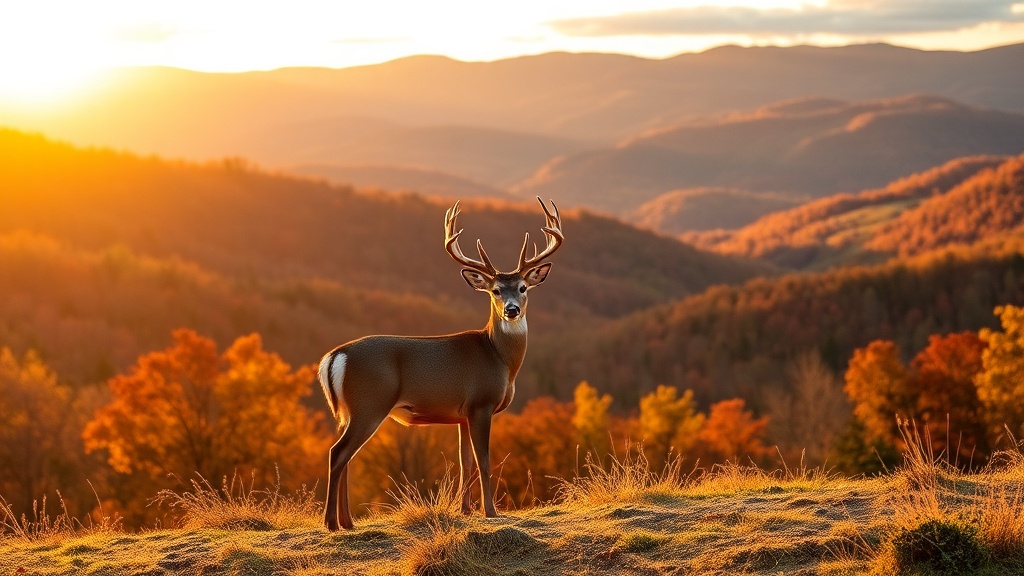
Archery Season
The early archery deer season typically opens October 4, 2025 through November 14, 2025September 6, 2025 through November 14, 2025. After the firearms season concludes, a late archery segment reopens and continues through early January. Compound bows, recurve bows, longbows, and crossbows are all legal during archery season. Crossbows have been legal for all hunters during archery season in Virginia for several years. The early archery season is a favorite among bowhunters because deer are still in predictable feeding patterns before firearms pressure begins.
Muzzleloader Season
Virginia offers two muzzleloader segments. The early muzzleloader season falls , immediately following the close of the early archery season. A late muzzleloader segment occurs after the general firearms season, typically in mid-December. Muzzleloading rifles, muskets, and muzzleloading pistols are permitted. Inline muzzleloaders and scopes are legal during muzzleloader season.
General Firearms Season
The general firearms deer season typically opens in most areas. Dates can vary slightly between eastern and western Virginia. Centerfire rifles, shotguns, muzzleloaders, and archery equipment are all legal during the firearms season. Virginia does not allow the use of full metal jacket (FMJ) ammunition for hunting. This is the most heavily participated deer season in the state and draws hundreds of thousands of hunters to the woods.
Youth and Apprentice Weekend
Virginia holds a special youth and apprentice deer hunting weekend, typically the last weekend in September before the regular archery season opens. Hunters aged 15 and under, as well as apprentice license holders, may participate. A licensed adult must accompany the young or apprentice hunter. All legal weapons are permitted during this weekend. It provides a low-pressure introduction to deer hunting before the regular seasons begin.
Bag Limits
<strong>Season limit:</strong> 3 Deer bag limits in Virginia vary significantly between east and west of the Blue Ridge. Hunters may typically harvest two to three antlered deer per year statewide, depending on the license type and area. The antlerless deer harvest is generally more liberal east of the Blue Ridge, where deer densities are higher. Some counties participate in earn-a-buck programs, requiring the harvest of an antlerless deer before a second buck can be taken. Either-sex hunting days also vary by area. Always check the specific county regulations for your hunting area.
Turkey Season
Turkey hunting is deeply rooted in Virginia’s sporting tradition. The state supports a healthy population of Eastern wild turkeys across all regions.
| Season Type | Opens | Closes | Notes |
|---|---|---|---|
| Spring | April 12, 2026 | May 17, 2026 | Spring gobbler season. Bearded turkeys only. Shotgun and archery. |
| Fall | October 4, 2025 | November 8, 2025 | Fall turkey season. Either sex. Varies by county; closed in some counties. |
| Youth Spring | April 5, 2026 | April 6, 2026 | Youth spring turkey weekend. Hunters under 16 with licensed adult mentor. |
Spring Season
The spring gobbler season typically runs April 12, 2026 through May 17, 2026. A youth turkey hunting weekend usually opens two weekends before the regular spring season. During spring season, only bearded turkeys may be harvested. The spring bag limit is typically one to two bearded turkeys. Shotguns, archery equipment, and muzzleloading shotguns are legal methods. Virginia also allows fall archery turkey hunting during the archery deer season in most counties.
Fall Season
Fall turkey season (October 4, 2025 through November 8, 2025) varies by county. In western Virginia, fall turkey season typically runs from mid-October through mid-November, coinciding with parts of the archery and muzzleloader deer seasons. In eastern Virginia, fall turkey hunting may be more limited or closed entirely in some counties based on population surveys. The fall bag limit is typically one turkey of either sex in open counties. Dogs may be used to scatter flocks during fall turkey season, a longstanding tradition in Virginia’s mountain counties.
Bear Season
Virginia supports a substantial black bear population, concentrated primarily in the mountainous western counties but expanding into piedmont and even some coastal plain areas.
| Season Type | Opens | Closes | Notes |
|---|---|---|---|
| Archery | September 6, 2025 | November 14, 2025 | Bear archery season in designated bear management areas. Concurrent with deer archery in western counties. |
| General Firearms | November 15, 2025 | January 3, 2026 | Bear firearms season concurrent with firearms deer season in designated bear zones. Varies by county. |
| Muzzleloader | November 1, 2025 | November 14, 2025 | Bear muzzleloader season in select counties. |
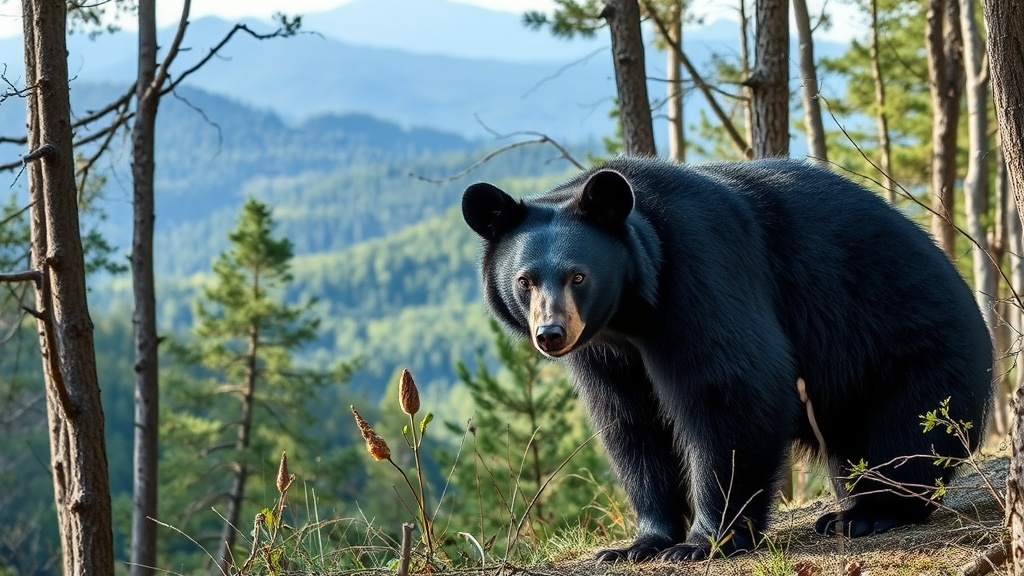
Season Structure
Bear seasons in Virginia include archery, muzzleloader, and firearms segments that generally align with the corresponding deer seasons. The archery bear season opens , the muzzleloader segment in early November, and the firearms season in mid-November. Bear hunting is open in designated counties, with the heaviest concentrations in the Blue Ridge and Alleghany mountain regions. The annual bag limit is <strong>Season limit:</strong> 1 one bear per year. A bear license is required in addition to the base hunting license.
Bear Management
Virginia’s bear population has grown substantially in recent decades, leading DWR to expand bear hunting opportunities. Harvest reporting is mandatory and must be completed within 24 hours. Hunters using dogs to pursue bear is a legal and traditional method during the firearms season in Virginia. The use of bait for bear hunting is prohibited.
Elk Season
Virginia’s elk herd is centered in a small restoration zone in Buchanan County in the far southwestern corner of the state. Elk were reintroduced beginning in 2012, and the herd has grown enough to support a limited hunting season.
Lottery System
DWR issues a very small number of elk tags each year through a public lottery. Both bull and cow permits may be available. The elk season is a short window, typically in October. Demand far exceeds the number of available tags, making this one of the most exclusive hunting opportunities in the eastern United States. Hunters who draw an elk tag must attend a mandatory orientation session before their hunt. The Buchanan County elk zone is also a popular destination for wildlife viewing.
Waterfowl Season
Virginia sits along the Atlantic Flyway, and its coastal marshes, river systems, and agricultural fields provide outstanding waterfowl hunting. Season frameworks are set by the U.S. Fish and Wildlife Service, and DWR selects specific dates within those frameworks.
| Season Type | Opens | Closes | Notes |
|---|---|---|---|
| General | October 4, 2025 | January 31, 2026 | Duck and goose seasons vary by zone (Atlantic Flyway). Follows USFWS frameworks. |
Teal Season
An early teal season opens in September, typically running for about two weeks. Only teal may be harvested during this season. The Chesapeake Bay region and Back Bay area are particularly productive for early teal.
Duck Season
The regular duck season is typically split into two segments. The first segment opens in October or early November, with the second and longer segment running from late November through late January. Virginia is divided into waterfowl hunting zones, and dates can vary between the inland zone and the coastal zone. The Chesapeake Bay, its tributaries, and the Eastern Shore are legendary waterfowl hunting destinations.
Goose Season
Canada goose seasons generally align with or extend beyond duck season dates. A September resident goose season provides early opportunities. The Atlantic Population Canada goose season and the resident population season may have different dates and bag limits. Light goose conservation order seasons extend into February and March, offering additional hunting time.
Waterfowl Licensing
All waterfowl hunters must carry a valid Virginia hunting license, a Virginia waterfowl stamp, a federal duck stamp (Migratory Bird Hunting and Conservation Stamp), and HIP (Harvest Information Program) certification. These requirements apply on both public and private land.
Small Game Seasons
Virginia offers generous seasons for a variety of small game species, providing hunting opportunities from early fall through late winter.
Squirrel
Squirrel season typically opens in early September and runs through the end of February. Gray squirrels and fox squirrels are both legal. Daily bag limits are usually six per day. Squirrel hunting is popular across the state and serves as an excellent introduction for new hunters.
Rabbit
Rabbit season generally runs from early November through mid-February. Eastern cottontail rabbits are found statewide. Running rabbits with beagles is a strong tradition in Virginia. Daily bag limits are typically five per day.
Quail and Grouse
Bobwhite quail season typically runs , though quail populations have declined in many areas. Ruffed grouse season runs from similar dates and is concentrated in the mountainous western counties where habitat supports viable populations. DWR manages grouse habitat on several WMAs in the Appalachian region.
Dove
Mourning dove season opens in most years and is divided into three segments that extend into January. Daily bag limits follow federal frameworks, typically 15 per day. Managed dove fields on WMAs are popular and often require a special permit or reservation.
Pheasant and Woodcock
Ring-necked pheasant hunting is available on a put-and-take basis on several WMAs where DWR stocks birds. American woodcock season typically runs from mid-November through late January, following federal framework dates. The mountain counties and piedmont offer the best woodcock habitat.
Licensing Requirements
All hunters in Virginia must carry a valid hunting license.
| License/Permit | Residency | Fee | Includes |
|---|---|---|---|
| Resident Hunting License | Resident | $23.00 | hunting |
| Non-Resident Basic Hunting License | Nonresident | $110.00 | hunting |
| Non-Resident Big Game Hunting License | Nonresident | $250.00 | hunting, deer, bear, turkey |
| Resident Sportsman License | Resident | $99.00 | hunting, fishing, deer tag, turkey tag, bear stamp, archery stamp, muzzleloader stamp |
| Deer/Muzzleloader Stamp | Resident | $17.00 | deer hunting, muzzleloader privilege |
| Archery Stamp | Resident | $17.00 | archery hunting privilege |
| Bear Stamp | Resident | $17.00 | bear hunting |
| Turkey Stamp | Resident | $17.00 | turkey hunting |
| Youth Hunting License | Resident | $7.50 | hunting |
| Senior Citizen Hunting License | Resident | $8.00 | hunting |
| Virginia Waterfowl Stamp | All | $10.00 | waterfowl hunting |
| Federal Duck Stamp | All | $25.00 | waterfowl hunting |
Residents and non-residents have different license types and fee structures. Key licenses include the Base Hunting License, the Big Game License (required for deer, turkey, and bear), the Archery License, the Muzzleloader License, the Bear License, and the Turkey License. A National Forest Stamp is required for hunting on National Forest lands, and a WMA Stamp is required for hunting on Wildlife Management Areas.
Youth hunters aged 15 and under may hunt for free with a valid Junior Hunting License when accompanied by a licensed adult.
For a full breakdown of licensing, hunter education, legal methods, and bag limits, see our Virginia hunting regulations guide.
Important Reminders
- Check Regulations Annually: DWR publishes updated hunting regulations each year. Season dates, bag limits, and county-level rules can change. Always consult the current Virginia Hunting and Trapping Regulations Guide.
- Hunter Education: Required for anyone born after January 1, 1988. See the regulations page for details.
- Public Land Access: Virginia has over 1.8 million acres of George Washington and Jefferson National Forests, plus 40 or more WMAs. Explore options on our Virginia land access guide.
- Safety First: Wear blaze orange during firearms deer, bear, and elk seasons. Practice safe firearm handling at all times.
- Report Your Harvest: Virginia requires harvest reporting for deer, turkey, bear, and elk. Use the DWR app or website to report promptly.
- CWD Awareness: Chronic Wasting Disease has been detected in the Shenandoah Valley area. Follow all carcass transport restrictions and mandatory testing requirements.
Planning your Virginia hunt means understanding the seasons and matching them to the right region. With careful preparation and attention to regulations, Virginia offers some of the best hunting in the eastern United States.
Last verified: February 13, 2026 — Official sourceMore Virginia Hunting Resources
Explore Related Topics:
- Hunting Seasons by State: Your Essential Guide to US Game Regulations
- Alabama Hunting Season: Your Essential Guide to Dates and Regulations
- Arkansas Hunting Season: Your Essential Guide to Dates and Regulations
- Georgia Hunting Season: Your Essential Guide to Dates and Regulations
- Idaho Hunting Season: Your Essential Guide to Dates and Regulations
Notice an update we should make?
We strive for accuracy. Contact us here if you see incorrect or outdated info on this page.