Texas offers diverse hunting opportunities. Understanding the seasons and rules is crucial for a successful trip. This guide covers key game animals. It provides important dates and regulatory information. Always check the official Texas Parks and Wildlife Department (TPWD) website for the most current details. 1
White-tailed Deer Season
White-tailed deer are the most popular game animal in Texas. Seasons vary by region and method.
| Season Type | Opens | Closes | Notes |
|---|---|---|---|
| Archery | September 27, 2025 | November 1, 2025 | Statewide archery-only season. Bows and crossbows permitted. |
| General | November 1, 2025 | January 4, 2026 | Dates vary by county and deer management zone. Check specific county regulations. |
| Muzzleloader | January 5, 2026 | January 18, 2026 | Available in select counties following general season. |
| Special Late | January 19, 2026 | February 1, 2026 | South Texas counties only. Antlerless and spike deer. |
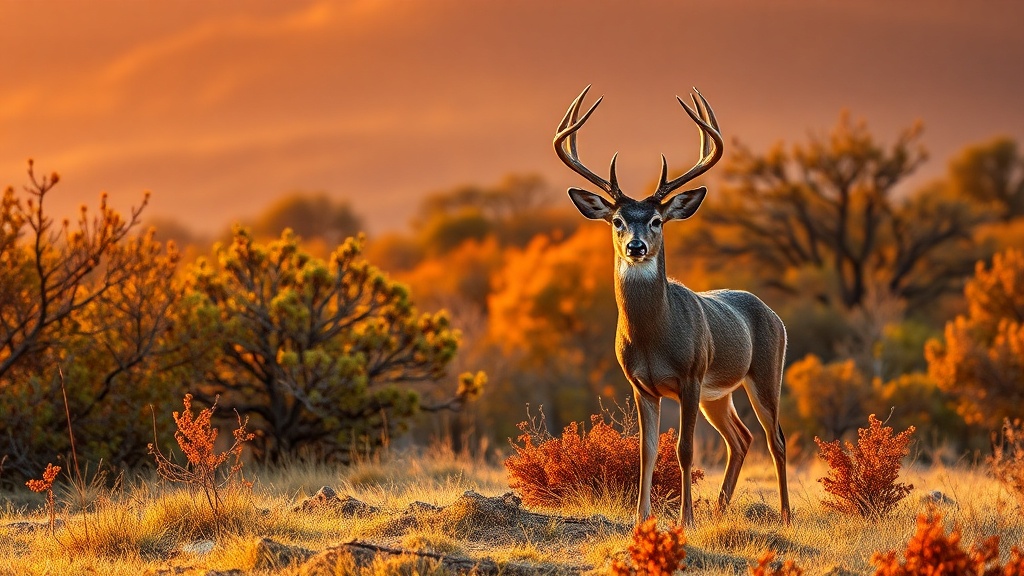
Archery Season
The archery season runs September 27, 2025 through November 1, 2025. This applies statewide. Hunters use bows and crossbows during this period.
General Season
The general season for white-tailed deer runs November 1, 2025 through January 4, 2026. Dates depend on the specific county and deer management zone. Be sure to confirm the exact start and end dates for your chosen hunting area.
Muzzleloader Season
The muzzleloader season runs January 5, 2026 through January 18, 2026. This follows the general season and provides an additional opportunity for traditional firearm hunters.
Special Late Season
A special late season runs January 19, 2026 through February 1, 2026 in some south Texas counties. This season is for antlerless or spike deer.
Mule Deer Season
Mule deer are found primarily in West Texas. Their season is shorter than white-tailed deer.
General Season
Mule deer general season runs November 22, 2025 through December 7, 2025. It varies by county. <strong>Season limit:</strong> 1
Dove Season
Dove hunting is a big tradition in Texas. Seasons are split into three zones.
North Zone
The North Zone runs September 1, 2025 through October 26, 2025. A second segment may run in December and January.
Central Zone
The Central Zone runs September 1, 2025 through October 26, 2025. A second segment may run in December and January.
South Zone
The South Zone runs September 14, 2025 through November 2, 2025. A second segment runs in January.
Waterfowl Season
Texas is a major flyway for migratory waterfowl. Seasons are set for ducks, geese, and coots.
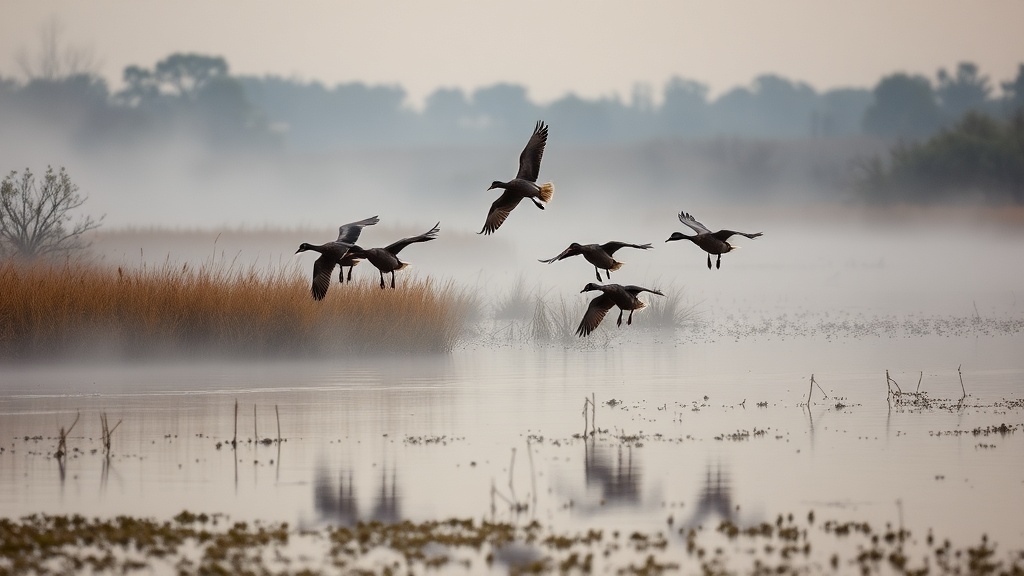
Duck and Coot Season
Duck and coot seasons are split into two segments. The first usually runs from early November to late November. The second segment runs from mid-December through late January. Specific dates vary by zone.
Goose Season
Goose seasons, including light geese and dark geese, typically open in early November. They can extend into late January or early February. Conservation Order seasons for light geese may run even later.
Feral Hog Hunting
Feral hogs are not native to Texas. They are a nuisance species. There is no closed season or bag limit for feral hogs. You can hunt them year-round. This often makes them a popular target for hunters at landowners’ request. Always secure permission before hunting on private land.
Turkey Season
Both Eastern and Rio Grande turkeys are hunted in Texas. Seasons vary by species and region.
Rio Grande Turkey
Rio Grande turkey seasons typically open in late March for youth and early April for general hunters. They run through mid-May. County-specific regulations apply.
Eastern Turkey
Eastern turkey season is much shorter and more restricted. It usually runs for a couple of weeks in April. It is primarily in East Texas.
Alligator Season
Alligator hunting is permitted by special permit in specific areas. The season usually runs from September to May. Access is often limited and requires careful planning and landowner permission.
Small Game and Other Species
Texas also has seasons for many other game animals.
Squirrel
Squirrel season is generally long. It can run from May through February. Limits vary.
Rabbit and Hare
Rabbits and hares have no closed season or bag limit. They can be hunted year-round.
Quail
Quail season runs October 25, 2025 through February 22, 2026. <strong>Daily limit:</strong> 15 | <strong>Possession limit:</strong> 45
Licensing Requirements
| License/Permit | Residency | Fee | Includes |
|---|---|---|---|
| Resident Super Combo | Resident | $68.00 | hunting, fishing, all stamps |
| Resident Hunting License | Resident | $25.00 | hunting |
| Non-Resident Super Combo | Nonresident | $315.00 | hunting, fishing, all stamps |
| Non-Resident General Hunting | Nonresident | $132.00 | hunting |
| Non-Resident 5-Day Special Hunting | Nonresident | $48.00 | hunting |
| Youth Hunting License | All | $7.00 | hunting |
| Senior Super Combo | Resident | $32.00 | hunting, fishing, all stamps |
| Archery Stamp | All | $7.00 | archery hunting privilege |
| Upland Game Bird Stamp | All | $7.00 | upland bird hunting |
| Migratory Game Bird Stamp | All | $7.00 | dove, waterfowl, other migratory birds |
| Federal Duck Stamp | All | $25.00 | waterfowl hunting |
All hunters in Texas must have a valid hunting license. This includes residents and non-residents. Special stamps or endorsements may be required for specific game, such as migratory birds or waterfowl. An Arts. 6.002, P.C. endorsement is required for all persons hunting alligator, unless accompanied by a licensed guide. 1
Hunter Education
Anyone born on or after September 2, 1971, must complete hunter education. This applies before hunting in Texas. A deferral option is available for first-time adult hunters.
Important Reminders
- Check Regulations Annually: Hunting regulations can change each year. Always refer to the current TPWD Outdoor Annual before your hunt.
- Public vs. Private Land: Most hunting in Texas occurs on private land. Secure landowner permission well in advance. Public hunting opportunities are available but often limited.
- Safety First: Practice safe firearm handling. Know your target and what is beyond it.
- Respect Wildlife: Follow bag limits. Adhere to ethical hunting practices.
Planning your Texas hunt requires attention to detail. Knowing the seasons and rules will ensure a legal and enjoyable experience. Check Texas season dates.
Last verified: February 13, 2026 — Official sourceMore Texas Hunting Resources
- Texas hunting regulations
- How to get a Texas hunting license
- Public and private land access in Texas
- Hunting locations in Texas
Explore Related Topics:
- Alabama Hunting Season: Your Essential Guide to Dates and Regulations
- Arkansas Hunting Season: Your Essential Guide to Dates and Regulations
- Georgia Hunting Season: Your Essential Guide to Dates and Regulations
- Idaho Hunting Season: Your Essential Guide to Dates and Regulations
- Iowa Hunting Season: Your Essential Guide to Dates and Regulations
Notice an update we should make?
We strive for accuracy. Contact us here if you see incorrect or outdated info on this page.