Tennessee delivers a wide range of hunting opportunities across its three grand divisions. From the mountainous east to the Mississippi River bottomlands in the west, the state supports healthy populations of deer, turkey, bear, elk, waterfowl, and small game. The Tennessee Wildlife Resources Agency (TWRA) manages all hunting seasons and regulations. This guide covers the major seasons and what you need to know before heading afield. Always verify exact dates and rules on the official TWRA website before every hunt.1
White-tailed Deer Season
White-tailed deer are Tennessee’s most popular big game animal. The state manages deer across multiple units, and season dates can vary slightly between units. Tennessee offers several distinct deer seasons throughout the fall and winter.
| Season Type | Opens | Closes | Notes |
|---|---|---|---|
| Archery | September 27, 2025 | October 31, 2025 | First segment of archery season statewide. Bows and crossbows permitted. |
| Archery | January 5, 2026 | January 18, 2026 | Second segment of archery season after gun season ends. |
| Muzzleloader | November 8, 2025 | November 21, 2025 | Muzzleloader-only season. Precedes gun season. |
| General Gun | November 22, 2025 | January 4, 2026 | Firearms deer season. All legal weapons. Antlerless harvest varies by unit. |
| Youth | October 25, 2025 | October 26, 2025 | Youth gun deer hunt. Hunters 16 and under with adult supervision. |
Archery Season
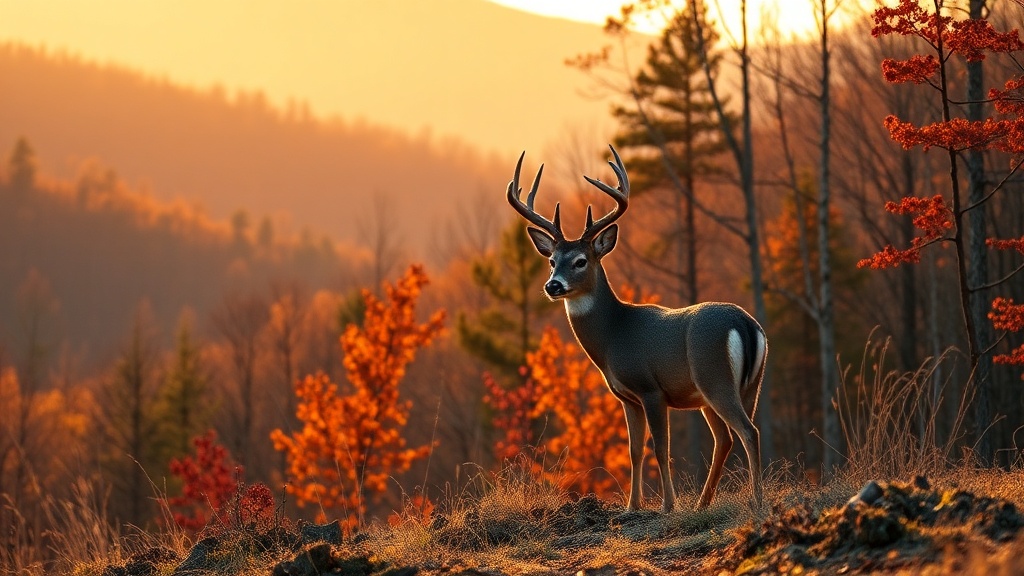
Archery deer season typically opens September 27, 2025 through October 31, 2025January 5, 2026 through January 18, 2026. A second archery segment reopens in November and continues through mid-January, overlapping with other weapon seasons. Compound bows, recurve bows, longbows, and crossbows are all legal during archery season. Crossbows have been legal for all hunters during the archery season for several years, making this an accessible option for hunters of all experience levels.
Muzzleloader Season
A dedicated muzzleloader-only season usually falls November 8, 2025 through November 21, 2025, bridging the gap between the initial archery segment and the gun season. Only muzzleloading firearms are permitted during this period. Inline muzzleloaders are legal, and there are no restrictions on scope use for muzzleloaders in Tennessee.
Gun Season
The general gun season for deer is the most heavily participated season in the state. It typically opens , depending on the unit. Centerfire rifles, shotguns with slugs, handguns, muzzleloaders, and archery equipment are all legal during the gun season. Some units in West Tennessee restrict hunters to shotguns only for deer.
Young Sportsman Hunt
Tennessee offers dedicated Young Sportsman deer hunts on weekends before and after the regular gun season. These hunts are open to hunters aged 6 through 16. A licensed adult must accompany the young hunter. These hunts provide lower-pressure opportunities and are an excellent way to introduce youth to deer hunting.
Bag Limits
Deer bag limits in Tennessee are generous compared to many states. <strong>Season limit:</strong> 3 Hunters may harvest up to three deer per day, and annual limits vary by unit and deer sex. Antlerless deer are typically available in most units, and bonus doe tags can often be obtained to help manage populations. The statewide antler restriction requires bucks to have at least three antler points on one side in some units, while other units have different requirements. Always check the specific unit regulations for your hunting area.
Turkey Season
Turkey hunting in Tennessee is a highlight for many sportsmen. The state holds strong populations of Eastern wild turkeys across all three grand divisions.
| Season Type | Opens | Closes | Notes |
|---|---|---|---|
| Spring | April 5, 2026 | May 16, 2026 | Gobblers only. Statewide spring turkey season. Shooting hours begin at legal sunrise. |
| Youth | March 28, 2026 | March 29, 2026 | Youth spring turkey weekend. Hunters 16 and under. |
| Fall | October 11, 2025 | November 7, 2025 | Fall turkey season. Either sex. Select counties only. |
Spring Season
The spring gobbler season typically runs April 5, 2026 through May 16, 2026. A Young Sportsman turkey hunt usually opens the weekend before the regular spring season. During spring season, only bearded turkeys (gobblers or bearded hens) may be harvested. The annual spring bag limit is <strong>Daily limit:</strong> 1 | <strong>Season limit:</strong> 4 four gobblers statewide. Shotguns, archery equipment, and muzzleloading shotguns are legal methods.
Fall Season
Fall turkey hunting (October 11, 2025 through November 7, 2025) is available in select units, and seasons vary by area. Both gobblers and hens may be legal during the fall season, depending on the unit. The fall bag limit is typically one turkey of either sex in designated units. Fall turkey hunting methods include the same weapons as spring, and dogs may be used to scatter flocks in certain units during fall season.
Bear Season
Tennessee supports a growing black bear population, primarily in the mountainous counties of East Tennessee. Bear hunting is limited to specific counties and Wildlife Management Areas (WMAs) in the southern Appalachian region.
| Season Type | Opens | Closes | Notes |
|---|---|---|---|
| Archery | September 27, 2025 | October 31, 2025 | Bear archery season in designated bear reserve units in eastern TN. |
| General Gun | November 22, 2025 | January 4, 2026 | Bear gun season concurrent with deer gun season in bear management units. Season may close early when quota is reached. |
Season Structure
The bear season typically includes an archery segment beginning , followed by gun and muzzleloader segments running from October through December, depending on the unit. Some WMAs have specific quota hunts for bear. The bear bag limit is <strong>Season limit:</strong> 1 one per year. Harvest reporting is mandatory and typically must be completed within 24 hours.
Bear Management Units
Bear hunting is concentrated in counties along the North Carolina border and near Great Smoky Mountains National Park. Key areas include Cherokee National Forest lands, Tellico WMA, and other mountain WMAs. Bear populations have expanded in recent years, and TWRA has gradually extended season dates and expanded the geographic area open to bear hunting.
Elk Season
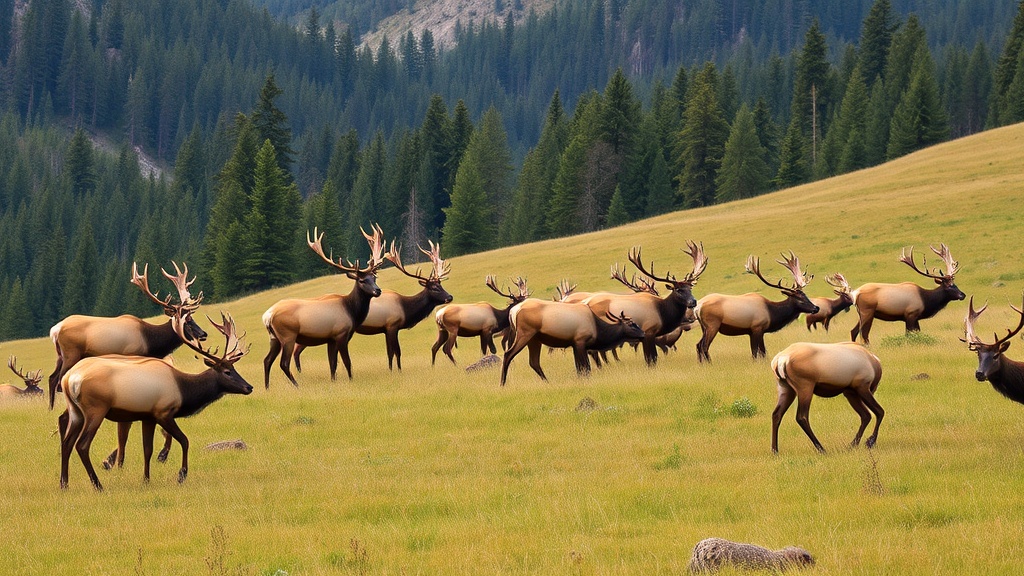
Tennessee’s elk herd is centered in a small restoration zone in the northern Cumberland Plateau, primarily in Campbell, Claiborne, Scott, and Morgan counties. Elk hunting is extremely limited and available only through a lottery drawing.
| Season Type | Opens | Closes | Notes |
|---|---|---|---|
| Controlled Hunt | September 27, 2025 | October 5, 2025 | Archery-only elk hunt. Very limited permits through drawing. Appalachian region of eastern Tennessee only. |
| Controlled Hunt | October 13, 2025 | October 17, 2025 | Gun elk hunt. Extremely limited permits. Appalachian region. |
Lottery System
TWRA typically issues a very small number of elk tags each year through a public lottery. Tags may include both bull and cow permits. The elk season is usually a short window in the fall. Demand far exceeds supply, so drawing a tag is rare. Hunters who draw an elk tag are often assigned a TWRA guide or check station coordinator to assist with the hunt. Elk viewing opportunities in the Hatfield Knob and Royal Blue WMA areas are popular even for non-hunters.
Waterfowl Season
Tennessee sits along the Mississippi Flyway, making it one of the top states in the Southeast for waterfowl hunting. Season frameworks are set by the U.S. Fish and Wildlife Service, and TWRA selects specific dates within those frameworks.
| Season Type | Opens | Closes | Notes |
|---|---|---|---|
| General | November 29, 2025 | January 25, 2026 | Duck season follows USFWS frameworks. Split season varies by zone. |
Duck Season
Duck season is typically split into two or three segments. The first segment often opens in late November or early December, with a break before the second segment resumes in mid-December and runs through late January. Tennessee is divided into duck hunting zones, and dates can vary between zones. The Reelfoot Lake area in West Tennessee is legendary for waterfowl hunting and draws hunters from across the region.
Goose Season
Canada goose seasons generally mirror or overlap duck seasons, with additional segments in September for early resident goose hunts. Light goose conservation order seasons extend into February and March, providing extended hunting opportunities. Snow goose and blue goose numbers have grown, and liberal bag limits during the conservation order help manage populations.
Waterfowl Licensing
All waterfowl hunters must carry a valid Tennessee hunting license, a Tennessee waterfowl stamp, a federal duck stamp (Migratory Bird Hunting and Conservation Stamp), and HIP (Harvest Information Program) registration. These requirements apply on both public and private land.
Small Game Seasons
Tennessee offers long seasons for several small game species, providing hunting opportunities from early fall through late winter.
Squirrel
Squirrel season typically opens in late August and runs through the end of February. Gray squirrels and fox squirrels are both legal. Daily bag limits are generous, usually six per day. Squirrel hunting is an excellent way to introduce new hunters to the sport and to scout deer habitat before the big game seasons open.
Rabbit
Rabbit season generally runs from November through February. Both cottontail rabbits and swamp rabbits are found in Tennessee. Beagle clubs are active throughout the state, and running rabbits with dogs is a longstanding tradition. Daily bag limits are typically five per day.
Quail
Bobwhite quail season runs from November through February in most areas. Quail populations have declined in Tennessee and across the Southeast, and TWRA manages several habitat restoration projects. Hunters should focus on WMAs with active quail management for the best opportunities.
Dove
Mourning dove season is one of the earliest hunting seasons each year, opening in most years. The season is divided into three segments that extend into January. Daily bag limits follow federal frameworks, typically 15 per day. Managed dove fields on WMAs are popular and can require special permits or drawings.
Wild Boar and Feral Hog
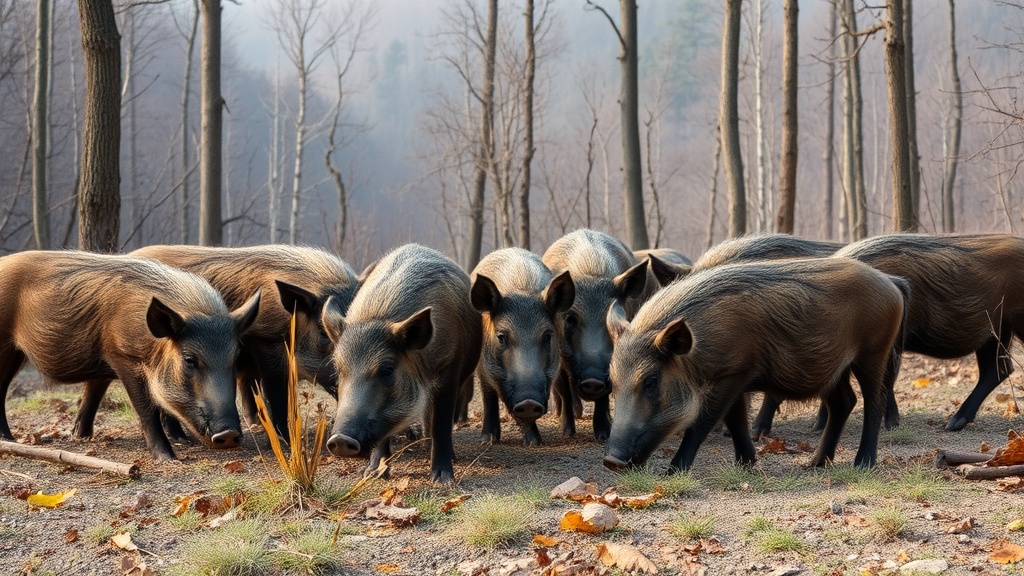
Wild boar are found in parts of East Tennessee, particularly in the Cherokee National Forest and Great Smoky Mountains region. European wild boar were originally stocked in the Tellico area decades ago and have interbred with feral hogs.
Season Structure
On private land, feral hogs can be hunted year-round with no bag limit. On WMAs and public lands, hog hunting is restricted to specific seasons and may coincide with other big game seasons. Some WMAs offer special hog-only hunts. Hunters on public land should check individual WMA regulations for hog hunting opportunities.
Licensing Requirements
All hunters in Tennessee must carry a valid hunting license.
| License/Permit | Residency | Fee | Includes |
|---|---|---|---|
| Resident Hunting License | Resident | $34.00 | hunting |
| Resident Sportsman License | Resident | $86.00 | hunting, fishing, all privileges |
| Non-Resident Hunting License | Nonresident | $230.00 | hunting |
| Non-Resident 3-Day Hunting License | Nonresident | $90.00 | hunting |
| Youth Hunting License | Resident | $7.00 | hunting |
| Senior Hunting License | Resident | $10.00 | hunting |
| Resident Big Game License | Resident | $31.00 | deer, bear, elk, turkey, wild boar |
| Non-Resident Big Game License | Nonresident | $175.00 | deer, bear, elk, turkey, wild boar |
| Elk Permit | All | $18.00 | elk hunting |
| Tennessee Waterfowl Stamp | All | $11.00 | waterfowl hunting |
| Federal Duck Stamp | All | $25.00 | waterfowl hunting |
| WMA Permit | All | $20.00 | wildlife management area access |
| Disabled Veteran License | Resident | $10.00 | hunting, fishing, all privileges |
Residents and non-residents have different license types and fee structures. Key licenses include the Annual Hunting License, the Sportsman License (which bundles hunting and fishing privileges), the Big Game License (required for deer, turkey, bear, and elk), and the WMA Permit (required for hunting on any WMA). The Type 94 license provides a combination of hunting, fishing, and trapping privileges.
Youth hunters aged 6 through 15 may hunt for free with a valid Junior Hunting License, but they must be accompanied by a licensed adult.
For a full breakdown of licensing, hunter education, legal methods, and bag limits, see our Tennessee hunting regulations guide.
Final Checklist
- Check regulations annually. TWRA publishes an updated hunting guide each year. Season dates, bag limits, and unit boundaries can change. Always consult the current Tennessee Hunting and Trapping Guide.
- Complete hunter education if born after January 1, 1969. See the regulations page for details.
- Explore public land access. Tennessee has over 1.5 million acres of WMAs and access to Cherokee National Forest. See our Tennessee land access guide.
- Wear fluorescent orange during gun deer season (500 square inches minimum). Practice safe firearm handling at all times.
- Report your harvest. Tennessee requires harvest reporting for deer, turkey, and bear. Use the TWRA app or website to report promptly.
- Verify your hunting license, big game license, and WMA permit before every hunt.
Planning your Tennessee hunt means understanding the seasons and matching them to the right area. With careful preparation and attention to regulations, Tennessee offers some of the best hunting in the Southeast.
Last verified: February 13, 2026 — Official sourceMore Tennessee Hunting Resources
Explore Related Topics:
- Hunting Seasons by State: Your Essential Guide to US Game Regulations
- Alabama Hunting Season: Your Essential Guide to Dates and Regulations
- Arkansas Hunting Season: Your Essential Guide to Dates and Regulations
- Georgia Hunting Season: Your Essential Guide to Dates and Regulations
- Idaho Hunting Season: Your Essential Guide to Dates and Regulations
Notice an update we should make?
We strive for accuracy. Contact us here if you see incorrect or outdated info on this page.