Oklahoma delivers a remarkably diverse hunting experience across its prairies, cross timbers, Ozark foothills, and Ouachita Mountains. The Oklahoma Department of Wildlife Conservation (ODWC) manages all hunting seasons and regulations in the state. From whitetail deer and turkey to limited-draw elk hunts and year-round feral hog opportunities, the state rewards hunters who plan ahead. This guide covers the major game species and their season structures. Always verify exact dates on the official ODWC website before planning your hunt.1
White-tailed Deer Season
Whitetail deer are Oklahoma’s most pursued big game animal. The state offers a generous season framework that spans from early October through January, with multiple weapon types providing extended opportunities. Oklahoma uses a statewide deer tag system that allows hunters to harvest up to six deer per season, with a maximum of two antlered bucks. <strong>Season limit:</strong> 6
| Season Type | Opens | Closes | Notes |
|---|---|---|---|
| Archery | October 1, 2025 | January 15, 2026 | Statewide archery deer season. Bows, crossbows, and compound bows permitted. |
| General Rifle | November 22, 2025 | December 7, 2025 | Statewide rifle deer season. All legal firearms, archery, and crossbows permitted. |
| Muzzleloader | October 25, 2025 | November 2, 2025 | Muzzleloader-only deer season. |
| Holiday Antlerless | December 20, 2025 | December 25, 2025 | Holiday antlerless deer gun season. Antlerless deer only. Designed to manage doe populations. |
Archery Season
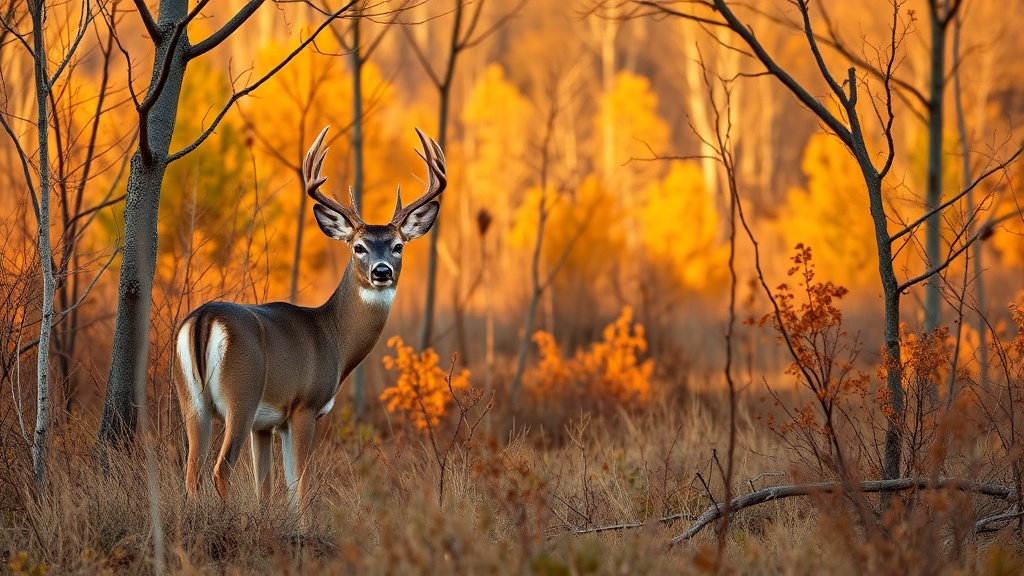
The archery deer season typically opens October 1, 2025 through January 15, 2026. This is the longest continuous deer season in Oklahoma and overlaps with the muzzleloader and rifle seasons. Either-sex deer may be taken during the entirety of archery season statewide, giving bowhunters maximum flexibility. Compound bows, recurves, longbows, and crossbows are all legal during archery season. The extended window covers the pre-rut, peak rut, and post-rut periods, making it attractive to hunters who want to be in the field throughout the fall and early winter.
Muzzleloader Season
Oklahoma’s muzzleloader season typically runs October 25, 2025 through November 2, 2025, falling between the archery opener and the start of rifle season. Legal muzzleloaders must be .40 caliber or larger. Both flintlock and inline muzzleloaders are permitted. This brief window provides a quieter hunting experience compared to the general rifle season that follows.
Rifle Season
The general rifle season for deer usually opens in most of the state. This is the most heavily participated deer season. Centerfire rifles, shotguns, handguns, and muzzleloaders are all legal during the rifle season. The opening weekend draws the highest hunter participation. The rut is typically active during rifle season across much of Oklahoma, creating excellent conditions for harvesting mature bucks.
Antlerless Deer Season
A late antlerless-only season typically runs for a short period following the close of the general rifle season, usually in late December. This season is designed to help manage doe populations in areas where deer density is above target levels. Only antlerless deer may be harvested. Legal weapons vary by area but generally include rifles, shotguns, and muzzleloaders.
Youth Deer Hunts
Oklahoma designates special youth-only deer hunting weekends, typically one in late October and one in January. These hunts are open to hunters under age 16 who must be accompanied by a licensed adult. Youth hunters may use any legal firearm or archery equipment. Youth hunts provide a lower-pressure introduction to deer hunting and are an important recruitment tool.
Turkey Season
Turkey hunting in Oklahoma targets both Eastern and Rio Grande wild turkeys. The state has healthy populations of both subspecies and offers both spring and fall seasons.
| Season Type | Opens | Closes | Notes |
|---|---|---|---|
| Spring | April 6, 2026 | May 6, 2026 | Spring turkey season. Bearded turkeys only. Shotgun and archery. |
| Fall | October 1, 2025 | January 15, 2026 | Fall turkey runs concurrent with archery deer season. Either sex. Archery only unless during gun deer season. |
Spring Season
The spring turkey season is the primary turkey hunting opportunity. It typically opens April 6, 2026 through May 6, 2026, lasting about three weeks. A youth turkey hunt weekend is usually held one week before the general spring opener. The spring bag limit is <strong>Daily limit:</strong> 1 | <strong>Season limit:</strong> 4 two bearded turkeys (gobblers or birds with visible beards), and only one may be taken per day. Shotguns and archery equipment are legal methods. Oklahoma’s diverse habitat means hunters can pursue Rio Grande turkeys in the western prairies and cross timbers and Eastern turkeys in the Ouachita Mountains and Ozark Plateau regions of eastern Oklahoma.
Fall Season
Oklahoma also offers a fall turkey season that generally runs from late October through January, overlapping with archery deer season. During the fall season, either sex is legal, and the bag limit is typically one turkey. Both archery equipment and firearms are legal during the fall season, though methods may vary by area. Fall turkey hunting is less popular than the spring season but offers a unique hunting experience.
Waterfowl Season
Oklahoma sits at the intersection of the Central Flyway, making it an important state for waterfowl hunters. The state’s numerous reservoirs, playa lakes, and river bottoms attract large numbers of migrating ducks and geese.
| Season Type | Opens | Closes | Notes |
|---|---|---|---|
| General | October 25, 2025 | January 31, 2026 | Duck and goose seasons vary by zone (Low Plains, High Plains). Follows USFWS frameworks. Split seasons in some zones. |
Early Teal Season
An early teal season typically opens in mid-September and lasts about 16 days. This season targets blue-winged and green-winged teal during their early southward migration. The daily bag limit is six teal. Non-toxic shot is required.
Regular Duck Season
The regular duck season is split into two or three segments, depending on the zone. Oklahoma is divided into a High Plains zone and a Low Plains zone. The first segment generally opens in late October, with subsequent segments running through late January. The daily bag limit follows federal frameworks, with species-specific limits assigned by point values. Popular hunting locations include major reservoirs, river floodplains, and managed wetlands on Wildlife Management Areas.
Goose Season
Dark goose (Canada goose) season generally runs from late October through mid-February. Light goose (snow goose and Ross’s goose) seasons run on a similar schedule. A Light Goose Conservation Order typically extends from mid-February through March or April, allowing hunters to continue pursuing snow geese after the regular season closes. During the Conservation Order, there is no daily bag limit, electronic calls are allowed, and unplugged shotguns may be used. This extended period is designed to reduce overabundant light goose populations.
Small Game Seasons
Oklahoma has a strong tradition of small game hunting, especially for upland birds.
Quail
Bobwhite quail season typically runs . The daily bag limit is <strong>Daily limit:</strong> 8 | <strong>Possession limit:</strong> 24 six quail. Western Oklahoma has traditionally offered the best wild quail habitat, with rolling grasslands and CRP fields holding coveys. Quail populations fluctuate with rainfall and habitat conditions, so checking pre-season brood surveys from ODWC is helpful for identifying productive areas.
Dove
Mourning dove season is split into multiple segments. The first segment typically opens . Additional segments run in November and again in December through January. The daily bag limit is 15 doves. Dove fields near agricultural areas in western and central Oklahoma can produce fast shooting, especially during the early September opener.
Rabbit
Cottontail rabbit season generally runs from October through mid-March. The daily bag limit is typically 10 rabbits. Swamp rabbits are also found in eastern Oklahoma bottomlands. Rabbit hunting with beagles remains a popular tradition in rural Oklahoma.
Squirrel
Squirrel season typically runs from May through January, making it one of the longest hunting seasons available. The daily bag limit is generally 10 squirrels. Both fox squirrels and gray squirrels are legal game. The hardwood forests of eastern Oklahoma, particularly along the Ouachita and Ozark regions, offer productive squirrel hunting.
Elk Season
Oklahoma offers a rare elk hunting opportunity through a limited-draw system managed by ODWC. Elk hunts are conducted primarily in and around the Wichita Mountains Wildlife Refuge in southwestern Oklahoma. The number of permits issued each year is extremely small, often fewer than 15 total tags across all weapon types.
Season Structure
Elk seasons include archery, muzzleloader, and rifle segments, typically running from October through December. Both bull and antlerless tags may be available. The application process opens several months before the season, and demand far exceeds the available permits. Drawing odds are very low, making an Oklahoma elk tag one of the most coveted permits in the state.
Where to Apply
Elk permit applications are submitted through the ODWC online licensing system. Hunters may accumulate preference points for unsuccessful applications, improving their odds in future years. The Wichita Mountains herd is a well-managed population, and harvest rates are carefully controlled to maintain herd health.
Bear Season
Oklahoma offers a limited black bear season in the southeastern portion of the state, primarily in LeFlore, McCurtain, Pushmataha, and Latimer counties. The Ouachita Mountains region supports a growing bear population that has expanded from neighboring Arkansas.
Season Structure
The bear season is typically a short window in October, and permits are allocated through a lottery drawing. The bag limit is one bear per season. Both archery and firearms seasons may be offered, depending on the annual regulation. Mandatory check-in of all harvested bears is required. The number of permits is limited to manage the population sustainably.
Feral Hog Hunting
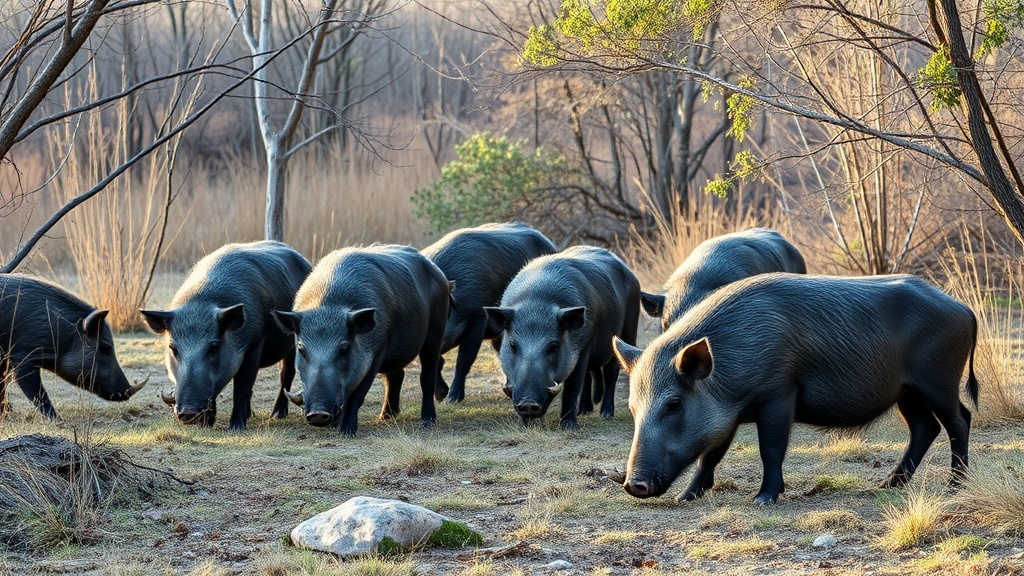
Feral hogs are an invasive species causing significant agricultural and ecological damage across Oklahoma. There is no closed season and no bag limit for feral hogs on private land. Hogs may be hunted year-round using any legal method, day or night, with landowner permission. On public lands, feral hogs are generally legal to take during other open seasons but may have area-specific restrictions. Hog hunting provides a year-round opportunity that complements other seasonal hunts and helps landowners manage crop and habitat damage.
Licensing Requirements
All hunters in Oklahoma must have a valid hunting license.
| License/Permit | Residency | Fee | Includes |
|---|---|---|---|
| Resident Hunting License | Resident | $25.00 | hunting |
| Non-Resident Hunting License | Nonresident | $285.00 | hunting |
| Resident Hunting and Fishing Combo | Resident | $42.00 | hunting, fishing |
| Resident Deer Tag | Resident | $15.00 | deer hunting |
| Non-Resident Deer Tag | Nonresident | $280.00 | deer hunting |
| Resident Turkey Tag | Resident | $15.00 | turkey hunting |
| Non-Resident Turkey Tag | Nonresident | $100.00 | turkey hunting |
| Resident Elk Tag | Resident | $50.00 | elk hunting |
| Youth Hunting License | Resident | $7.50 | hunting |
| Senior Hunting License | Resident | $7.50 | hunting |
| Non-Resident 5-Day Hunting License | Nonresident | $75.00 | hunting |
| Federal Duck Stamp | All | $25.00 | waterfowl hunting |
Residents and non-residents can purchase annual hunting licenses, combination hunting and fishing licenses, and various special permits through the ODWC Go Outdoors Oklahoma system. Additional permits or stamps are required for certain species, including a turkey tag for turkey hunting and a waterfowl stamp for migratory bird hunting. A federal duck stamp is also required for waterfowl hunters age 16 and older.
For a complete breakdown of licensing, hunter education, legal methods, and bag limits, see our Oklahoma hunting regulations guide.
Important Reminders
- Check Regulations Annually: Season dates and bag limits can change each year. Always refer to the current ODWC Oklahoma Hunting Guide before your hunt.
- Public vs. Private Land: Oklahoma has over 1.6 million acres of Wildlife Management Areas open to public hunting, but specific rules apply to each area. See our Oklahoma land access guide for details.
- Safety First: Wear fluorescent orange during gun deer seasons. Practice safe firearm handling at all times.
- Report Your Harvest: Oklahoma requires hunters to report deer, turkey, elk, and bear harvests through the mandatory reporting system.
- Respect Wildlife: Follow all bag limits and practice ethical hunting.
Planning your Oklahoma hunt requires attention to the specific season dates, methods, and areas you intend to hunt. The variety of seasons and species available makes Oklahoma one of the most versatile hunting states in the southern Great Plains.
Last verified: February 13, 2026 — Official sourceMore Oklahoma Hunting Resources
Explore Related Topics:
- Hunting Seasons by State: Your Essential Guide to US Game Regulations
- Alabama Hunting Season: Your Essential Guide to Dates and Regulations
- Arkansas Hunting Season: Your Essential Guide to Dates and Regulations
- Georgia Hunting Season: Your Essential Guide to Dates and Regulations
- Idaho Hunting Season: Your Essential Guide to Dates and Regulations
Notice an update we should make?
We strive for accuracy. Contact us here if you see incorrect or outdated info on this page.