North Carolina stretches from the Atlantic Coast to the crest of the Appalachian Mountains, and that geographic diversity creates a wide range of hunting opportunities. The North Carolina Wildlife Resources Commission (NCWRC) manages seasons across multiple zones to match wildlife populations with habitat conditions. This guide covers the major game seasons, zone structures, and licensing basics every hunter should know before heading afield. Always verify exact dates and rules on the official NCWRC website before your hunt. 1
White-tailed Deer Season
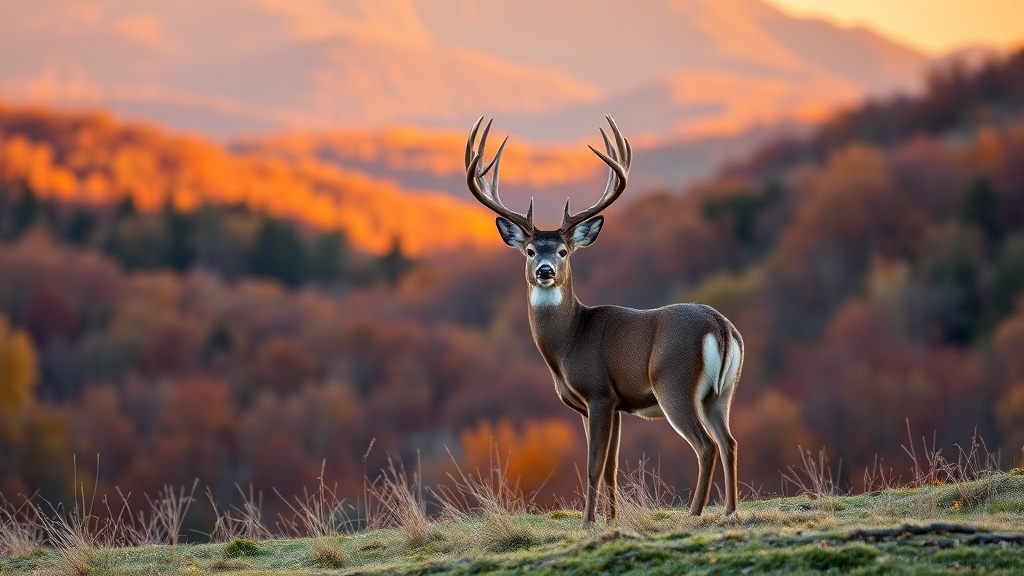
White-tailed deer are the most pursued big game animal in North Carolina. The state divides deer seasons by weapon type and by zone, with the western and eastern portions of the state operating on different schedules.
| Season Type | Opens | Closes | Notes |
|---|---|---|---|
| Archery | September 6, 2025 | October 3, 2025 | Statewide archery-only season. Bows and crossbows permitted. Either sex. |
| Muzzleloader | October 4, 2025 | October 10, 2025 | Blackpowder muzzleloader-only season statewide. Either sex on private land. |
| General Gun | October 11, 2025 | January 3, 2026 | Firearms deer season. All legal weapons. Either-sex days vary by county. |
| Youth | September 20, 2025 | September 21, 2025 | Youth deer hunt weekend. Hunters 15 and under with adult supervision. Either sex. |
| Urban | January 10, 2026 | February 14, 2026 | Urban deer season in designated municipalities. Archery and crossbow only. |
Archery Season
Archery season opens in early to mid-September statewide and runs through late September or early October before firearms seasons begin. Compound bows, recurves, longbows, and crossbows are all legal during the archery window. This early season offers quiet woods and warm weather hunting, but insects and foliage can make it challenging.
Muzzleloader Season
A dedicated muzzleloader season typically falls in late September through mid-October, depending on the zone. In the western zone, muzzleloader season tends to precede the gun season. In the eastern zone, the muzzleloader window may fall at a different time within the overall framework. Only muzzleloading firearms meeting NCWRC specifications are legal during this period.
Gun Season
The general gun season varies significantly between eastern and western North Carolina. In the western zone, gun season generally runs from mid-October through late November or early December. The eastern zone typically opens later, around mid-October to November, and can extend into early January. Several eastern counties also allow the use of dogs for deer drives, a tradition with deep roots in the coastal plain.
Antlerless Deer Days
Certain days within the gun season may be designated as either-sex days or doe days, depending on the county and deer management unit. Some counties allow antlerless harvest throughout the entire gun season, while others restrict doe harvest to specific dates. Check the county-specific regulations chart published annually by the NCWRC.
Bag Limits
<strong>Season limit:</strong> 6North Carolina allows a seasonal bag of six deer, with no more than two antlered bucks. Antlerless bag limits vary by county and are published in the annual regulations digest. Bonus antlerless harvest opportunities are available through the NCWRC’s Urban Archery program in some municipalities.
Turkey Season
Turkey hunting in North Carolina focuses on the spring gobbler season, which draws thousands of hunters to the woods each year.
| Season Type | Opens | Closes | Notes |
|---|---|---|---|
| Spring | April 12, 2026 | May 10, 2026 | Gobblers only. Statewide spring turkey season. |
| Youth | April 5, 2026 | April 5, 2026 | Youth spring turkey day. One day only. Hunters 15 and under. |
Spring Season
The spring turkey season typically opens in April and runs through mid-May. Hunters may harvest one turkey per day with a spring season limit of two gobblers. Only male or bearded turkeys are legal during the spring season. Shotguns, muzzleloaders, and archery equipment are permitted.
Youth Turkey Weekend
A special youth turkey hunting weekend occurs one to two weeks before the regular spring opener. This provides young hunters aged 15 and under an opportunity to hunt with less competition. Youth hunters must be accompanied by a licensed adult who may not carry a firearm.
Waterfowl Season
North Carolina’s coastal plain and river systems place it squarely in the Atlantic Flyway, making waterfowl hunting a major tradition.
| Season Type | Opens | Closes | Notes |
|---|---|---|---|
| General | November 15, 2025 | January 31, 2026 | Duck season dates follow USFWS frameworks. Split season format varies by zone. |
Teal Season
An early teal-only season runs in September, targeting blue-winged and green-winged teal migrating through the state. This short season typically lasts about two weeks. A Federal Duck Stamp, state hunting license, and NC Migratory Waterfowl Privilege are all required.
Regular Duck Season
The regular duck season is split into segments. The first segment generally opens in October and runs for a short period. The second and longer segment usually opens in late November or December and runs into late January. Daily bag limits follow federal frameworks and vary by species.
Goose Season
Canada goose, snow goose, and other goose species have their own season structures. Regular Canada goose seasons align roughly with duck season. A Light Goose Conservation Order often extends into February or March, allowing expanded methods to reduce overabundant snow goose populations.
Bear Season
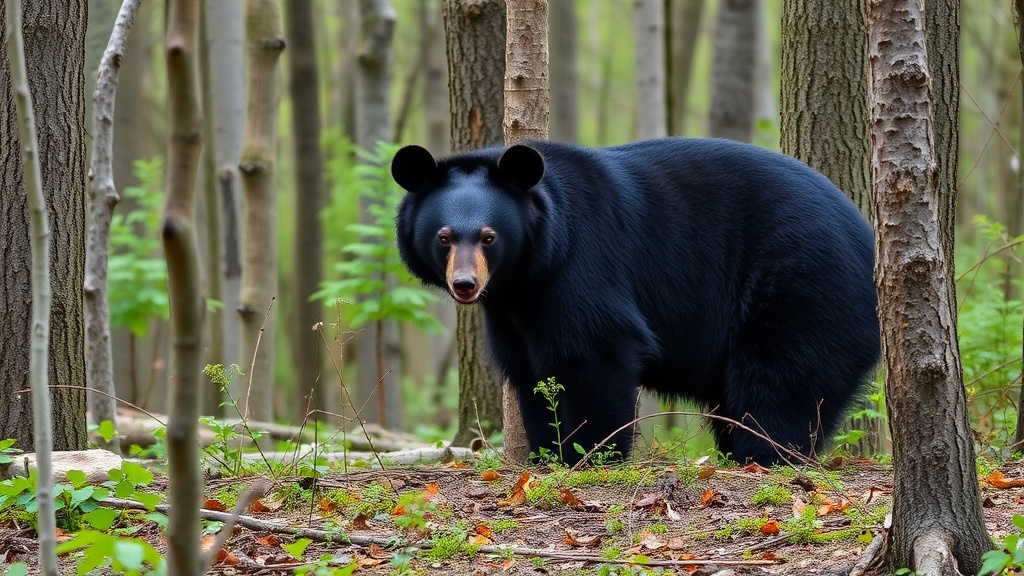
North Carolina is home to a healthy black bear population concentrated in two regions: the coastal plain of the east and the mountain counties of the west.
| Season Type | Opens | Closes | Notes |
|---|---|---|---|
| General | November 10, 2025 | December 20, 2025 | Western NC bear season. Dates vary by bear management unit. Some units have earlier openings. |
| Early | September 6, 2025 | October 3, 2025 | Early bear season in select western NC units. Concurrent with archery deer season. Bow and crossbow only. |
Western Bear Season
The western bear season is relatively short, typically opening in mid-October and running through late November. This is a general gun season open to all properly licensed hunters.
Eastern Bear Season
The eastern bear season is more complex. Some eastern counties have general bear seasons that may extend from October through early January. Other areas require a bear hunting permit obtained through the NCWRC lottery system. The Albemarle-Pamlico Peninsula holds one of the densest black bear populations on the East Coast.
Bag Limit
<strong>Season limit:</strong> 1The statewide bear bag limit is one bear per hunter per season. All harvested bears must be checked in with the NCWRC within 24 hours.
Wild Boar
Wild boar hunting is available in the mountains of western North Carolina, particularly in the Nantahala National Forest and areas adjacent to Great Smoky Mountains National Park. On public game lands, wild boar seasons are set by the NCWRC and typically overlap with deer gun seasons. On private land, wild boar may be hunted year-round with no closed season or bag limit. Wild boar provide challenging mountain hunting in steep, rugged terrain.
Alligator Season
North Carolina offers a limited alligator hunting season in the southeastern portion of the state. Permits are issued through a lottery system managed by the NCWRC. Only a small number of tags are available each year. The season typically runs from September through October. Hunters must apply during the application window and, if selected, follow strict harvest and reporting requirements.
Small Game Seasons
North Carolina’s small game seasons offer accessible and affordable hunting throughout much of the year.
| Season Type | Opens | Closes | Notes |
|---|---|---|---|
| Early | September 1, 2025 | October 4, 2025 | First segment of mourning dove season. |
| Late | November 22, 2025 | January 17, 2026 | Second and third segments of dove season. |
| Season Type | Opens | Closes | Notes |
|---|---|---|---|
| General | November 15, 2025 | February 28, 2026 | Bobwhite quail. Wild populations declining; supplemental stocking on some game lands. |
Squirrel
Squirrel season typically opens in mid-October and runs through the end of February. A separate early season may open in September in some areas. Gray and fox squirrels are the primary species. Daily bag limits are generally six per day.
Rabbit
Rabbit season generally runs from late November through mid-February. Cottontail rabbits are found throughout the piedmont and coastal plain. Beagles are commonly used for rabbit hunting in North Carolina.
Quail and Pheasant
Bobwhite quail season runs from late November through late February. Wild quail populations have declined, and most quail hunting on game lands involves released birds stocked by the NCWRC. Pheasant hunting is similarly limited to stocked birds on designated game lands.
Dove
Dove season is split into three segments. The first segment opens in early September and is the most popular. Later segments run through the fall and winter. Daily bag limits follow federal migratory bird frameworks.
Licensing Requirements
| License/Permit | Residency | Fee | Includes |
|---|---|---|---|
| Resident Hunting License | Resident | $25.00 | hunting |
| Resident Sportsman License | Resident | $50.00 | hunting, fishing, all privileges |
| Non-Resident Hunting License | Nonresident | $100.00 | hunting |
| Non-Resident 10-Day Hunting License | Nonresident | $60.00 | hunting |
| Youth Hunting License | All | $0.00 | hunting |
| Senior Hunting License | Resident | $15.00 | hunting |
| Big Game Privilege License | Resident | $13.00 | deer, bear, turkey, wild boar |
| Non-Resident Big Game Privilege | Nonresident | $80.00 | deer, bear, turkey, wild boar |
| Game Lands License | All | $20.00 | game lands access |
| NC Waterfowl Privilege License | All | $6.00 | waterfowl hunting |
| Federal Duck Stamp | All | $25.00 | waterfowl hunting |
| Disabled Veteran Hunting/Fishing | Resident | $0.00 | hunting, fishing |
All hunters in North Carolina must purchase a basic hunting license. Resident and non-resident options are available. Big game hunting requires an additional Big Game License. Hunting on NCWRC game lands requires a separate Game Lands License. Waterfowl hunters need both the NC Migratory Waterfowl Privilege and a Federal Duck Stamp. The Sportsman License bundles hunting, fishing, and several additional privileges into one purchase. Youth licenses are available at reduced rates.
Licenses can be purchased online through the NCWRC website, by phone, or at authorized retailers across the state. For a detailed breakdown of all license types, requirements, and regulations, see our North Carolina hunting regulations guide.
Hunter Education
North Carolina requires hunter education certification for anyone born on or after August 1, 1974. Both in-person and online-plus-field-day course formats are available. An Apprentice Hunting License allows first-time hunters to hunt under the direct supervision of a licensed adult while completing their education requirement.
Important Reminders
- Check Regulations Annually: Season dates, bag limits, and zone boundaries can change each year. Always consult the current NCWRC regulations digest before hunting.
- Blaze Orange: Blaze orange is required during open gun deer seasons on public game lands and is strongly recommended on private land.
- Sunday Hunting: Sunday hunting is legal on private land statewide and on certain public game lands. Check the specific game land rules before planning a Sunday hunt.
- Baiting: Baiting is illegal for deer and bear in North Carolina. Hunters may not place or hunt over bait, salt, or mineral licks for these species.
- CWD Monitoring: North Carolina has an active Chronic Wasting Disease surveillance program. Carcass transport restrictions may apply in certain zones. Check the NCWRC website for current CWD guidelines.
More North Carolina Hunting Resources
- How to get a North Carolina hunting license
- Public and private land access in North Carolina
- Hunting locations in North Carolina
Explore Related Topics:
- Hunting Seasons by State: Your Essential Guide to US Game Regulations
- Alabama Hunting Season: Your Essential Guide to Dates and Regulations
- Arkansas Hunting Season: Your Essential Guide to Dates and Regulations
- Georgia Hunting Season: Your Essential Guide to Dates and Regulations
- Idaho Hunting Season: Your Essential Guide to Dates and Regulations
Notice an update we should make?
We strive for accuracy. Contact us here if you see incorrect or outdated info on this page.