Montana is one of the most coveted hunting destinations in North America, offering a remarkable diversity of game species across millions of acres of wild country. From the towering peaks of the Rocky Mountain Front to the rolling prairies of eastern Montana, the state provides hunting opportunities that few other places can match. Montana Fish, Wildlife & Parks (FWP) manages all hunting seasons and regulations in the state 1.
Understanding when seasons open and close, which tags require a draw, and how the state structures its hunting calendar is the foundation of a successful Montana hunt. This guide covers the major species and season frameworks so you can begin planning with confidence.
General Season Structure
Montana organizes its hunting seasons by species, weapon type, and hunting district. The state is divided into numerous hunting districts, each with its own rules governing season dates, bag limits, and legal methods. Some species are available through general licenses, while others require a special draw permit with limited tags allocated each year.
 FWP publishes annual regulations for big game, upland birds, waterfowl, and furbearers. These regulations include specific opening and closing dates, legal weapons, and any district-level restrictions. Hunters should always confirm the current year’s dates directly with FWP before making plans, as dates shift slightly from year to year.
Montana’s hunting calendar generally spans from early September through late January, depending on the species. Some seasons, like spring bear and spring turkey, extend the calendar into the spring months.
Elk Hunting Seasons
Montana is widely regarded as one of the premier elk hunting states in the country. The state holds one of the largest elk populations in the Lower 48, and both residents and non-residents have meaningful access to quality elk country.
| Season Type | Opens | Closes | Notes |
|---|---|---|---|
| Archery | September 6, 2025 | October 19, 2025 | Statewide archery season for elk. General elk license available over-the-counter for residents. |
| General Rifle | October 25, 2025 | November 30, 2025 | Five-week general rifle season. Dates and either-sex opportunities vary by hunting district. |
| Shoulder Season | August 15, 2025 | February 15, 2026 | Extended shoulder seasons in select districts with elk population management objectives. Antlerless only. |
Archery Season
The archery elk season typically opens in early September and runs for about five weeks. Archery hunting offers the advantage of lower hunter pressure and the chance to call bulls during the peak of the rut. Hunters can pursue elk with archery equipment across most general districts during this window.
General (Rifle) Season
Montana’s general rifle elk season is one of the most anticipated dates on the western hunting calendar. It typically opens in late October and runs through late November, lasting approximately five weeks. During this period, hunters with a general elk tag can pursue elk in most open districts across the state.
The general season often coincides with rutting activity and early winter migration, which can concentrate elk in predictable corridors and lower-elevation basins.
Special Draw Units
Some of Montana’s most productive elk hunting districts are managed through a special draw system. These limited-entry permits are allocated through FWP’s annual drawing process, which typically requires an application in the spring. Draw odds vary significantly by district, and some high-demand units may take many years of accumulated preference points to draw.
Hunters targeting trophy-class bulls or specific geographic areas often focus their long-term planning around these special permit districts.
Deer Hunting Seasons
Montana offers hunting for both mule deer and whitetail deer, and both species are widespread across the state.
| Season Type | Opens | Closes | Notes |
|---|---|---|---|
| Archery | September 6, 2025 | October 19, 2025 | Statewide archery season for deer. |
| General Rifle | October 25, 2025 | November 30, 2025 | General rifle season. Antlered mule deer bucks must have 4+ points on one side in some districts. |
| Season Type | Opens | Closes | Notes |
|---|---|---|---|
| Archery | September 6, 2025 | October 19, 2025 | Statewide archery season for deer. |
| General Rifle | October 25, 2025 | November 30, 2025 | General rifle season. Whitetail either-sex in most districts. |
General Deer Season
The general deer rifle season aligns closely with the elk season, typically opening in late October and running through late November. Hunters with a general deer tag can pursue deer across a wide range of open districts. In many areas, the deer and elk seasons overlap, allowing hunters to pursue both species during the same trip.
Archery Deer Season
The archery deer season mirrors the archery elk season, opening in early September and continuing for approximately five weeks. This early window provides access to mule deer bucks still in summer patterns and whitetails establishing their fall ranges.
Draw Permits and B Licenses
In addition to the general deer tag, FWP offers B licenses through the draw process. B licenses are typically antlerless permits that provide additional harvest opportunity in districts where deer populations can support it. These permits help manage herd sizes and provide extra hunting days for successful applicants.
Mule deer management in Montana has received increased attention in recent years due to population fluctuations, and some districts have more restrictive regulations to protect mule deer numbers.
Pronghorn Hunting Seasons
Montana’s wide-open prairies hold healthy pronghorn populations, particularly in the eastern and central parts of the state.
| Season Type | Opens | Closes | Notes |
|---|---|---|---|
| Archery | September 6, 2025 | October 13, 2025 | Archery pronghorn. Limited licenses by district. |
| General Rifle | October 11, 2025 | November 16, 2025 | Rifle pronghorn season. Dates vary by district. Most require draw. |
Archery Pronghorn Season
The archery pronghorn season typically opens in early August or late August and extends into mid-October, offering one of the earliest hunting opportunities of the year. Spot-and-stalk archery hunting on the open prairie is a demanding but rewarding pursuit.
Rifle Pronghorn Season
The rifle pronghorn season generally opens in early October and runs for several weeks. Most pronghorn tags are allocated through the draw system, with permits specific to individual hunting districts. Some districts offer high draw odds, while others are more competitive.
Moose Hunting Season
| Season Type | Opens | Closes | Notes |
|---|---|---|---|
| Controlled Hunt | September 15, 2025 | November 30, 2025 | Draw-only. Very limited licenses. Once-in-a-lifetime opportunity in Montana. |
Montana offers a limited number of moose permits each year, making a moose tag one of the most prized draws in the state. The moose season typically aligns with the general big game season in the fall. Shiras moose are found in the mountain valleys and willow-lined waterways of western and southwestern Montana.
 Due to the extremely limited number of permits, drawing a Montana moose tag may take many years of accumulated preference points. Hunters who are fortunate enough to draw should treat it as a once-in-a-lifetime opportunity and invest significant time in scouting and preparation.
Bighorn Sheep Hunting Season
Montana’s bighorn sheep hunting is managed through an extremely limited draw, and the state treats this as a once-in-a-lifetime opportunity. Once a hunter draws a bighorn sheep tag, they are generally ineligible to apply again. The season typically runs during the fall months, with specific dates varying by district.
Both Rocky Mountain bighorn and a small number of mountain goat permits are available. These are among the most difficult tags to draw in all of North American hunting.
Mountain Goat Hunting Season
Like bighorn sheep, mountain goat permits are extremely limited and managed as a once-in-a-lifetime draw opportunity. The season generally falls in the early fall. Mountain goat hunting takes place in rugged alpine terrain and demands a high level of physical fitness and backcountry preparedness.
Mountain Lion Hunting Season
Montana’s mountain lion season typically runs through the winter months, often opening in late October or early November and extending into mid-April. The season operates under a quota system, with FWP setting harvest limits for specific districts. Once a district reaches its quota, it closes to further lion hunting.
Hunting mountain lions in Montana often involves the use of hounds, which is a legal and traditional method in the state. Spot-and-stalk hunting is also permitted.
Bear Hunting Seasons
Montana offers hunting for black bear during both spring and fall seasons.
| Season Type | Opens | Closes | Notes |
|---|---|---|---|
| Spring | April 15, 2025 | May 31, 2025 | Spring bear season. Limited to specific districts. No baiting allowed. |
| Fall | September 6, 2025 | November 30, 2025 | Concurrent with general deer/elk seasons. Over-the-counter license available. |
Spring Bear Season
The spring bear season typically runs approximately April 15, 2025 through May 31, 2025, depending on the district. Spring hunting targets bears emerging from hibernation and is popular in the western mountain regions.
Fall Bear Season
The fall bear season generally coincides with the general big game season, opening in September and running through late November. Hunters pursuing elk or deer in bear country may also carry a bear tag if they hold the appropriate license.
Grizzly bears are present in parts of western Montana and are federally protected. Hunters must be able to positively identify their target species before taking a shot in grizzly country.
Upland Bird Hunting Seasons
Montana offers excellent upland bird hunting across a variety of habitats.
| Season Type | Opens | Closes | Notes |
|---|---|---|---|
| General | October 11, 2025 | January 1, 2026 | Roosters only. Central and eastern Montana. Daily bag 3, possession 9. |
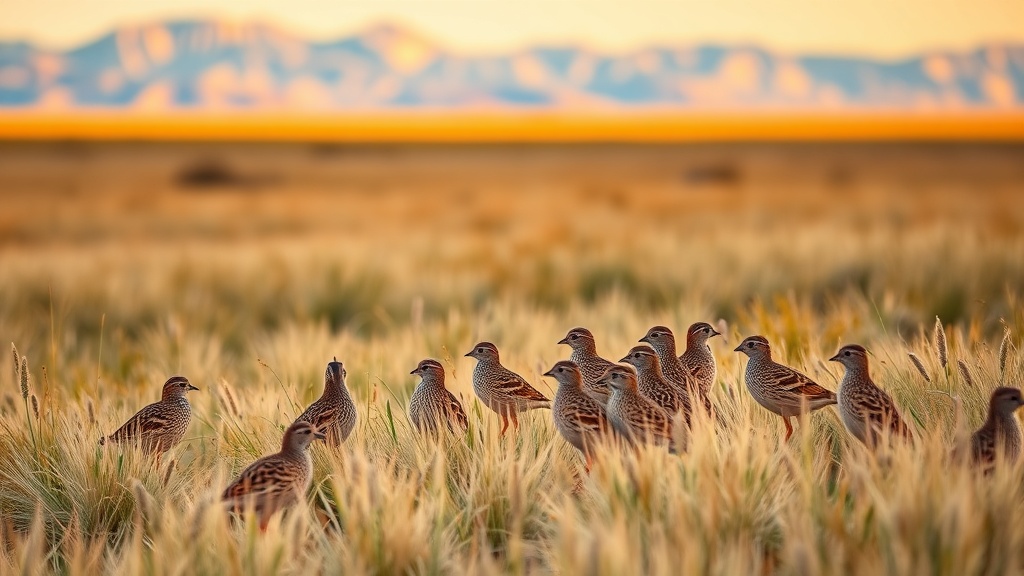
- Pheasant: The pheasant season typically opens in early October and runs through early January. Eastern Montana’s grain fields and shelterbelts hold the best pheasant populations.
- Grouse: Multiple grouse species are available, including ruffed grouse in western forests, sharp-tailed grouse on the eastern prairies, and sage grouse in sagebrush country. Grouse seasons generally open in early September and run through January.
- Hungarian Partridge: Huns are found in the grasslands and agricultural margins of central and eastern Montana. The season aligns closely with the pheasant season, typically opening in September and extending into January.
Upland bird hunting requires a general bird license and a conservation license. Some species, such as sage grouse, may have district-specific restrictions or closures based on population assessments.
Waterfowl Hunting Seasons
Montana lies within both the Central and Pacific flyways, providing solid waterfowl hunting for ducks, geese, and other migratory birds.
| Season Type | Opens | Closes | Notes |
|---|---|---|---|
| General | October 4, 2025 | January 11, 2026 | Follows USFWS federal frameworks. Pacific and Central Flyway zones. Dates vary by zone. |
- Ducks: The duck season typically opens in early October and runs through early January, with specific dates set within the federal framework.
- Geese: Canada goose seasons often open earlier, sometimes in late September, and may extend into January or February depending on the species and zone.
Waterfowl hunters must carry a valid Montana conservation license, a state waterfowl stamp, a federal duck stamp, and complete HIP (Harvest Information Program) registration.
Wolf Hunting Season
Montana offers a limited wolf hunting season, with harvest quotas set by FWP based on population management objectives. The season typically opens in the fall and may extend into winter. Wolf tags are available through a license purchase rather than a draw, but hunters must adhere to strict district-level quotas that can close individual areas once harvest limits are reached.
Planning Your Montana Hunt
- Read the Regulations: Always start with the current FWP regulations for your target species. See our Montana hunting regulations guide for an overview.
- Apply Early: Draw applications for limited permits typically open in the spring. Research draw odds and plan your application strategy well in advance.
- Scout Your District: Montana’s hunting districts vary enormously in terrain, access, and game density. Invest time in studying maps, harvest statistics, and access points.
- Secure Access: Montana offers outstanding public land access, including through its Block Management Program. See our Montana land access guide for details.
- Prepare Physically: Many Montana hunts involve rugged terrain, high elevation, and significant hiking distances. Arrive in good physical condition.
Final Checklist
- Confirm current season dates and district rules on the FWP website.
- Verify license, tag, and stamp requirements for each species.
- Submit draw applications before deadlines.
- Save maps and district boundaries for offline use.
- Review safety and access rules before you leave.
Check the Montana Fish, Wildlife & Parks website (fwp.mt.gov/hunt) for the most current regulations, season dates, and license information before planning your hunt 1.
Last verified: February 13, 2026 — Official sourceMore Montana Hunting Resources
Montana Fish, Wildlife & Parks. (n.d.). Hunting. Retrieved from https://fwp.mt.gov/hunt ↩︎ ↩︎
Explore Related Topics:
- Hunting Seasons by State: Your Essential Guide to US Game Regulations
- Alabama Hunting Season: Your Essential Guide to Dates and Regulations
- Arkansas Hunting Season: Your Essential Guide to Dates and Regulations
- Georgia Hunting Season: Your Essential Guide to Dates and Regulations
- Idaho Hunting Season: Your Essential Guide to Dates and Regulations
Notice an update we should make?
We strive for accuracy. Contact us here if you see incorrect or outdated info on this page.