Minnesota is one of the premier hunting states in the Upper Midwest, offering everything from whitetail deer and wild turkey to black bear, waterfowl, and even limited opportunities for moose and elk. The Minnesota Department of Natural Resources (DNR) manages all hunting seasons, and the state’s mix of northern boreal forests, central hardwoods, and western prairie farmland supports an impressive range of species. This guide covers the primary hunting seasons every Minnesota hunter needs to know.
White-Tailed Deer Hunting Season
Deer hunting is the most popular hunting activity in Minnesota, drawing hundreds of thousands of hunters each fall. The state is divided into more than 100 deer permit areas (DPAs), and regulations vary significantly by area.
| Season Type | Opens | Closes | Notes |
|---|---|---|---|
| Archery | September 13, 2025 | December 31, 2025 | Archery season. Bows and crossbows permitted statewide. Runs before and after firearms season. |
| General Firearm | November 8, 2025 | November 23, 2025 | Firearms deer season. Most popular deer season in Minnesota. All legal firearms permitted. |
| Muzzleloader | November 29, 2025 | December 14, 2025 | Muzzleloader season. Muzzleloading firearms only. |
| Youth | October 16, 2025 | October 19, 2025 | Youth deer season. Hunters 10-17 years old with licensed adult mentor. Firearms or archery. |
| Early Antlerless | October 16, 2025 | October 19, 2025 | Early antlerless season in designated permit areas with high deer populations. |
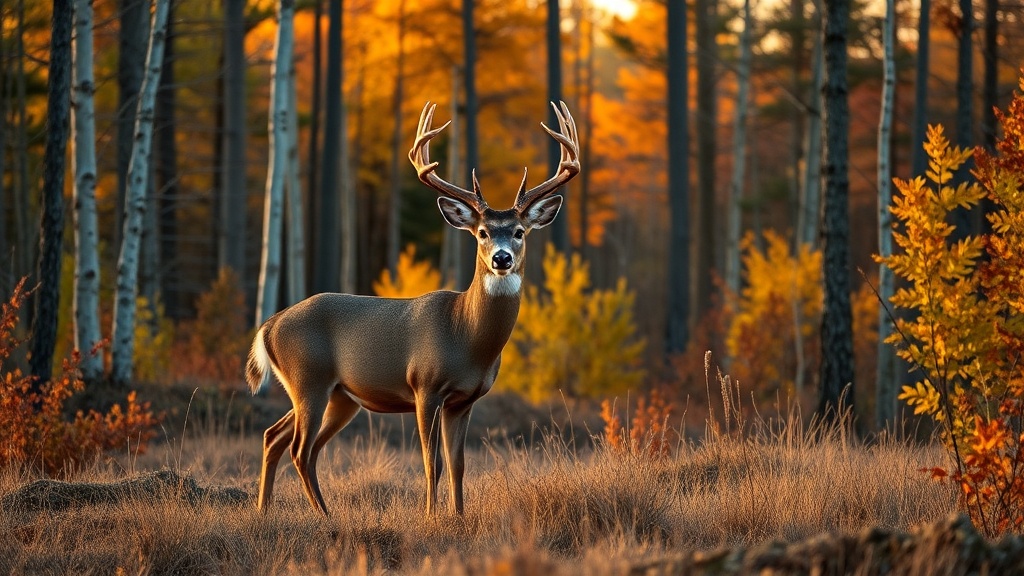 Archery Season:
Minnesota’s archery deer season opens in mid-September and runs through the end of December, with a pause during the firearms season. Compound bows, recurve bows, longbows, and crossbows are all legal during the archery season. This extended window gives bowhunters months of opportunity across a wide range of habitat types. Crossbows became legal for all hunters during archery season following a recent regulatory change, making this season more accessible than ever1.
Archery Season:
Minnesota’s archery deer season opens in mid-September and runs through the end of December, with a pause during the firearms season. Compound bows, recurve bows, longbows, and crossbows are all legal during the archery season. This extended window gives bowhunters months of opportunity across a wide range of habitat types. Crossbows became legal for all hunters during archery season following a recent regulatory change, making this season more accessible than ever1.
Firearms Season: The firearms deer season typically runs for nine days in early-to-mid November, closely mirroring the timing of Wisconsin’s gun deer season. Dates vary slightly by year but generally open on the first Saturday after the first Monday in November. This is the most heavily participated season and coincides with peak rut activity in much of the state. Rifles, shotguns with slugs, and handguns meeting minimum caliber requirements are legal during this season.
Muzzleloader Season: The muzzleloader season follows the firearms season, usually running from late November through mid-December. This season offers a quieter alternative to the firearms opener and is available in most DPAs. Muzzleloaders must meet minimum caliber requirements set by the DNR.
Youth Deer Hunt: Minnesota offers a special youth deer hunting weekend in late October, typically two weeks before the firearms opener. Youth hunters aged 10-17 may participate when accompanied by a licensed adult. This mentored opportunity helps introduce young hunters to the tradition.
Antlerless Permits: In many DPAs, antlerless deer permits are available through a lottery system. The number of permits varies by area based on population surveys and management goals. Some areas offer unlimited antlerless permits, while others are highly restricted. Hunters should apply early, as deadlines typically fall in late summer1.
Wild Turkey Hunting Season
Minnesota has a thriving wild turkey population, and the state offers both spring and fall seasons.
| Season Type | Opens | Closes | Notes |
|---|---|---|---|
| Spring | April 16, 2026 | May 31, 2026 | Spring turkey with multiple time periods (A through F). Bearded turkeys only. Shotgun and archery. |
| Spring Youth | April 9, 2026 | April 12, 2026 | Youth spring turkey season. Hunters 10-17 with licensed adult. |
| Fall | October 11, 2025 | November 8, 2025 | Fall turkey season. Either sex. Designated permit areas only. |
Spring Turkey Season: The spring season is the premier turkey hunting opportunity in Minnesota. It is divided into multiple time periods, typically labeled A through F, running from mid-April through late May. Hunters must apply through a lottery system for a specific time period and permit area. Spring turkey hunting is restricted to bearded turkeys, and shotguns, archery equipment, and crossbows are legal methods. The spring lottery is competitive in popular areas, but leftover permits are often available for later periods.
Fall Turkey Season: The fall season usually runs from mid-September through November. Fall turkey permits are typically easier to obtain and are available over the counter in many areas. Either sex may be harvested during the fall season. Both firearms and archery are permitted1.
Waterfowl Hunting Season
Minnesota sits squarely in the Mississippi Flyway, making it one of the top waterfowl hunting states in the country. The state’s 10,000-plus lakes, extensive wetlands, and agricultural fields create world-class habitat for ducks and geese.
| Season Type | Opens | Closes | Notes |
|---|---|---|---|
| Early Teal | September 1, 2025 | September 14, 2025 | Early teal-only season. Teal only. |
| North Zone | September 20, 2025 | November 25, 2025 | Duck season north zone. Follows federal frameworks. May include split seasons. |
| South Zone | October 4, 2025 | December 16, 2025 | Duck season south zone. Follows federal frameworks. May include split seasons. |
Early Teal Season: A special early teal season opens in September, typically lasting nine days. Only teal species may be harvested during this season, and it provides an early-season opportunity before the main migration peaks.
Regular Duck Season: The regular duck season is split into segments and generally runs from late September through late November. Minnesota is divided into duck zones (North and South), with slightly different opening and closing dates. Daily bag limits follow federal frameworks and include species-specific restrictions for certain ducks like canvasbacks, pintails, and hen mallards.
Goose Seasons: Canada goose hunting is divided into multiple seasons and zones. An early season for resident geese typically opens in September before the regular waterfowl season. The regular goose season runs concurrently with or slightly beyond the duck season. Special late-season goose hunts may extend into December in some zones. Snow goose conservation order seasons provide additional opportunities in spring.
Youth Waterfowl Hunt: A special youth waterfowl hunting weekend occurs in September, giving young hunters an early chance at ducks and geese before the regular season opens.
Waterfowl hunters must carry a Minnesota small game license, Minnesota waterfowl stamp, federal duck stamp, and complete HIP (Harvest Information Program) registration1.
Small Game Hunting Season
Minnesota offers outstanding small game hunting, particularly for upland birds.
| Season Type | Opens | Closes | Notes |
|---|---|---|---|
| General | October 11, 2025 | January 1, 2026 | Pheasant season. Roosters only. Shotgun only. Best hunting in southwestern Minnesota. |
| Youth | October 4, 2025 | October 5, 2025 | Youth pheasant season. Hunters 17 and younger with licensed adult. |
| Season Type | Opens | Closes | Notes |
|---|---|---|---|
| General | September 13, 2025 | January 1, 2026 | Ruffed grouse season. Northern Minnesota has the best grouse habitat. Shotgun and rimfire rifle. |
| Season Type | Opens | Closes | Notes |
|---|---|---|---|
| General | September 1, 2025 | November 29, 2025 | Mourning dove season. Shotgun only. |
 Pheasant:
The pheasant season typically opens in mid-October and runs through early January. <strong>Daily limit:</strong> 2 | <strong>Possession limit:</strong> 6 The daily bag limit is two roosters, with a possession limit of six. Southwestern and west-central Minnesota are the primary pheasant regions, with productive habitat on private farmland and public Wildlife Management Areas (WMAs).
Pheasant:
The pheasant season typically opens in mid-October and runs through early January. <strong>Daily limit:</strong> 2 | <strong>Possession limit:</strong> 6 The daily bag limit is two roosters, with a possession limit of six. Southwestern and west-central Minnesota are the primary pheasant regions, with productive habitat on private farmland and public Wildlife Management Areas (WMAs).
Ruffed Grouse: Minnesota is widely considered the top ruffed grouse state in the country. The season opens in mid-September and extends through late January, offering one of the longest grouse seasons available. <strong>Daily limit:</strong> 5 | <strong>Possession limit:</strong> 10 The daily bag limit is five grouse, with a possession limit of ten. Northern Minnesota’s aspen forests are the epicenter of grouse hunting, and the DNR maintains a network of designated grouse management areas.
Rabbit and Squirrel: Cottontail rabbit season runs from mid-September through the end of February. Squirrel season typically opens in mid-September and closes at the end of February as well. Both species offer accessible, low-pressure hunting opportunities across much of the state.
Predators and Furbearers: Coyote hunting is open year-round with no bag limit. Fox seasons open in the fall and run through winter. Bobcat hunting is available through a limited lottery in northern Minnesota. Trapping seasons for various furbearers run from late October through spring, depending on species1.
Black Bear Hunting Season
Black bear hunting in Minnesota is managed through a lottery permit system. The state is divided into multiple bear management zones, with permit quotas set for each zone.
| Season Type | Opens | Closes | Notes |
|---|---|---|---|
| General | September 1, 2025 | October 19, 2025 | Bear season by permit only. Zone-based quota system. Bait and hounds permitted in designated areas. |
Season Dates: The bear season generally runs . Baiting is a common and legal method, and hunters may begin placing bait stations well before the season opener. Hunting over bait, with dogs, and by spot-and-stalk are all permitted methods.
Lottery and Wait Times: Bear permits are allocated through a preference point drawing. Wait times vary dramatically by zone. Some zones in northeastern Minnesota may require five or more years of preference points to draw a tag, while zones in the northwest may have shorter wait times. Unsuccessful applicants accumulate one preference point per year.
Registration: All harvested bears must be registered through the DNR. Hunters should plan bear hunts well in advance due to the multi-year wait for popular zones2.
Moose Hunting Season
Minnesota offers an extremely limited moose hunting season in the northeastern part of the state. This is one of the most difficult tags to draw in North America.
Season Dates: The moose season typically runs for one to two weeks in October when a season is held. The season is restricted to specific management areas in the Arrowhead region of northeastern Minnesota.
Lottery: Moose permits are distributed through a once-in-a-lifetime lottery. The number of permits issued varies by year based on population surveys and can be as few as a handful. Applicants may wait decades for a tag, and some years the season is not held at all if population numbers do not support a harvest. Moose population trends are closely monitored due to concerns about declining numbers related to parasites, habitat change, and warming temperatures2.
Elk Hunting Season
Minnesota is one of the few states east of the Rocky Mountains with an elk hunting season, though it is extremely limited.
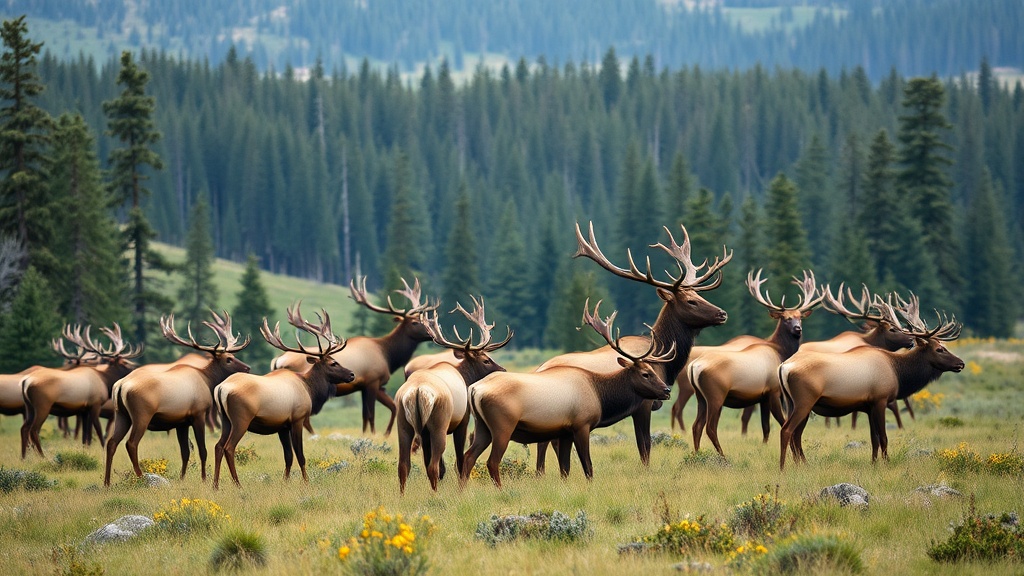 Season Dates:
When a season is held, it typically takes place in late fall. The elk herd is concentrated in the northwestern corner of the state, primarily in the Kittson and Marshall county areas.
Season Dates:
When a season is held, it typically takes place in late fall. The elk herd is concentrated in the northwestern corner of the state, primarily in the Kittson and Marshall county areas.
Lottery: Elk permits are issued through a once-in-a-lifetime lottery. Only a small number of tags are available each year, and odds of drawing are very low. The DNR manages the herd carefully to balance population goals with agricultural impacts2.
Licensing Overview
| License/Permit | Residency | Fee | Includes |
|---|---|---|---|
| Resident Firearms Deer License | Resident | $34.00 | deer hunting |
| Resident Archery Deer License | Resident | $34.00 | archery deer hunting |
| Resident Small Game License | Resident | $16.00 | small game hunting |
| Non-Resident Deer License | Nonresident | $162.00 | deer hunting |
| Non-Resident Archery Deer License | Nonresident | $162.00 | archery deer hunting |
| Non-Resident Small Game License | Nonresident | $91.00 | small game hunting |
| Resident Bear License | Resident | $44.00 | bear hunting |
| Non-Resident Bear License | Nonresident | $230.00 | bear hunting |
| Resident Turkey License | Resident | $26.00 | turkey hunting |
| Non-Resident Turkey License | Nonresident | $91.00 | turkey hunting |
| Youth Small Game License | Resident | $5.50 | small game hunting |
| Youth Deer License | Resident | $5.50 | deer hunting |
| Minnesota Waterfowl Stamp | All | $7.50 | waterfowl hunting |
| Pheasant Stamp | All | $7.50 | pheasant hunting |
| Federal Duck Stamp | All | $25.00 | waterfowl hunting |
Minnesota requires all hunters to purchase the appropriate licenses, stamps, and permits for their target species. Licenses are available through the DNR’s online Electronic Licensing System. Key license types include the small game license, firearms deer license, archery deer license, turkey license, bear license, and waterfowl stamp. Non-resident fees are significantly higher than resident fees. Youth licenses are available at reduced rates.
For a detailed breakdown of all licensing requirements, legal methods, bag limits, and safety rules, see our Minnesota hunting regulations guide.
Planning Your Minnesota Hunt
Minnesota’s hunting seasons span from September through February, offering nearly half the year of active hunting opportunities. With the state’s diverse landscape, from the boreal forests of the north to the prairie pothole region of the west and the river bluffs of the southeast, there is excellent habitat for virtually every game species.
Key planning steps include:
- Check current dates: Season dates shift slightly each year. Always verify through the Minnesota DNR website.
- Apply early: Lottery applications for bear, moose, elk, spring turkey, and antlerless deer permits have firm deadlines, often months before the season.
- Know your area: Minnesota’s DPA system means deer regulations can vary from one area to the next. Study the zone maps.
- Plan for weather: Minnesota’s hunting seasons span fall and winter. Temperatures can drop well below zero during late-season hunts. Prepare accordingly.
Final Checklist
- Confirm current season dates on the Minnesota DNR website.
- Submit lottery applications for bear, moose, elk, spring turkey, and antlerless deer permits well before deadlines.
- Purchase the correct licenses, stamps, and tags for your target species.
- Study the deer permit area map and know the specific rules for the DPA you plan to hunt.
- Review CWD zone regulations if hunting in southeastern Minnesota.
- Pack blaze orange, safety gear, and cold-weather clothing appropriate for the season.
More Minnesota Hunting Resources
- How to get a Minnesota hunting license
- Public and private land access in Minnesota
- Hunting locations in Minnesota
Minnesota Department of Natural Resources. Hunting. https://www.dnr.state.mn.us/hunting/index.html ↩︎ ↩︎ ↩︎ ↩︎ ↩︎
Minnesota Department of Natural Resources. Big Game Hunting. https://www.dnr.state.mn.us/hunting/index.html ↩︎ ↩︎ ↩︎
Explore Related Topics:
- Hunting Seasons by State: Your Essential Guide to US Game Regulations
- Alabama Hunting Season: Your Essential Guide to Dates and Regulations
- Arkansas Hunting Season: Your Essential Guide to Dates and Regulations
- Georgia Hunting Season: Your Essential Guide to Dates and Regulations
- Idaho Hunting Season: Your Essential Guide to Dates and Regulations
Notice an update we should make?
We strive for accuracy. Contact us here if you see incorrect or outdated info on this page.