Kansas is one of the most versatile hunting destinations in the Great Plains. The state produces trophy-class whitetail deer, world-renowned pheasant hunting, robust turkey populations, and one of the few remaining pronghorn antelope opportunities east of the Rockies. Whether you are chasing a 170-class buck along the Kansas River bottoms or walking endless rows of milo behind a flushing dog, understanding the season structure is essential for a successful hunt. This guide covers every major season administered by the Kansas Department of Wildlife and Parks (KDWP). Always verify exact dates and unit-specific rules on the official KDWP website before heading afield. 1
White-tailed Deer Season
Kansas is famous for producing giant whitetail deer. The combination of rich agricultural land, moderate hunting pressure, and strict harvest regulations creates outstanding trophy potential. The state manages deer hunting through multiple season types, each with distinct dates and legal methods.
| Season Type | Opens | Closes | Notes |
|---|---|---|---|
| Archery | September 15, 2025 | December 31, 2025 | Archery season. Bows, crossbows (for eligible hunters), and handguns permitted. Either sex. |
| Early Muzzleloader | September 15, 2025 | September 28, 2025 | Early muzzleloader season. Muzzleloading rifles only. Either sex. |
| General Rifle | December 3, 2025 | December 14, 2025 | Firearms season. Centerfire rifles, shotguns, muzzleloaders, and handguns permitted. |
| Extended Archery Urban | January 12, 2026 | January 31, 2026 | Extended archery season in designated urban deer management units. |
| Youth | September 6, 2025 | September 7, 2025 | Youth deer season. Hunters 16 and younger with licensed adult mentor. |
Archery Season
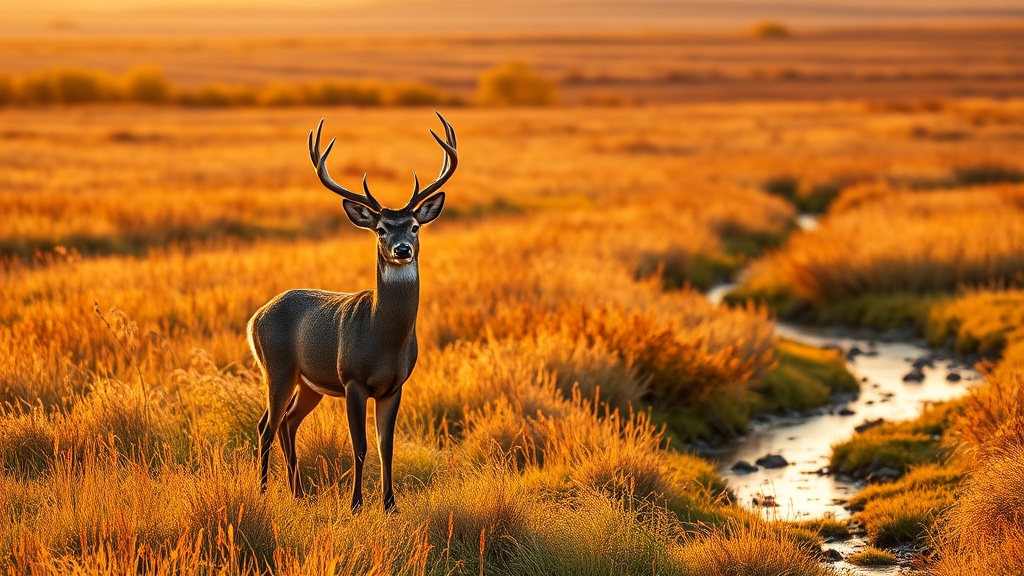
The archery season is the longest deer season in Kansas. It runs September 15, 2025 through December 31, 2025, though it is closed during the firearms season window. Both compound bows and crossbows are legal during archery season. Archery hunters enjoy relatively low pressure and the chance to hunt during the October lull and the peak of the November rut. Many of the state’s largest bucks are taken by bowhunters sitting over travel corridors between bedding and feeding areas in the river bottoms of eastern Kansas.
Muzzleloader Season
Kansas offers two muzzleloader segments. The early segment typically runs for about a week in mid-September, overlapping with the opening of archery season. The late segment occurs in December, after the close of the regular firearms season. Muzzleloader hunters must use a muzzle-loading rifle or pistol firing a single projectile. Both segments provide quality hunting with lower hunter density than the firearms season.
Firearms Season
The firearms deer season in Kansas is short and highly anticipated. It runs December 3, 2025 through December 14, 2025. This timing coincides with the tail end of the whitetail rut, which can produce exceptional hunting. Centerfire rifles, shotguns, handguns, and muzzleloaders are all legal during this period. Kansas units are divided into management units, and tag availability varies. Non-resident firearm deer permits are limited in number and require advance application, which is one reason Kansas consistently produces some of the biggest bucks in the country – the limited non-resident pressure helps older age-class bucks survive.
Extended Archery and Firearm Seasons
Some urban deer management units in and around cities like Wichita, Topeka, and Kansas City offer extended or special seasons designed to reduce deer populations in suburban areas. These hunts may use archery or specific firearm types and have separate regulations. Check KDWP for unit-specific details.
Mule Deer Season
| Season Type | Opens | Closes | Notes |
|---|---|---|---|
| Archery | September 15, 2025 | December 31, 2025 | Mule deer archery season. Restricted to western Kansas units with mule deer permit. |
| General Rifle | December 3, 2025 | December 14, 2025 | Mule deer firearms season. Western Kansas units only. Permit required. |
Mule deer occupy the western third of Kansas, primarily in the short-grass prairie and breaks country. Mule deer tags are available through the general deer application. The archery, muzzleloader, and firearms seasons follow the same general dates as white-tailed deer. However, mule deer harvest is more tightly regulated. In many western units, only one mule deer buck may be taken, and some units have limited permits. Hunters planning a mule deer hunt in Kansas should scout the breaks and river drainages of the Smoky Hill and Cimarron drainages in western Kansas.
Turkey Season
Kansas has a strong turkey population, with both Rio Grande and Eastern subspecies present. The state offers spring and fall seasons.
| Season Type | Opens | Closes | Notes |
|---|---|---|---|
| Spring | April 1, 2026 | May 31, 2026 | Spring turkey season. Bearded turkeys only. Shotgun, archery, and crossbow permitted. |
| Spring Youth | March 28, 2026 | March 30, 2026 | Youth spring turkey season. Hunters 16 and younger. |
| Fall | October 1, 2025 | November 30, 2025 | Fall turkey season. Either sex. Archery and firearms. |
Spring Turkey Season
The spring season is the primary turkey hunting opportunity. It runs April 1, 2026 through May 31, 2026. Youth hunters typically get an early start with a weekend hunt before the general opener. Kansas allows one bearded turkey per permit in spring, and hunters can purchase up to two spring turkey permits. Calling birds during the spring breeding season is one of the most exciting hunts in the state. The Flint Hills, river corridors, and eastern hardwood stands hold excellent populations.
Fall Turkey Season
The fall season is archery-only and typically runs from October through the end of November. Either sex may be taken during the fall archery season. Fall turkey hunting is less popular but offers a unique challenge as birds flock together after the breeding season.
Pronghorn Antelope Season
| Season Type | Opens | Closes | Notes |
|---|---|---|---|
| Archery | September 20, 2025 | October 31, 2025 | Pronghorn archery season in western Kansas. Limited permits by unit. |
| General Rifle | October 4, 2025 | October 6, 2025 | Pronghorn firearms season. Very limited permits allocated by unit lottery. |
| Muzzleloader | September 29, 2025 | October 3, 2025 | Pronghorn muzzleloader season. Limited permits. |
Kansas is one of the few states east of the Rockies with a pronghorn antelope season. Herds are concentrated in the western counties, particularly in the short-grass prairie around Wallace, Logan, Gove, and Sheridan counties.
Firearms Pronghorn Season
The firearms pronghorn season usually occurs in early October and runs for about nine days. Permits are limited and allocated by unit through a draw system. Preference points are available for unsuccessful applicants. Demand consistently exceeds supply, making this a coveted tag.
Archery Pronghorn Season
The archery pronghorn season typically opens in mid-September and extends through the end of October. Archery tags are also limited and require a draw application. Spot-and-stalk and waterhole ambush tactics are both effective in the wide-open western Kansas landscape.
Muzzleloader Pronghorn Season
A muzzleloader pronghorn season usually follows the firearms season, running for about a week in October. Like the other pronghorn permits, muzzleloader tags are draw-only.
Pheasant Season
| Season Type | Opens | Closes | Notes |
|---|---|---|---|
| General | November 8, 2025 | January 31, 2026 | Pheasant season. Roosters only. Kansas is a top pheasant destination, especially western KS. |
| Youth | November 1, 2025 | November 2, 2025 | Youth-only pheasant season. Hunters 16 and younger. |
Kansas is consistently ranked among the top pheasant hunting states in the nation. The western two-thirds of the state, from the Smoky Hills to the Colorado border, hold the densest populations of ring-necked pheasants in the Central Flyway.
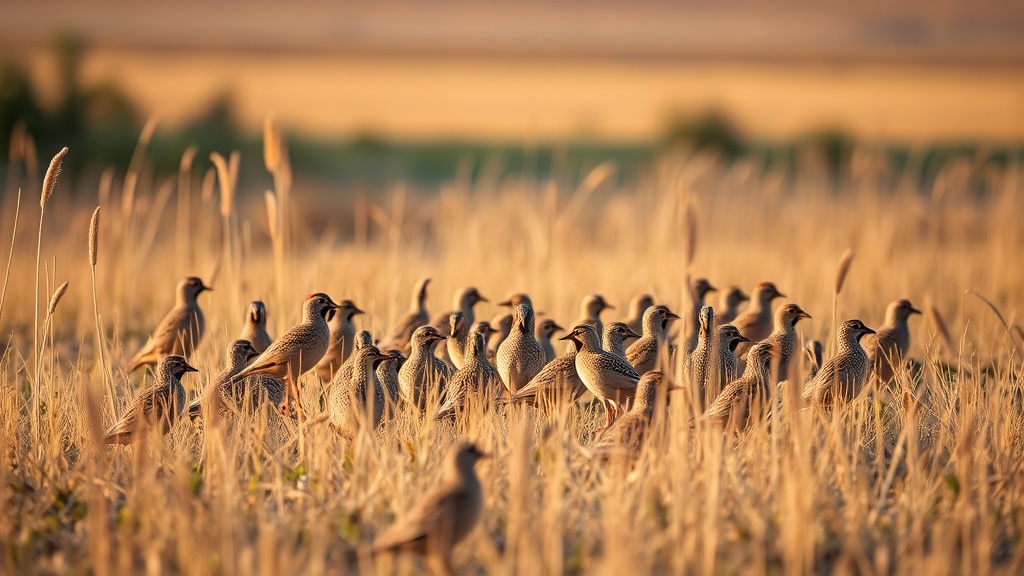 The pheasant season typically opens in the second Saturday of November and runs through the end of January. The daily bag limit is usually four roosters, with a possession limit of sixteen. Only roosters may be harvested. Hens are protected.
Kansas pheasant hunting is driven by the state’s vast CRP grasslands, milo stubble, and native grass habitat. The Walk-In Hunting Access (WIHA) program opens over one million acres of private land to public hunting, and a significant portion of that acreage is prime upland bird habitat. Non-resident pheasant hunters make up a significant portion of the hunting pressure each November, and many outfitters and lodges cater specifically to pheasant hunters in western Kansas towns like Colby, Hays, and Garden City.
Quail Season
| Season Type | Opens | Closes | Notes |
|---|---|---|---|
| General | November 8, 2025 | January 31, 2026 | Bobwhite quail. Shotgun only. Good quail habitat in central and western Kansas. |
Bobwhite quail thrive in the eastern and central portions of Kansas, particularly in the Flint Hills and the transition zone between tallgrass prairie and cropland. The quail season typically mirrors the pheasant season, opening in the second Saturday of November and running through the end of January. The daily bag limit is usually eight birds, with a possession limit of thirty-two. Kansas quail hunting is a walk-up affair through native grass, hedge rows, and plum thickets, often combined with pheasant hunting in areas where ranges overlap.
Prairie Chicken Season
Kansas holds one of the largest remaining populations of Greater Prairie Chickens in North America. The Flint Hills tallgrass prairie is the stronghold for this iconic species.
Greater Prairie Chicken
The prairie chicken season typically opens in mid-September with an early segment and then reopens in November, running through January. Bag limits are conservative, usually two birds per day during the early segment and three per day during the regular segment. Hunters need a valid small game license and should be prepared for long walks through rolling tallgrass prairie.
Lesser Prairie Chicken
The Lesser Prairie Chicken is found in limited numbers in southwestern Kansas. Hunting may be restricted or closed depending on population status. Always check current KDWP regulations for lesser prairie chicken status before planning a hunt, as conservation concerns have led to season closures in some years.
Waterfowl Season
| Season Type | Opens | Closes | Notes |
|---|---|---|---|
| Early Teal | September 6, 2025 | September 21, 2025 | Early teal-only season. Blue-winged and green-winged teal. |
| General | October 11, 2025 | January 4, 2026 | Duck season. Follows federal frameworks. Dates vary by zone (High Plains, Low Plains, SE). |
Kansas sits in the Central Flyway and attracts large numbers of ducks and geese each fall and winter. The state’s many reservoirs, river systems, managed wetlands, and agricultural fields provide excellent habitat.
Early Teal Season
An early teal-only season typically runs for about nine days in September. This fast-paced hunt targets blue-winged and green-winged teal migrating through Kansas on their way south. Shallow marshes and flooded agricultural fields are primary hunting areas.
Regular Duck Season
The regular duck season is split into two or three segments, generally running from mid-October through mid-January. Exact dates and zones vary. The daily bag limit follows federal frameworks, usually six ducks per day with species-specific restrictions. Popular areas include Cheyenne Bottoms Wildlife Area, Quivira National Wildlife Refuge, and numerous state and federal reservoirs.
Goose Season
Kansas has separate seasons for dark geese (Canada and white-fronted geese) and light geese (snow and Ross’s geese). The regular goose season generally opens in late October and runs through mid-February. A Light Goose Conservation Order extends the season into spring, allowing hunters to help control overabundant snow goose populations with liberal bag limits and expanded methods including electronic calls.
Dove Season
| Season Type | Opens | Closes | Notes |
|---|---|---|---|
| General | September 1, 2025 | November 29, 2025 | Mourning and white-winged dove. Shotgun only. Season may have multiple segments. |
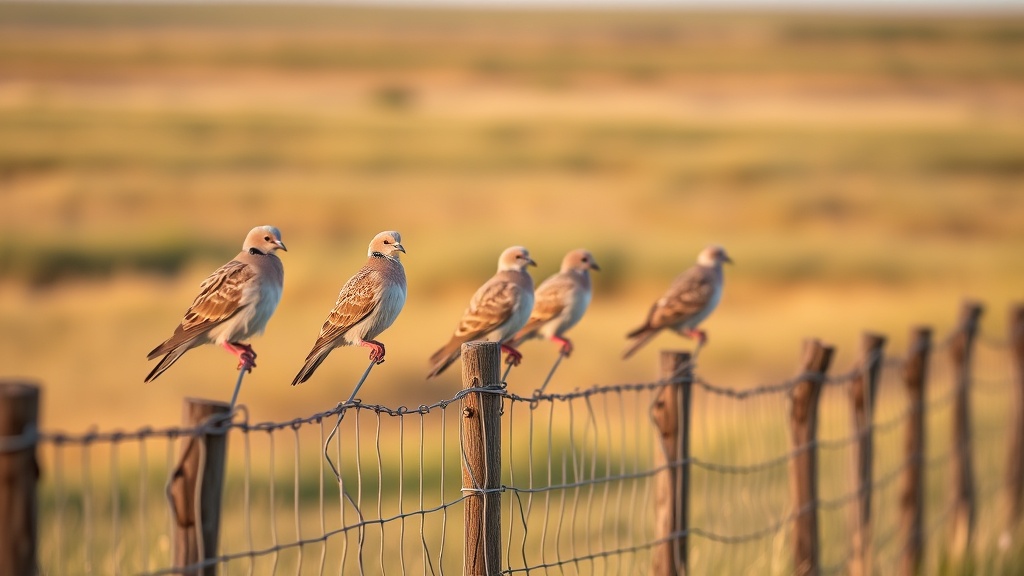
Mourning dove hunting is a popular early-season tradition in Kansas. The season typically opens on September 1 and runs through early November, with a second segment in December. The daily bag limit is usually fifteen birds. Sunflower fields, grain stubble, and water holes are prime locations. Dove hunting provides an excellent opportunity to introduce new hunters to the sport before the big game seasons open.
Fur-bearer and Predator Seasons
Kansas offers seasons for a variety of fur-bearing animals and predators.
Coyote
Coyotes may be hunted year-round in Kansas with no bag limit. Calling and night hunting with artificial lights are both legal methods on private land. This makes Kansas a popular destination for predator hunters.
Bobcat, Raccoon, and Other Fur-bearers
Bobcat, raccoon, opossum, badger, mink, muskrat, and other fur-bearers have specific trapping and hunting seasons, generally running from mid-November through mid-February. Fur-bearer hunters and trappers must have the appropriate licenses and follow KDWP harvest reporting requirements.
Licensing Requirements
| License/Permit | Residency | Fee | Includes |
|---|---|---|---|
| Resident Hunting License | Resident | $27.50 | hunting |
| Non-Resident Hunting License | Nonresident | $97.50 | hunting |
| Resident Deer Permit | Resident | $42.50 | deer hunting |
| Non-Resident Deer Permit | Nonresident | $442.50 | deer hunting |
| Resident Turkey Permit | Resident | $27.50 | turkey hunting |
| Non-Resident Spring Turkey Permit | Nonresident | $67.50 | turkey hunting |
| Youth Hunting License | Resident | $7.50 | hunting |
| Non-Resident Youth Hunting License | Nonresident | $42.50 | hunting |
| Resident Pronghorn Permit | Resident | $42.50 | pronghorn hunting |
| Non-Resident Pronghorn Permit | Nonresident | $242.50 | pronghorn hunting |
| Kansas Waterfowl Stamp | All | $8.50 | waterfowl hunting |
| Federal Duck Stamp | All | $25.00 | waterfowl hunting |
All hunters in Kansas must have a valid hunting license. Resident licenses are available at lower cost than non-resident options. Kansas offers combination hunting and fishing licenses for added value. Big game permits for deer, turkey, and pronghorn are separate from the general hunting license and must be purchased individually. Non-resident deer firearm permits are limited in number and distributed through a draw, with a preference point system for unsuccessful applicants. Non-resident archery deer permits are typically available over the counter.
Youth hunters under 16 may hunt at reduced license fees. Landowners hunting on their own land may qualify for exemptions on certain permits. All migratory bird hunters need a federal Harvest Information Program (HIP) registration and a Kansas state waterfowl stamp.
Hunter Education
Kansas requires hunter education for all hunters born on or after July 1, 1957. Courses are available in classroom, online, and field-day formats. Completion of hunter education is required before purchasing a hunting license unless the hunter is accompanied by a licensed adult 18 or older. The certification is valid for life once completed.
Important Reminders
- Check regulations annually. Season dates, bag limits, and unit boundaries can change each year. The KDWP publishes updated regulations before each season.
- Understand unit structure. Kansas uses deer management units and waterfowl zones that affect season dates and tag availability. Confirm your hunt location falls within the correct unit.
- Plan for access. The WIHA program provides over one million acres of walk-in access on private land. Review WIHA maps before your trip.
- Review legal methods. Regulations on firearms, archery equipment, and electronic calls vary by season and species.
- Respect landowners. Most Kansas land is privately owned. Always secure permission before hunting on private property.
For complete regulations and current season dates, visit the Kansas hunting regulations page on our site and the official KDWP website.
Last verified: February 13, 2026 — Official sourceMore Kansas Hunting Resources
Kansas Department of Wildlife & Parks. (n.d.). Hunting. Retrieved from https://ksoutdoors.com/Hunting ↩︎
Explore Related Topics:
- Hunting Seasons by State: Your Essential Guide to US Game Regulations
- Alabama Hunting Season: Your Essential Guide to Dates and Regulations
- Arkansas Hunting Season: Your Essential Guide to Dates and Regulations
- Georgia Hunting Season: Your Essential Guide to Dates and Regulations
- Idaho Hunting Season: Your Essential Guide to Dates and Regulations
Notice an update we should make?
We strive for accuracy. Contact us here if you see incorrect or outdated info on this page.