Idaho is one of the most coveted hunting destinations in the American West. From trophy elk herds in the backcountry wilderness to world-class upland bird hunting in the desert canyons, the state offers something for virtually every hunter. The Idaho Department of Fish and Game (IDFG) manages all wildlife and hunting regulations across the state, dividing Idaho into Game Management Units (GMUs) and zones that determine specific season dates, tag availability, and bag limits.1
Understanding Idaho’s season structure is essential because the state uses a combination of general tags sold over the counter and controlled hunt permits allocated through a competitive draw. Some of the best units in the state are controlled-hunt-only, meaning you must apply and be selected before you can hunt there. This guide covers every major species and season type so you can plan your Idaho hunt with confidence. Always verify exact dates and rules on the official IDFG website before every hunt.
Elk Season
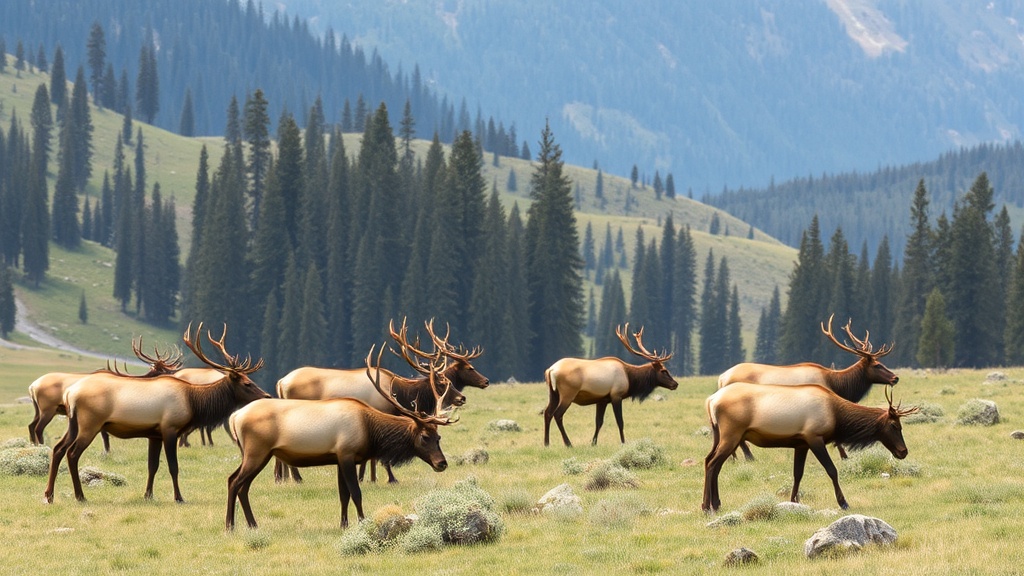
Elk hunting is the crown jewel of Idaho’s big game program. The state holds one of the largest elk populations in the country, with herds spread across dense timber, alpine basins, and river breaks from the Selway-Bitterroot Wilderness to the Sawtooth Range.
| Season Type | Opens | Closes | Notes |
|---|---|---|---|
| Archery | August 30, 2025 | September 30, 2025 | General archery elk tags available OTC for residents. Some zones are controlled-hunt only. |
| General Rifle | October 10, 2025 | November 18, 2025 | Specific dates vary by zone. Check zone boundaries carefully. |
| Muzzleloader | October 1, 2025 | October 9, 2025 | Available in select zones. Controlled hunt in most units. |
Archery Season
The archery elk season runs August 30, 2025 through September 30, 2025. Archery hunters enjoy a quieter landscape before rifle pressure begins, and early season bugling makes this one of the most exciting times to pursue bulls. General archery elk tags are available over the counter for residents, giving bowhunters strong opportunity without entering the draw. Non-residents should confirm tag availability, as some zones have controlled archery hunts.
General Rifle Season
The general rifle elk season runs October 10, 2025 through November 18, 2025, with specific dates varying by zone. Idaho divides its rifle elk seasons into zone-based openers, so some units begin in mid-October while others open later. General season tags are available for many units, but hunters should study zone boundaries carefully because season dates and antlered versus antlerless designations differ significantly between zones.
Controlled Hunts
Some of Idaho’s most productive elk units are managed exclusively through controlled hunts. Premium units in the Selway, Middle Fork, and Lochsa drainages are draw-only, and drawing a tag for these areas can take multiple years of preference point accumulation. Controlled hunts include archery, muzzleloader, and rifle options. IDFG publishes draw odds and harvest statistics that help hunters make informed application choices. Second-choice hunts allow applicants to list a backup unit, which can improve the chances of receiving a tag somewhere in the state.
Shoulder Seasons and Late Hunts
In some zones, IDFG offers extended or late-season elk hunts to manage populations, particularly where elk conflict with agriculture. These hunts often target antlerless animals and can extend into December or January. Check zone-specific proclamations for availability.
Deer Season
Idaho offers hunting for both whitetail deer and mule deer. Whitetail deer are most abundant in the northern panhandle and Clearwater regions, while mule deer are found throughout the central mountains, high desert, and southern rangelands.
Whitetail Deer
| Season Type | Opens | Closes | Notes |
|---|---|---|---|
| General Rifle | October 10, 2025 | November 25, 2025 | General tags OTC for residents in many units. Northern panhandle units are prime whitetail areas. |
| Archery | August 30, 2025 | September 30, 2025 | Overlaps with elk archery season. |
The general whitetail deer season runs October 10, 2025 through November 25, 2025, depending on the zone. General tags are available over the counter for residents in many units. Northern Idaho panhandle units are some of the best whitetail areas in the western United States, producing mature bucks in thick timber and agricultural edges.
Mule Deer
| Season Type | Opens | Closes | Notes |
|---|---|---|---|
| Archery | August 30, 2025 | September 30, 2025 | General archery available in some zones. Top trophy units are controlled-hunt only. |
| General Rifle | October 10, 2025 | November 4, 2025 | Many best units are controlled-hunt only. |
Mule deer hunting in Idaho is managed more conservatively. Many of the best mule deer units are controlled-hunt-only, requiring a successful draw application. General mule deer rifle tags are available in some zones, but the top trophy units are draw-only. Archery mule deer seasons overlap with elk archery and run August 30, 2025 through September 30, 2025. Mule deer hunters should expect to apply for controlled hunts if they want access to premium habitat.
Deer Bag Limits
<strong>Season limit:</strong> 1Bag limits vary by zone and tag type. In most general units, hunters may harvest one deer per tag. Some zones allow a combination of general and controlled tags, which can expand opportunity. Always check the specific zone regulations for antler point restrictions and either-sex designations.
Moose Season
Moose in Idaho are managed entirely through controlled hunts. Tags are extremely limited and highly coveted. Moose habitat is concentrated in the northeastern part of the state, the Clearwater region, and scattered mountain valleys throughout central Idaho. Drawing a moose tag can take many years of point accumulation. Seasons run August 30, 2025 through November 30, 2025, depending on the weapon type and unit. Hunters who draw a moose tag should plan thoroughly, as these hunts are often once-in-a-lifetime experiences.
Mountain Goat Season
Mountain goat hunting in Idaho is controlled-hunt-only. Tags are issued in very small numbers for specific high-elevation units in the Sawtooth, White Cloud, Bitterroot, and Salmon River mountain ranges. Mountain goat hunts typically run from late August through November. Drawing odds are extremely low, and successful applicants should prepare for physically demanding terrain above timberline.
Bighorn Sheep Season
Idaho offers both Rocky Mountain bighorn sheep and California bighorn sheep hunts. All bighorn sheep tags are awarded through controlled hunts, and Idaho enforces a once-in-a-lifetime rule for each subspecies. This means that once you draw a Rocky Mountain bighorn tag, you may never apply for one again, though you could still apply for a California bighorn tag and vice versa. Seasons typically run from late August through October. Idaho’s bighorn herds are concentrated in the Salmon River corridor, Hells Canyon, and the upper Selway drainage.
Bear Season
Black bear hunting in Idaho is popular and accessible. The state offers two distinct bear seasons, providing extended opportunity throughout the year.
Spring Bear Season
The spring bear season runs April 15, 2026 through June 30, 2026, with exact dates varying by zone. Spring hunts coincide with bears emerging from hibernation and offer a unique hunting experience in Idaho’s backcountry. Hound hunting is legal during designated spring seasons, making Idaho one of the top hound-hunting destinations in the West.
Fall Bear Season
The fall bear season runs September 15, 2025 through November 15, 2025, often overlapping with deer and elk rifle seasons. Many hunters pursue bears opportunistically while on deer or elk hunts. General bear tags are available over the counter, and bag limits in most zones allow one black bear per calendar year. Baiting for bear is legal in Idaho during designated seasons and in approved areas, which is another distinction that sets Idaho apart from many other western states.
Mountain Lion Season
Mountain lion hunting in Idaho runs year-round in some units and has specific seasonal windows in others. IDFG manages lion populations through unit-based harvest limits, and seasons close in individual units once the quota is reached. Hound hunting is the most common and effective method for pursuing mountain lions in Idaho’s rugged terrain. General lion tags are available over the counter. Hunters must check unit-specific quota status before heading out because seasons can close with little notice.
Wolf Season
Wolf hunting in Idaho runs August 30, 2025 through March 31, 2026, managed by zone with seasons that vary based on population management objectives. Tag prices and bag limits have changed frequently in recent years as Idaho has adjusted its wolf management approach. Hunters should check the current proclamation for exact zone dates, bag limits, and any special regulations. Wolf hunting can be combined with other big game hunts for added opportunity.
Turkey Season
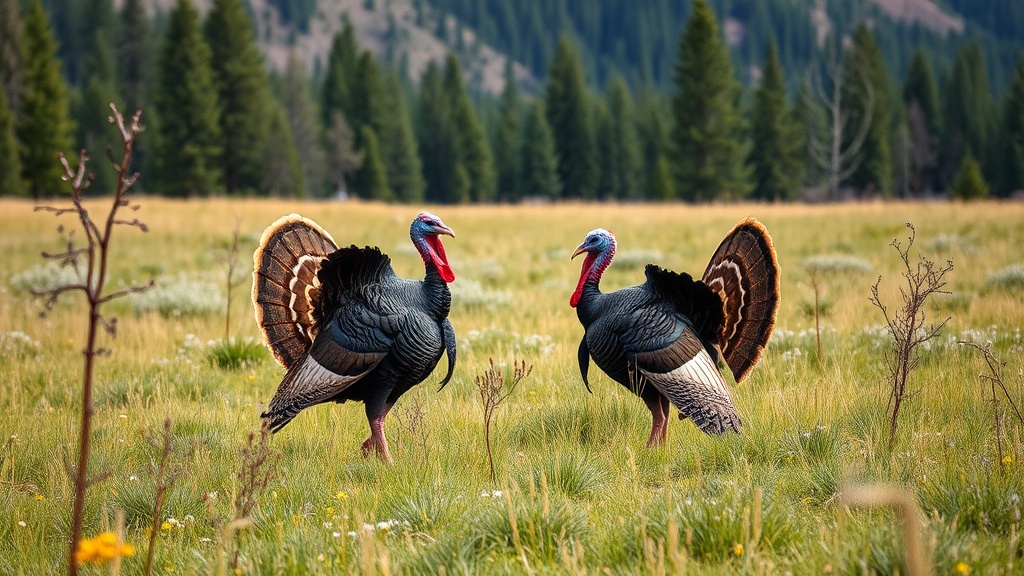
Turkey hunting in Idaho includes both spring and fall seasons. Spring gobbler season typically opens in mid-April and runs through May, offering excellent opportunity across southern and central Idaho. Merriam’s turkeys are the primary subspecies, found along river corridors, in ponderosa pine forests, and on ranch lands. Some zones also hold Rio Grande turkeys. Fall turkey seasons generally run from late August through December, with both general and controlled hunt options depending on the zone. Bag limits vary by season and zone.
Upland Bird Season
Idaho offers outstanding upland bird hunting across a variety of habitats and species.
Pheasant
Ring-necked pheasant season typically runs from mid-October through December. The best pheasant habitat is in agricultural areas of the Magic Valley, Treasure Valley near Boise, and along the Snake River corridor. IDFG also stocks pheasants at several Wildlife Management Areas during the season.
Chukar
Idaho is one of the top chukar hunting destinations in the country. Chukar season generally opens in late September or early October and extends through January. The Owyhee Uplands, Bruneau River canyon, and Snake River breaks offer thousands of acres of prime chukar habitat in steep, rocky terrain. Chukar hunting in Idaho is physically demanding but rewarding.
Quail
California quail are found in the sagebrush and shrublands of southern Idaho. The quail season typically aligns with the chukar and pheasant seasons, running from mid-October through January.
Grouse
Idaho has multiple grouse species including ruffed grouse, dusky (blue) grouse, spruce grouse, and sharp-tailed grouse. Forest grouse seasons are generous, often opening in early September and running through December. Ruffed grouse are most abundant in the northern panhandle and Clearwater drainages. Sage-grouse seasons are more restrictive, with short seasons in September in designated areas.
Waterfowl Season
Idaho is part of the Pacific Flyway, and waterfowl hunting is strong along the Snake River, Bear River bottoms, and numerous reservoirs and wetlands. Duck and goose seasons typically open in early to mid-October and run through January, with specific zone splits. Hunters need a valid Idaho hunting license, a state migratory bird permit, a federal duck stamp, and HIP (Harvest Information Program) registration. The state offers quality mallard, Canada goose, pintail, and teal hunting, with the best public access on state Wildlife Management Areas and federal refuges that permit hunting.
Licensing and Controlled Hunt Applications
| License/Permit | Residency | Fee | Includes |
|---|---|---|---|
| Resident Hunting License | Resident | $15.75 | hunting |
| Resident Deer Tag | Resident | $19.75 | deer hunting |
| Resident Elk Tag | Resident | $30.75 | elk hunting |
| Resident Bear Tag | Resident | $11.75 | bear hunting |
| Resident Turkey Tag | Resident | $19.75 | turkey hunting |
| Resident Wolf Tag | Resident | $11.50 | wolf hunting |
| Non-Resident Hunting License | Nonresident | $154.75 | hunting |
| Non-Resident Deer Tag | Nonresident | $301.75 | deer hunting |
| Non-Resident Elk Tag | Nonresident | $592.75 | elk hunting |
| Youth Hunting License | All | $7.75 | hunting |
| Controlled Hunt Application Fee | All | $6.25 | controlled hunt draw entry |
| Federal Duck Stamp | All | $25.00 | waterfowl hunting |
To hunt in Idaho, all hunters need a valid Idaho hunting license. Big game tags are purchased separately from the base license. Residents and non-residents have different fee structures, with non-residents paying substantially higher fees for both licenses and tags. Controlled hunt applications are submitted during a spring application period, and IDFG uses a preference point system to improve draw odds over time. Hunters can apply for a first-choice and second-choice hunt, which significantly improves the chance of receiving a tag somewhere in the state.
Hunter education is required for anyone born on or after January 1, 1975. Idaho accepts hunter education certifications from other states. Licenses and tags can be purchased online through the IDFG website, at regional offices, or through authorized vendors.
For a detailed breakdown of licensing, legal methods, and bag limits, see our Idaho hunting regulations guide.
Planning Your Idaho Hunt
Idaho’s vast backcountry and diverse terrain demand careful preparation. Start by studying the IDFG proclamation for your target species, then research specific GMUs using draw odds, harvest statistics, and access maps.
Key planning steps:
- Confirm current season dates and zone boundaries on the IDFG website.
- Apply for controlled hunts early and understand the preference point system.
- Study public land access, as Idaho has over 21 million acres of federal public land.
- Prepare for remote, physically demanding conditions, especially in wilderness areas.
- Non-residents hunting in designated wilderness areas must hire a licensed Idaho outfitter.
Check the IDFG website at idfg.idaho.gov/hunt for the most current regulations, season dates, and license information before planning your hunt.1
Last verified: February 13, 2026 — Official sourceMore Idaho Hunting Resources
- How to get an Idaho hunting license
- Public and private land access in Idaho
- Hunting locations in Idaho
Idaho Department of Fish and Game. (n.d.). Hunting. Retrieved from https://idfg.idaho.gov/hunt ↩︎ ↩︎
Explore Related Topics:
- Hunting Seasons by State: Your Essential Guide to US Game Regulations
- Alabama Hunting Season: Your Essential Guide to Dates and Regulations
- Arkansas Hunting Season: Your Essential Guide to Dates and Regulations
- Georgia Hunting Season: Your Essential Guide to Dates and Regulations
- Iowa Hunting Season: Your Essential Guide to Dates and Regulations
Notice an update we should make?
We strive for accuracy. Contact us here if you see incorrect or outdated info on this page.