Arkansas is one of the most versatile hunting states in the South. The Natural State offers everything from world-famous duck hunting in the Grand Prairie around Stuttgart to black bear hunting in the Ozark and Ouachita mountains, one of the longest deer seasons in the country, a limited but growing elk program, and productive turkey and small game hunting statewide. Understanding Arkansas’s hunting seasons and regulations is essential for making the most of what this state has to offer. Always verify current details through the official Arkansas Game and Fish Commission (AGFC) website before heading afield. 1
White-tailed Deer Season
Arkansas offers one of the longest whitetail deer seasons in the United States. When combining all season segments, hunters can pursue deer from September through February. The state is divided into deer zones, and regulations, including antler restrictions and bag limits, vary by zone.
| Season Type | Opens | Closes | Notes |
|---|---|---|---|
| Archery | September 27, 2025 | February 28, 2026 | Statewide archery season. Bows and crossbows permitted. One of the longest archery seasons in the country. |
| General Gun | November 8, 2025 | December 7, 2025 | Modern gun deer season. Centerfire rifles, shotguns, and handguns permitted. |
| Muzzleloader | October 18, 2025 | October 26, 2025 | Muzzleloader-only season between archery and modern gun. |
| Youth | November 1, 2025 | November 2, 2025 | Youth deer gun weekend. Hunters 15 and under with adult supervision. |
Archery Season
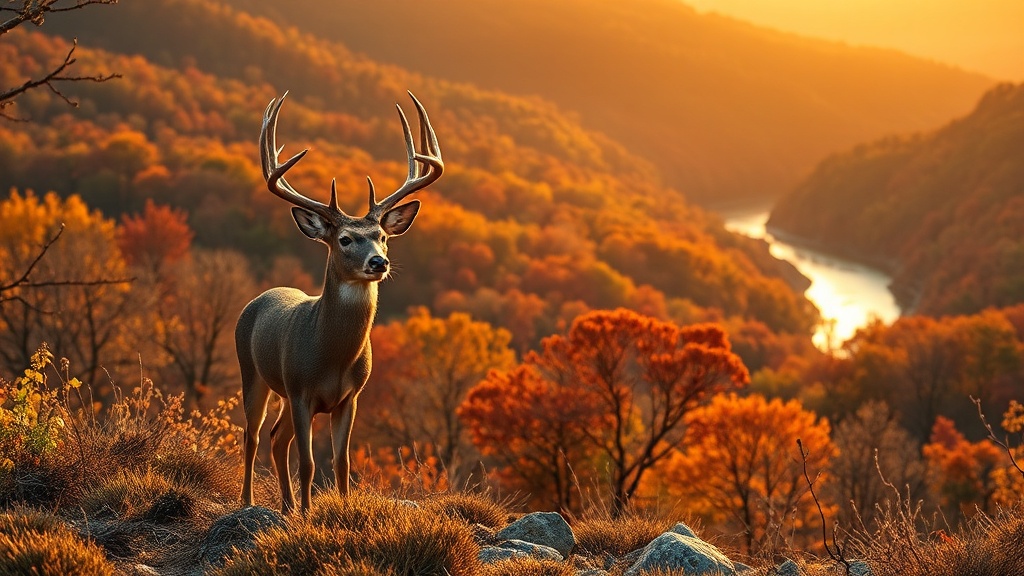
The archery deer season in Arkansas runs September 27, 2025 through February 28, 2026, making it one of the most generous archery seasons in the country. Hunters may use compound bows, recurve bows, longbows, and crossbows. The long archery window overlaps with all other deer season segments, allowing archery hunters to stay in the field throughout the entire fall and winter.
Modern Gun Season
The modern gun deer season runs . This is the highest-pressure period of the deer season and produces a significant portion of the state’s annual harvest. Centerfire rifles of any caliber are legal during modern gun season, giving Arkansas hunters a wider range of firearm options than many neighboring states.
Muzzleloader Season
Arkansas has two muzzleloader season segments. The early muzzleloader season typically runs for about a week in mid to late October. The late muzzleloader season usually falls in mid to late December, after modern gun season closes. Muzzleloader regulations specify minimum caliber and ignition type requirements.
Deer Zone System
Arkansas uses a zone-based management system for deer. Antler restrictions, including minimum point requirements or earn-a-buck provisions, vary by zone. Some zones require hunters to harvest a doe before they can tag a buck. Understanding which zone your hunting area falls in is critical for compliance.
Bag Limits
<strong>Season limit:</strong> 6Arkansas allows a generous total deer harvest. Hunters can typically take up to six deer per year, with limits on the number of bucks (usually two or three depending on the zone and antler restrictions). Antlerless tags and bonus tags may be available in certain zones to help manage deer populations.
Turkey Season
Spring Turkey
| Season Type | Opens | Closes | Notes |
|---|---|---|---|
| Spring | April 14, 2026 | May 8, 2026 | Gobblers and bearded hens only. Statewide spring turkey season. |
| Youth | April 5, 2026 | April 6, 2026 | Youth spring turkey weekend. Hunters 15 and under. |
Arkansas’s spring turkey season runs April 14, 2026 through May 8, 2026. The season may be divided into segments, with youth-only periods opening before the general season. The bag limit is usually two bearded gobblers for the spring season. Arkansas has a healthy wild turkey population with good numbers in the Ozark and Ouachita mountain regions, river bottom timber, and mixed hardwood forests statewide.
Fall Turkey
The fall turkey season usually opens in mid-October and runs for several weeks. Both bearded and beardless turkeys are legal in most zones during the fall. Fall turkey hunting in Arkansas receives less pressure than the spring season and can be a productive option for hunters who enjoy still-hunting or using dogs to scatter flocks.
Black Bear Season
Arkansas has a growing and well-managed black bear population, primarily in the Ozark and Ouachita mountain regions. Bear hunting opportunities are divided into designated bear zones, and season dates vary by zone.
| Season Type | Opens | Closes | Notes |
|---|---|---|---|
| Archery | September 27, 2025 | November 1, 2025 | Bear archery season in designated bear zones. Check zone-specific regulations. |
| General Gun | November 8, 2025 | December 7, 2025 | Concurrent with deer modern gun season in bear zones. Annual quota applies; season may close early. |
| Muzzleloader | October 18, 2025 | October 26, 2025 | Concurrent with deer muzzleloader season in bear zones. |
Archery Bear Season
The archery bear season typically opens in late September and extends through November, overlapping with the deer archery season. Bear hunters in the archery season must follow bear-specific regulations, including checking requirements and mandatory reporting.
Muzzleloader and Modern Gun Bear Seasons
Muzzleloader and modern gun bear seasons are shorter windows that fall within the broader fall season. These segments are zone-specific and may run from early October through November depending on the zone. Harvest quotas may apply in some zones, meaning seasons can close early once the quota is reached.
Bag Limits and Regulations
<strong>Season limit:</strong> 1 The bag limit for black bear is typically one bear per year. Hunters must check their harvested bear within specified time frames through the AGFC check system. Bear hunting in Arkansas has grown in popularity as the bear population has expanded, and the AGFC actively manages the harvest to maintain a healthy, sustainable population.
Elk Season
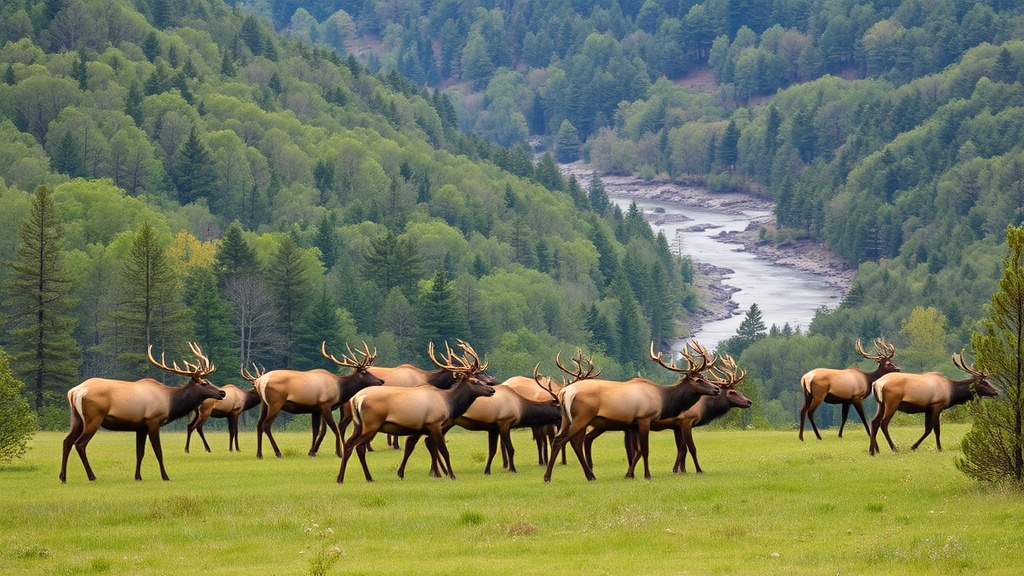
Arkansas offers a very limited elk draw hunt in the northwestern part of the state, primarily in the Buffalo River area of Newton County and surrounding counties. The elk herd in Arkansas descends from reintroduction efforts that began in the 1980s, and the population has grown enough to support a carefully managed harvest.
| Season Type | Opens | Closes | Notes |
|---|---|---|---|
| Controlled Hunt | October 1, 2025 | November 30, 2025 | Extremely limited controlled hunt in the Buffalo National River area. Permit-only through drawing. Very few tags issued annually. |
Draw-Only Tags
Elk tags in Arkansas are awarded exclusively through a lottery draw. The number of tags issued each year is very small, typically only a handful of permits. Both resident and non-resident hunters can apply, but drawing a tag may take many years. Elk seasons are typically short windows during the fall.
Elk Zones
Elk hunting is restricted to specific designated areas in the Ozark Plateau region of northwest Arkansas. Hunters who draw a tag receive detailed zone maps and hunting regulations specific to their permit.
Waterfowl Season
Arkansas is one of the most famous waterfowl hunting destinations in the world. The state’s location along the Mississippi Flyway, combined with extensive rice agriculture and bottomland hardwood wetlands, creates ideal conditions for massive concentrations of ducks and geese. Stuttgart, Arkansas, proudly holds the title of the “Rice and Duck Capital of the World.” 1
| Season Type | Opens | Closes | Notes |
|---|---|---|---|
| General | November 22, 2025 | January 31, 2026 | Duck season follows USFWS federal frameworks. Specific dates vary by zone. |
Early Teal Season
The early teal season, targeting blue-winged and green-winged teal, typically opens in mid-September and runs for about nine to sixteen days. This fast-paced season takes advantage of early teal migration through Arkansas’s shallow wetlands and flooded rice fields.
Regular Duck Season
The regular waterfowl season is typically split into segments. Dates vary by zone, but the general framework runs from late November through late January. Arkansas often sees peak duck migration in December and January, when large flights of mallards, pintails, gadwall, wigeon, and other species pour into the Grand Prairie, Cache River bottoms, and White River wetlands. Daily bag limits follow federal frameworks, usually six ducks per day with species-specific sub-limits.
Goose Season
Canada goose, snow goose, and white-fronted goose seasons overlap with and extend beyond the duck season. Light goose conservation order seasons often run from February into March or April, allowing additional harvest of snow and blue geese. Arkansas’s agricultural landscape provides exceptional goose hunting opportunities.
World-Class Duck Hunting
The Stuttgart area in the Grand Prairie of east-central Arkansas is the epicenter of American duck hunting culture. The combination of harvested rice fields, managed wetlands, and timber holes creates a diversity of hunting environments that attract hunters from across the globe. Public hunting opportunities exist on national wildlife refuges and WMAs, while private duck clubs and guided hunts offer premium access.
Dove Season
| Season Type | Opens | Closes | Notes |
|---|---|---|---|
| Early | September 1, 2025 | October 19, 2025 | First segment of mourning dove season. |
| Late | December 6, 2025 | January 18, 2026 | Second segment of dove season. |
Arkansas’s mourning dove season typically opens on the first Saturday in September and is divided into three segments that extend through January. The daily bag limit is fifteen birds. Dove hunting in Arkansas is a social tradition, with large field shoots being common on managed agricultural properties.
Small Game
Squirrel
Arkansas has one of the longest squirrel seasons in the country, typically running from mid-May through the end of February. The daily bag limit is twelve. Arkansas’s extensive hardwood forests, particularly in the Ozark and Ouachita mountains, support healthy squirrel populations. Squirrel season opens early enough to provide warm-weather hunting opportunities before other seasons begin.
Rabbit
The cottontail rabbit season in Arkansas typically runs from early September through the end of February. The daily bag limit is usually eight. Rabbit hunting with dogs is a traditional pursuit in the state, particularly in brushy habitat and field edges across the southern and central regions.
Quail
The bobwhite quail season usually runs from early November through the end of February. Daily bag limits are typically six birds. Quail populations in Arkansas have declined in recent decades, but habitat restoration efforts are ongoing. Some of the better quail hunting is found on managed private lands and wildlife management areas.
Feral Hog Hunting
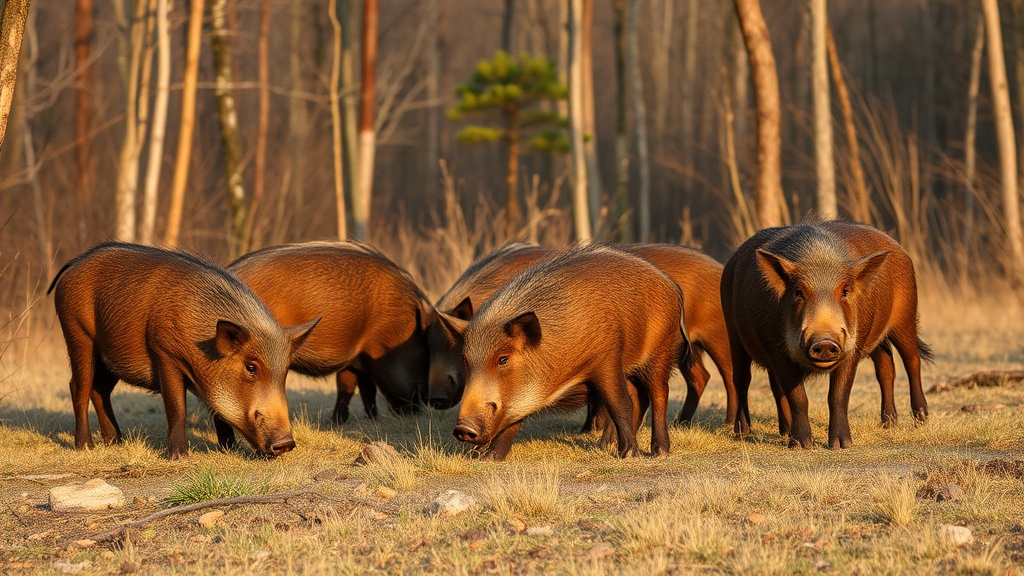
Feral hogs are a destructive invasive species in Arkansas and can be hunted year-round on private land with no bag limit and no closed season. On public land, feral hog hunting is allowed during specified seasons and may have additional restrictions. The AGFC encourages hog removal to protect native wildlife habitat and agricultural land.
Licensing Overview
| License/Permit | Residency | Fee | Includes |
|---|---|---|---|
| Resident Hunting License | Resident | $10.50 | hunting |
| Resident Sportsman License | Resident | $25.00 | hunting, fishing, trapping |
| Non-Resident Hunting License | Nonresident | $350.00 | hunting |
| Non-Resident 5-Day Hunting License | Nonresident | $100.00 | hunting |
| Youth Hunting License | Resident | $0.00 | hunting |
| Senior Hunting License | Resident | $0.00 | hunting, fishing |
| Resident Deer Permit | Resident | $10.50 | deer hunting |
| Non-Resident Deer Permit | Nonresident | $100.00 | deer hunting |
| Resident Turkey Permit | Resident | $7.00 | turkey hunting |
| Non-Resident Turkey Permit | Nonresident | $50.00 | turkey hunting |
| Resident Bear Permit | Resident | $10.50 | bear hunting |
| Non-Resident Bear Permit | Nonresident | $200.00 | bear hunting |
| State Duck Stamp | All | $7.00 | waterfowl hunting |
| Federal Duck Stamp | All | $25.00 | waterfowl hunting |
All hunters in Arkansas must hold a valid hunting license. Various license types are available, including the all-game hunting license, sportsman license, and species-specific permits. A WMA permit is required for hunting on many wildlife management areas. Waterfowl hunters need a federal duck stamp and an Arkansas state duck stamp. For full details on licensing, permits, and legal methods, see our Arkansas hunting regulations guide.
Hunter Education
Arkansas requires hunter education for anyone born after 1968. Courses are available in classroom, online, and hybrid formats. Completion of hunter education is required before purchasing a hunting license.
Important Reminders
- Check Regulations Annually: Season dates, bag limits, and zone boundaries can change. Always refer to the current Arkansas Hunting Guidebook before your hunt.
- Public Land Access: Arkansas has exceptional public land including over 3 million acres of national forest and 200+ WMAs. See our Arkansas hunting land guide for details.
- Safety First: Practice safe firearm handling. Wear fluorescent orange during gun deer seasons as required.
- Respect Wildlife: Follow bag limits and adhere to ethical hunting practices.
- Sunday Hunting: Sunday hunting is legal in Arkansas.
Arkansas’s combination of world-class waterfowl, mountain bear hunting, generous deer seasons, and a growing elk program makes it one of the most complete hunting destinations in the United States. Plan early, apply for limited-draw hunts well in advance, and always verify the latest regulations through the AGFC. 1
Last verified: February 13, 2026 — Official sourceMore Arkansas Hunting Resources
Explore Related Topics:
- Alabama Hunting Season: Your Essential Guide to Dates and Regulations
- Georgia Hunting Season: Your Essential Guide to Dates and Regulations
- Idaho Hunting Season: Your Essential Guide to Dates and Regulations
- Iowa Hunting Season: Your Essential Guide to Dates and Regulations
- Kansas Hunting Season: Your Essential Guide to Dates and Regulations
Notice an update we should make?
We strive for accuracy. Contact us here if you see incorrect or outdated info on this page.