Alabama is one of the most hunter-friendly states in the country, offering some of the longest seasons and most generous bag limits in the nation. From the rolling foothills of the Appalachians in the north to the Mobile-Tensaw Delta along the Gulf Coast, the state supports thriving populations of deer, turkey, waterfowl, and small game. The Alabama Department of Conservation and Natural Resources (ADCNR) Division of Wildlife and Freshwater Fisheries manages all hunting seasons and regulations. This guide covers every major season, what you can expect, and what you need to know before heading into the field. Always verify exact dates on the official ADCNR website before planning your hunt.1
White-tailed Deer Season
Whitetail deer are Alabama’s most pursued game animal, and the state boasts one of the longest deer seasons in the entire United States. The combined archery, firearms, and muzzleloader seasons stretch from mid-October through early February, giving hunters nearly four full months of opportunity.
| Season Type | Opens | Closes | Notes |
|---|---|---|---|
| Archery | October 15, 2025 | February 10, 2026 | Statewide archery season. Bows and crossbows permitted. Either sex. |
| General Gun | November 22, 2025 | February 10, 2026 | Firearms season. Dates and antlerless harvest vary by zone. |
| Muzzleloader | November 3, 2025 | November 14, 2025 | Muzzleloading rifle season between archery and gun seasons. |
| Youth | October 11, 2025 | October 13, 2025 | Youth deer hunting weekend. Hunters 15 and under with adult supervision. |
Archery Season
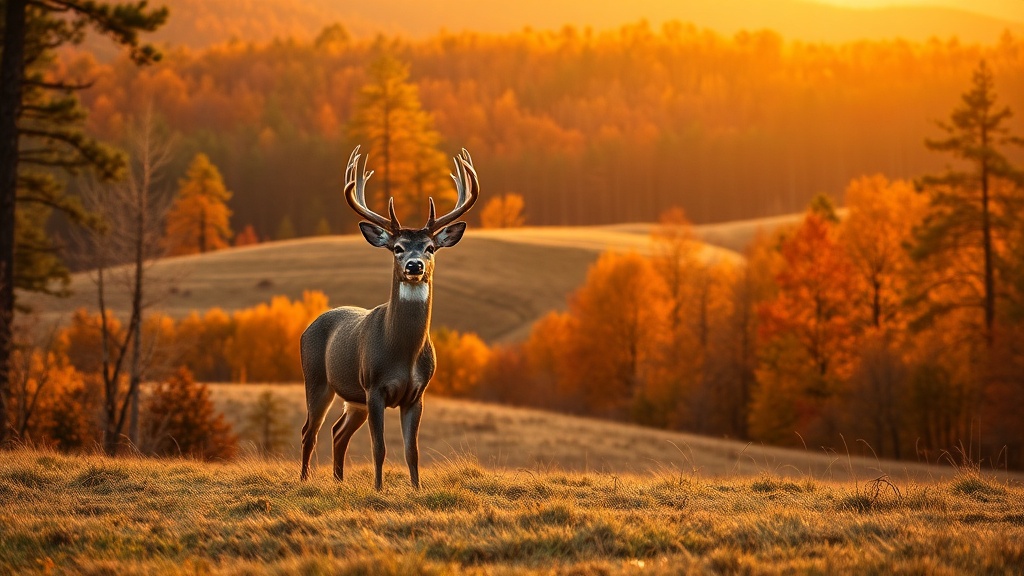
Archery deer season runs October 15, 2025 through February 10, 2026. This extended window means bowhunters can pursue deer throughout the entire general firearms season as well. Both compound bows and crossbows are legal during all deer seasons in Alabama. Crossbow legalization during archery season is one of the features that sets Alabama apart from many other states. Minimum draw weight and broadhead requirements apply. The early weeks of archery season, before firearms pressure begins, can be some of the most productive for bowhunters targeting undisturbed deer.
Firearms Season
Alabama divides its general gun deer season into multiple segments that vary by zone. The state is split into hunting zones, and season dates can differ between them. The general gun season runs . Some zones open earlier in November, while others may have compressed windows. Centerfire rifles of any caliber are legal for deer, as are shotguns with buckshot or slugs. Alabama places no minimum caliber restriction on centerfire rifles used for deer hunting, which is unusual among states.
Muzzleloader Season
A dedicated muzzleloader season is typically offered in segments, often including dates in late October and again in January. During muzzleloader-only periods, hunters are restricted to muzzleloading firearms that meet specific ignition and loading requirements. Archery equipment is also legal during muzzleloader season.
Dog-Deer Season
Alabama is one of the few states that still permits hunting deer with dogs. Dog-deer season is legal in designated counties, primarily in the southern and western parts of the state. This is a deeply rooted cultural tradition in Alabama, with some hunting clubs running dogs for deer across multiple generations. Dog-deer season dates generally fall within the broader firearms season window. Hunters must follow county-specific rules regarding where dogs can be used, and there are strict regulations about dogs crossing onto neighboring property without permission.
Extended Antlerless Season
An extended antlerless-only season is available in certain zones following the close of the regular season. This period is designed to help manage doe populations in areas where deer densities are high. Only antlerless deer may be harvested during this extension. Check zone-specific dates before hunting.
Youth Deer Hunts
Alabama designates special youth-only hunting weekends, typically one in early November before gun season opens and another in January. These hunts are open to young hunters under age 16 who must be accompanied by a licensed adult at least 21 years old. Youth hunts are an excellent introduction to deer hunting with reduced pressure and direct mentorship.
Bag Limits
<strong>Season limit:</strong> 3Alabama allows three bucks per season with a one-buck-per-day limit. Antlerless deer bag limits vary by zone and are regulated through either-sex days and doe days. Some zones are more liberal with antlerless harvest than others. The Game Check reporting system requires hunters to report all deer harvests.
Turkey Season
Turkey hunting in Alabama targets the Eastern wild turkey, and the state is consistently ranked among the top turkey hunting destinations in the country.
| Season Type | Opens | Closes | Notes |
|---|---|---|---|
| Spring | March 15, 2026 | April 30, 2026 | Gobblers and bearded hens only. Statewide spring season. |
| Youth | March 8, 2026 | March 14, 2026 | Youth spring turkey weekend. Hunters 15 and under. |
Spring Gobbler Season
March 15, 2026 through April 30, 2026The spring turkey season typically opens in mid-March and runs through late April, spanning roughly six weeks. <strong>Daily limit:</strong> 1 | <strong>Season limit:</strong> 5 Alabama’s spring gobbler bag limit is five gobblers for the season, which is one of the most generous turkey bag limits in the nation. The daily bag limit is one gobbler. Only male turkeys with visible beards may be harvested. Legal methods include shotguns and archery equipment. Electronic calls are prohibited.
Youth Turkey Hunt
A special youth-only turkey hunt weekend is held one week before the general spring opener. This gives young hunters a chance to pursue gobblers with less competition. Youth must be under 16 and accompanied by a licensed adult.
Fall Turkey Season
Alabama does not currently offer a fall turkey season. All turkey hunting is restricted to the spring season. This management approach helps protect the turkey population, particularly hens, during the fall and winter months.
Waterfowl Season
Alabama sits along the Mississippi Flyway, and the state’s river systems, reservoirs, and coastal marshes provide important habitat for migrating waterfowl. Federal frameworks set the outside boundaries for season dates, and Alabama selects specific dates within those frameworks.
| Season Type | Opens | Closes | Notes |
|---|---|---|---|
| Early | November 22, 2025 | December 7, 2025 | First segment of duck season. Follows USFWS federal frameworks. |
| Late | December 13, 2025 | January 31, 2026 | Second segment of duck season. |
Early Teal Season
An early teal season is typically held in September, running for approximately 16 days. This season targets blue-winged teal during their early southward migration. The daily bag limit is six teal. Non-toxic shot is required.
Regular Duck Season
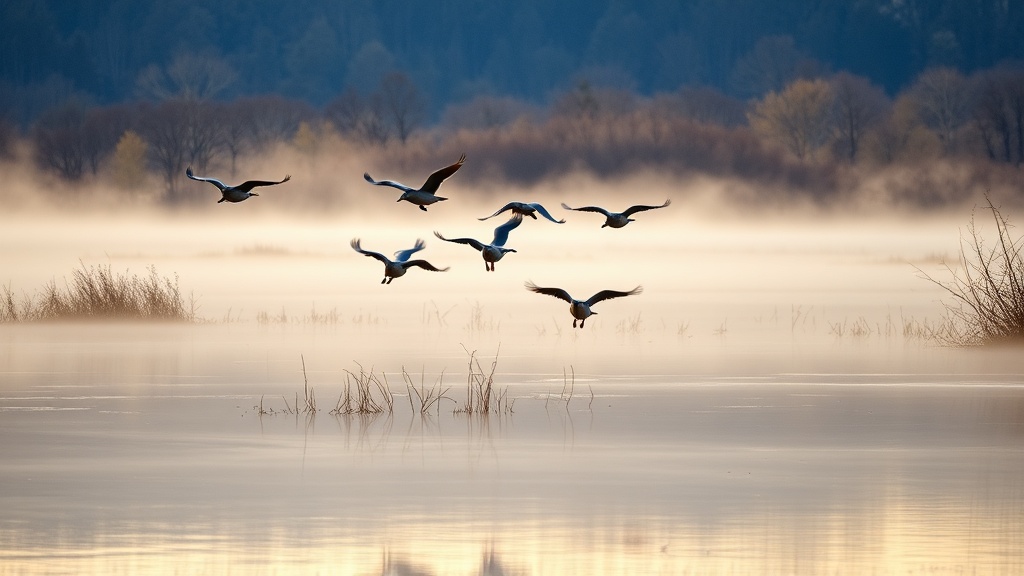
The regular duck season is usually split into two or three segments. The first segment often opens in late November, with additional segments running through late January. Daily bag limits follow federal regulations with species-specific point values. Hunters must be able to identify species on the wing. Alabama’s prime duck hunting occurs along the Tennessee River, Wheeler National Wildlife Refuge, and the Mobile-Tensaw Delta.
Goose Season
Canada goose season dates generally align with duck season, running from late November through late January. A light goose conservation order for snow geese and Ross’s geese may extend into February or March, allowing expanded methods including electronic calls and unplugged shotguns.
Small Game Seasons
Alabama offers extended small game seasons that provide months of hunting opportunity.
Quail
| Season Type | Opens | Closes | Notes |
|---|---|---|---|
| General | November 8, 2025 | March 1, 2026 | Bobwhite quail season. Dogs permitted. |
Bobwhite quail season typically runs from early November through late February. The daily bag limit is eight quail. Alabama’s Black Belt region and Wiregrass area in the southeast have historically supported quail populations, though wild bird numbers have declined in recent decades. Many hunters pursue quail on managed preserves and shooting plantations. Upland bird hunting over pointing dogs remains a strong tradition in the state.
Rabbit
Rabbit season generally runs from early November through late February. The daily bag limit is eight rabbits. Cottontail rabbits are found statewide, and rabbit hunting with beagles is a longstanding Alabama tradition, particularly in rural communities.
Squirrel
Squirrel season in Alabama is one of the longest in the Southeast. It typically opens in mid-September and runs through the end of February, with an early season segment in some areas as well. The daily bag limit is eight squirrels. Both fox squirrels and gray squirrels are legal game. Squirrel hunting is an accessible entry point for new hunters and a popular tradition in Alabama’s hardwood forests and river bottoms.
Dove
| Season Type | Opens | Closes | Notes |
|---|---|---|---|
| Early | September 1, 2025 | October 12, 2025 | First segment of mourning and white-winged dove season. |
| Late | December 6, 2025 | January 31, 2026 | Second segment of dove season. |
Mourning dove season is split into three segments, following federal frameworks. The first segment opens on the first Saturday in September and runs into mid-October. A second segment opens in late October or early November, and a third segment runs in December and January. The daily bag limit is 15 doves. Dove hunting over managed agricultural fields is a major social tradition in Alabama, particularly in the Black Belt and Tennessee Valley regions.
Feral Hog
| Season Type | Opens | Closes | Notes |
|---|---|---|---|
| General | January 1, 2025 | December 31, 2025 | No closed season. No bag limit. May be taken year-round on private land with landowner permission. Hunting license required. |
Feral hogs are an invasive species causing significant agricultural and ecological damage across Alabama. There is no closed season for feral hogs on private land. Hogs may be taken year-round, day or night, by any legal method with landowner permission. There is no bag limit on private land.
On Wildlife Management Areas and other public lands, feral hog hunting is generally permitted during other open seasons but may have area-specific restrictions. Some WMAs schedule dedicated hog hunts. Night hunting for hogs on private land using lights and night vision is legal and growing in popularity.
Alligator Season
Alabama offers a limited alligator hunting season in the southern part of the state. Permits are awarded through a lottery system administered by ADCNR. The application period typically opens in the summer, and successful applicants are notified before the season.
Season Details
The alligator season usually runs for a brief window in August, often spanning about 10 days. Hunting is restricted to designated zones in southwestern Alabama, including the Mobile-Tensaw Delta and surrounding areas. Each permit is valid for a specific zone. Legal harvest methods include hand-held snares, harpoons, bowfishing equipment, and bang sticks. Firearms may only be used to dispatch a restrained alligator. The bag limit is one alligator per permit.
Licensing Requirements
| License/Permit | Residency | Fee | Includes |
|---|---|---|---|
| Resident Hunting License | Resident | $26.30 | hunting |
| Resident All Game Hunting License | Resident | $52.10 | hunting, all game |
| Non-Resident Hunting License | Nonresident | $326.30 | hunting |
| Non-Resident All Game Hunting License | Nonresident | $521.10 | hunting, all game |
| Non-Resident 7-Day Trip License | Nonresident | $76.30 | hunting |
| Youth Hunting License | All | $0.00 | hunting |
| Senior Hunting License | Resident | $12.90 | hunting |
| Deer Harvest Record | All | $0.00 | deer harvest reporting |
| Wild Turkey Harvest Record | All | $0.00 | turkey harvest reporting |
| State Waterfowl Stamp | All | $11.80 | waterfowl hunting |
| Federal Duck Stamp | All | $25.00 | waterfowl hunting |
| WMA License | All | $16.30 | wildlife management area access |
All hunters in Alabama must have a valid hunting license. Resident and non-resident licenses are available, with non-resident fees being significantly higher. Alabama offers an All-Game Hunting License that covers all species. A Wildlife Management Area (WMA) License is required for hunting on any WMA. A DCNR Lands License is required for hunting on certain state-managed properties. Migratory bird hunters need a Federal Migratory Bird Stamp (Duck Stamp) and a state waterfowl stamp.
Alabama also offers combination licenses that bundle hunting and fishing privileges. A Super Sportsman License is available that covers hunting, freshwater fishing, saltwater fishing, and WMA access in a single purchase.
For a complete breakdown of licensing, hunter education, legal methods, and all regulatory details, see our Alabama hunting regulations guide.
Final Checklist
Alabama’s combination of long seasons, generous limits, and diverse landscapes makes it one of the best hunting states in the Southeast. Whether you are chasing whitetails in the Black Belt, calling spring gobblers in the Bankhead, or pass-shooting doves on a September afternoon, Alabama delivers.
- Check regulations annually. Season dates, bag limits, and zone boundaries can change each year. Always refer to the current ADCNR hunting regulations digest before your hunt.
- Review public and private land options. Alabama has over 30 WMAs, four National Forests, and hundreds of thousands of Forever Wild acres open to public hunting. See our Alabama land access guide for details.
- Report your harvest. Alabama requires deer and turkey harvests to be reported through Game Check within 48 hours.
- Wear fluorescent orange during gun deer season on public land and in dog-deer zones. Practice safe firearm handling at all times.
- Follow all bag limits, respect property boundaries, and practice ethical hunting.
More Alabama Hunting Resources
Explore Related Topics:
- Hunting Seasons by State: Your Essential Guide to US Game Regulations
- Arkansas Hunting Season: Your Essential Guide to Dates and Regulations
- Georgia Hunting Season: Your Essential Guide to Dates and Regulations
- Idaho Hunting Season: Your Essential Guide to Dates and Regulations
- Iowa Hunting Season: Your Essential Guide to Dates and Regulations
Notice an update we should make?
We strive for accuracy. Contact us here if you see incorrect or outdated info on this page.