Wyoming offers world-class hunting across vast landscapes with some of the most iconic big game species in North America. The Wyoming Game and Fish Department (WGFD) manages all hunting regulations, including licensing, limited quota draws, legal methods, reporting requirements, and wildlife disease management. Following these regulations is essential for a safe, legal, and ethical hunt. This guide covers the key requirements every hunter should understand before hunting in Wyoming. 1
Hunting Licenses and Tags
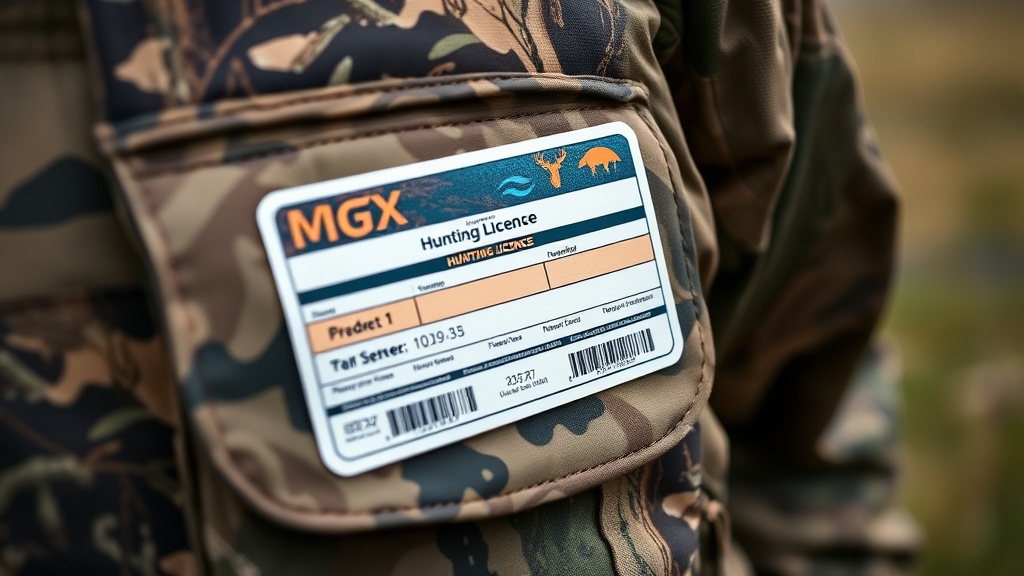
Wyoming uses a license-plus-tag system where each big game species requires its own license specific to the hunt area. Licenses are sold through WGFD and authorized vendors. The system distinguishes between general areas, where licenses are available over the counter, and limited quota areas, where licenses are awarded through a competitive draw.
Resident Licenses
Wyoming residents can purchase hunting licenses at significantly lower rates than non-residents. Residency requires living in Wyoming for at least one full year before applying for resident license privileges. Residents have access to both general and limited quota hunts, with separate resident tag allocations in limited quota areas.
Non-Resident Licenses
Non-resident hunting licenses in Wyoming are among the most expensive in the West but provide access to exceptional hunting opportunities. Key non-resident license costs include:
- Non-resident elk license: Approximately $600 or more for a full-price tag.
- Non-resident deer license: Lower than elk but still a significant investment.
- Non-resident pronghorn license: Relatively affordable compared to elk and deer.
- Non-resident combination packages: Available at a discount when purchasing multiple species licenses.
Wyoming allocates a specific percentage of limited quota tags to non-residents, typically around 20 percent. Non-resident draw odds are published annually by WGFD, and hunters should study these carefully before investing in the application process.
Conservation Stamp
All Wyoming hunters must purchase a conservation stamp in addition to their hunting license. The conservation stamp funds habitat improvement and wildlife management programs across the state. It is required regardless of the species being hunted.
Limited Quota Draws and the Preference Point System
Many of Wyoming’s best hunting opportunities are allocated through the limited quota draw. Hunters submit applications during the annual application period, specifying their preferred hunt area and weapon type. If not drawn, applicants earn one preference point for that species.
Wyoming’s preference point system works differently than some other states:
- Preference points are species-specific. Points for elk, deer, pronghorn, moose, sheep, and goat are tracked separately.
- In the regular draw, applicants with the most preference points are drawn first. If multiple applicants have the same number of points, a random selection determines who is drawn.
- A random component ensures that even first-time applicants have a small chance of drawing premium tags.
- Once-in-a-lifetime species (moose, bighorn sheep, mountain goat) have their own point systems. Hunters who successfully draw one of these tags cannot apply for that species again.
Special Draw
Wyoming also conducts a special draw for leftover tags after the regular draw is completed. Special draw tags are available on a first-come, first-served basis or through a secondary application. This can be an excellent opportunity for hunters who were unsuccessful in the regular draw or who decide to hunt at the last minute.
Hunter Education
Wyoming requires hunter education for many hunters. The course covers firearm safety, wildlife identification, outdoor survival, hunting ethics, and Wyoming-specific regulations.
Who Needs Hunter Education
Any person born on or after January 1, 1966, must successfully complete a hunter education course approved by WGFD before purchasing a hunting license. Hunters born before that date are exempt from the requirement.
Course Options
Hunter education is available through traditional classroom courses, online courses with a required field day, and mentored youth programs. The certification is valid for life and is recognized by other states through interstate reciprocity agreements. Wyoming also accepts hunter education certificates from other states and Canadian provinces.
Youth Hunting Programs
Wyoming encourages youth participation through mentored youth hunting programs. Young hunters can participate under the direct supervision of a licensed adult without having completed hunter education, subject to age and species restrictions.
Legal Hunting Methods
Wyoming regulates the weapons, ammunition, and techniques that hunters may use. These rules ensure ethical harvest, fair chase, and public safety.
Rifles and Firearms
Centerfire rifles are the most common method for big game hunting in Wyoming. There is no minimum caliber specified by regulation for most big game species, but hunters are expected to use calibers adequate for a clean harvest. Shotguns are permitted for certain species and are required for upland birds and waterfowl. Non-toxic shot is required for waterfowl hunting.
Archery Equipment
Archery hunters must use longbows, recurve bows, or compound bows meeting WGFD minimum specifications. Broadheads must meet minimum width requirements. Crossbows are permitted for hunters with qualifying disabilities and may be allowed in specific seasons.
Muzzleloaders
Muzzleloading rifles must be at least .40 caliber and fire a single projectile. Specific regulations regarding ignition type, sight type, and propellant may apply depending on the hunt area and season type.
Prohibited Methods
Wyoming prohibits several hunting methods:
- No baiting for big game. Placing food, salt, mineral, or other attractants to lure big game for harvest is prohibited.
- No shooting from a public road or vehicle. Hunters must be completely off the road and outside the vehicle before shooting.
- No aerial hunting. Hunting from aircraft is illegal.
- No electronic calls for big game. Electronic calling devices are prohibited for big game but may be used for predators.
- No hunting with the aid of artificial light for big game species.
Season Dates and Bag Limits
Wyoming’s hunting seasons are set annually by WGFD and published in the annual hunting regulations. Dates vary by species, weapon type, and hunt area. For a detailed breakdown of Wyoming season dates, see Wyoming Hunting Seasons.
Elk Bag Limits
Hunters are limited to one elk per year in Wyoming. Tags are area-specific and may specify antlered, antlerless, or either-sex depending on the hunt area and management objectives. Some areas allow cow elk tags in addition to bull elk tags, but a hunter can only harvest one elk total per year.
<strong>Season limit:</strong> 1Deer Bag Limits
Hunters are limited to one deer per year. Tags may specify mule deer, whitetail deer, or either species depending on the hunt area. Some areas have antler point restrictions for mule deer to protect young bucks.
<strong>Season limit:</strong> 1Pronghorn Bag Limits
Pronghorn bag limits in Wyoming are generous compared to most western states. Many general areas offer one pronghorn per hunter per year, and tag availability is typically good. Some areas offer doe/fawn tags in addition to buck tags.
Moose, Bighorn Sheep, and Mountain Goat
These are once-in-a-lifetime species in Wyoming. Hunters who draw a tag may harvest one animal per lifetime for each species. Seasons and areas are tightly managed based on population surveys.
Black Bear Bag Limits
One black bear per year. Mandatory check-in required within specified timelines.
Turkey Bag Limits
Spring bag limits are typically one bearded turkey. Fall bag limits vary by area.
<strong>Season limit:</strong> 2Upland Birds and Waterfowl
Daily bag limits for sage grouse, pheasant, grouse, and other upland birds are set annually. Waterfowl bag limits follow federal frameworks. A Federal Duck Stamp and state waterfowl stamp are required for waterfowl hunting.
Public vs. Private Land
Approximately 48 percent of Wyoming is publicly owned, providing hunters with millions of acres of accessible habitat across federal, state, and local lands. 1
Public Land
Public hunting lands in Wyoming include:
- Bureau of Land Management (BLM): Approximately 18 million acres, making BLM the largest single land manager in Wyoming. BLM lands are concentrated across central and western Wyoming and include sagebrush steppe, badlands, desert, and mountain foothill terrain.
- U.S. Forest Service (USFS): Multiple national forests including Bridger-Teton, Shoshone, Bighorn, and Medicine Bow-Routt. These forests cover the major mountain ranges and provide core habitat for elk, mule deer, bear, and mountain species.
- State Trust Lands: Wyoming manages approximately 3.6 million acres of state trust land. These lands are open to public hunting with a valid license, though access can be complicated by lack of legal access routes (landlocked parcels). WGFD works with the state land office to improve access.
- National Wildlife Refuges: Several refuges across Wyoming provide seasonal hunting access for specific species.
Walk-In Areas (Access Yes! Program)
Wyoming’s Access Yes! program is a partnership between WGFD and private landowners that opens private land to public hunting. The program pays landowners to allow walk-in hunting access on their property. Access Yes! areas are marked with signs and mapped on the WGFD website. These areas provide valuable hunting access for pronghorn, deer, upland birds, and waterfowl in areas where private land dominates the landscape.
Hunter Management Areas
WGFD designates certain areas as Hunter Management Areas (HMAs), which may have specific regulations regarding access, camping, vehicle use, and hunting pressure management. HMAs are designed to distribute hunter pressure and improve the quality of the hunting experience.
For a detailed guide to Wyoming hunting land, see Wyoming Hunting Land.
Private Land
Hunting on private land in Wyoming requires permission from the landowner. Wyoming law requires that private land be posted with signs to indicate that trespassing is prohibited. However, prudent hunters should always seek explicit permission before hunting on any private property, regardless of posting status.
Trespass Laws
Wyoming’s trespass statutes make it a criminal offense to enter private land without permission for the purpose of hunting. Penalties include fines and potential loss of hunting privileges. Corner-crossing (moving from one public land parcel to another diagonally across a private land corner) has been a subject of legal dispute in Wyoming, and hunters should be aware of the current legal status before relying on corner-crossing access.
CWD Surveillance
Chronic Wasting Disease (CWD) is present in Wyoming’s deer and elk populations. WGFD conducts extensive surveillance and requires mandatory CWD testing in certain hunt areas. Hunters harvesting deer or elk in designated surveillance areas must submit the head or lymph nodes for testing. WGFD provides collection stations and drop-off locations during hunting season.
CWD Transportation Restrictions
Wyoming has regulations governing the transportation of cervid carcasses to prevent the spread of CWD. Hunters should check current WGFD regulations for restrictions on moving whole carcasses across hunt area boundaries and state lines.
Hunter Orange Requirements
Wyoming requires hunters to wear at least one exterior garment of fluorescent orange visible from all directions while hunting big game during any firearm season. This includes rifle, muzzleloader, and handgun seasons. The orange requirement does not apply during archery-only seasons. Fluorescent pink is also accepted as an alternative to orange.
Reporting and Tagging Requirements
Wyoming requires hunters to validate their licenses immediately upon harvest by cutting out the appropriate date notches. Big game harvests must be reported to WGFD through mandatory check stations or online reporting systems within specified timelines. Failure to report is a violation that can result in fines and loss of future hunting privileges.
Important Reminders
- Check Regulations Annually: WGFD updates regulations each year. Always consult the current Wyoming Hunting Regulations booklet before hunting.
- Plan Draw Applications Early: The limited quota application deadline is typically in early January for most species. Missing the deadline means missing that year’s draw entirely.
- Budget for Non-Resident Costs: Non-resident license fees in Wyoming are substantial. Factor in license costs, travel, lodging, and outfitter fees when planning a Wyoming hunt.
- Respect Access: Wyoming’s public and private land boundaries can be complex. Carry detailed maps and use GPS to verify property lines.
- Practice Safety: Always follow safe firearm handling practices. Wear hunter orange during rifle seasons. Know your target and what is beyond it.
Final checklist
- Confirm rules on the official WGFD website.
- Verify your license, tags, conservation stamp, and limited quota draw results.
- Save hunt area maps for offline use.
- Pack essentials and review safety rules before you leave.
More Wyoming Hunting Resources
- Wyoming hunting seasons
- Get your Wyoming hunting license
- Public and private land access in Wyoming
- Hunting locations in Wyoming
Explore Related Topics:
Notice an update we should make?
We strive for accuracy. Contact us here if you see incorrect or outdated info on this page.