Tennessee provides abundant hunting opportunities across its three grand divisions, but success depends on understanding and following the state’s regulations. The Tennessee Wildlife Resources Agency (TWRA) establishes and enforces all hunting rules. This guide covers licensing, hunter education, legal methods, bag limits, land access, and other essential requirements. Always verify current regulations on the official TWRA website before every hunt.1
Hunting Licenses and Permits
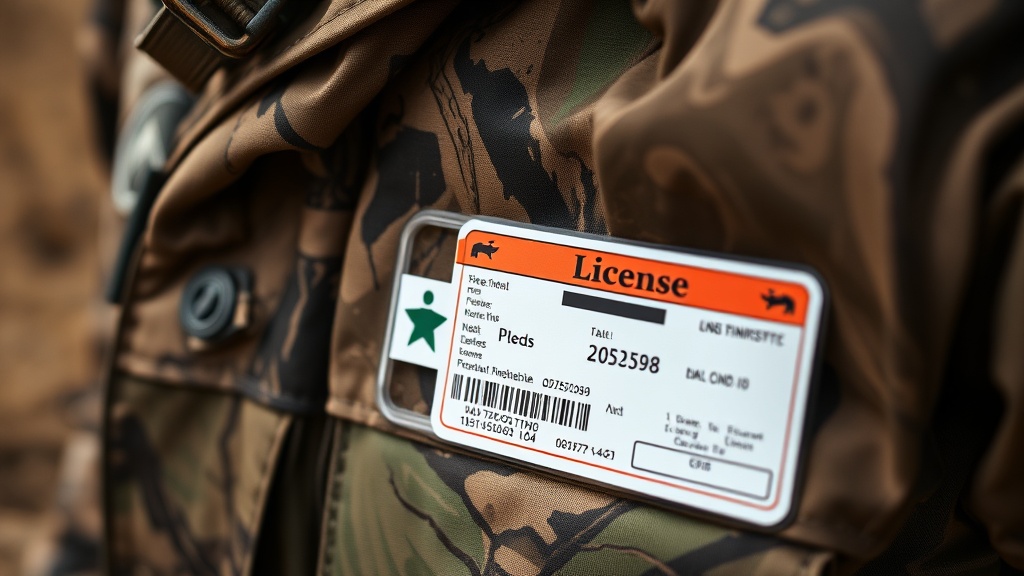
All hunters in Tennessee must carry a valid hunting license in the field. License types and fees differ based on residency, age, and the species being hunted.
Resident vs. Non-Resident Licenses
Tennessee defines a resident as someone who has lived in the state for at least 12 consecutive months. Residents pay significantly lower license fees than non-residents. Both residents and non-residents can purchase licenses online through the TWRA website, at license agents across the state, or at TWRA regional offices.
Key License Types
- Annual Hunting License: The basic license required for most hunting activities. Does not include big game privileges.
- Big Game License: Required in addition to the hunting license for deer, turkey, bear, and elk. This is a separate purchase.
- Sportsman License: A bundled license that includes hunting, fishing, and trapping privileges. Often the best value for active outdoorsmen.
- Type 94 License: A comprehensive combination license that covers hunting, big game, fishing, trapping, and WMA access in a single purchase.
- WMA Permit: Required for any hunter accessing a Wildlife Management Area, regardless of the species being hunted. This is a separate permit from the hunting license.
- Waterfowl Stamp: Required for hunting ducks and geese, in addition to the federal duck stamp and HIP registration.
- Junior Hunting License: Available free to youth aged 6 through 15. Young hunters must be accompanied by a licensed adult at all times.
Non-Resident Options
Non-residents can purchase annual licenses or short-term trip licenses. Non-resident big game licenses and WMA permits are available at higher fee levels. A non-resident 3-day all-game license is also available for short hunting trips.
Hunter Education
Tennessee law requires hunter education certification for anyone born after January 1, 1969. This requirement applies to all hunters regardless of the species being pursued.
Course Options
TWRA offers several paths to meet the hunter education requirement:
- Classroom Course: A traditional instructor-led course that covers firearm safety, wildlife conservation, ethics, survival skills, and Tennessee hunting regulations. These courses are offered throughout the year at locations across the state.
- Online Course with Field Day: Hunters can complete the classroom portion online and then attend an in-person field day to demonstrate practical skills. This is a popular option for those with busy schedules.
- Apprentice Hunting License: Tennessee offers an apprentice license that allows first-time hunters to hunt without completing hunter education, provided they are accompanied at all times by a licensed adult who has completed hunter education. This apprentice license can be purchased up to two times. After that, the hunter must complete a full hunter education course.
Exemptions
Hunters born before January 1, 1969, are exempt from the hunter education requirement. Active duty military personnel may also qualify for exemptions. Youth under age 10 are exempt but must be accompanied by a licensed adult at all times.
Legal Hunting Methods
TWRA regulates the weapons and methods that can be used for each species. Understanding what is legal in your unit and season is essential.
Firearms
- Rifles: Legal for deer in most units. Some units, particularly in West Tennessee, restrict deer hunting to shotguns only. Where rifles are legal, there is a minimum caliber of .24 (6mm) for deer in some units. Centerfire rifles are legal for most other big game.
- Shotguns: Legal for all game species when using appropriate ammunition. Shotguns must be plugged to hold no more than three shells total for migratory bird hunting.
- Handguns: Legal for deer and other big game during gun seasons.
- Muzzleloaders: Legal during dedicated muzzleloader seasons and during gun seasons. Inline muzzleloaders and scopes are permitted.
Archery and Crossbows
Compound bows, recurve bows, longbows, and crossbows are all legal during archery season. Crossbows are legal for all hunters during archery season without any disability requirement. During gun seasons, archery equipment remains legal. Broadheads must be sharp and of a fixed or mechanical design.
Prohibited Methods
Tennessee law prohibits several hunting methods:
- No Sunday hunting on WMAs. Sunday hunting is legal on private land, but WMAs are closed to hunting on Sundays except during specific seasons designated by TWRA.
- Baiting for deer is prohibited. Placing or using bait (corn, minerals, salt, or other attractants) to hunt deer is illegal statewide. This includes hunting over areas where bait has been placed within the previous 10 days.
- No hunting from a vehicle on any public road or right-of-way.
- No spotlighting or using artificial lights to locate or shoot game at night (exceptions exist for raccoon and opossum hunting with dogs).
- No electronic calls for turkey during spring season. Electronic calls are legal for waterfowl and predator hunting.
- No drones may be used to locate or drive game.
Dogs for Deer Hunting
Using dogs to hunt deer is permitted only in designated units during designated seasons. Dog-deer hunting is a tradition in parts of Tennessee, but it is restricted to specific areas to prevent conflicts with still-hunters. Check the current regulations for which units and dates allow deer hunting with dogs.
Season Dates and Bag Limits
Tennessee’s seasons and bag limits vary by species, unit, and weapon type. The following are general guidelines. Always confirm the exact dates and limits for your specific hunting unit.
Deer
- Daily Bag Limit: Three deer per day statewide in most units.
- Annual Limits: Vary by unit and sex. Some units allow more antlerless deer than others. Bonus doe permits are available in many units.
- Antler Restrictions: Some units require bucks to have at least three points on one side. Other units have different or no antler restrictions.
- Harvest Reporting: Mandatory for all deer. Hunters must report harvests through the TWRA app or website, typically before midnight on the day of harvest.
For complete season dates, see our Tennessee hunting seasons guide.
Turkey
- Spring Bag Limit: Four gobblers statewide across the entire spring season.
- Fall Bag Limit: One turkey of either sex in designated units.
- Harvest Reporting: Required for all turkeys.
Bear
- Bag Limit: One bear per year.
- Mandatory Reporting: Bear harvests must be reported within 24 hours.
- Limited Area: Bear season is open only in specific East Tennessee counties and WMAs.
Chronic Wasting Disease (CWD) Management
CWD has been detected in parts of West Tennessee and Middle Tennessee. TWRA has established CWD management zones with special regulations.
CWD Zone Requirements
- Mandatory Testing: In CWD zones, hunters may be required to submit deer heads for testing at TWRA check stations.
- Carcass Transport Restrictions: Whole deer carcasses and certain parts (brain, spinal column) may not be transported out of CWD zones. Deboned meat, clean hides, and finished taxidermy mounts are exempt.
- Supplemental Feeding Ban: Feeding deer is prohibited in CWD zones (and baiting is already prohibited statewide for deer).
- Stay Informed: CWD zone boundaries and regulations are updated as new cases are detected. Check the TWRA CWD page for the latest information.
Public vs. Private Land Hunting
Tennessee offers substantial public hunting land alongside private land opportunities.
Public Land
- Wildlife Management Areas (WMAs): Tennessee has over 90 WMAs totaling approximately 1.5 million acres. A WMA permit is required. Many WMAs have specific season dates, weapon restrictions, and quota hunts that differ from statewide regulations.
- Cherokee National Forest: Approximately 650,000 acres in East Tennessee open to hunting under both federal and state regulations.
- Land Between the Lakes (LBL): A 170,000-acre National Recreation Area managed by the U.S. Forest Service in West Tennessee and Kentucky, open to hunting with special regulations.
- Army Corps of Engineers Lands: Several reservoirs across Tennessee have surrounding lands open to hunting.
For a detailed look at public and private land access, see our Tennessee hunting land guide.
Private Land
The majority of Tennessee is privately owned. To hunt on private land, you must have written permission from the landowner.
Trespass Law and Purple Paint
Tennessee enforces a purple paint law. Landowners may mark boundaries with purple paint on trees or posts instead of posting “No Trespassing” signs. Purple paint marks carry the same legal weight as posted signs. Hunters must respect all boundary markers. Trespassing while in possession of a hunting weapon is a serious offense.
Fluorescent Orange Requirements
During gun deer season and muzzleloader deer season, all hunters (including archery hunters in the field) must wear a minimum of 500 square inches of fluorescent orange on the head and body, visible from all directions. This requirement applies on both public and private land. Fluorescent orange is not required during archery-only season segments when gun seasons are not concurrent.

Staying Current with Regulations
Hunting regulations change every year. TWRA publishes an annual Tennessee Hunting and Trapping Guide that details all current season dates, bag limits, unit boundaries, and regulatory changes.
Official Sources
- TWRA Website: tn.gov/twra is the primary source for current regulations, license purchasing, and harvest reporting.
- TWRA App: The on X Outdoors app (formerly TWRA on the Go) provides digital license storage, harvest reporting, and regulations lookup in the field.
- Regional Offices: TWRA regional offices across the state can answer specific questions about local regulations.
Final Checklist
- Verify your license, big game permit, and WMA permit are current before every hunt.
- Complete hunter education if born after January 1, 1969, or carry your apprentice license with a qualified companion.
- Confirm legal methods for your species and unit.
- Check CWD zone status and carcass transport rules.
- Wear 500 square inches of fluorescent orange during gun deer seasons.
- Report all deer, turkey, and bear harvests promptly.
- Carry written permission when hunting private land.
- Review the current TWRA Hunting and Trapping Guide for any regulation changes.
Understanding Tennessee’s hunting regulations protects wildlife populations and ensures a safe, legal experience for everyone in the field. Take the time to review the rules before every season, and when in doubt, contact TWRA directly.
Last verified: February 13, 2026 — Official sourceMore Tennessee Hunting Resources
- Tennessee hunting seasons
- Get your Tennessee hunting license
- Public and private land access in Tennessee
- Hunting locations in Tennessee
Explore Related Topics:
Notice an update we should make?
We strive for accuracy. Contact us here if you see incorrect or outdated info on this page.