Oklahoma offers diverse hunting across prairies, cross timbers, mountains, and river bottoms. Following regulations ensures a safe, legal, and ethical hunt. The Oklahoma Department of Wildlife Conservation (ODWC) manages all hunting rules in the state. This guide covers key requirements for hunting in Oklahoma.1
Hunting Licenses and Permits
All hunters in Oklahoma must have a valid hunting license. This applies to residents and non-residents, with limited exceptions for certain landowners on their own property and very young hunters accompanied by licensed adults.
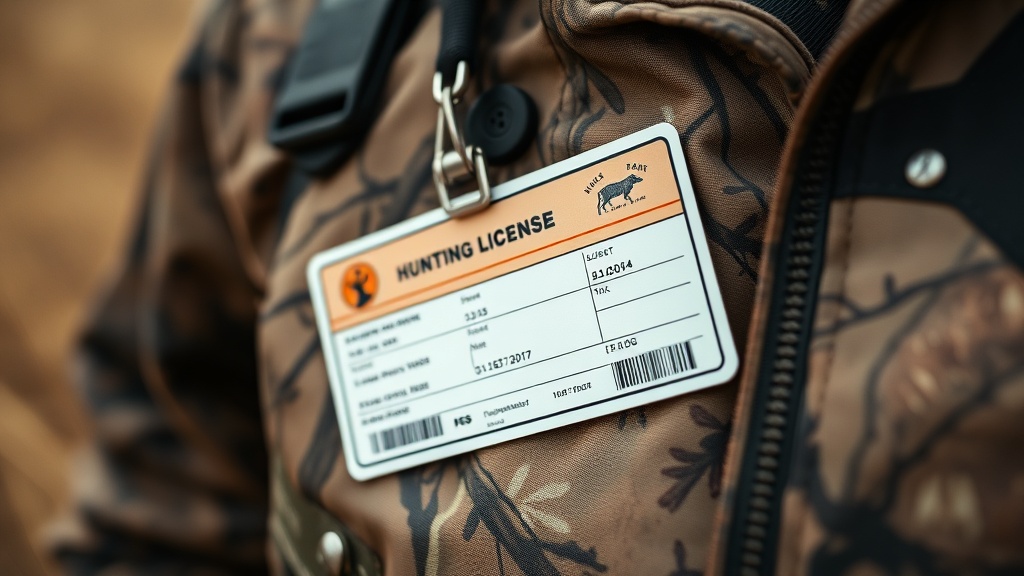
Resident vs. Non-Resident Licenses
Oklahoma defines a resident as someone who has maintained a permanent domicile in the state for at least 60 days before purchasing a license. Residents benefit from significantly lower license fees. Non-residents pay higher rates but have access to the same seasons and game species.
License Types
Oklahoma offers several license options through the Go Outdoors Oklahoma system:
- Annual Hunting License: Covers general hunting for most game species.
- Combination Hunting and Fishing License: A popular cost-effective option for hunters who also fish.
- Lifetime Hunting License: Available for residents, providing permanent hunting privileges.
- 5-Day Non-Resident Hunting License: A short-term option for visiting hunters.
Tags and Stamps
Beyond the basic hunting license, additional tags or stamps may be required depending on the species:
- Deer Tags: Oklahoma’s deer tag system allows up to six deer per season, with a maximum of two antlered bucks. Tags must be validated and attached immediately upon harvest.
- Turkey Tags: Required for turkey hunting. Spring and fall tags are issued separately.
- Waterfowl Stamp: A state waterfowl stamp is required for hunting ducks and geese. A federal Migratory Bird Hunting and Conservation Stamp (duck stamp) is also required for waterfowl hunters age 16 and older.
- Elk and Bear Permits: These are allocated through controlled hunt drawings with very limited tag numbers.
Wildlife Management Area Permits
Some WMAs require special area-specific permits or check-in procedures. Certain WMAs use a daily check-in system or require hunters to register at a check station before hunting. Always review the specific regulations for any WMA you plan to visit, as rules can vary significantly between areas.
You can purchase licenses and permits online through the Go Outdoors Oklahoma system, at authorized retailers, or at ODWC offices.1
Hunter Education
Oklahoma requires hunter education for most hunters. The course covers firearm safety, wildlife conservation, fair chase ethics, and state-specific regulations.
Who Needs Hunter Education
Anyone born on or after January 1, 1972, must complete a hunter education course before purchasing an Oklahoma hunting license. This requirement applies to both residents and non-residents.
Course Options
Hunter education courses are available in multiple formats:
- Traditional Classroom: Instructor-led courses offered throughout the state, typically spanning one to two days.
- Online Course: A self-paced online option is available, though it requires completion of a field day component with a certified instructor.
- Home Study: A study-at-home option with a required field day.
Your hunter education certification is valid for life and is recognized by all other states through interstate reciprocity agreements.
Apprentice Hunter Program
Oklahoma offers an Apprentice Hunter Program for individuals who have not completed hunter education. Under this program, a first-time hunter may purchase an Apprentice Hunter license and hunt under the direct supervision of a licensed adult who has completed hunter education. The supervising adult must remain in close enough proximity to communicate without electronic devices. The Apprentice license is valid for one year and may only be purchased once, encouraging completion of the full hunter education course.
Legal Hunting Methods
Oklahoma regulates how hunters can harvest game. These rules promote fair chase and protect wildlife populations.
Firearms
- Rifles: Centerfire rifles are legal for deer, elk, and bear during firearms seasons. There is no minimum caliber for deer, but hunters should choose an appropriate caliber for ethical harvest. Rimfire rifles are legal for small game but not for big game.
- Shotguns: Legal for all game species. Shotguns used for migratory birds must be plugged to a three-shell capacity. Non-toxic shot is required for waterfowl hunting.
- Handguns: Legal for big game during firearms seasons.
Muzzleloaders
Muzzleloaders must be .40 caliber or larger for deer and other big game during the muzzleloader season. Both inline and traditional ignition muzzleloaders are permitted. Scopes are allowed on muzzleloaders.
Archery Equipment
- Compound Bows: Must have a minimum draw weight of 40 pounds for big game.
- Recurve and Longbows: Also subject to the 40-pound minimum draw weight.
- Crossbows: Legal during archery season in Oklahoma. This makes crossbows accessible to all hunters during the archery window without requiring a disability permit.
- Broadheads: Arrows and bolts for big game must be tipped with broadheads having a minimum cutting diameter, typically 7/8 inch.
Prohibited Methods
Several hunting methods are illegal in Oklahoma:
- Hunting from a public road or right-of-way.
- Using artificial lights to locate or shoot game (spotlighting).
- Hunting with the aid of a motor-driven vehicle in pursuit of game.
- Using electronic calls for turkey during spring season (electronic calls are legal for predator and waterfowl hunting).
- Hunting game animals with fully automatic firearms.
- Using drugs or poisons to take wildlife.
Baiting
Baiting regulations in Oklahoma allow the use of bait for deer hunting on private land in most situations. However, some Wildlife Management Areas prohibit baiting entirely. Hunters should check the specific WMA regulations for the area they plan to hunt. On private land, bait may be placed and actively present during the hunt. Always verify current baiting regulations, as they can change annually.
Sunday Hunting
Sunday hunting is legal in Oklahoma. Hunters may pursue all legal game on Sundays throughout the regular seasons with no restrictions.
Season Dates and Bag Limits
Season dates and bag limits are critical for managing Oklahoma’s wildlife populations. These vary by species and sometimes by geographic zone or WMA.
White-tailed Deer
Oklahoma’s deer season structure includes archery (October through January), muzzleloader (late October), rifle (mid-November through early December), and antlerless-only (late December) seasons. Hunters are allowed up to six deer tags per season, but no more than two may be antlered bucks. During archery season, either-sex deer are legal statewide. During rifle and muzzleloader seasons, antlerless harvest may be restricted in certain areas. You can check Oklahoma season dates for specific date ranges.
<strong>Season limit:</strong> 6Turkey
Spring turkey bag limit is two bearded turkeys (gobblers or visible-bearded birds), with only one per day. Fall turkey bag limit is typically one turkey of either sex. Youth turkey hunt weekends are offered before the spring opener.
<strong>Daily limit:</strong> 1 | <strong>Season limit:</strong> 4Quail
Bobwhite quail daily bag limit is six birds. The possession limit is typically twice the daily bag. Season runs from early November through mid-February.
Waterfowl
Duck and goose bag limits follow federal frameworks and vary by species. Oklahoma is divided into zones with slightly different season dates. The Light Goose Conservation Order in late winter removes bag limits and allows additional methods.
Elk and Bear
Elk and bear permits are extremely limited and allocated through controlled drawings. Bag limits are one animal per permit holder per season.
Public vs. Private Land Hunting
Oklahoma offers a mix of public and private hunting opportunities. The state manages over 1.6 million acres of public hunting land.
Public Hunting
Wildlife Management Areas are the primary public hunting lands in Oklahoma. The state manages over 80 WMAs spread across all major habitat types. In addition to state WMAs, hunters can access portions of the Ouachita National Forest, which covers approximately 260,000 acres in southeastern Oklahoma. Army Corps of Engineers lands around major reservoirs also provide hunting opportunities.
Many WMAs have specific regulations that differ from statewide rules. Some require daily check-in, others restrict certain weapon types, and some conduct managed hunts with limited permits. Always review the specific WMA rules before you go. See our Oklahoma land access guide for a detailed breakdown.
Private Land
The majority of Oklahoma is privately owned, and private land hunting is the primary method of access for most hunters. Written permission from the landowner is required before hunting on private property. Oklahoma has strong trespass laws.
Tribal Lands
Oklahoma has a significant amount of tribal land. Some tribal nations allow non-tribal hunters to purchase permits for hunting on tribal lands, while others restrict access to tribal members. Check with the specific tribal nation’s wildlife management office for current rules and access.
Chronic Wasting Disease (CWD)
ODWC maintains an active CWD monitoring program. The disease has not been widely detected in Oklahoma, but the state conducts voluntary and targeted CWD testing, particularly in areas adjacent to states with confirmed cases. Hunters are encouraged to submit deer heads for testing, especially in CWD surveillance areas. Carcass importation restrictions may apply when bringing harvested deer from other states into Oklahoma. Check current ODWC carcass transport regulations before your hunt.
Trespass Laws
Oklahoma law requires hunters to obtain written permission from the landowner before entering private property to hunt. Verbal permission is legally recognized but written permission is strongly recommended and may be required in certain situations.
Purple Paint Law
Oklahoma recognizes the purple paint law. Landowners may mark their property boundaries with purple paint on trees or posts instead of posting “No Trespassing” signs. Purple paint marks indicate that entry is prohibited without permission. Hunters should be familiar with these markings, as they carry the same legal weight as posted signs.
Penalties
Trespassing to hunt is a misdemeanor in Oklahoma. Penalties include fines, potential loss of hunting privileges, and possible confiscation of equipment. Repeat offenders face escalating penalties.
Fluorescent Orange Requirements
Oklahoma requires hunters to wear fluorescent orange during gun deer seasons. The minimum requirement is typically a head covering (hat or cap) and an outer garment above the waist, both in fluorescent orange, visible from all sides. This requirement applies during the muzzleloader and rifle deer seasons. Bowhunters hunting during archery-only season are generally not required to wear orange, but it is recommended. When archery and firearms seasons overlap, orange requirements apply.
Staying Current with Regulations
Hunting regulations can change each year. The Oklahoma Hunting Guide is published annually by ODWC and provides comprehensive details on all seasons, methods, and areas.
Official Sources
The Oklahoma Department of Wildlife Conservation website is the official source for all hunting regulations. The annual Oklahoma Hunting Guide is available online and in print wherever licenses are sold. The Go Outdoors Oklahoma app provides digital license access and regulatory information.1
Final Checklist
- Confirm you have a valid Oklahoma hunting license and all required tags, stamps, and permits.
- Complete hunter education if born on or after January 1, 1972, or obtain an Apprentice Hunter license.
- Verify season dates and bag limits for your target species and hunting area.
- Review WMA-specific regulations if hunting on public land.
- Obtain written landowner permission for any private land hunting.
- Wear fluorescent orange as required during gun deer seasons.
- Report all harvested deer, turkey, elk, and bear through the mandatory reporting system.
- Check current CWD regulations regarding carcass transport.
- Review the official ODWC Oklahoma Hunting Guide for the most current information.
More Oklahoma Hunting Resources
- Oklahoma hunting seasons
- Get your Oklahoma hunting license
- Public and private land access in Oklahoma
- Hunting locations in Oklahoma
Explore Related Topics:
Notice an update we should make?
We strive for accuracy. Contact us here if you see incorrect or outdated info on this page.