Ohio offers outstanding hunting for whitetail deer, turkey, waterfowl, and small game across a landscape of agricultural flatland, rolling hill country, and Lake Erie marshes. Following regulations ensures a safe, legal, and ethical hunt. This guide covers key requirements administered by the Ohio Department of Natural Resources (ODNR) Division of Wildlife. Always confirm current rules on the official ODNR website before your hunt. 1
Hunting Licenses and Permits
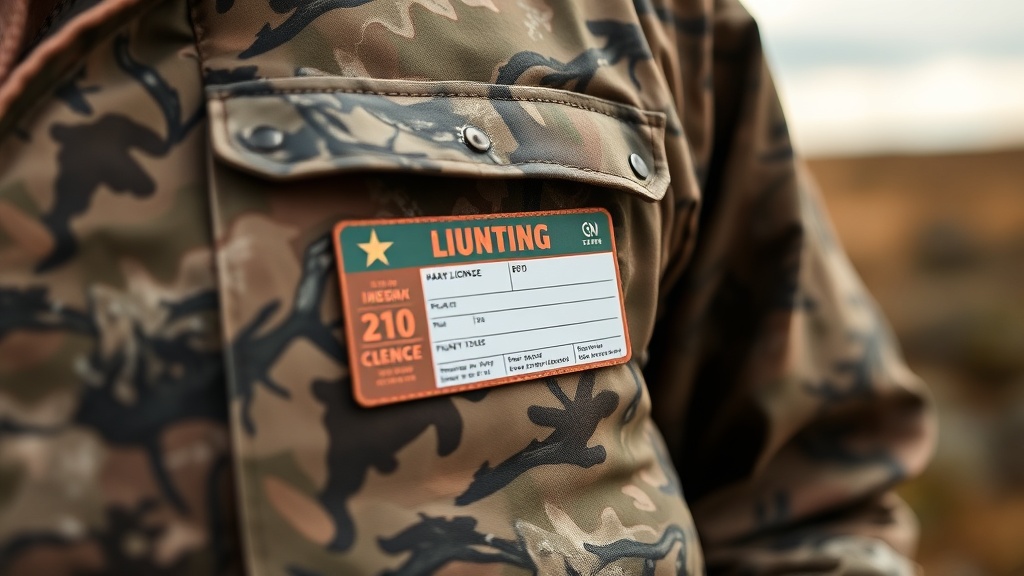
All hunters in Ohio must carry a valid hunting license while afield. Ohio uses a system of base licenses plus species-specific permits that must be purchased separately.
Resident Licenses
Ohio residents can purchase a base hunting license that covers most small game species. Big game and certain other species require additional permits purchased on top of the base license. Resident deer permits, turkey permits, and fur taker permits are all separate. Ohio also offers combination sportsman’s licenses that bundle hunting and fishing.
Non-Resident Licenses
Non-residents pay higher fees for both the base hunting license and species-specific permits. Unlike some states, Ohio does not limit non-resident deer or turkey permits through a draw system. Non-resident permits are available over the counter, making Ohio an accessible destination for out-of-state trophy deer hunters.
Species-Specific Permits
- Deer permit: Required for each deer a hunter intends to take. Hunters can purchase multiple deer permits to fill county-specific bag limits across the archery, gun, and muzzleloader seasons.
- Turkey permit: A separate permit is required for each turkey. Hunters may take up to two bearded gobblers in spring (not on the same day) and one turkey in fall.
- Fur taker permit: Required for hunting or trapping fur-bearing animals including fox, raccoon, opossum, mink, muskrat, and bobcat.
- Wetland habitat stamp: Required for all waterfowl hunters in addition to the base hunting license.
- HIP registration: All migratory bird hunters must register with the federal Harvest Information Program.
- Federal Duck Stamp: Waterfowl hunters 16 and older must carry a valid Federal Migratory Bird Hunting and Conservation Stamp.
Youth and Senior Licenses
Youth hunters under 18 can purchase licenses at significantly reduced fees. Ohio also offers reduced-rate licenses for hunters 66 and older, disabled veterans, and active military personnel. Youth under 18 must be accompanied by a licensed adult while hunting.
Hunter Education
Ohio requires hunter education for all hunters born on or after January 1, 1960. This course covers firearm safety, wildlife conservation, fair chase ethics, survival skills, and Ohio hunting regulations.
Course Formats
Hunter education courses are available in three formats:
- Classroom: Traditional multi-session course with hands-on instruction and a written exam.
- Online with field day: Complete the classroom portion online, then attend a mandatory in-person field day for hands-on skills evaluation.
- Apprentice license: First-time hunters can purchase an apprentice hunting license that allows them to hunt under the direct supervision of a licensed adult 21 or older for one season while completing the education requirement.
Certification
Hunter education certification is valid for life and is recognized by all other states through reciprocity agreements. Proof of certification must be carried while hunting.
Legal Hunting Methods
Ohio has specific regulations on hunting methods that vary by species and season. The most notable restriction is Ohio’s rule regarding firearms for deer hunting.
Ohio’s Straight-Wall Cartridge Rule
This is the most distinctive regulation in Ohio deer hunting. Bottleneck rifle cartridges are not legal for hunting deer in Ohio. This means traditional rifle rounds like .243 Winchester, .270 Winchester, .308 Winchester, and .30-06 Springfield cannot be used for deer.
Legal firearms for deer hunting in Ohio include:
- Shotguns firing slugs (rifled or smoothbore)
- Straight-wall cartridge rifles with a minimum cartridge case length of 1.16 inches and a maximum cartridge case length of 1.80 inches
- Muzzleloaders (.38 caliber or larger)
- Handguns with straight-wall cartridges (.357 caliber or larger)
Popular straight-wall cartridges that are legal in Ohio include:
- .350 Legend – one of the most popular choices since its introduction, offering low recoil and flat trajectory
- .450 Bushmaster – hard-hitting at moderate ranges
- .44 Remington Magnum – available in lever-action and single-shot rifles
- .45-70 Government – a classic big-bore option
- .444 Marlin – powerful with good brush-busting reputation
This regulation is designed to address safety concerns related to the long-range capability of bottleneck rifle cartridges in Ohio’s relatively flat, populated agricultural landscape. Hunters planning a deer trip to Ohio must carefully select their firearm and ammunition to comply with this rule.
Archery Equipment
Bows, compound bows, and crossbows are all legal during the full archery season in Ohio. Crossbows are legal for all hunters during archery season – no disability or age exemption is needed. Ohio was one of the first states to allow universal crossbow use during archery season. Minimum draw weight and broadhead requirements apply. Mechanical (expandable) broadheads are legal.
Shotguns
Shotguns are legal for deer (slugs only), turkey (shot), waterfowl (non-toxic shot required), small game, and upland birds. For migratory bird hunting, shotguns must be plugged to hold no more than three shells total (one in the chamber plus two in the magazine).
Prohibited Methods
Several hunting practices are prohibited in Ohio:
- No baiting deer with corn, grain, salt, or other attractants on public land. Check current rules for private land baiting regulations.
- No hunting from a motor vehicle on public roads.
- No use of drones or aircraft to locate or drive game.
- No spotlighting deer or other game animals.
- No hunting under the influence of alcohol or drugs.
- No Sunday hunting restrictions – Ohio allows hunting on Sundays.
Season Dates and Bag Limits
Season dates and bag limits are set annually by ODNR based on wildlife population surveys. Below is a summary of typical seasons. Always verify exact dates on the ODNR website.

Deer
- Archery: Late September through early February (closed during gun week)
- Youth gun: One weekend in mid-November
- Gun season: Approximately one week in late November to early December
- Muzzleloader: Approximately four days in early to mid-January
- Bag limits:
- Antlered: One per county, up to three statewide across all season types
- Antlerless: Varies by county. In many counties, antlerless limits are very liberal (six or more) to manage high deer populations in agricultural areas. Some counties have more restrictive limits.
Turkey
- Spring: Youth weekend in mid-April, general season mid-April through late May
- Fall: Approximately three weeks in October
- Bag limits: Two bearded gobblers in spring (not same day), one turkey in fall
Waterfowl
- Early teal: Nine days in September
- Regular duck: Split segments from mid-October through mid-January (North and South zones)
- Goose: September early season for resident geese, regular season October through February
- Bag limits: Follow federal frameworks
Small Game
- Squirrel: September through January, six per day
- Rabbit: November through February, four per day
- Pheasant: November through January in select northeastern counties
- Ruffed grouse: October through November, one per day
- Woodcock: October through November, following federal guidelines
For exact current season dates, visit the Ohio seasons page on our site.
Public Land vs. Private Land
Ohio is approximately 85% privately owned, which means private land access is critical for most hunters. However, the state maintains a significant network of public hunting areas.
Wayne National Forest
The Wayne National Forest in southeastern Ohio is the only national forest in the state, covering approximately 240,000 acres across three districts (Athens, Ironton, and Marietta). Wayne NF offers hunting for deer, turkey, squirrel, grouse, and other small game. The hilly terrain and mixed hardwood forest provide classic Appalachian hunting conditions. Access is free with a valid Ohio hunting license.
State Wildlife Areas
ODNR manages over 150 state wildlife areas across Ohio, totaling hundreds of thousands of acres. These areas provide hunting for deer, turkey, waterfowl, pheasant, small game, and fur-bearers. Some wildlife areas have special regulations, including controlled hunts, restricted weapons zones, or stocking programs for pheasant.
Notable wildlife areas include:
- Mosquito Creek Wildlife Area (Trumbull County) – waterfowl, pheasant, deer
- Killdeer Plains Wildlife Area (Wyandot County) – waterfowl, pheasant, deer
- Salt Fork Wildlife Area (Guernsey County) – deer, turkey, squirrel
- Woodbury Wildlife Area (Coshocton County) – deer, turkey, small game
- Big Island Wildlife Area (Marion County) – waterfowl, pheasant
State Forests
Ohio has over 20 state forests managed by ODNR Division of Forestry. Hunting is generally permitted in state forests under statewide regulations. Popular hunting state forests include Shawnee, Tar Hollow, Zaleski, and Hocking state forests in southeastern Ohio.
Private Land Access
For more on public and private land options, see the Ohio hunting land guide.
Trespass Law
Ohio law requires written permission from the landowner or authorized agent before hunting on private property. Verbal permission is not sufficient under Ohio law. Hunters should carry written permission while afield and be able to present it to wildlife officers upon request. Trespassing to hunt is a criminal offense. Hunting on land you do not own without written permission can result in fines, license revocation, and criminal charges.
Safety Requirements
Blaze Orange
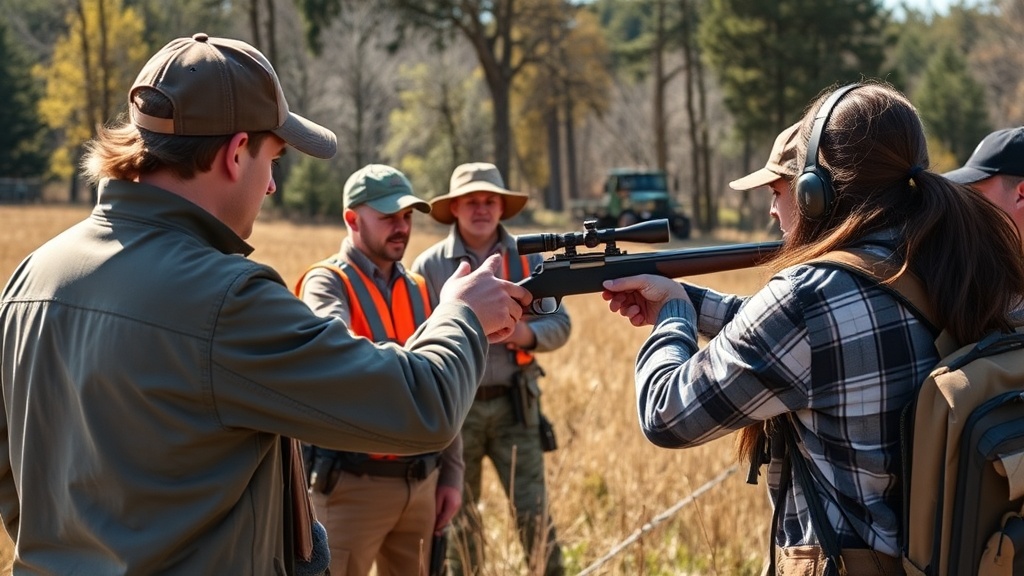 Ohio requires all deer hunters to wear a minimum amount of blaze orange (sometimes called hunter orange or fluorescent orange) during the gun deer season. The requirement typically specifies a vest, coat, jacket, or coveralls that are at least 50% blaze orange, visible from all sides. Blaze orange is also required during the youth gun deer season. Archery and muzzleloader deer hunters are not required to wear blaze orange, though it is recommended when other firearms seasons overlap.
Firearm Transport
Firearms must be unloaded and encased when transported in a vehicle on public roadways. Loaded firearms in vehicles are prohibited.
Treestand Safety
Ohio recommends that all treestand hunters use a full-body safety harness. Treestand falls are one of the leading causes of serious injury and death among deer hunters. A safety harness should be worn from the moment you leave the ground until you return to the ground.
Harvest Reporting
Ohio requires mandatory game checking for deer and turkey. Harvested deer and turkey must be checked in through the ODNR online game check system or by telephone within a specified time frame. Failure to check in your harvest is a violation.
Chronic Wasting Disease (CWD)
Ohio has an active CWD monitoring and surveillance program. While CWD has not been widely detected in Ohio’s wild deer herd, ODNR conducts testing at check stations and through hunter-submitted samples. Carcass importation restrictions may apply when bringing deer into Ohio from CWD-positive states. Hunters should check ODNR guidelines on carcass transport, particularly regarding bringing whole carcasses, brain, or spinal tissue from other states.
Conclusion
Ohio hunting regulations are designed to sustain the state’s excellent wildlife resources, particularly its nationally recognized whitetail deer herd. Understanding licenses, the straight-wall cartridge rule, county-specific bag limits, and public land access will help you plan a legal and successful hunt. For the most current and complete regulations, consult the official ODNR Division of Wildlife website and annual hunting regulations digest.
Last verified: February 13, 2026 — Official sourceMore Ohio Hunting Resources
- Ohio hunting seasons
- Get your Ohio hunting license
- Public and private land access in Ohio
- Hunting locations in Ohio
Ohio Department of Natural Resources, Division of Wildlife. (n.d.). Hunting Resources. Retrieved from https://ohiodnr.gov/buy-and-apply/hunting-fishing-boating/hunting-resources ↩︎
Explore Related Topics:
Notice an update we should make?
We strive for accuracy. Contact us here if you see incorrect or outdated info on this page.