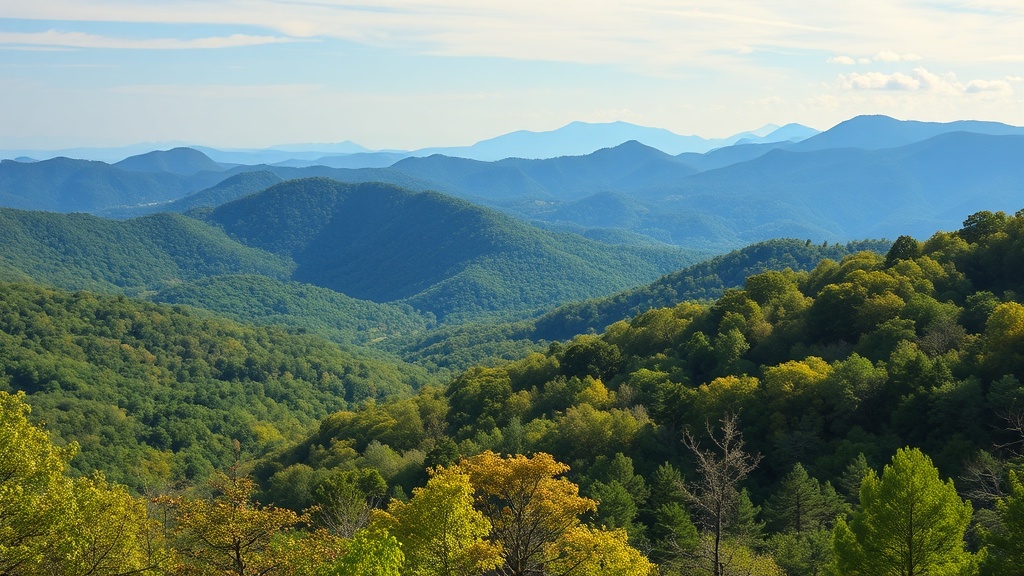
North Carolina offers hunting across three distinct regions: the mountains, the piedmont, and the coastal plain. Each region brings different terrain, species, and regulatory details. The North Carolina Wildlife Resources Commission (NCWRC) sets and enforces all hunting regulations. This guide covers the licensing framework, legal methods, bag limits, land access rules, and safety requirements that every hunter must understand before heading into the field. 1
Hunting Licenses and Permits
All hunters in North Carolina must carry a valid hunting license. Licensing requirements depend on age, residency, and the species being pursued.

Resident vs. Non-Resident Licenses
A resident is defined as someone who has maintained a permanent legal residence in North Carolina for at least 60 days. Residents pay significantly lower license fees than non-residents. Non-resident license fees are among the moderate range compared to other southeastern states.
License Types
- Basic Hunting License: Required for all hunters. This is the foundation license that must be purchased before adding any other privileges.
- Big Game License: A separate license required in addition to the basic hunting license for hunting deer, bear, turkey, and wild boar. Both residents and non-residents must carry this.
- Game Lands License: Required for any hunter using NCWRC-managed game lands. This applies to both big game and small game hunting on public game lands.
- Sportsman License: A combination license that bundles the basic hunting license, inland fishing license, Big Game License, Game Lands License, and several other privileges into a single purchase. This is the most cost-effective option for hunters who pursue multiple species and use public land.
- Federal Duck Stamp: Required for all waterfowl hunters aged 16 and older. This is a federal requirement in addition to state licenses.
- NC Migratory Waterfowl Privilege: Required for hunting ducks, geese, and other migratory waterfowl in North Carolina, in addition to the Federal Duck Stamp.
Youth and Senior Licenses
Hunters under 16 may purchase licenses at reduced rates. Resident hunters aged 70 and older may qualify for lifetime license benefits. Specific age thresholds and pricing are published annually by the NCWRC.
Licenses can be purchased online at the NCWRC website, by phone, or at authorized retail agents throughout the state.
Hunter Education
North Carolina requires hunter education certification for anyone born on or after August 1, 1974. This requirement applies to both residents and non-residents.
Course Options
- Classroom Course: A traditional in-person course taught by NCWRC-certified volunteer instructors. These are offered at locations across the state and include hands-on instruction and a written exam.
- Online Course with Field Day: Complete the knowledge portion online, then attend a required in-person field day for hands-on skills evaluation. This is the most popular option for adult hunters.
- Apprentice Hunting License: First-time hunters who have not yet completed hunter education may purchase an Apprentice Hunting License. This allows them to hunt under the direct supervision of a licensed adult aged 18 or older who possesses a valid hunting license. The apprentice option can be used for up to two consecutive license years.
Hunter education certification from other states or Canadian provinces is recognized in North Carolina through reciprocity agreements.
Legal Hunting Methods
North Carolina regulates the types of weapons, ammunition, and techniques that may be used for hunting.
Firearms
- Rifles: Legal for deer hunting in most counties. The minimum caliber for deer is .22 centerfire. However, some eastern counties are designated as shotgun-only zones where rifles are not permitted for deer hunting. Always check the county-specific regulations chart.
- Shotguns: Legal statewide for all game species. Required in shotgun-only counties for deer. For migratory birds, shotguns are limited to a three-shell capacity.
- Handguns: Legal for deer and other big game when meeting minimum caliber requirements.
- Muzzleloaders: Legal during designated muzzleloader seasons and during the general gun season. Must meet NCWRC specifications for ignition type and projectile.
Archery and Crossbows
Compound bows, recurves, and longbows are legal during archery seasons and during the general gun season. Crossbows are legal during archery season and during gun season in North Carolina. Minimum draw weight and broadhead requirements apply for big game.
Hunting with Dogs
The use of dogs for deer hunting is a long-standing tradition in parts of eastern North Carolina. Dog hunting for deer is permitted only in specific counties, primarily on the coastal plain. Hunters must follow designated dog-deer hunting areas and dates. Using dogs to hunt bear is also legal in certain eastern counties during bear season.
Sunday Hunting
Sunday hunting is legal on private land throughout North Carolina. Legislation passed in 2015 and expanded in 2017 also opened certain public game lands to Sunday hunting. Not all game lands permit Sunday hunting, so verify the specific rules for your intended hunting area before planning a Sunday trip.
Baiting
Baiting is illegal for deer and bear in North Carolina. Hunters may not hunt over or within sight of bait, salt licks, or mineral supplements placed for the purpose of attracting deer or bear. Violations carry significant fines and potential license revocation. Standing agricultural crops and natural food sources are not considered bait.
Season Dates and Bag Limits
Season dates are set annually by the NCWRC and vary by species, zone, and weapon type. Always consult the current regulations digest for exact dates. For a complete overview of all season dates, see our North Carolina hunting season guide.
Deer
- Seasonal Bag Limit: Six deer per season, with no more than two antlered bucks.
- Antlerless Harvest: Varies by county. Some counties allow antlerless harvest throughout the gun season, while others restrict it to specific either-sex days. Check the NCWRC county regulations chart.
- Antler Restrictions: Some counties have antler point restrictions requiring bucks to have a minimum number of points on one side before they are legal to harvest.
- Reporting: Mandatory harvest reporting is required for all deer. Report through the NCWRC online system or mobile app.
Turkey
- Spring Season Limit: Two gobblers per season, one per day. Only male or bearded turkeys are legal.
- Legal Weapons: Shotguns, muzzleloading shotguns, and archery equipment. Rifles are not legal for turkey.
- Reporting: Mandatory harvest reporting is required for all turkeys.
Bear
- Bag Limit: One bear per hunter per season, statewide.
- Permit Areas: Some eastern bear hunting areas require a permit obtained through the NCWRC lottery. Applications open annually with specific deadlines.
- Reporting: All bears must be checked in with the NCWRC within 24 hours of harvest.
Public vs. Private Land
North Carolina provides over two million acres of public game lands, but the majority of the state’s land is privately owned.
Public Game Lands
The NCWRC manages more than 2 million acres of game lands across the state. Additionally, hunters can access portions of four National Forests: Pisgah, Nantahala, Uwharrie, and Croatan. Several military installations also open portions of their land to hunting through special access programs.
A Game Lands License is required for all hunting on NCWRC game lands. Many game lands have their own specific rules regarding allowed species, weapon types, and access periods. These are published in game land-specific regulation sheets available from the NCWRC.
National Wildlife Refuges, including Alligator River NWR and Mattamuskeet NWR, offer hunting opportunities under federal regulations in addition to state rules.
Private Land
Private land hunting is accessed through personal relationships with landowners, hunting leases, hunting clubs, and guided outfitter operations. The piedmont and coastal plain regions have the most active lease markets. Written permission from the landowner is always required. Trespassing carries criminal penalties.
For a detailed guide to accessing hunting land in North Carolina, see our North Carolina hunting land guide.
Chronic Wasting Disease (CWD)
North Carolina participates in a multi-state CWD monitoring and surveillance program. As of the most recent survey data, CWD has not been confirmed in North Carolina’s wild deer herd, but the state maintains vigilance due to detections in neighboring states.
Carcass Transport Rules
Hunters should be aware of carcass importation restrictions. Bringing whole deer carcasses or certain high-risk parts (brain, spinal column) into North Carolina from states with confirmed CWD is restricted. The NCWRC publishes a current list of restricted states and acceptable carcass parts on their website.
Voluntary Testing
The NCWRC offers voluntary CWD testing at designated check stations and through cooperation with taxidermists and processors. Hunters are encouraged to participate in sampling efforts.
Blaze Orange Requirements
Wearing blaze orange is required on all NCWRC game lands during open gun deer seasons. At minimum, hunters must wear a cap or hat of blaze orange that is visible from all directions. On private land, blaze orange is strongly recommended but not legally required. During archery-only and muzzleloader-only seasons, blaze orange requirements may differ by game land. Check individual game land rules.

Staying Current with Regulations
Hunting regulations change each year. These changes reflect population surveys, habitat conditions, and management objectives.
Official Sources
The North Carolina Wildlife Resources Commission is the sole official source for all hunting regulations. Their annual regulations digest is available online as a downloadable PDF, through the NCWRC mobile app, and in print at license agents statewide. 1
Reporting Harvests
North Carolina uses a mandatory electronic game harvest reporting system. Hunters must report deer, turkey, and bear harvests through the NCWRC website or mobile app. Timely reporting is a legal requirement and provides critical data for wildlife management.
Final Checklist
- Purchase all required licenses and stamps before hunting.
- Complete hunter education if born on or after August 1, 1974.
- Verify county-specific season dates, bag limits, and weapon restrictions.
- Carry your Game Lands License if hunting on public game lands.
- Wear blaze orange as required during gun seasons on game lands.
- Report all deer, turkey, and bear harvests through the NCWRC system.
- Review CWD carcass transport rules if hunting near state borders.
- Confirm Sunday hunting is allowed on your specific game land before planning a Sunday hunt.
More North Carolina Hunting Resources
- North Carolina hunting seasons
- Get your North Carolina hunting license
- Public and private land access in North Carolina
- Hunting locations in North Carolina
Explore Related Topics:
Notice an update we should make?
We strive for accuracy. Contact us here if you see incorrect or outdated info on this page.