New York offers surprisingly diverse hunting opportunities, from the vast forests of the Adirondacks and Catskills to the farmland of the Finger Lakes and the rolling hills of the Southern Tier. The New York State Department of Environmental Conservation (DEC) manages all wildlife and hunting regulations across the state. Whether you are a lifelong resident or planning a non-resident trip, understanding New York’s hunting rules is essential before you head to the field.
Hunting Licenses and Endorsements
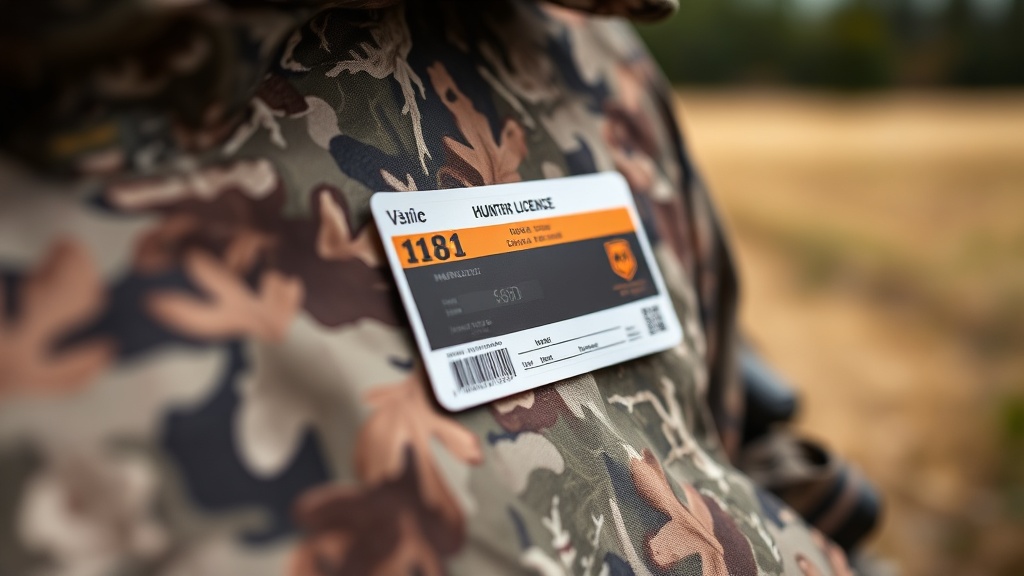
The New York DEC manages all hunting licenses and permits. Licenses can be purchased online at dec.ny.gov, by phone, or at authorized sporting goods retailers and town clerks across the state. Every hunter must carry a valid license while hunting, and the specific license required depends on your residency status, age, and the species you are pursuing.
License Types
New York offers several core license types. The big game license allows hunting for deer and bear during the regular firearms season. The small game license covers species such as rabbit, squirrel, pheasant, grouse, and other upland birds. A bowhunting privilege must be added to your license if you plan to hunt during the archery season. Similarly, a muzzleloading privilege is required for the muzzleloader season. These privileges are purchased as add-ons to a base hunting license, not as standalone permits.
Turkey Permits
Turkey hunting requires a turkey permit in addition to a valid hunting license. Spring and fall turkey seasons each require their own permit. Spring permits allow the harvest of bearded turkeys only, while fall permits may allow either-sex harvest depending on the Wildlife Management Unit (WMU).
Deer Management Permits (DMPs)
Deer Management Permits allow hunters to harvest additional antlerless deer in specific WMUs where the DEC has determined that the deer population needs to be reduced. DMPs are distributed through an application process, and hunters may apply for up to two DMPs per year. The availability of DMPs varies significantly by WMU, with some units having abundant permits and others being oversubscribed.
Habitat/Access Stamp and Other Requirements
Hunters aged 18 and older must purchase a Habitat/Access Stamp along with their license. Revenue from this stamp supports habitat improvement and public access programs. Waterfowl hunters also need a Federal Duck Stamp and must register with the Harvest Information Program (HIP). Junior licenses are available for hunters aged 12 to 15, and senior licenses offer reduced fees for hunters aged 70 and older 1.
Hunter Education
New York requires hunter education for all first-time hunters. You must present proof of completing an approved hunter education course before purchasing a hunting license for the first time.
Course Format
The standard hunter education course covers firearm safety, wildlife identification, conservation principles, hunting ethics, survival skills, and New York-specific regulations. Courses are available in a traditional classroom format led by volunteer instructors, as well as an online course with a mandatory in-person field day. The field day includes hands-on exercises and live-fire components that cannot be replicated online.
Bowhunter and Trapper Education
Hunters who wish to obtain the bowhunting privilege must complete a separate bowhunter education course. This course covers equipment selection, shot placement, tracking wounded game, and safety practices specific to archery. Individuals interested in trapping must complete a trapper education course before obtaining a trapping license.
Age Requirements
The minimum age for hunting big game in New York is 12 years old. Hunters aged 12 and 13 must be accompanied by a parent, guardian, or mentor who is at least 21 years old. The accompanying adult must hold a valid hunting license and remain in close proximity at all times. Junior hunters aged 14 and 15 may hunt big game without direct adult supervision but must still hold a junior license and have completed hunter education 1.
Legal Hunting Methods
New York has detailed regulations governing the types of weapons, equipment, and techniques that hunters may use. These rules vary by region, season, and species.
Firearms Regulations
Rifles are legal for big game hunting in most of the state. However, in several counties near New York City, including Westchester, Suffolk, and Nassau counties, rifles are prohibited for big game, and hunters must use shotguns or archery equipment instead. This restriction exists due to the higher population density in these areas. Shotguns used for big game must fire single projectiles such as slugs. For small game and waterfowl, shotguns are the primary firearm, with shot size restrictions varying by species.
New York prohibits the use of semi-automatic rifles that hold more than six rounds for big game hunting. Fully automatic weapons are prohibited entirely. Handguns may be used for big game hunting if the hunter holds a valid New York pistol permit, and the handgun meets minimum caliber and barrel length requirements.
Archery and Crossbow Regulations
Crossbows are legal statewide during specific crossbow seasons and during the regular firearms season. During the early archery season, only compound bows, recurve bows, and longbows are permitted. Crossbows have their own designated season windows. All archery equipment must meet minimum draw weight and broadhead requirements for big game.
Baiting and Other Restrictions
Baiting is prohibited for deer hunting throughout New York State. This means hunters may not place or use food, minerals, salt, or other attractants to lure deer to a hunting location. Hunting over bait is also prohibited for bear. Hunters may not hunt from a motor vehicle, and the use of drones to locate or drive game is not permitted. Sunday hunting is legal on private land statewide, but restrictions may apply on some public lands 1.
Season Dates Summary
New York’s hunting seasons are structured around Wildlife Management Units (WMUs), with dates and regulations varying by zone. Always verify current dates through the DEC or our New York season dates page.
Deer and Bear Seasons
The early archery season opens in October and runs through the regular firearms season. The regular firearms season for deer and bear typically runs from the third Saturday in November through early December, though the exact dates vary by WMU, with the Northern Zone and Southern Zone operating on different schedules. The late archery and muzzleloader seasons extend into December, providing additional hunting opportunities after the regular firearms season closes.
Turkey Seasons
The spring turkey season runs for several weeks in May, with a youth-only weekend preceding the general opener. The fall turkey season varies by WMU and is typically available in October and November. Shotguns and archery equipment are the primary legal methods for turkey.
Small Game and Waterfowl
Small game seasons for squirrel, rabbit, pheasant, grouse, and woodcock generally run from October through the winter months. Waterfowl seasons for ducks and geese are set within federal frameworks and vary by zone. New York is divided into multiple waterfowl hunting zones, each with its own season dates and species-specific regulations 1.
Bag Limits
Bag limits in New York are set by the DEC and vary by species, WMU, and season. They are designed to maintain sustainable wildlife populations across the state’s diverse habitats.
Deer
Hunters may harvest one antlered deer per season in most WMUs using their regular big game tag. Additional antlerless deer may be taken with Deer Management Permits (DMPs), which are WMU-specific. Some WMUs also offer antlerless-only seasons or bonus tags to help manage local deer populations. In the Southern Zone, hunters may take an additional antlered deer in some WMUs with a second tag included with the hunting license.
<strong>Season limit:</strong> 2Turkey
During the spring season, hunters may harvest two bearded turkeys, with a maximum of one per day. During the fall season, the bag limit is typically one turkey of either sex, though this varies by WMU. Some WMUs do not have a fall turkey season.
<strong>Daily limit:</strong> 1 | <strong>Season limit:</strong> 2Bear
The bag limit for black bear is one per year. Bears are taken primarily during the early and regular firearms seasons, with archery and muzzleloader opportunities as well. Bear hunting is concentrated in the Adirondacks, Catskills, and the Southern Tier, though bears are expanding their range across the state.
Waterfowl
Daily bag limits for ducks, geese, and other migratory birds follow federal frameworks set by the U.S. Fish and Wildlife Service. Species-specific restrictions apply to certain ducks, and possession limits are typically three times the daily bag limit 1.
Public vs. Private Land Rules
New York offers substantial public land hunting opportunities, though private land hunting remains popular throughout the state. For more details on finding hunting land, visit our land access guide.
Public Land Access
The DEC manages millions of acres of public land open to hunting. This includes state forests, wildlife management areas (WMAs), and unique areas designated for specific conservation purposes. The Adirondack Park and Catskill Park contain vast tracts of Forest Preserve land classified as “forever wild” under the state constitution, and these lands are open to hunting during regular seasons. State forests across the Southern Tier, Finger Lakes, and other regions also provide excellent public hunting access.
Private Land Rules
New York has a posted land law that requires landowners to post signs to indicate that hunting is not permitted. Land that is not posted is technically open to hunting, though ethical hunters always seek permission regardless of posting status. Written permission is recommended to avoid any misunderstandings. Trespassing on clearly posted land can result in fines and criminal charges. Cultivated land, whether posted or not, requires permission.
Cooperative Hunting Access Programs
The DEC works with private landowners through programs that open enrolled properties to public hunting. These properties are mapped on the DEC website and provide additional access beyond traditional public lands 1.
Game Processing and Transport
After a successful harvest, New York has specific rules for tagging, reporting, and transporting game animals.
Tagging Requirements
Deer, bear, and turkey must be tagged immediately upon harvest. Hunters must fill out the carcass tag attached to their license or permit and affix it to the animal before moving it. The tag must remain attached until the animal is processed.
Harvest Reporting
All deer, bear, and turkey harvests must be reported within seven days of the kill. Reporting can be done online through the DEC website, by phone, or at a check station. Timely reporting is essential for the DEC to monitor wildlife populations and adjust management strategies.
CWD Surveillance and Transport
Chronic Wasting Disease (CWD) has not been widely detected in New York, but the DEC maintains an active surveillance program. Restrictions on carcass transport and import apply. Hunters who harvest deer out of state may face restrictions on bringing whole carcasses or certain parts back into New York. The DEC offers voluntary CWD testing at select sampling stations. Hunters should check the latest DEC advisories for any new CWD-related restrictions before transporting deer 1.
Safety and Ethics
New York prioritizes hunter safety and ethical conduct through regulations and education programs.
Fluorescent Orange and Pink
While New York does not mandate blaze orange for all hunters during every season, it is strongly recommended during firearms seasons. Some public lands may require blaze orange as a condition of access. Wearing fluorescent orange or pink significantly reduces the risk of hunting-related incidents.
Hunting Near Dwellings
New York law prohibits discharging a firearm, crossbow, or bow within 500 feet of an occupied dwelling, school, church, or other public building without the owner’s permission. This buffer zone is one of the strictest in the country and is important to understand, especially when hunting in more populated rural areas.
Ethical Hunting Practices
Hunters are expected to follow fair chase principles, make every reasonable effort to recover wounded game, respect other hunters and non-hunters sharing the land, and leave no trace. Wanton waste of game is illegal. Report poaching and wildlife violations to the DEC’s Environmental Conservation Police via the tip line.
Official Sources
The New York State Department of Environmental Conservation is the sole authority on hunting regulations in the state. Regulations are updated annually, and hunters are responsible for reviewing the current Hunting and Trapping Regulations Guide before each season.
Last verified: February 13, 2026 — Official sourceMore New York Hunting Resources
- New York hunting seasons
- Get your New York hunting license
- Public and private land access in New York
- Hunting locations in New York
Explore Related Topics:
Notice an update we should make?
We strive for accuracy. Contact us here if you see incorrect or outdated info on this page.