Montana draws hunters from across the country with its vast landscapes, diverse game species, and deeply rooted hunting traditions. From the rugged peaks of the Bob Marshall Wilderness to the sweeping grasslands east of the Rockies, the state provides hunting experiences that are hard to match anywhere else. Montana Fish, Wildlife & Parks (FWP) manages all hunting activities, and understanding the regulations is essential before heading afield 1.
Hunting Licenses and Tags
Every hunter in Montana must possess a valid license before pursuing any game species. FWP administers all licenses, permits, and tags through its online licensing system and authorized agents.

Conservation License
The conservation license serves as the base license in Montana. Every hunter and angler must purchase a conservation license before buying any other hunting or fishing license. It is essentially the entry point into the licensing system and supports wildlife management and habitat programs across the state.
Resident Licenses
Montana residents benefit from significantly lower license fees and broader access to tags and permits. To qualify as a resident, you must have lived in Montana for at least 180 consecutive days immediately prior to applying and intend to make Montana your permanent home.
Resident hunters can purchase:
- Sportsman License: A combination license that includes deer, elk, upland bird, and fishing privileges in a single purchase. This is the most popular option for Montana residents who pursue multiple species.
- Individual Species Tags: Residents can also purchase individual deer, elk, antelope, and bird licenses separately if they prefer.
- Deer and Elk Combo: The general deer and elk license combination is the most common purchase for resident big game hunters. It provides a general deer tag and a general elk tag valid across most open districts.
Non-Resident Licenses
Non-resident hunters pay substantially higher fees for Montana licenses. Non-resident big game combination licenses include deer and elk tags but are priced at a premium compared to resident equivalents.
Non-resident license availability is managed carefully by FWP. For some species and districts, the number of non-resident permits is capped, and a draw is required.
A-7 Elk License and B Licenses
Montana’s tag system includes several specific license designations:
- A-7 General Elk License: This is the standard general elk tag available to residents, valid in most open hunting districts during the general season.
- B Licenses: These are additional antlerless permits issued through the draw for specific districts. B licenses help FWP manage populations in areas where herds exceed habitat objectives. They provide extra harvest opportunity and are often easier to draw than other limited permits.
Special Draw Permits
Permits for moose, bighorn sheep, mountain goat, and specific high-demand elk and deer districts are allocated through FWP’s annual drawing. Applications are due in the spring, and results are typically announced before summer. Preference points accumulate for unsuccessful applicants, improving future draw odds.
Hunter Education Requirements
Montana requires hunter education certification for hunters born on or after January 1, 1985. This applies to both residents and non-residents 1.
Who Must Complete Hunter Education
If you were born on or after January 1, 1985, you must present proof of completing an approved hunter education course before purchasing a Montana hunting license. Hunters born before that date are exempt.
Course Options
FWP offers several pathways to fulfill the hunter education requirement:
- Traditional Classroom Course: A multi-session, instructor-led course covering firearm safety, wildlife conservation, hunting ethics, survival skills, and Montana-specific regulations. The course includes both classroom instruction and a field day.
- Online Course with Field Day: An online self-study course followed by a mandatory in-person field day where students demonstrate practical skills and pass a written examination.
- Apprentice License: Montana offers an apprentice hunting license that allows first-time hunters to hunt while accompanied by a licensed adult mentor. The apprentice license is valid for one year and is intended to introduce new hunters to the sport before completing formal hunter education.
Hunter education certifications from other states and Canadian provinces are recognized in Montana through interstate reciprocity.
Bowhunter Education
Montana does not require a separate bowhunter education course, but FWP recommends it for anyone new to archery hunting. Bowhunter education covers equipment safety, shot placement, tracking, and ethical considerations specific to archery.
Legal Hunting Methods
Montana regulates the weapons, ammunition, and methods that hunters may use. Rules vary by species, season type, and in some cases by specific hunting district 1.
Rifles and Firearms
- Centerfire Rifles: Legal for big game during general rifle seasons. Montana does not impose a minimum caliber requirement for big game, but hunters are expected to use cartridges adequate for the species pursued.
- Shotguns: Legal for big game with slugs and for upland birds and waterfowl. Waterfowl hunting requires non-toxic shot and a three-shell capacity plug.
- Handguns: Legal for big game if they meet practical power requirements for the species.
- Muzzleloaders: Legal during designated muzzleloader seasons. Montana has specific requirements for muzzleloader specifications, including restrictions on in-line actions in some cases.
Archery Equipment
- Bows must have a minimum draw weight of 28 pounds for big game hunting.
- Broadheads must be sharp and of a fixed or mechanical design suitable for big game.
- Crossbows are generally legal during the general rifle season and for hunters with qualifying disabilities during archery season. Check current regulations for specific crossbow rules, as these have evolved in recent years.
Electronic Calls
Electronic calling devices are prohibited for hunting elk, deer, and antelope in Montana. Electronic calls are permitted for predator hunting (coyotes, foxes) and some other species. Always verify current call restrictions for your target species.
Baiting
Baiting is illegal for all big game species in Montana. You may not place, use, or hunt over bait including salt, grain, minerals, or other attractants to lure big game. This prohibition applies on both public and private land.
Use of Dogs
Dogs may be used for hunting upland birds, waterfowl, mountain lions, and some other species. Dogs are not permitted for hunting big game species other than mountain lion.
Season Dates and Bag Limits
Montana’s seasons are structured around species, weapon type, and hunting district. The state uses a combination of general tags and limited draw permits to manage harvest 1.
General Deer and Elk Season
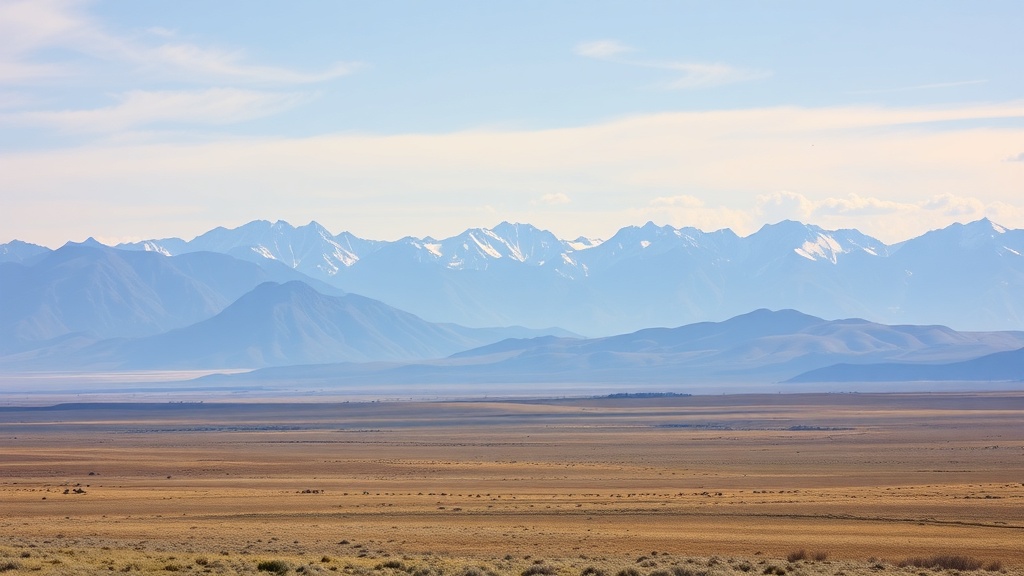
The general deer and elk rifle season typically runs from late October through late November. During this period, hunters with a general deer tag and a general elk tag may hunt in most open districts across the state.
- Elk: The general elk tag allows harvest of either-sex elk during the archery season. During the general rifle season, the tag is typically valid for antlered (brow-tined bull) elk only in most districts. Cow elk permits for the rifle season are issued through the B license draw. <strong>Season limit:</strong> 1
- Deer: The general deer tag allows harvest of one deer. Mule deer harvest is typically limited to one mule deer buck per year across most of the state. Whitetail deer regulations vary by district, with some areas allowing either-sex harvest and others restricting to antlered deer. <strong>Season limit:</strong> 1
Mule Deer Regulations
Montana has implemented specific regulations to manage mule deer populations. In most districts, hunters are limited to one mule deer buck per year. Some districts have antler-point restrictions or are entirely closed to mule deer harvest during certain seasons. These restrictions reflect FWP’s commitment to sustainable management of a species that faces habitat and population pressures.
Pronghorn
Pronghorn tags are allocated through the draw system, with permits assigned to specific hunting districts. Archery pronghorn seasons generally open in August or September, while rifle seasons open in October. Bag limits are one pronghorn per tag per year.
Public Land Access and Block Management
Montana is one of the best states in the country for public land hunting access. Over 30 million acres of public land are open to hunting, including Bureau of Land Management (BLM) lands, National Forest System lands, state trust lands, and National Wildlife Refuges 1.
Public Land Overview
- BLM Land: Approximately 8 million acres managed by the Bureau of Land Management, concentrated in eastern and central Montana.
- National Forests: Multiple National Forests spanning millions of acres in western Montana, including the Helena-Lewis and Clark, Gallatin, Beaverhead-Deerlodge, Flathead, Lolo, and Custer Gallatin National Forests.
- State Trust Lands: Montana’s state trust lands are open to hunting by foot or horseback without special permission, though access rules apply. Motorized use requires landowner permission.
Block Management Program
Montana’s Block Management Program is one of the best public hunting access programs in the entire United States. Through this program, FWP partners with private landowners who voluntarily enroll their land for public hunting access. The program provides free access to over 7 million acres of private land, significantly expanding hunting opportunities beyond public land boundaries.
Block Management areas are managed through FWP, and hunters typically need to register at a sign-in box before hunting. Some areas restrict the number of hunters per day to manage pressure, while others offer unrestricted walk-in access.
For detailed information on public and private land access, see our Montana land access guide.
Private Land and Trespass Laws
Montana law requires hunters to obtain permission before hunting on private land. The state operates under a posting requirement: private land must be posted with signs at reasonable intervals along boundaries or at access points to provide notice that entry is restricted.
However, even on unposted private land, it is best practice and a matter of ethics to seek permission from the landowner before hunting. Trespass violations carry fines and can result in license revocation.
Written Permission
FWP recommends obtaining written permission from landowners. Verbal agreements are legally acceptable, but written permission reduces misunderstandings and provides documentation for both parties.
Chronic Wasting Disease (CWD) Monitoring
CWD has been detected in deer and elk populations in parts of Montana. FWP maintains an active CWD surveillance and monitoring program that includes mandatory and voluntary sample submission in specific hunting districts 1.
 Hunters in designated CWD management zones may be required to submit the head of their harvested deer or elk for testing. FWP provides CWD sampling stations and testing at no cost to hunters.
Carcass transport restrictions may apply in CWD-affected areas. Hunters should check current FWP guidelines for any restrictions on moving brain, spinal cord, or other high-risk tissues.
Fluorescent Orange Requirements
Montana does not legally require hunters to wear fluorescent orange during big game seasons. However, FWP strongly recommends wearing at least 400 square inches of fluorescent orange above the waist, including a head covering, during rifle seasons. Wearing orange is a proven safety measure that significantly reduces the risk of hunting-related incidents.
Official Sources
Regulations change annually. Always consult the latest FWP resources before hunting.
- Montana Fish, Wildlife & Parks: fwp.mt.gov/hunt
- Hunting Season Dates: See our Montana hunting seasons overview for a comprehensive dates guide.
- Land Access: See our Montana land access guide for public land and Block Management details.
Understanding and following Montana’s hunting regulations protects wildlife populations, preserves the state’s hunting heritage, and ensures a safe experience for everyone in the field.
Last verified: February 13, 2026 — Official sourceMore Montana Hunting Resources
- Montana hunting seasons
- Get your Montana hunting license
- Public and private land access in Montana
- Hunting locations in Montana
Explore Related Topics:
Notice an update we should make?
We strive for accuracy. Contact us here if you see incorrect or outdated info on this page.