Missouri offers outstanding hunting opportunities managed by the Missouri Department of Conservation (MDC). Following regulations ensures a safe, legal, and ethical hunt. This guide covers key requirements for hunting in Missouri. Always verify the current rules on the official MDC website before every hunt.1
Hunting Permits and Licenses
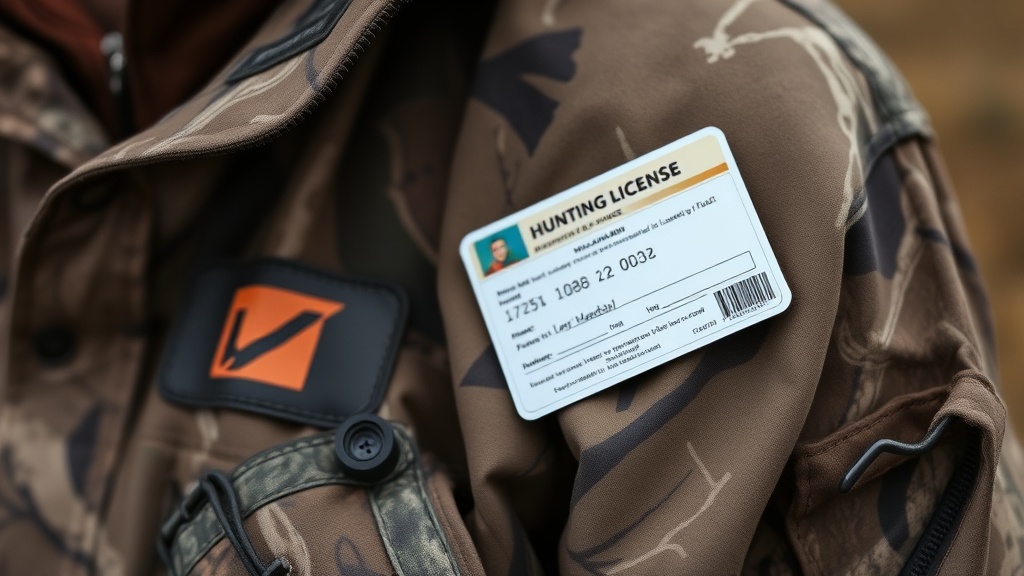
Missouri uses the term “permit” rather than “license” for most hunting authorizations. All hunters need the appropriate permits before heading afield. Permits are available online through the MDC website, by phone, or at authorized permit vendors throughout the state.
Resident vs. Non-Resident Permits
Missouri residents pay lower permit fees than non-residents. A resident is defined as a person who has lived in Missouri for at least six months. Military personnel stationed in Missouri may qualify for resident rates. Non-resident permits are available for most species but cost significantly more, particularly for deer and turkey.
Key Permit Types
Missouri’s permit system includes several categories:
| Permit Type | Who Needs It | Notes |
|---|---|---|
| Small Game Hunting Permit | All hunters | Required as a base permit for most hunting activities |
| Firearms Deer Permit | Deer hunters using firearms | Allows harvest of one antlered and one antlerless deer during firearms portions |
| Archery Deer Permit | Bowhunters targeting deer | Valid during archery and alternative methods portions |
| Turkey Permit | Turkey hunters | Required for both spring and fall seasons |
| Migratory Bird Hunting Permit | Waterfowl and dove hunters | State permit; federal duck stamp also required for waterfowl |
| Managed Deer Permits | Antlerless deer hunters | Bonus tags available in counties where additional doe harvest is encouraged |
| Trapping Permit | Trappers | Required for all trapping activities |
| Elk Permit | Elk hunters | Issued by special drawing only; limited to Missouri residents |
Youth Permits
Missouri residents age 15 and younger may hunt most species without purchasing a permit if accompanied by a licensed adult. Youth age 11-15 can purchase their own permits. Hunters under 11 must be directly supervised by a permitted adult age 18 or older.
Federal Duck Stamp
All waterfowl hunters age 16 and older must carry a valid Federal Migratory Bird Hunting and Conservation Stamp (duck stamp) in addition to the state migratory bird permit. The stamp can be purchased at post offices, online, or at many sporting goods retailers.
Hunter Education
Missouri requires hunter education for many hunters. The course covers firearm safety, wildlife conservation, ethics, and regulations.
Who Needs Hunter Education
Anyone born on or after January 1, 1967, must complete an approved hunter education course before purchasing a hunting permit. This applies to both residents and non-residents hunting in Missouri.
Course Options
Hunter education courses are available in several formats:
- Traditional Classroom Course: Typically taught over one or two days by volunteer instructors at locations throughout the state. This includes both classroom instruction and a live-fire component.
- Online Course: An internet-based option that allows self-paced study. Online students must still complete a field day with live-fire exercises to receive their certification.
- Abbreviated Course for Adults: Adults age 16 and older may complete an abbreviated one-day course.
Mentored Youth Exemption
Youth hunters under 16 who have not yet completed hunter education may still hunt if directly supervised by a permitted adult who is at least 18 years old and has completed hunter education. The adult must remain close enough to communicate without electronic devices and must be able to see and hear the youth at all times.
Lifetime Certification
Once completed, Missouri hunter education certification is valid for life. Missouri also recognizes hunter education certificates from all other states and Canadian provinces.
Legal Hunting Methods
Missouri regulates how hunters may harvest game. Understanding legal methods prevents violations and promotes fair chase.
Firearms for Deer
Missouri has specific rules for firearms used during deer seasons. During the November firearms deer season, hunters may use:
- Centerfire rifles of any caliber (legal statewide during firearms portions)
- Shotguns loaded with slugs, buckshot (where legal), or saboted projectiles
- Muzzleloading firearms of .40 caliber or larger
- Handguns using centerfire cartridges with an expanding bullet
Important county restriction: In some counties, particularly those near urban areas, only shotguns, pistol-caliber handguns, and muzzleloaders are legal during the firearms deer season. Centerfire rifles are prohibited in these counties. Check the MDC regulations for the specific list of Alternative Methods counties.
Archery Equipment
During archery seasons, both compound bows and crossbows are legal. Missouri does not require a medical exemption for crossbow use during archery season. Crossbows are treated as standard archery equipment. Minimum draw weight is not specified, but broadheads must have at least two cutting edges.
Atlatl
Missouri is one of the few states that permits hunting deer and turkey with an atlatl (spear-throwing device). This method is legal during the archery and alternative methods deer portions and during turkey seasons.
Air Guns
Air rifles of .40 caliber or larger firing a projectile that expands on impact are legal during the alternative methods deer portion. This is a growing method that offers a unique challenge.
Prohibited Methods
Several hunting methods are illegal in Missouri:
- Hunting from a motorized vehicle on public roads or rights-of-way
- Using artificial lights or night vision to hunt deer (except for authorized nuisance permits)
- Hunting with fully automatic firearms
- Using electronic calls for deer or turkey (electronic calls are legal for predators and during the Light Goose Conservation Order)
- Hunting under the influence of alcohol or controlled substances
Baiting Regulations
Baiting is an important and often misunderstood regulation in Missouri.
- Deer and turkey: Baiting is illegal on all MDC conservation areas and other public lands. On private land, placing grain, minerals, or other feed to attract deer or turkey is illegal if done within 10 days of hunting. Standing agricultural crops, food plots that are planted and left standing, and natural food sources do not count as bait.
- Waterfowl: Baiting is a federal violation. No person may hunt migratory birds over baited areas. Crops harvested in a normal agricultural manner are not considered bait.
Season Dates and Bag Limits
Season dates and bag limits are critical for managing wildlife populations. These vary by species and sometimes by county. For detailed season dates, see Missouri hunting season dates.
Deer Bag Limits
Missouri allows the harvest of two antlered deer per year statewide. Antlerless deer limits vary by county through the Managed Deer Permit system. In counties where deer populations are above target, additional antlerless tags are available. A single hunter can potentially harvest several deer per year when combining permits and bonus tags.
<strong>Season limit:</strong> 4Turkey Bag Limits
The spring turkey season limit is two bearded turkeys (gobblers or bearded hens), with a daily limit of one. The fall turkey limit is one turkey of either sex.
<strong>Daily limit:</strong> 1 | <strong>Season limit:</strong> 2Small Game Bag Limits
| Species | Daily Limit | Possession Limit |
|---|---|---|
| Quail | 8 | 16 |
| Pheasant | 2 roosters | 4 |
| Squirrel | 10 | 20 |
| Rabbit | 6 | 12 |
| Dove | 15 | 45 |
Telecheck Harvest Reporting
Missouri uses the Telecheck system for mandatory harvest reporting. Hunters must report the harvest of deer, turkey, and elk by midnight on the day of the kill. Reporting can be done online through the MDC website, through the MO Hunting app, or by calling the Telecheck phone number. You will receive a confirmation number that serves as your temporary transport tag. Failure to Telecheck is a violation.
Chronic Wasting Disease (CWD)
CWD has been detected in whitetail deer in multiple Missouri counties, primarily in north-central Missouri. The MDC actively monitors and manages CWD through:
- Mandatory CWD testing in designated CWD Management Zone counties during firearms deer season
- Voluntary CWD testing at sampling stations statewide
- Carcass transport restrictions in CWD Management Zone counties, prohibiting the transport of whole carcasses or high-risk parts (brain, spinal cord, eyes, spleen) out of the zone
- Carcass disposal requirements for deer harvested in CWD zones
Hunters should check the MDC website for the current list of CWD Management Zone counties before the season. CWD surveillance is an ongoing effort, and the boundaries may change annually.
Public vs. Private Land Hunting
Missouri offers excellent access to both public and private hunting land.
Public Land
Missouri has more than 1,000 MDC conservation areas totaling over one million acres. The Mark Twain National Forest adds approximately 1.5 million acres of huntable federal land. U.S. Army Corps of Engineers lands around major reservoirs and National Wildlife Refuges provide additional access. No additional access permit is needed for most MDC conservation areas beyond the appropriate hunting permit. See our Missouri hunting land guide for details.
Private Land
Most of Missouri’s land is privately owned. Hunters must have the landowner’s or leaseholder’s written permission to hunt on private property.
Trespassing and the Purple Paint Law
Missouri law requires written permission to hunt on private land. Missouri also recognizes the purple paint law. Landowners may mark their property boundaries with vertical purple paint marks on posts, trees, or other objects. These marks carry the same legal weight as “No Trespassing” signs. Trespassing while in possession of a firearm or other hunting implement is a more serious offense.
Hunter Orange Requirements
During firearms deer season and all firearms turkey seasons, Missouri requires hunters to wear a cap or hat containing at least 400 square inches of hunter orange visible from all directions. Hunters on a designated shooting range or participating in field trials are exempt. Bowhunters during archery-only portions are not required to wear orange but should consider it for safety, especially on public land.
Sunday Hunting
Missouri allows hunting on Sundays. There are no statewide restrictions on Sunday hunting. Some individual conservation areas may have specific rules, so check area-specific regulations.
Official Sources and Staying Current
The Missouri Department of Conservation is the sole authority for hunting regulations in the state. Regulations can change each year based on wildlife population data and management objectives. Always consult the current year’s regulations before hunting.
- MDC Website: mdc.mo.gov/hunting-trapping
- MO Hunting App: Available for iOS and Android, provides digital permits, Telecheck reporting, and current regulations
- MDC Regional Offices: Staff can answer specific regulation questions
Before every season, review the current regulations digest. Start planning your hunt by reviewing Missouri hunting season dates and exploring public land options.
Final checklist
- Confirm current regulations on the MDC website before every hunt.
- Purchase all required permits, stamps, and tags before heading afield.
- Complete hunter education if born on or after January 1, 1967.
- Review county-specific rules for legal methods and rifle restrictions.
- Wear hunter orange during all firearms deer and turkey seasons.
- Use Telecheck to report deer, turkey, and elk harvests by midnight on the day of the kill.
- Check CWD Management Zone boundaries and comply with carcass transport rules.
More Missouri Hunting Resources
- Missouri hunting seasons
- Get your Missouri hunting license
- Public and private land access in Missouri
- Hunting locations in Missouri
Explore Related Topics:
Notice an update we should make?
We strive for accuracy. Contact us here if you see incorrect or outdated info on this page.