Minnesota is a top-tier hunting state with a long tradition of managing its wildlife resources through the Department of Natural Resources (DNR). From the northern boreal forests to the southwestern prairies, the state supports whitetail deer, black bear, wild turkey, waterfowl, upland birds, and rare opportunities for moose and elk. Understanding Minnesota’s hunting regulations is essential for a legal and successful hunt. This guide covers licenses, hunter education, legal methods, bag limits, CWD management, land access rules, and safety requirements.
Hunting Licenses and Permits
The Minnesota DNR manages all hunting licenses and permits through its Electronic Licensing System (ELS), available online at license.gooutdoorsmn.com or through authorized license agents across the state. Every hunter must carry a valid license while in the field1.
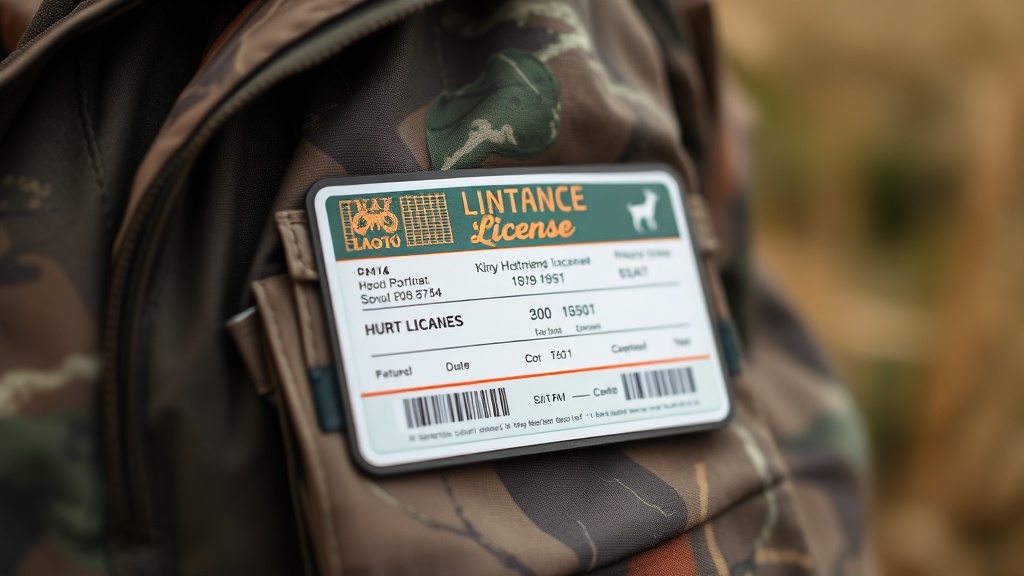
Resident vs. Non-Resident Licenses
Minnesota defines a resident as a person who has maintained a permanent home in the state for at least 60 consecutive days prior to purchasing a license. Non-residents pay higher fees across all license categories. Active-duty military members stationed in Minnesota may qualify for resident pricing.
License Types
Minnesota offers multiple license types designed for specific species and methods:
- Small Game License: Required for pheasant, grouse, rabbit, squirrel, and other small game. Also serves as the base license for waterfowl hunting when combined with stamps.
- Firearms Deer License: Required for the November firearms deer season. Hunters select a specific deer permit area (DPA) when purchasing.
- Archery Deer License: Covers the September through December archery season. Valid statewide.
- Muzzleloader Deer License: Required for the late-November through December muzzleloader season.
- Turkey License: Required for both spring and fall turkey seasons. Spring permits are distributed through a lottery.
- Bear License: Distributed through a preference point lottery. Hunters must apply by the deadline, typically in late spring.
- Waterfowl Stamp: Required in addition to the small game license for duck and goose hunting.
- Federal Duck Stamp: Required for all waterfowl hunters aged 16 and older, purchased separately.
- Pheasant Stamp: Required for pheasant hunting on WMAs and other public lands. Revenue funds habitat improvement.
Special Permits
Moose and elk permits are issued through once-in-a-lifetime lotteries when seasons are held. Antlerless deer permits are available through a separate lottery for specific DPAs. Spring turkey permits use a preference point system, and leftover permits are sold over the counter1.
Hunter Education
Minnesota requires hunter education certification for anyone born after December 31, 1979. This is a one-time requirement, and the certificate is valid for life in Minnesota and recognized by other states through interstate reciprocity agreements.
Course Options
The DNR offers multiple paths to complete hunter education:
- Classroom Course: Traditional instructor-led courses are offered by certified volunteer instructors throughout the state. These typically run over two or three sessions and include both classroom instruction and a hands-on field component.
- Online Course with Field Day: Students complete the academic portion online at their own pace, then attend a mandatory in-person field day for hands-on evaluation including firearms handling and live fire.
- Online-Only Course: An online-only option is available for adults 18 and older, allowing completion without a field day.
Apprentice Hunter Validation
Minnesota offers an Apprentice Hunter Validation that allows first-time hunters to participate in hunting before completing the full education course. The apprentice hunter must be accompanied by a licensed adult mentor at all times. This validation can be used for up to two consecutive license years. After that, the full hunter education course must be completed to continue purchasing hunting licenses1.
Legal Hunting Methods
Minnesota permits a range of hunting methods, each subject to specific regulations that vary by species and season.
Firearms
Rifles are legal for deer hunting during the firearms season in most of the state. However, shotgun-only zones exist in parts of central and southern Minnesota where population density is higher. In these zones, hunters must use shotguns loaded with single-projectile ammunition (slugs), muzzleloaders, or handguns meeting minimum caliber requirements. Rifles must be a minimum of .22 caliber centerfire for deer. Shotguns used for deer must fire slugs or sabots; buckshot is legal in some situations but hunters should verify current rules. For small game and waterfowl, shotguns are the primary firearm, and non-toxic shot is required for all waterfowl hunting1.
Archery and Crossbows
Compound bows, recurve bows, and longbows are legal during archery season. Crossbows are now legal for all hunters during the archery season following a recent regulatory change. Previously, crossbow use during archery season was restricted to hunters with disabilities or those over a certain age. This change has expanded access significantly. Minimum draw weights and broadhead requirements apply to all archery equipment used for big game.
Muzzleloaders
Muzzleloaders must be at least .40 caliber for deer hunting. Both flintlock and percussion cap ignition systems are legal, along with inline muzzleloaders. Only a single projectile may be loaded.
Prohibited Methods
- Fully automatic weapons are prohibited for all hunting.
- Hunting from a motorized vehicle is illegal except for disabled hunters with a special permit.
- Electronic calls are prohibited for deer and turkey but legal for predator and waterfowl hunting.
- The use of drones to locate, track, or harass game is prohibited.
- Artificial lights may not be used to spot or shoot deer (shining).
- Hunting under the influence of alcohol or drugs is illegal1.
Blaze Orange Requirements
Minnesota has extensive blaze orange requirements designed to prevent accidents in the field.
 During the firearms deer season, all hunters and anyone accompanying them must wear a visible cap or hat of blaze orange plus at least one additional article of blaze orange clothing on the upper body (such as a vest, coat, or jacket). The blaze orange must be visible from all directions. Blaze pink is also accepted as an alternative.
Blaze orange is also required during the firearms bear season. It is not required during archery-only seasons, but the DNR recommends wearing blaze orange any time firearms seasons overlap.
Waterfowl hunters in a blind or boat are exempt from blaze orange requirements. Small game hunters are not currently required to wear blaze orange but are strongly encouraged to do so, especially during the firearms deer season1.
Season Dates and Bag Limits
Season dates and bag limits are set annually by the DNR. For a full breakdown of season dates by species, see our Minnesota hunting season dates page.
Deer
Deer regulations vary significantly by DPA. The firearms season runs for approximately nine days in November. Archery season spans mid-September through December. Muzzleloader season follows the firearms season. Bag limits depend on the license type and whether the hunter holds additional antlerless permits. In some DPAs, antlerless permits are unlimited over the counter, while in others they are restricted or unavailable. Antler point restrictions apply in select DPAs to protect younger bucks1.
<strong>Season limit:</strong> 5Turkey
Spring turkey hunters may harvest one bearded turkey per permit period. Hunters can apply for multiple periods. Fall turkey hunters may take one turkey of either sex in most areas. Bag limits are set per permit.
<strong>Season limit:</strong> 2Pheasant
The daily bag limit for pheasant is two roosters, with a possession limit of six. Only roosters may be harvested. The season runs from mid-October through early January.
Grouse
The daily bag limit for ruffed grouse is five, with a possession limit of ten. The season runs from mid-September through late January, making it one of the longest grouse seasons in the country.
Waterfowl
Duck and goose bag limits follow federal frameworks. The daily duck bag limit is typically six, with species-specific restrictions for certain ducks. Goose limits vary by zone and species. Hunters must check the annual waterfowl regulations for current limits1.
Chronic Wasting Disease (CWD)
CWD is present in Minnesota’s wild deer herd, and the DNR actively manages the disease through surveillance, testing, and carcass transport restrictions.
CWD Surveillance Zones
The DNR designates CWD management zones and surveillance areas based on confirmed cases. These zones are concentrated primarily in southeastern Minnesota, though new cases can expand the boundaries. Within CWD zones, mandatory sampling may be required during certain seasons.
Mandatory Testing
In designated CWD management zones, hunters may be required to present their harvested deer for CWD sampling. The DNR operates check stations and self-service sampling locations during the firearms season. Free testing is available, and results are reported to hunters.
Carcass Transport and Disposal
Within and out of CWD zones, restrictions apply to the transport of whole deer carcasses. Hunters may transport deboned meat, quarters with no part of the spinal column attached, cleaned skulls or skull caps with antlers, hides, and finished taxidermy products. Whole carcasses may not be moved out of the CWD zone. Proper disposal of carcass waste is required to prevent the spread of prions1.
Public vs. Private Land
Minnesota offers one of the most extensive public land systems in the Midwest, providing access for hunters of all budgets. For detailed information on finding hunting land, see our Minnesota land access guide.
Public Land
- Wildlife Management Areas (WMAs): Minnesota manages more than 1,400 WMAs totaling approximately 1.4 million acres. These properties are managed primarily for wildlife habitat and hunting access.
- Superior National Forest: Approximately 3.9 million acres in northeastern Minnesota, providing vast habitat for deer, bear, grouse, and moose.
- Chippewa National Forest: Approximately 666,000 acres in north-central Minnesota, offering excellent deer, bear, and grouse hunting.
- State Forests: Minnesota has more than 4 million acres of state forest land, most of which is open to hunting.
- County Forests: Millions of additional acres managed by county land departments, especially in northern Minnesota.
Walk-In Access (WIA) Program
The DNR’s Walk-In Access program enrolls private landowners who open their property to public hunting. WIA lands are posted with signs and mapped on the DNR website, providing additional access in agricultural areas of western and southern Minnesota where public land is more limited.
Trespass Laws
Minnesota law requires hunters to obtain permission before entering private land, regardless of whether the land is posted. Unlike some states that only enforce trespass on posted land, Minnesota’s trespass statute applies to all private property. Hunters found trespassing while in possession of a firearm or bow face fines and potential loss of hunting privileges. Always ask permission and respect property boundaries1.
Safety and Ethics
Minnesota emphasizes hunter safety and responsible conduct.
- Tree Stand Safety: Falls from tree stands are a leading cause of hunting injuries. The DNR recommends using a full-body harness at all times and inspecting equipment before each season.
- Firearm Safety: Know your target and what is beyond it. Treat every firearm as if it is loaded. Never point a firearm at anything you do not intend to shoot.
- Ethical Harvest: Wanton waste of game meat is illegal. Hunters are expected to make every reasonable effort to retrieve wounded game and to use as much of the harvested animal as possible.
- Reporting Violations: Poaching and game violations can be reported to the DNR Turn In Poachers (TIP) line.
Final Checklist
- Verify all current regulations on the Minnesota DNR website before each season.
- Purchase the correct licenses, stamps, and permits through the Electronic Licensing System.
- Complete hunter education if born after December 31, 1979, or obtain an Apprentice Hunter Validation.
- Know the legal methods and bag limits for your specific species and deer permit area.
- Check CWD zone maps and understand mandatory sampling and carcass transport rules.
- Wear blaze orange during all firearms deer and bear seasons.
- Obtain written permission before hunting on any private land.
Official Sources
The Minnesota Department of Natural Resources is the sole authority on hunting regulations in the state. Regulations are updated annually, and it is every hunter’s responsibility to review the current rules before each season.
Last verified: February 13, 2026 — Official sourceMore Minnesota Hunting Resources
- Minnesota hunting seasons
- Get your Minnesota hunting license
- Public and private land access in Minnesota
- Hunting locations in Minnesota
Explore Related Topics:
Notice an update we should make?
We strive for accuracy. Contact us here if you see incorrect or outdated info on this page.