Kansas offers outstanding hunting across a wide range of species, from trophy whitetail deer and turkey to world-class upland birds and waterfowl. Following regulations ensures a safe, legal, and ethical hunt. This guide covers key requirements administered by the Kansas Department of Wildlife and Parks (KDWP). Always confirm current rules on the official KDWP website before your hunt. 1
Hunting Licenses and Permits
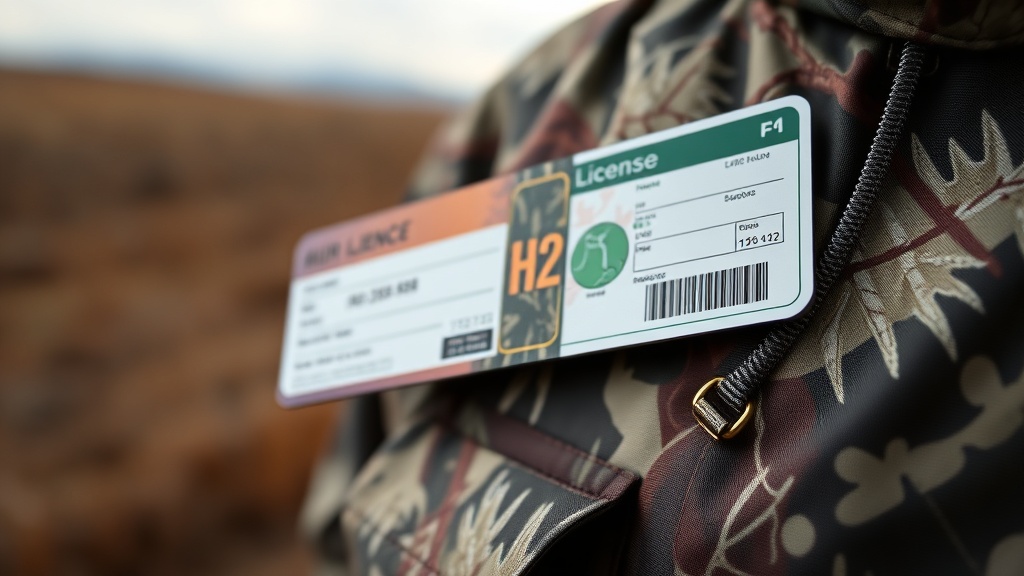
All hunters in Kansas must carry a valid hunting license while afield. Licensing requirements vary based on residency, age, and the species being pursued.
Resident Licenses
Kansas residents can purchase a general hunting license that covers most small game, fur-bearers, and predators. Big game permits for deer, turkey, and pronghorn are purchased separately. Residents may also buy a combination hunting and fishing license at a reduced rate. Resident landowners and tenants hunting on land they own or operate may qualify for reduced-cost or free permits for certain species on that specific property.
Non-Resident Licenses
Non-residents pay higher license fees than residents. A non-resident hunting license is required before purchasing any species-specific permits. The most significant non-resident restriction applies to deer firearms permits, which are limited in number and allocated through a draw system. Non-residents who are unsuccessful in the deer firearms draw receive a preference point that improves their odds in future years. Non-resident archery deer permits are generally available over the counter without a draw, making Kansas archery deer hunting more accessible for out-of-state hunters.
Non-resident turkey permits and small game licenses are typically available without a draw. Kansas charges non-residents a premium for pheasant and quail hunting, but the quality of the upland bird hunting justifies the cost for many visiting hunters.
Youth and Senior Licenses
Youth hunters under 16 can purchase licenses at significantly reduced fees. Hunters 65 and older may qualify for reduced-rate resident licenses. Youth under 16 must be supervised by a licensed adult while hunting.
Big Game Tags and Applications
Deer, turkey, and pronghorn permits must be applied for or purchased separately from the general hunting license.
- Deer permits: Residents can obtain multiple deer permits, including one antlered deer permit plus additional antlerless white-tailed deer permits depending on the management unit. Some antlerless permits are distributed through a draw with a preference point system. Non-residents are limited to one deer permit, and firearm non-resident permits require a draw.
- Turkey permits: Each hunter may purchase up to two spring turkey permits and one fall archery turkey permit. Spring permits are valid for one bearded turkey each.
- Pronghorn permits: All pronghorn permits (firearms, archery, and muzzleloader) are draw-only and limited to specific western Kansas units.
Stamps and Federal Requirements
Migratory bird hunters must obtain a Kansas state waterfowl stamp and register with the federal Harvest Information Program (HIP). Waterfowl hunters 16 and older must also carry a valid Federal Duck Stamp.
Hunter Education
Kansas law requires hunter education for all hunters born on or after July 1, 1957. This course covers firearm safety, wildlife conservation, fair chase ethics, survival skills, and hunting regulations.
Course Formats
Hunter education courses are available in three formats: traditional classroom instruction with a field day, online study followed by a mandatory field day, and an apprentice hunting license option. The apprentice license allows first-time hunters to hunt for one year under the direct supervision of a licensed adult while completing the education requirement.
Youth Requirements
All hunters under 16 must be directly supervised by a licensed adult 18 or older, regardless of hunter education status. Youth who complete hunter education are certified for life and the certification is recognized by all other states through the International Hunter Education Association.
Legal Hunting Methods
Kansas regulates hunting methods by season type and species. Understanding what equipment is legal for your specific hunt is essential.
Firearms
Centerfire rifles are legal for deer during the firearms deer season. There is no caliber restriction for deer, but most hunters use common deer calibers such as .243 Winchester, .270 Winchester, .308 Winchester, and .30-06 Springfield. Shotguns with slugs or buckshot are also legal during firearms deer season.
For upland birds and small game, shotguns are the standard legal method. Shot size restrictions apply for migratory birds, where non-toxic shot is required.
Important eastern Kansas restriction: In some eastern Kansas units, centerfire rifles are not legal for deer hunting during firearms season. In these units, only shotguns with slugs, muzzleloaders, handguns, and archery equipment are permitted. This restriction is designed to address safety concerns in more densely populated areas. Always verify unit-specific weapon restrictions before your hunt.
Archery Equipment
Bows, compound bows, and crossbows are all legal during archery seasons in Kansas. Crossbows are legal for all hunters during archery season – no disability permit is required. Minimum draw weight and broadhead requirements apply for big game. Arrows must be equipped with broadheads that have a minimum cutting diameter, and mechanical broadheads are legal.
Muzzleloaders
Muzzleloading rifles and pistols firing a single projectile are legal during muzzleloader seasons. Inline muzzleloaders with modern ignition systems are legal. Scopes are permitted on muzzleloaders in Kansas.
Prohibited Methods
Several hunting practices are prohibited in Kansas:
- No baiting deer on public land. Placing bait (corn, grain, salt, minerals, or other attractants) to hunt deer is illegal on all public lands, including WIHA properties. Baiting regulations on private land may differ – check current KDWP rules.
- No hunting from a vehicle on public roads or rights-of-way.
- No use of aircraft to locate or drive game.
- No electronic calls for game birds during regular seasons (electronic calls are permitted during the Light Goose Conservation Order).
- No spotlighting deer or other game animals.
Season Dates and Bag Limits
Season dates and bag limits are adjusted annually based on wildlife population surveys and management goals. Below is a summary of typical seasons. Always verify exact current dates on the KDWP website or in the annual Kansas Hunting and Furharvesting Regulations Summary.
Deer
- Archery: Mid-September through December 31 (closed during firearms season)
- Muzzleloader (early): Approximately one week in mid-September
- Firearms: Approximately twelve days in late November through early December
- Muzzleloader (late): Approximately one week in late December
- Bag limits: Residents may take one antlered deer plus additional antlerless white-tailed deer (number varies by unit). Non-residents are limited to one deer.
Turkey
- Spring: Mid-April through late May (one bearded turkey per permit, up to two permits)
- Fall archery: October through November (either sex)
- Bag limits: One bearded turkey per spring permit; one turkey per fall permit
Pheasant
- Season: Second Saturday of November through January 31
- Daily bag limit: Four roosters
- Possession limit: Sixteen
Quail
- Season: Second Saturday of November through January 31
- Daily bag limit: Eight
- Possession limit: Thirty-two
Prairie Chicken
- Early segment: Mid-September through October
- Regular segment: November through January
- Daily bag limit: Two (early) or three (regular)
Waterfowl
- Early teal: Nine days in September
- Regular duck: Split segments from October through January
- Goose: Late October through February, plus Light Goose Conservation Order into spring
- Bag limits: Follow federal frameworks
Dove
- Season: September 1 through early November, with a December segment
- Daily bag limit: Fifteen
For exact current season dates, visit the Kansas seasons page on our site.
Walk-In Hunting Access (WIHA)
One of the most significant hunting programs in Kansas is the Walk-In Hunting Access program, commonly known as WIHA. This program opens over one million acres of privately owned land to public hunting at no additional cost beyond a valid Kansas hunting license.
How WIHA Works
KDWP pays private landowners a per-acre fee to enroll their land in the program. In return, the land is open to walk-in hunting during specific dates, typically from November 1 through January 31 for upland birds and from September 1 through January 31 for other game. WIHA properties are marked with distinctive signs and mapped in the annual KDWP WIHA Atlas, which is available online and in print.
WIHA Rules
- No motorized vehicles off established roads.
- No overnight camping unless specifically authorized.
- No permanent stands or blinds.
- Hunting is walk-in only – no drop-off hunts using vehicles to position hunters across the property.
- All other state hunting regulations apply.
The WIHA program is one of the best public access programs in the nation and is a primary reason Kansas attracts thousands of out-of-state upland bird hunters each year. For more details on Kansas hunting access, see Kansas hunting land.
Public Land Hunting
Beyond WIHA, Kansas offers hunting on several categories of public land.
State Wildlife Areas
Kansas has over 350 state-managed wildlife areas totaling hundreds of thousands of acres. These areas are managed for wildlife habitat and provide hunting for deer, turkey, waterfowl, upland birds, and small game. Some wildlife areas require special use permits or have draw hunts for deer. Popular wildlife areas include Cheyenne Bottoms, Quivira, and Milford Wildlife Area.
Federal Lands
The Cimarron National Grassland in southwestern Kansas covers approximately 108,000 acres and offers hunting for mule deer, pronghorn, pheasant, quail, turkey, and dove. Federal reservoirs such as Milford, Tuttle Creek, Clinton, and Perry have Army Corps of Engineers land open to hunting. These reservoir properties can be excellent for deer, turkey, and waterfowl.
National Wildlife Refuges
Quivira National Wildlife Refuge and Flint Hills National Wildlife Refuge both offer limited hunting opportunities, primarily for waterfowl and upland birds. Specific refuge regulations apply and must be followed in addition to state regulations.
Trespass Law and Private Land
Kansas law requires hunters to have verbal or written permission from the landowner or lessee before entering private property. Trespassing to hunt is a criminal offense. Posted or not, you must have permission. Building and maintaining good relationships with Kansas landowners is essential for accessing the state’s vast private lands, which hold the majority of the state’s game populations.
 When hunting near private land boundaries on public land, be aware of property lines and do not pursue or retrieve game onto private land without permission.
Safety Requirements
Blaze Orange
Kansas requires hunters to wear blaze orange during certain seasons. During the firearms deer season, all deer hunters in the field must wear a minimum amount of blaze orange on the head and upper body. Blaze orange is also recommended during upland bird seasons, though it may not be legally required for all upland species. Check current regulations for specific requirements by season.
Firearm Transport
Firearms must be unloaded and cased when transported in a vehicle on public roads. Loaded firearms in vehicles are prohibited.
Reporting Requirements
Kansas requires mandatory game check for certain species. Deer and turkey harvests must be reported through the KDWP Telecheck system or online reporting portal within a specified time frame after harvest. Failure to report is a violation.
Chronic Wasting Disease (CWD)
Kansas has an active CWD surveillance program. Certain deer management units have mandatory CWD testing requirements. Carcass transport restrictions may apply when moving deer from CWD-positive areas. Check KDWP CWD regulations for your specific unit to understand testing requirements and transport rules.
Conclusion
Kansas hunting regulations are designed to sustain the state’s outstanding wildlife resources while providing diverse hunting opportunities. Understanding licenses, legal methods, bag limits, and access programs like WIHA will help you plan a legal and successful hunt. For the most current and complete regulations, consult the official KDWP website and annual regulations summary.
Last verified: February 13, 2026 — Official sourceMore Kansas Hunting Resources
- Kansas hunting seasons
- Get your Kansas hunting license
- Public and private land access in Kansas
- Hunting locations in Kansas
Kansas Department of Wildlife & Parks. (n.d.). Hunting. Retrieved from https://ksoutdoors.com/Hunting ↩︎
Explore Related Topics:
Notice an update we should make?
We strive for accuracy. Contact us here if you see incorrect or outdated info on this page.