Colorado is one of the premier hunting destinations in the United States. With vast public lands, world-class elk herds, and diverse terrain ranging from high alpine basins to rolling prairie, the state draws hundreds of thousands of hunters each year. Colorado Parks and Wildlife (CPW) manages all hunting activities in the state, and understanding the regulations is essential before heading afield 1.
Hunting Licenses and Endorsements
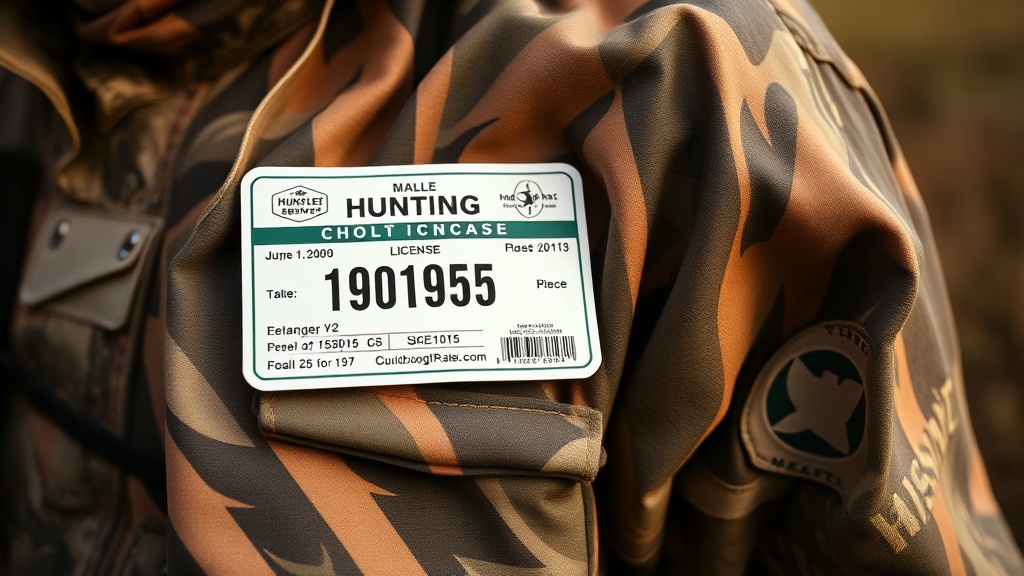
Every hunter must possess a valid hunting license before taking any wildlife in Colorado. CPW administers all licenses and tags.
Residency Requirements
To qualify for a resident hunting license, you must have lived in Colorado continuously for at least six consecutive months immediately prior to applying. Non-residents are welcome to hunt in Colorado but pay significantly higher license and tag fees.
License Types
Colorado offers several license categories:
- Resident Hunting License: Available to qualifying Colorado residents for small game, furbearers, and as the base license requirement for big game applications.
- Non-Resident Hunting License: Required for out-of-state hunters. Non-resident fees are substantially higher, particularly for big game tags.
- Youth Hunting License: Reduced-cost licenses for hunters under 18 years of age. Youth hunters under 16 must be accompanied by a licensed adult.
- Senior and Disabled Veterans Licenses: Discounted licenses available for qualifying individuals.
Big Game Tags and the Limited Draw System
Hunting big game in Colorado requires a separate species-specific tag in addition to your base hunting license. Tags are allocated through two primary methods:
- Limited Draw: Most elk, deer, pronghorn, bear, and mountain lion tags for specific Game Management Units (GMUs) are distributed through an annual limited draw. Hunters submit applications during the spring application period, and tags are awarded based on preference points and random selection.
- Over-the-Counter (OTC): Some elk tags, particularly for archery and certain rifle seasons in less pressured units, are available on a first-come, first-served basis without entering the draw.
Preference Points
Colorado uses a weighted preference point system for limited draw tags. Each year you apply and are unsuccessful, you earn a preference point. Hunters with more points have a higher statistical probability of drawing a tag. You can also purchase a preference point without applying for a tag in a given year to build points for future seasons 1.
Habitat Stamp
All hunters and anglers in Colorado are required to purchase a Habitat Stamp. The revenue funds wildlife habitat improvement projects across the state. The Habitat Stamp must be purchased before you go afield and is available wherever licenses are sold.
Licenses and tags can be purchased online at cpw.state.co.us, by phone, or at CPW offices and authorized retail agents.
Hunter Education Requirements
Colorado requires hunter education certification for many hunters before they can purchase a license 1.
Who Must Complete Hunter Education
Anyone born on or after January 1, 1949, must successfully complete an approved hunter education course before purchasing a Colorado hunting license. This requirement applies to both residents and non-residents.
Course Options
CPW offers multiple ways to satisfy the hunter education requirement:
- Traditional Classroom Course: A multi-session, instructor-led course covering firearm safety, wildlife conservation, hunting ethics, survival skills, and regulations. Includes a field day and written exam.
- Online Course with Field Day: An online self-study course followed by a mandatory in-person field day where students demonstrate practical skills.
- Online-Only Course: Colorado also accepts some online-only hunter education certifications from other states and approved providers.
Bowhunter Education
While a general hunter education certificate is sufficient for most archery hunting, bowhunter education is recommended and may be required in certain situations. A bowhunter education course covers shot placement, equipment safety, and ethical bowhunting practices.
Hunter education certifications are valid for life and recognized across all US states through interstate reciprocity.
Legal Hunting Methods
Colorado regulates the types of weapons, ammunition, and methods that hunters may use. These rules vary by species and season type 1.
Lawful Firearms and Archery Equipment
- Rifles: Legal for big game during general rifle seasons. For elk, deer, pronghorn, bear, and moose, rifles must fire a bullet at least .24 caliber.
- Shotguns: Legal for big game with slugs. Required for waterfowl hunting with non-toxic shot and a three-shell capacity plug.
- Handguns: Legal for big game if they meet minimum caliber and barrel length requirements.
- Muzzleloaders: Legal during designated muzzleloader seasons. Must be single-barrel, at least .40 caliber for big game (.50 caliber for elk and moose). Scopes are permitted.
- Archery Equipment: Legal during archery seasons. Bows must have a minimum draw weight of 35 pounds for big game. Crossbows are legal for hunters with qualifying physical disabilities or during rifle seasons. Broadheads must have a minimum 7/8 inch cutting diameter.
Electronic Calls
Electronic calling devices are legal for hunting predators (coyotes, foxes) and some small game species. However, electronic calls are prohibited for hunting turkey and big game.
Prohibited Methods
Colorado prohibits several hunting methods:
- Hunting from a motor vehicle on any public road or right-of-way.
- Using artificial lights or spotlights to hunt or locate game animals at night.
- Hunting with the aid of an aircraft or drone.
- Baiting big game with salt, grain, or other attractants.
- Using dogs to hunt big game (except mountain lion and bear during specific hound-permitted seasons).
- Shooting across or from a public road.
Always confirm current method restrictions with CPW before your hunt, as regulations can change between seasons.
Season Dates and Bag Limits
Colorado’s hunting seasons are organized around its Game Management Unit (GMU) system, with season structures varying by weapon type 1.
Elk Seasons
Colorado is widely regarded as the top elk hunting state in the country:
- Archery Season: Late August or early September through late September. OTC tags available for many units.
- Muzzleloader Season: Follows archery, usually about 10 days in mid-September.
- Combined Rifle Seasons: Four rifle seasons from mid-October through late November, each lasting approximately nine days.
Deer Seasons
Colorado offers hunting for both mule deer and whitetail deer. Season structures mirror the elk framework with separate archery, muzzleloader, and rifle periods. Most deer tags are limited draw.
Other Big Game
- Pronghorn: Archery and rifle periods, primarily on the Eastern Plains and in North Park. Limited draw only.
- Bear: Fall season coinciding with archery and rifle deer/elk seasons. Baiting and hound hunting for bears are prohibited.
- Mountain Lion: Late November through March. Tags via limited draw with unit-specific quotas.
- Turkey: Spring seasons April through May. Limited fall tags in select units.
Small Game and Waterfowl
Grouse, ptarmigan, pheasant, rabbit, and squirrel seasons generally run September through February. Waterfowl seasons follow federal frameworks, typically October through January.
For detailed season dates, check our Colorado hunting seasons page.
Bag Limits by Species
Bag limits are set by CPW based on population surveys, habitat conditions, and management objectives 1.
- Elk: One per hunter per year. Sex and antler restrictions depend on the specific tag drawn. <strong>Season limit:</strong> 1
- Deer: One per hunter per year in most units. Some units offer additional antlerless tags. <strong>Season limit:</strong> 1
- Pronghorn: One per hunter per year.
- Bear: One per hunter per year. Sows with cubs and cubs of the year are protected.
- Mountain Lion: One per hunter per year, subject to unit quotas.
- Turkey: Spring limits typically one bearded turkey per tag. Fall limits vary by unit. <strong>Season limit:</strong> 2
- Pheasant: Three roosters per day. No hen harvest.
- Grouse and Ptarmigan: Three per day for dusky grouse and white-tailed ptarmigan.
- Waterfowl: Daily limits follow federal frameworks and vary by species.
Exceeding bag limits carries serious penalties including fines, license revocation, and potential criminal charges.
Public vs. Private Land Rules
Colorado offers exceptional public land hunting, but understanding access rules is critical 1.
Public Land Access
Colorado has over 23 million acres of public land available for hunting:
- National Forests: 11 national forests covering more than 14 million acres.
- Bureau of Land Management (BLM): Millions of acres, primarily on the Western Slope and Eastern Plains.
- State Wildlife Areas (SWAs): Over 350 areas managed by CPW for wildlife habitat and public hunting access.
- State Trust Lands: Some available through CPW access programs.
Private Land and Trespass Laws
Hunting on private land requires written permission from the landowner. Colorado trespass laws are strictly enforced. Posted or not, entering private land to hunt without explicit permission is illegal.
Access Programs
CPW administers programs that open private lands to public hunting:
- Ranching for Wildlife: Participating ranches provide public hunting access in exchange for wildlife management benefits.
- Walk-In Access Program: CPW leases hunting access on private lands and opens them to the public.
For detailed land access information, see our Colorado land access guide.
Game Processing and Transport
After harvesting an animal, Colorado regulations require specific steps 1.

Proof of Sex
Evidence of sex must remain naturally attached to the carcass until the animal reaches your final destination or a licensed processing facility.
Chronic Wasting Disease (CWD)
CWD is present in deer and elk populations in several Colorado GMUs. CPW strongly encourages and in some units requires CWD testing. Hunters are prohibited from transporting brain and spinal column tissue out of certain CWD-affected areas. CPW provides sample drop-off stations and testing at no cost.
Waste of Game
Colorado law makes it illegal to waste the edible portions of any game animal. Leaving meat to spoil or abandoning a carcass is a serious violation.
Tagging
All big game must be tagged immediately upon harvest. Your carcass tag must be validated (date punched) and securely attached before moving the carcass.
Safety and Ethics
Fluorescent Orange Requirement
During rifle big game seasons, all hunters must wear at least 500 square inches of solid fluorescent orange or pink material on an outer garment above the waist, including a head covering. This applies even to archery hunters in the field during rifle seasons 1.
Firearm Safety
Always follow the four fundamental rules: treat every firearm as loaded, never point the muzzle at anything you do not intend to shoot, keep your finger off the trigger until ready to fire, and be certain of your target and what lies beyond it.
Fair Chase
Colorado hunters are expected to follow fair chase principles. Respect other hunters, landowners, and non-hunting recreationists who share the public lands.
Official Sources
Regulations change annually. Always consult the latest CPW resources before hunting.
- Colorado Parks and Wildlife (CPW): cpw.state.co.us
- License and Application Information: cpw.state.co.us/buyapply
Understanding and following Colorado’s hunting regulations protects wildlife populations, upholds hunting traditions, and ensures a safe experience for everyone in the field.
Last verified: February 13, 2026 — Official sourceMore Colorado Hunting Resources
- Colorado hunting seasons
- Get your Colorado hunting license
- Public and private land access in Colorado
- Hunting locations in Colorado
Explore Related Topics:
Notice an update we should make?
We strive for accuracy. Contact us here if you see incorrect or outdated info on this page.