Alabama offers some of the most hunter-friendly regulations in the country, with long seasons, generous bag limits, and a wide range of legal methods. The Alabama Department of Conservation and Natural Resources (ADCNR) Division of Wildlife and Freshwater Fisheries administers all hunting rules. This guide covers the key regulatory requirements every hunter should understand before heading afield in Alabama. Always confirm current rules on the official ADCNR website before your hunt.1
Hunting Licenses and Permits
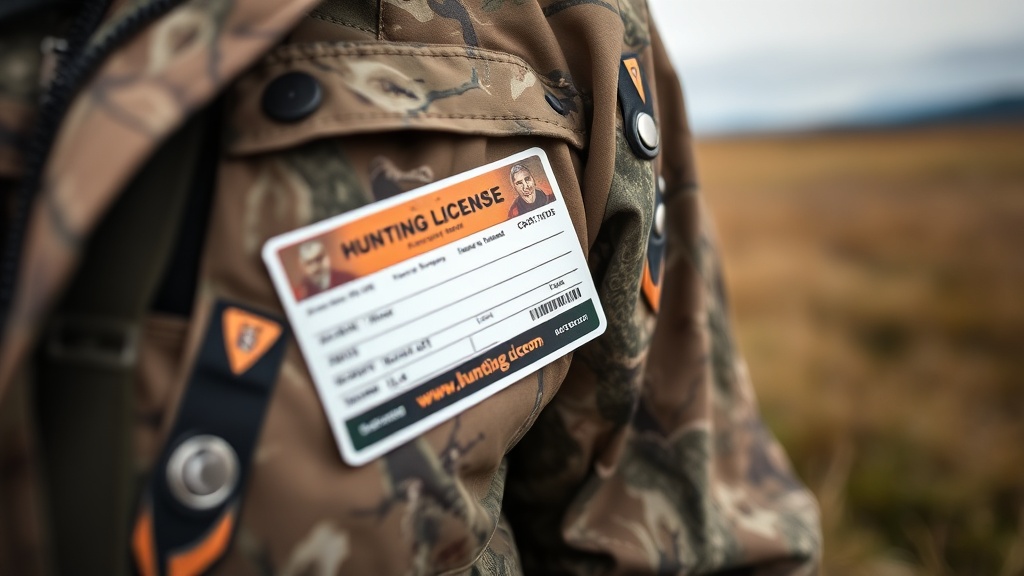
All hunters in Alabama must carry a valid hunting license unless specifically exempt. Licensing requirements vary by residency, age, and game type.
Resident Licenses
Alabama residents can purchase a standard Hunting License that covers most game species. A Resident All-Game Hunting License bundles deer, turkey, and small game into a single license. Additional stamps and licenses may be required depending on where and what you hunt.
Non-Resident Licenses
Non-resident hunters pay higher license fees. Alabama offers non-resident annual licenses as well as short-term trip licenses. A Non-Resident All-Game Hunting License provides the broadest coverage. Non-residents should budget significantly more for licensing costs compared to resident hunters.
WMA and DCNR Lands Licenses
A Wildlife Management Area (WMA) License is required for anyone hunting on a state WMA. Separately, a DCNR Lands License may be required for certain other state-managed properties. These are in addition to the standard hunting license. Make sure you have the correct permit for the specific public land you plan to hunt.
Combination Licenses
Alabama offers several combination licenses that bundle hunting and fishing privileges. The Super Sportsman License covers hunting, freshwater fishing, saltwater fishing, and WMA access in one purchase. This can be the most cost-effective option for hunters who also fish.
Lifetime Licenses
Lifetime hunting licenses are available for Alabama residents. These are purchased as a one-time fee and remain valid for the license holder’s entire life. Different tiers cover different combinations of hunting, fishing, and WMA access.
Hunter Education
Alabama requires hunter education certification for certain hunters, following a standard that promotes safe and responsible hunting practices.
Who Needs It
Any person born on or after August 1, 1977 must complete an approved hunter education course before purchasing a hunting license. This applies to both residents and non-residents.
Course Options
Hunter education courses are available in several formats. Traditional instructor-led classroom courses are offered through volunteer instructors across the state. An online course with an optional field day is also available for those who prefer a self-paced format. The certification is valid for life once earned and is recognized across all states through interstate reciprocity.
Apprentice Hunting License
Alabama offers an Apprentice Hunting License for first-time hunters who have not yet completed hunter education. This license allows the holder to hunt while under the direct supervision of a licensed adult who is at least 21 years old and has completed hunter education. The apprentice license is a one-time option designed to let new hunters experience the field before committing to the full education course.
Legal Hunting Methods
Alabama permits a broad range of hunting methods, making the state accessible to hunters of all preferences.
Firearms
Centerfire rifles of any caliber are legal for deer hunting in Alabama. There is no minimum caliber restriction, which is unusual among states. Shotguns loaded with buckshot or slugs are also legal. Rimfire rifles are legal for small game. During firearms deer season, hunters may use any legal firearm type.
Muzzleloaders
Muzzleloading firearms must meet specific requirements regarding ignition type and loading method during muzzleloader-only seasons. Both traditional and inline muzzleloaders are generally legal. During the general firearms season, muzzleloaders may be used alongside modern firearms.
Archery and Crossbows
Compound bows, recurve bows, and longbows are legal during all deer and turkey seasons. Crossbows are fully legal during all archery and firearms seasons in Alabama, with no special permit or disability exemption required. This inclusive crossbow policy makes Alabama one of the most accessible states for archery hunters.
Hunting with Dogs
Alabama is one of a handful of states that still permits hunting deer with dogs. Dog-deer hunting is legal in designated counties, primarily in the southern and western portions of the state. This tradition runs deep in Alabama culture, with hunting clubs maintaining dog packs and running deer across generations. Hunters using dogs must follow county-specific regulations and ensure their dogs do not trespass onto neighboring property. Dog-deer zones are published annually by ADCNR.
Baiting
Baiting for deer is legal on private land in Alabama with certain restrictions. Hunters may place feed such as corn or other attractants on private property. However, baiting is generally prohibited on public WMAs and other state-managed lands unless specifically authorized. Always check the rules for the specific property you are hunting.
Sunday Hunting
Sunday hunting is legal in Alabama on both public and private land. This makes the state one of the more permissive in the Southeast regarding weekend hunting access.
Season Dates and Bag Limits
Alabama’s season structure is among the longest and most generous in the nation. Specific dates change annually, so always verify current dates with ADCNR. For a detailed season-by-season breakdown, see our Alabama hunting season guide.
Deer
The combined archery and firearms deer season stretches from mid-October through early February. The buck bag limit is three per season, with a maximum of one buck per day. Antlerless deer bag limits vary by zone and are regulated through either-sex days and doe days. Some zones allow liberal antlerless harvest, while others are more restrictive. Harvest reporting through Game Check is mandatory within 48 hours.
<strong>Season limit:</strong> 3Turkey
The spring gobbler season runs from mid-March through late April. The season bag limit is five gobblers, which is one of the highest spring turkey limits in the country. The daily limit is one gobbler. Only bearded turkeys may be taken. Alabama does not have a fall turkey season.
<strong>Daily limit:</strong> 1 | <strong>Season limit:</strong> 5Quail
Bobwhite quail season runs from early November through late February. The daily bag limit is eight quail. Wild quail populations have declined, but managed preserves continue to offer quality upland bird hunting.
Other Small Game
Squirrel, rabbit, and dove seasons run for extended periods through the fall and winter. Bag limits are generally eight per day for squirrel and rabbit, and 15 per day for dove. Check the ADCNR regulations digest for exact dates and limits.
<strong>Daily limit:</strong> 15 | <strong>Possession limit:</strong> 45Chronic Wasting Disease Monitoring
Chronic Wasting Disease (CWD) has not been detected in Alabama as of the current regulations period. However, ADCNR has implemented prevention and monitoring measures to protect the state’s deer herd.
Carcass Import Restrictions
Alabama prohibits the importation of whole deer carcasses or high-risk parts (brain, spinal column, eyes) from states or Canadian provinces where CWD has been confirmed. Only deboned meat, cleaned skull plates, tanned hides, and finished taxidermy mounts may be brought into the state. This regulation is critical for preventing the introduction of CWD.
Surveillance
ADCNR conducts ongoing CWD surveillance through voluntary and targeted testing of harvested deer, road-killed deer, and sick deer. Hunters are encouraged to submit deer heads for testing, particularly from areas near neighboring states where CWD has been detected.
Public vs. Private Land
Alabama offers substantial public hunting opportunities alongside a strong private land tradition.
Public Land
The state manages over 30 Wildlife Management Areas totaling hundreds of thousands of acres. Four National Forests provide additional public access: Bankhead National Forest, Conecuh National Forest, Talladega National Forest, and Tuskegee National Forest, totaling approximately 660,000 acres combined. The Forever Wild Land Trust has conserved over 250,000 acres across the state, many of which are open to hunting. National Wildlife Refuges including Wheeler NWR and Bon Secour NWR offer waterfowl and other hunting opportunities with federal permits. Army Corps of Engineers lands around major reservoirs also provide public hunting access. For a detailed guide to Alabama hunting land, see our Alabama land access guide.
Private Land
The majority of hunting in Alabama occurs on private land. Hunting leases and hunting clubs are deeply ingrained in Alabama’s hunting culture, particularly in the Black Belt region where large tracts of timberland support trophy whitetail deer management. Guided hunts are available across the state for deer, turkey, waterfowl, and feral hogs.
Trespass Laws
Alabama requires hunters to have written permission from the landowner before hunting on private property. Trespassing while in possession of a firearm or hunting equipment is a criminal offense. Alabama’s trespass laws apply regardless of whether the land is posted with signs. However, posted signs provide clearer notice and are strongly recommended by ADCNR. Hunters using dogs must take reasonable measures to prevent their dogs from trespassing onto neighboring property.
Fluorescent Orange Requirements
Fluorescent orange is required in specific situations in Alabama. During gun deer season on all public land, hunters must wear a vest or hat containing at least 144 square inches of solid fluorescent orange visible from all directions. Fluorescent orange is also required in dog-deer zones during gun deer season, regardless of whether the land is public or private. Bowhunters during archery-only periods on private land are exempt from the orange requirement, but it is always recommended for safety.
Reporting and Compliance
Alabama uses the Game Check system for mandatory harvest reporting. All harvested deer and turkey must be reported through Game Check within 48 hours of harvest. Reporting can be done through the Outdoor AL app, the ADCNR website, or by phone. Failure to report is a violation and can result in penalties.
Staying Current with Regulations
Hunting regulations change annually. The ADCNR publishes an updated hunting regulations digest each year that contains all current season dates, bag limits, zone maps, and legal methods.
Official Sources
The Alabama Department of Conservation and Natural Resources website at outdooralabama.com is the definitive source for all hunting regulations. The Outdoor AL mobile app provides digital access to regulations, Game Check reporting, and license purchases. Physical copies of the regulations digest are available at license vendors across the state.1
Final Checklist
Understanding and following Alabama’s hunting regulations is the foundation of a successful and legal hunt. Start planning by reviewing the current ADCNR regulations.
- Get your hunting license, WMA stamp, and any required species-specific permits before your hunt.
- Complete hunter education if born on or after August 1, 1977, or obtain an Apprentice License.
- Confirm legal methods, season dates, and bag limits for your specific zone and target species.
- Report all deer and turkey harvests through Game Check within 48 hours.
- Wear fluorescent orange during gun deer season on public land and in dog-deer zones.
- Review the current ADCNR regulations digest at outdooralabama.com before every season.
More Alabama Hunting Resources
- Alabama hunting seasons
- Get your Alabama hunting license
- Public and private land access in Alabama
- Hunting locations in Alabama
Explore Related Topics:
Notice an update we should make?
We strive for accuracy. Contact us here if you see incorrect or outdated info on this page.