Hunting regulations change from state to state. What is legal in one place might be illegal just across the border. Knowing the specific laws for where you hunt is essential. This protects wildlife and keeps you safe from fines or worse.
Every state wildlife agency publishes a detailed guide. Always check the official source before you plan any hunt. This guide helps you understand the common areas of hunting law.
Understanding Basic Hunting Law Categories
Most hunting laws fit into a few main categories. These include licensing, season dates, bag limits, weapon restrictions, and land access rules.
Licensing and Permits
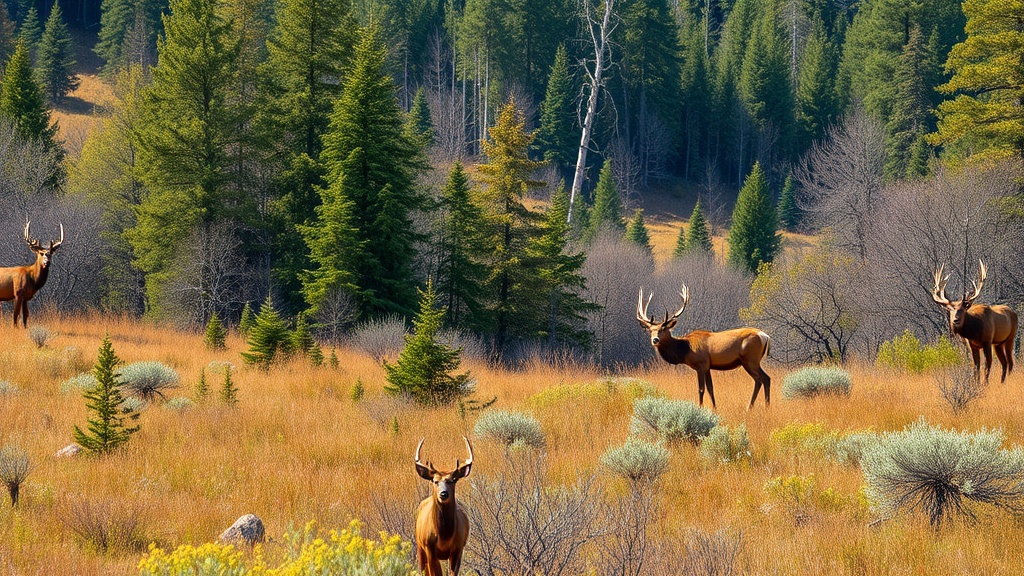
To hunt legally, you need a license. This is a basic requirement in every state. Most states offer different types of licenses. These depend on your residency, age, and what you plan to hunt.
For example, a resident deer license is different from a non-resident deer license. You might need separate permits for specific game, like turkey or waterfowl. Some areas also require special public land permits. Check your state’s wildlife agency website for exact license requirements and costs. 1
Hunting Seasons and Dates
Each game animal has specific hunting seasons. These seasons are set to manage wildlife populations and ensure fair chase. Seasons vary greatly by state and even by region within a state.
Deer seasons, for example, can be open for archery, muzzleloader, or general firearms at different times of the year. Waterfowl seasons are often set by federal guidelines with state-specific modifications. Always confirm the exact start and end dates for your target species and hunting method. A small date error can lead to a significant violation.
Bag Limits
Bag limits control how many animals of a specific species you can harvest. This limit can be daily, weekly, or seasonal. For instance, you might be allowed one deer per season, but two doves per day.
Bag limits prevent overharvesting and help sustain healthy wildlife populations. Know your limits before you start hunting. Exceeding a bag limit is a serious offense.
Weapon Restrictions
Not all weapons are legal for hunting every animal. States set rules on what firearms, bows, or other equipment you can use. These rules depend on the species and the hunting season.
For example, some states require shotguns for deer hunting in certain areas. Rifle calibers might have minimum energy requirements. Specific arrow types or broadheads may be mandated for archery. Muzzleloader seasons often have restrictions on modern optics or propellants. Always check weapon rules for your state and the animal you are pursuing.
Land Access and Public vs. Private Land
Where you hunt is as important as how you hunt. Hunting on private land requires the landowner’s permission. Hunting on public land often has its own set of rules.
Public lands, like national forests or state game lands, might have specific regulations. These can include restrictions on vehicle access, camping, or target shooting. Know the boundaries of public land and whether hunting is permitted there. Trespassing is a common hunting violation and carries penalties.
State-Specific Examples of Hunting Laws
While general categories apply, the details vary widely. Here are a few examples of how states differ.
California Hunting Regulations
California has strict regulations, especially for lead ammunition. A statewide ban on lead ammunition for hunting is in effect. 2 This means hunters must use non-lead alternatives for all game species. California also has a complex lottery system for big game tags. They also manage many special hunting areas with unique rules. Checking their hunting regulations booklet is essential.
Texas Hunting Regulations
Texas offers diverse hunting opportunities but has specific requirements. Hunter education is mandatory for most hunters born on or after September 2, 1971. 3 Electronic tagging and reporting of deer and turkey harvests are common. Texas also has specific rules for hunting near roads and residences. Familiarize yourself with these details.
Colorado Hunting Regulations
Colorado is known for its big game hunting. They use a draw system for many deer, elk, and antelope tags. Hunter orange requirements apply to deer, elk, and antelope hunters during rifle seasons. They also have specific rules for off-highway vehicle use on public lands. 4
Hunter Education Requirements
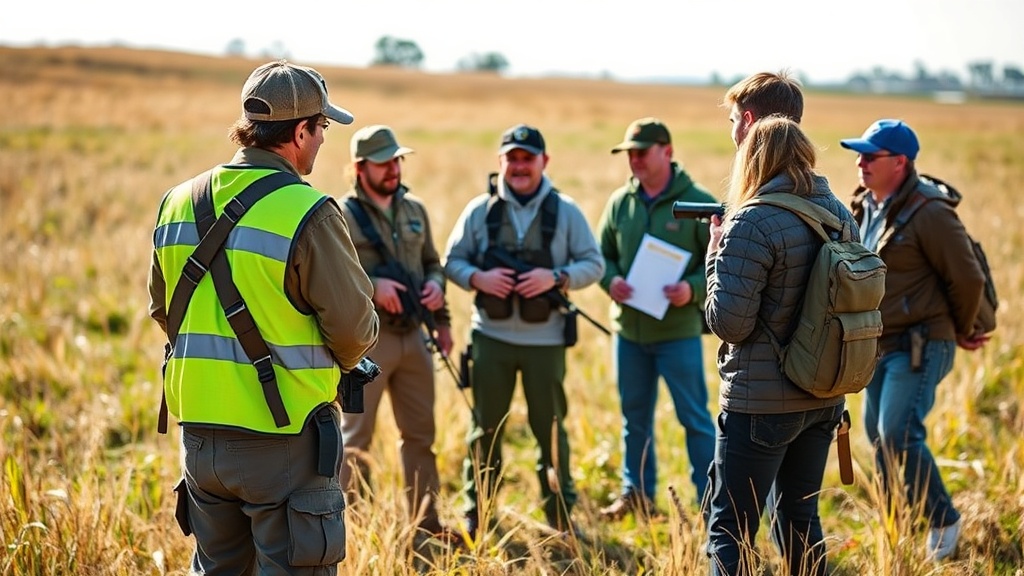
Most states require hunter education for new hunters. If you were born after a certain date, you likely need to complete a certified hunter education course. This course covers firearm safety, wildlife management, ethics, and basic hunting laws. Even experienced hunters benefit from a refresher. Hunter education helps prevent accidents and promotes responsible hunting.
Ethical Hunting Practices
Beyond the law, ethical hunting is vital. This includes fair chase, respecting wildlife, and leaving no trace. Ethical hunters follow all laws, ensure a quick and humane harvest, and contribute to conservation. Always identify your target clearly and be sure of your shot.
Reporting a Violation
If you witness a hunting violation, report it to the state wildlife agency. Poaching and other illegal activities harm wildlife populations and undermine legitimate hunting. Most states have a tip line or online reporting system.
Staying Current with Regulations
Hunting laws can change annually. New legislative sessions, wildlife population data, or public health concerns might lead to new rules.
Always get the most current regulation handbook from your state’s official wildlife agency website. Do this before every hunting season. Do not rely on old handbooks or information from unreliable sources. Ignorance of the law is not an excuse for breaking it.
Check state regulations, join a hunter education course, and read daily bag limits.
Related Resources
- Look up hunting seasons by state for current open dates on deer, elk, turkey, and waterfowl
- Follow our guide on how to get your hunting license before your first trip
- Understand public land hunting rules including national forests and BLM regulations
- Browse hunting locations across the US with state and city planning guides
- Use our first-time hunter checklist to make sure you are fully prepared
Explore Related Topics:
Notice an update we should make?
We strive for accuracy. Contact us here if you see incorrect or outdated info on this page.