Hunting near Sheridan, Wyoming gives you direct access to the Bighorn Mountains and the Bighorn National Forest, one of the most productive and accessible mountain hunting areas in the state. The Bighorns rise sharply from the western edge of Sheridan, climbing from sagebrush foothills through pine forests and aspen groves to alpine meadows above timberline. This range holds strong populations of elk, mule deer, black bear, Merriam’s turkey, and blue grouse. The foothill and prairie country east of Sheridan adds pronghorn, whitetail deer, pheasant, sharp-tailed grouse, and waterfowl along the Tongue River and its tributaries.
Start with official rules
Begin with the Wyoming Game and Fish Department (WGFD) regulations and season dates. The Sheridan area includes hunt areas in both the Bighorn Mountains and the eastern prairie. Some areas are general, meaning licenses are available over the counter, while others are limited quota and require a draw.
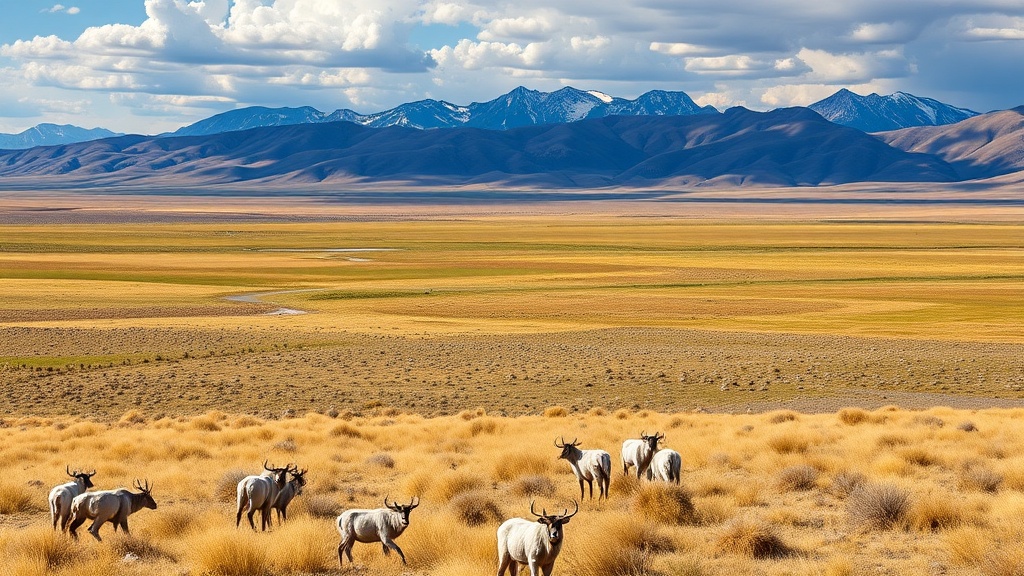 Checklist for this step:
- Confirm current season dates and legal methods for your species and hunt area.
- Verify whether your area requires a general or limited quota license.
- Check preference point requirements for limited quota areas.
- Review license, conservation stamp, and tag requirements.
Use these internal resources as a starting point:
Understand access types near Sheridan
Sheridan offers a strong combination of national forest, BLM land, state trust land, and Access Yes! walk-in areas within a short drive.
Bighorn National Forest
The Bighorn National Forest covers approximately 1.1 million acres of mountain terrain west of Sheridan. The forest is accessed via US Highway 14 over the Bighorn Pass and numerous forest roads branching into drainages on the eastern slope. The Bighorns hold elk herds in the timber and meadow country at mid to high elevations, mule deer in the pine and aspen zones, black bear throughout the forest, and Merriam’s turkey in the lower-elevation ponderosa pine and oak brush habitats. Blue grouse hunting at higher elevations is excellent in September and October.
The Bighorn National Forest is one of the more accessible mountain hunting areas in Wyoming, with a developed road network and multiple trailhead access points along the eastern face. Some roads are gated during hunting season to reduce motorized traffic and improve hunting quality.
Cloud Peak Wilderness
The Cloud Peak Wilderness covers 189,000 acres in the heart of the Bighorn Range. This designated wilderness area is accessible only by foot or horseback and provides remote backcountry hunting for elk and mule deer. Pack trips into the Cloud Peak Wilderness can be physically demanding but offer solitude and quality hunting away from road-accessible areas.
BLM Foothills and Prairie
BLM lands east of the Bighorns and south of Sheridan provide hunting access for pronghorn, mule deer, and sage grouse on the sagebrush steppe and mixed-grass prairie. These lower-elevation lands are less dramatic than the mountains but hold steady game populations and see less hunting pressure during big game seasons.
Tongue River Corridor
The Tongue River flows north through Sheridan and provides a riparian corridor that supports whitetail deer, waterfowl, and pheasant. Access along the river is a mix of public and private, with several Access Yes! walk-in areas providing valuable hunting opportunities along the bottoms.
State Trust Lands
State trust land sections in the Sheridan area provide additional hunting access, particularly on the prairie east of town. As always, verify legal access routes before hunting state trust land, as some sections are landlocked by private property.
Access Yes! Walk-In Areas
WGFD’s Access Yes! program provides walk-in access to private ranch land near Sheridan. These areas are valuable for pronghorn, mule deer, upland birds, and waterfowl hunting on the prairie and along river bottoms. Download maps before your trip.
Build a realistic travel plan
From Sheridan, the Bighorn National Forest is accessible within 30 to 45 minutes on paved and gravel roads. Prairie and foothill hunting areas begin at the edges of town.
Practical planning tips:
- Set a primary area and a backup area.
- For Bighorn Mountain hunts, mark trailheads, forest roads, and camping areas before you arrive.
- Mountain roads can become impassable after early snowstorms. Have a lower-elevation backup plan.
- For prairie hunts, carry detailed land ownership maps to navigate the public-private patchwork.
- Sheridan has good services including fuel, groceries, lodging, and game processing.
Scout efficiently
Scouting near Sheridan spans mountain timber and open prairie, requiring different approaches for each environment.
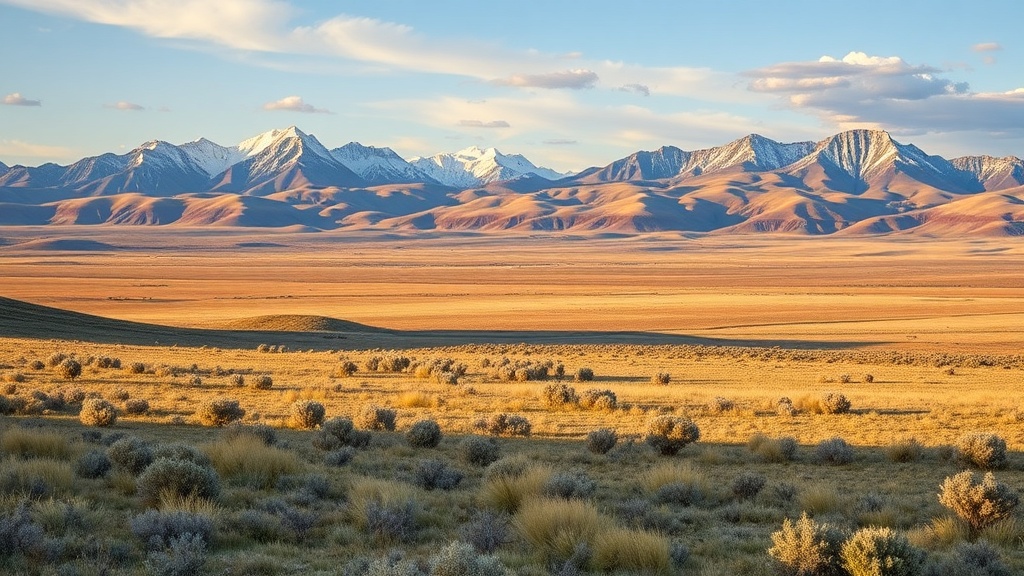 Scouting checklist:
- In the Bighorns, glass meadows, clearings, and aspen stands at dawn and dusk for elk and mule deer.
- Walk forest roads and game trails to locate rubs, wallows, and fresh tracks.
- On the prairie, glass from high points and road pulloffs for pronghorn and mule deer in sagebrush breaks.
- Turkey scouting should focus on ponderosa pine ridges and oak brush draws in the lower Bighorn foothills.
- Save key waypoints for offline use.
Learn more in Scouting basics.
Plan for weather and safety
The Sheridan area has distinct mountain and prairie weather patterns. The Bighorn Mountains can receive heavy snow in October, while the prairie below may still be dry and mild.
Safety basics:
- Share your route and check-in time.
- In the mountains, carry extra layers, emergency shelter, and fire-starting materials.
- On the prairie, prepare for wind, temperature swings, and limited shelter.
- Cell coverage is available in Sheridan but drops quickly once you enter the Bighorn National Forest or remote prairie areas.
Use Weather and safety planning for a simple checklist.
Choose gear that matches your hunt
Sheridan-area hunting spans mountain timber, alpine meadows, and open prairie. Gear should be versatile enough to handle elevation and terrain changes.
Gear basics:
- Sturdy, insulated boots for mountain terrain and cold conditions.
- A layering system for temperature swings from 20-degree mornings to 50-degree afternoons.
- Quality binoculars and a spotting scope for both mountain and prairie glassing.
- A pack frame or meat-hauling pack for backcountry Bighorn Mountain hunts.
- Lighter boots and a shotgun for prairie upland bird hunting.
See Gear reviews and Best hunting boots.
Ethics and respect
Sheridan has a deep ranching and hunting heritage. Respect private property boundaries, ask permission before crossing fences, and close gates behind you. The Bighorn National Forest is shared with other recreationists. Be courteous and practice Leave No Trace principles. Report wildlife violations to WGFD’s Stop Poaching hotline.
Local planning checklist
Use this simple list for any hunt near Sheridan:
- Pick a species and season window.
- Confirm license and tag requirements, including limited quota draw status.
- Select a primary hunt area and a backup area.
- Scout access points, trailheads, and parking.
- Build a packing list suited to the terrain, whether mountain or prairie.
Helpful next steps:
Final checklist
- Confirm rules on the official WGFD website.
- Save maps for offline use.
- Pack essentials and verify tags.
- Review safety and access rules before you leave.
Explore Related Topics:
Notice an update we should make?
We strive for accuracy. Contact us here if you see incorrect or outdated info on this page.