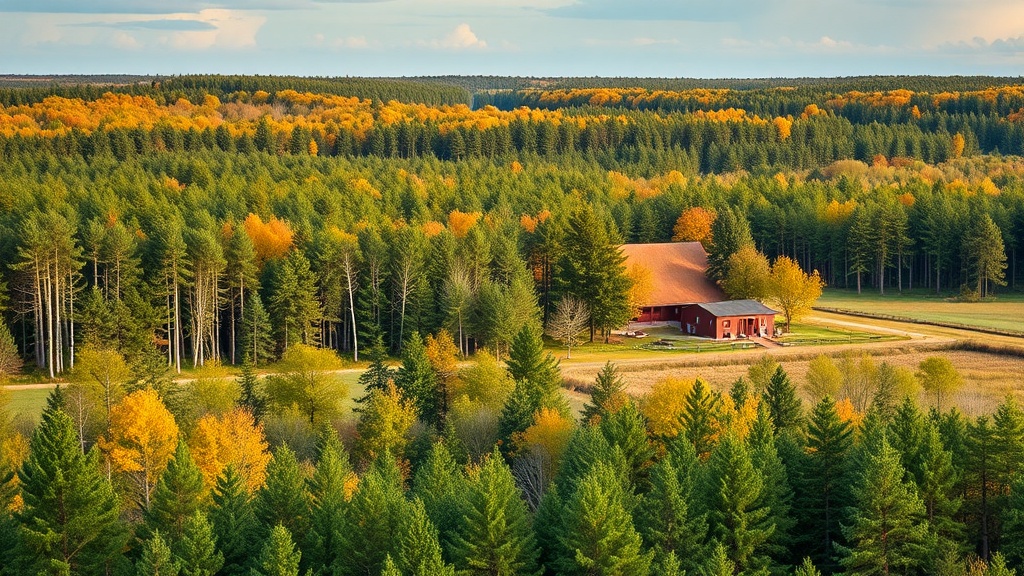
Hunting near Green Bay, Wisconsin offers excellent access to some of the state’s best whitetail, turkey, and waterfowl hunting. Northeast Wisconsin combines productive agricultural land with large blocks of county forest and state wildlife areas. The Green Bay shoreline and surrounding marshes add outstanding waterfowl opportunities. Always confirm legal requirements and season details on the official Wisconsin DNR website.
Start with official rules
Begin with the state agency regulations and season dates. Your city is just a starting point. The Deer Management Zone you hunt in will decide the legal details, including antlerless tag availability and CWD management zone designations.
 Checklist for this step:
- Confirm current season dates and legal methods for your species.
- Verify license, tag, and stamp requirements including bonus antlerless tags.
- Review zone-specific rules and any county-level restrictions.
Use these internal resources as a starting point:
Nearby public hunting areas
Several quality public hunting areas are within a one to two hour drive of Green Bay:
- Sensiba Wildlife Area — Located just south of Green Bay in Brown County. Over 2,500 acres of marsh, grassland, and wooded habitat along the Fox River. Excellent waterfowl hunting during fall migration. Deer and small game also available.
- Navarino Wildlife Area — About 40 minutes west of Green Bay in Shawano County. Over 15,000 acres of diverse habitat including marsh, prairie, and forest. Strong waterfowl, deer, turkey, pheasant, and grouse hunting. One of the larger wildlife areas in northeast Wisconsin.
- Kewaunee County Forest — About 30 minutes east of Green Bay. County forest land with mixed hardwoods and agricultural edges. Good deer hunting with moderate pressure.
- Oconto County Forest — About 45 minutes north of Green Bay. Large county forest blocks provide deer, bear, turkey, and grouse hunting in mixed northern hardwood and conifer forests. Lower pressure than areas closer to the metro.
- Peshtigo River State Forest — About 60 minutes north in Marinette County. Large state forest tracts offer remote hunting for deer, bear, turkey, and grouse. Two-track roads provide access into interior forest.
Popular species near Green Bay
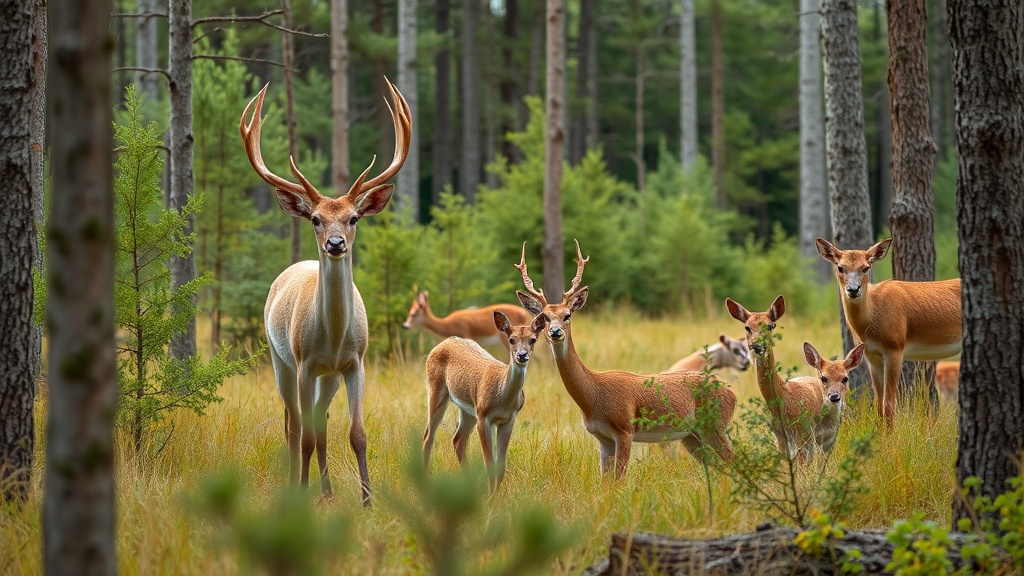
- Whitetail deer: Northeast Wisconsin holds strong deer populations. Archery season opens in mid-September, gun season runs a nine-day period starting the Saturday before Thanksgiving, and muzzleloader follows. The mix of farmland and forest produces quality bucks.
- Turkey: Spring turkey season from mid-April through May is productive in the farmland and forest edges of northeast Wisconsin. Turkey hunting requires a separate permit.
- Waterfowl: The Green Bay shoreline and surrounding marshes are major migration staging areas. Diving ducks, Canada geese, and puddle ducks concentrate along the bay and in managed wildlife areas. Federal duck stamp and HIP registration required.
- Black bear: Bear hunting is available through the Wisconsin preference system in zones north and west of Green Bay. Drawing a tag may require several years of accumulated preference.
- Grouse and woodcock: The county forests and state lands north of Green Bay provide good ruffed grouse and woodcock hunting from September through December.
Build a realistic travel plan
From Green Bay, many hunting areas are within 15 to 60 minutes. The rural character of northeast Wisconsin means you can reach quality hunting ground quickly.
Practical planning tips:
- Set a primary area and a backup area within a reasonable drive.
- Mark access points and parking before you arrive.
- County forest land often has well-maintained parking areas and trail systems.
- Gun deer opener is the busiest weekend of the year. Plan deeper access or midweek hunts to reduce pressure.
Weather and gear considerations
Northeast Wisconsin hunting conditions range from mild in September to severe in late December.
- Early season: Layering system for cool mornings in the 40s with afternoons in the 60s.
- Gun deer season: Late November brings temperatures in the teens to 30s with frequent snow. Insulated clothing, hand warmers, and waterproof boots are essential.
- Late season: December and January hunts may encounter sub-zero temperatures and significant snow accumulation. Full winter gear required.
- Blaze orange required during all gun deer seasons. At least 50% of outer clothing above the waist.
See Gear reviews and Best hunting boots.
Scout efficiently
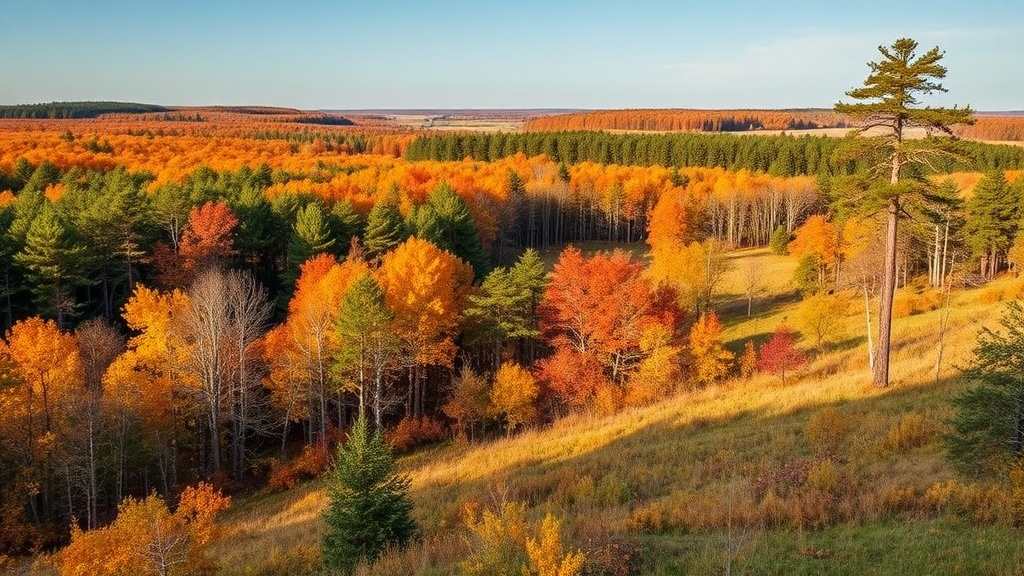
Scouting is about learning terrain and patterns, not just seeing animals. Northeast Wisconsin’s mix of farmland and forest rewards pre-season scouting.
 Scouting checklist:
- Use maps to locate food sources (crop fields, acorn ridges, apple trees), water, bedding cover, and travel corridors.
- Walk county forest roads to find fresh sign, rubs, and scrapes.
- Note other hunters and vehicle activity on public properties.
- Save key waypoints in your mapping app for offline use.
Learn more in Scouting basics.
Ethics and respect
Good hunting starts with respect for land, people, and wildlife. Follow all rules, pack out trash, and respect gates, signage, and other hunters sharing public land. CWD testing may be required in some northeast Wisconsin zones — check current DNR guidance.
Final checklist
- Confirm rules on the official Wisconsin DNR website.
- Save county forest and wildlife area maps for offline use.
- Pack essentials and verify license, tags, bonus tags, and stamps.
- Check zone-specific antlerless regulations and CWD requirements.
- Review safety and access rules before you leave.
Explore Related Topics:
Notice an update we should make?
We strive for accuracy. Contact us here if you see incorrect or outdated info on this page.