Wisconsin has one of the strongest hunting cultures in the United States. The nine-day gun deer season in November is essentially a state holiday, and the DNR manages whitetail deer on a county-by-county basis with detailed antlerless tag allocations that shift each year based on population data. Beyond deer, Wisconsin offers excellent ruffed grouse and woodcock hunting in the northern forests, reliable turkey seasons, productive waterfowl along the Mississippi Flyway and Horicon Marsh, and a black bear program with a preference point system that can take a decade or more to draw. County-specific regulations and CWD management zones add complexity, so planning ahead is essential. This guide gives you a framework for finding access, reading rules, and building a reliable plan.
Start with the official agency
Always confirm the rules for your species and county on the Wisconsin Department of Natural Resources (DNR) website at dnr.wisconsin.gov. This includes season dates, legal methods, county-specific deer regulations, and CWD testing requirements. Wisconsin uses the Go Wild licensing system for all permit purchases, applications, and harvest registration.
Focus on three planning questions
- Where can you hunt legally in Wisconsin.
- What season and method apply to your hunt.
- Which tags, stamps, or permits are required.
Key species
Whitetail deer is the centerpiece. Wisconsin manages deer at the county level with separate antlerless tag quotas, and bonus antlerless tags are available in many units to help control population. CWD management zones in the southern part of the state carry mandatory testing and carcass movement restrictions you need to understand before hunting there. Black bear requires a harvest authorization through a preference point system, and wait times range from roughly 5 to 12 years depending on the zone. Ruffed grouse hunting is a tradition in the northern counties, especially in the Chequamegon-Nicolet National Forest. Turkey hunting is available statewide with spring and fall seasons managed by zone. Waterfowl hunters work the Mississippi River corridor, Horicon Marsh (the largest freshwater cattail marsh in the United States), and numerous state wildlife areas throughout the central and eastern regions.
Access types in Wisconsin
Most hunters use a mix of access types:
- Over 1.5 million acres of state-owned land, including state forests, wildlife areas, and fishery areas managed by the DNR.
- Chequamegon-Nicolet National Forest, covering over 1.5 million acres across northern Wisconsin.
- County forests, particularly in the northern counties, totaling over 2.4 million acres.
- Managed Forest Law (MFL) open lands on enrolled private parcels.
- Private land with written permission.
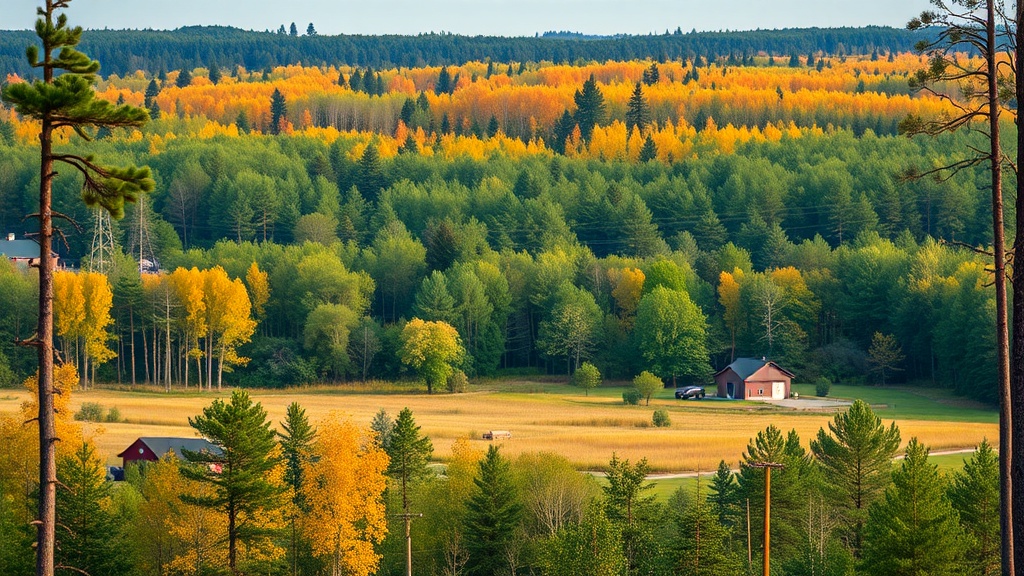
The county forest system is one of Wisconsin’s most underused hunting resources. These lands are open to public hunting and cover large blocks in counties like Bayfield, Price, Sawyer, and Marathon. MFL open lands give you legal access to enrolled private forest parcels for hunting, fishing, and trapping, though not all MFL parcels are designated as open. The DNR’s online property search tool helps you locate public land, MFL parcels, and state wildlife areas by county.
 Explore the Land access hub and the Wisconsin hunting land guide.
Build a season plan
- List your priority species and counties.
- Add application deadlines for bear preference points, spring turkey, and bonus antlerless deer tags.
- Add season windows and scouting time.
- Check CWD zone maps and carcass movement rules for your hunt area.
Wisconsin’s bear preference point system means you need to start applying years before you expect to hunt. Each unsuccessful application earns one preference point, and the most popular zones can take over a decade. Apply every year even if you do not plan to hunt bear soon. For deer, pay close attention to which county you are hunting because antlerless tag availability, earn-a-buck requirements, and CWD rules all vary at the county level.
See Build a hunting season planning calendar.
Key resources
Local city guides
Use the city guides below to plan access, travel, and logistics.
Wisconsin Game Species Guides
See also the Wisconsin hunting license guide.
Final checklist
- Confirm rules on the official Wisconsin DNR website.
- Start building bear preference points now if bear hunting is a long-term goal.
- Check CWD zone maps and carcass transport restrictions for your hunt county.
- Save maps for offline use.
- Pack essentials and verify tags.
- Review safety and blaze orange requirements before you leave.
Explore Related Topics:
Notice an update we should make?
We strive for accuracy. Contact us here if you see incorrect or outdated info on this page.