Virginia offers a strong combination of public land access and diverse game species that makes it one of the more underrated hunting states on the East Coast. The western mountains hold black bear and wild turkey in the George Washington and Jefferson National Forests. The piedmont produces consistent whitetail deer harvests on a mix of hardwoods and agricultural land. The coastal plain and Eastern Shore provide solid waterfowl hunting along the Chesapeake Bay and its tributaries. Regulations vary significantly by county, so planning ahead is essential. This guide helps you navigate the rules, find access, and build a solid plan.
Start with the DWR
The Virginia Department of Wildlife Resources (DWR) manages all hunting seasons, licensing, and wildlife management areas across the state. Always confirm the rules for your species and county on the official DWR website at dwr.virginia.gov. Virginia’s regulations differ between areas east and west of the Blue Ridge Mountains, and many rules are set at the county level, including either-sex deer hunting days and bag limits.
Key resources to review:
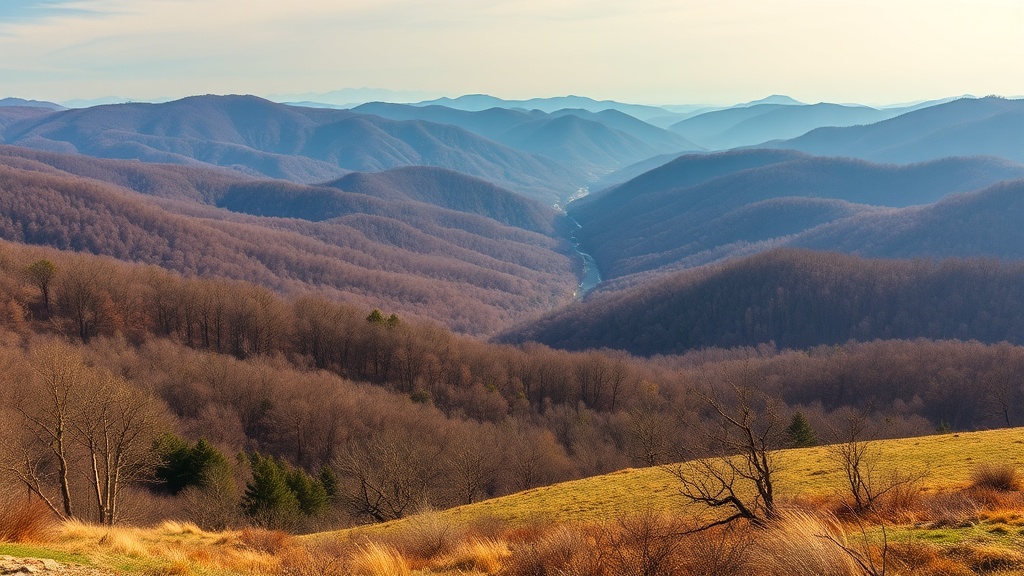
Focus on three planning questions
- Where can you hunt legally in Virginia.
- What season dates, methods, and county-specific rules apply to your hunt.
- Which licenses, stamps, or permits are required.
Key species and regulations
Whitetail deer is the most popular game species. Either-sex hunting days vary by county, and some counties operate under Earn a Buck (EAB) regulations that require you to harvest an antlerless deer before you can take a buck. Check your county’s specific rules before hunting. Turkey hunting is strong statewide in both spring and fall. Black bear populations are concentrated in the western mountains and parts of the Blue Ridge. Waterfowl hunting is productive along the Chesapeake Bay, Back Bay, and the Eastern Shore.
Access types in Virginia
Virginia has significant public hunting land, especially in the western part of the state:
- George Washington and Jefferson National Forests provide roughly 1.8 million acres of public land in western Virginia.
- More than 40 Wildlife Management Areas (WMAs) managed by DWR are spread across the state.
- National Wildlife Refuges along the coast and Eastern Shore offer waterfowl and deer hunting.
- State forests provide additional public access in several regions.
- Private land with written permission, hunt clubs, or leases remains important, especially in the piedmont and Shenandoah Valley.
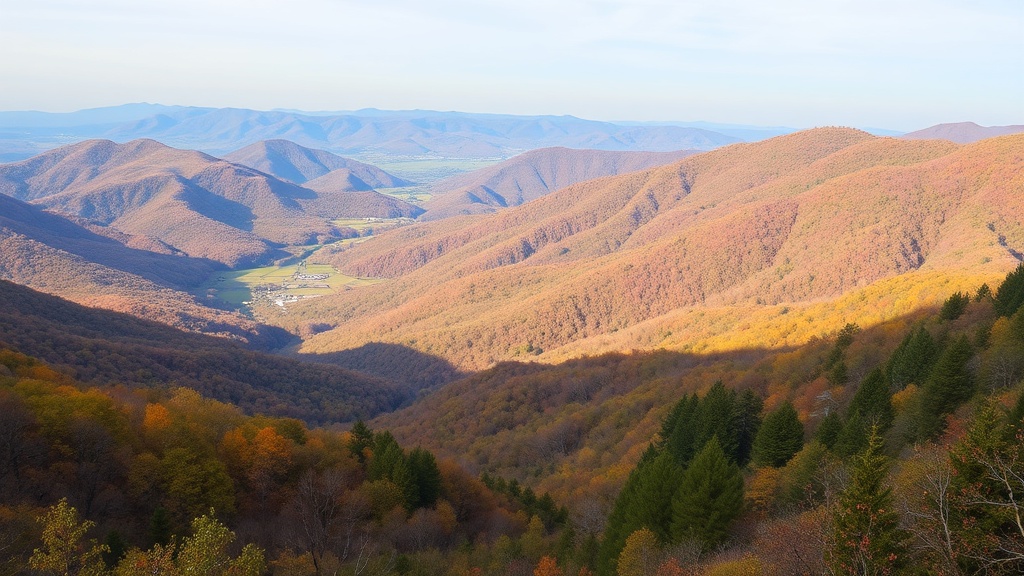 Explore the Land access hub and the Virginia land access guide.
Build a season plan
- List your priority species and counties.
- Check either-sex day schedules and EAB requirements for your county.
- Add deadlines and application dates first.
- Add season windows and scouting time.
- Check CWD management area rules if hunting in the Shenandoah Valley.
 See Build a hunting season planning calendar.
Local city guides
Use the city guides below to plan access, travel, and logistics from major Virginia metro areas.
Virginia Game Species Guides
See also the Virginia hunting license guide.
Final checklist
- Confirm rules on the official DWR website.
- Verify either-sex days and EAB requirements for your specific county.
- Check CWD testing requirements if hunting in a designated management zone.
- Purchase all required licenses and stamps.
- Save maps for offline use.
- Pack essentials and verify tags.
- Review safety and access rules before you leave.
Explore Related Topics:
Notice an update we should make?
We strive for accuracy. Contact us here if you see incorrect or outdated info on this page.