Hunting near Nashville, Tennessee can be productive if you plan access and logistics early. Middle Tennessee offers rolling hills, mixed hardwood forests, agricultural fields, and reservoir shorelines that support strong populations of whitetail deer, turkey, and waterfowl. Always confirm legal requirements and season details on the official TWRA website before every hunt.1
Start with official rules
Begin with TWRA regulations and season dates. Nashville is your starting point, but the unit, zone, or county you hunt in determines the legal details.
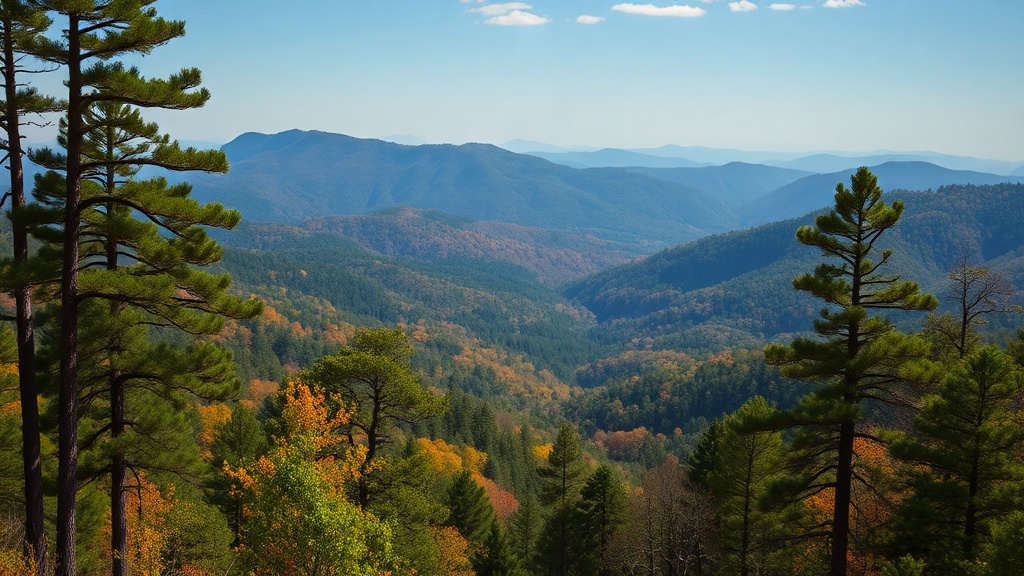 Checklist for this step:
- Confirm current season dates and legal methods for your species.
- Verify hunting license, big game license, and WMA permit requirements.
- Review unit-specific rules and any quota hunt application deadlines.
Use these internal resources as a starting point:
Nearby public hunting areas
Nashville is well positioned for access to several productive WMAs and public lands within a one to two hour drive.
Cheatham WMA
Located along the Cumberland River northwest of Nashville, Cheatham WMA offers deer, turkey, and small game hunting on bottomland hardwoods and agricultural fields. The proximity to Nashville makes it one of the more accessible WMAs in Middle Tennessee, which also means higher hunter pressure during opening weekends.
Yanahli WMA
Situated south of Nashville near Lewisburg, Yanahli WMA covers over 9,000 acres of rolling hills and creek bottoms. It provides quality deer and turkey hunting with less pressure than some closer-in WMAs. The area was acquired by TWRA in recent years and continues to be developed with improved access points.
Laurel Hill WMA
Located south of Nashville near the Alabama border, Laurel Hill WMA offers deer, turkey, and small game hunting in a mix of hardwood forests and open fields. The moderate terrain makes it accessible for hunters of varying fitness levels.
Old Hickory Lake and Percy Priest Lake
The Army Corps of Engineers manages public lands around both reservoirs near Nashville. These areas provide waterfowl hunting opportunities along coves, backwaters, and flooded timber. Duck and goose hunting can be productive during migration periods. Some areas require special access permits or have restricted hunting zones near developed recreation areas.
Target species near Nashville
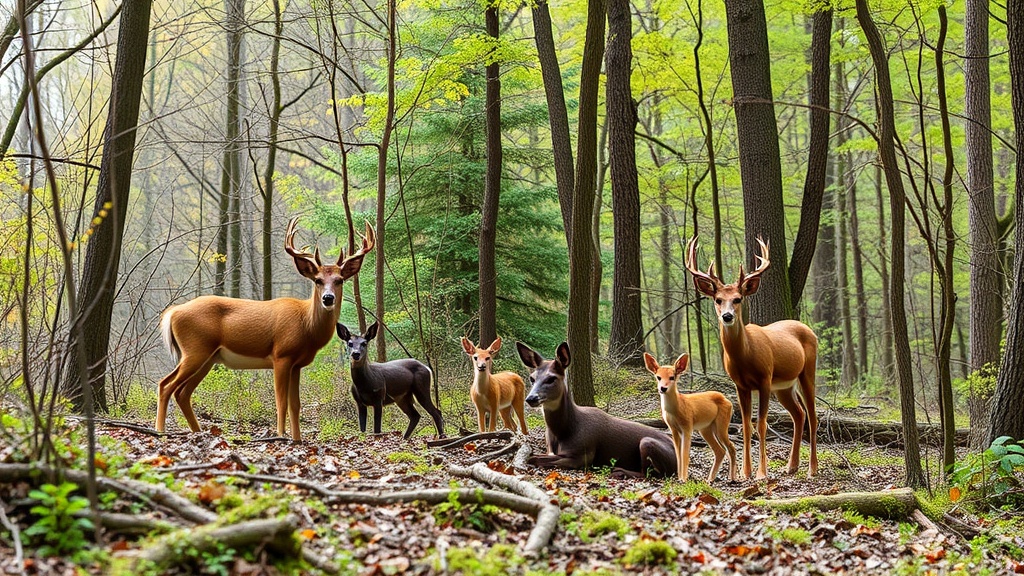
- Whitetail Deer: Strong populations on WMAs and private land throughout Middle Tennessee. Archery season offers the longest window. Gun season draws the most hunters.
- Turkey: Healthy Eastern wild turkey populations. Spring gobbler hunting is excellent on Middle Tennessee WMAs and private farms.
- Waterfowl: Old Hickory Lake and Percy Priest Lake offer duck and goose hunting during the split seasons. Flooded agricultural fields on private land can also be productive.
- Small Game: Squirrel and rabbit hunting are available on most WMAs near Nashville. Dove fields are managed on several WMAs with special permit drawings.
Build a realistic travel plan
From Nashville, most public hunting areas are within 30 minutes to two hours. Plan for time, fuel, and daylight.
Practical planning tips:
- Set a primary WMA and a backup area within a reasonable drive.
- Mark access points and parking areas before you arrive.
- Account for slow travel on rural roads, especially before dawn.
- Do not plan a hunt that depends on a single access point being available.
Scout efficiently
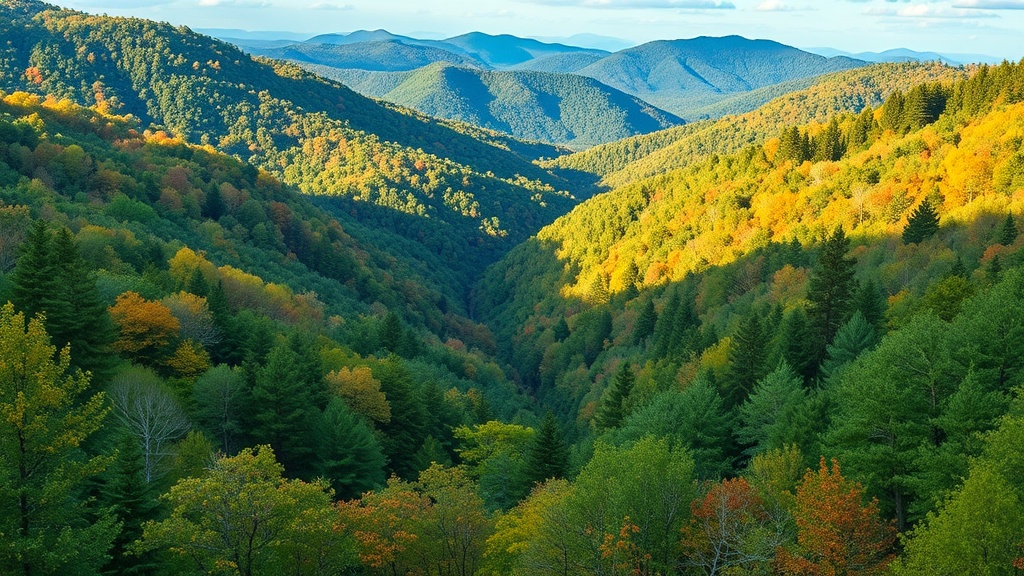
Scouting is about learning terrain and patterns. If you only have a day or two, focus on access points, sign, and terrain features.
 Scouting checklist:
- Use TWRA WMA maps and satellite imagery to locate food sources, water, and travel corridors.
- Walk short loops to confirm deer sign and turkey roost areas.
- Note other hunter activity and vehicle pressure.
- Save key waypoints in your mapping app.
Learn more in Scouting basics.
Plan for weather and safety
Middle Tennessee weather can shift quickly, especially during late fall and winter seasons. Build a simple safety plan for your area.
Safety basics:
- Share your route and expected check-in time.
- Carry water, food, a headlamp, and a basic first aid kit.
- Keep a backup plan in case of WMA closures or flooding.
Use Weather and safety planning for a simple checklist.
Final checklist
- Confirm rules on the official TWRA website.
- Verify your hunting license, big game license, and WMA permit.
- Save WMA maps for offline use.
- Pack essentials and check weather before departure.
- Review safety and access rules before you leave.
Explore Related Topics:
Notice an update we should make?
We strive for accuracy. Contact us here if you see incorrect or outdated info on this page.