Hunting near Memphis, Tennessee places you in some of the best waterfowl and deer habitat in the Southeast. West Tennessee’s flat agricultural lands, river bottoms, and hardwood forests along the Mississippi Flyway support exceptional populations of ducks, geese, whitetail deer, and small game. Always confirm legal requirements and season details on the official TWRA website before every hunt.1
Start with official rules
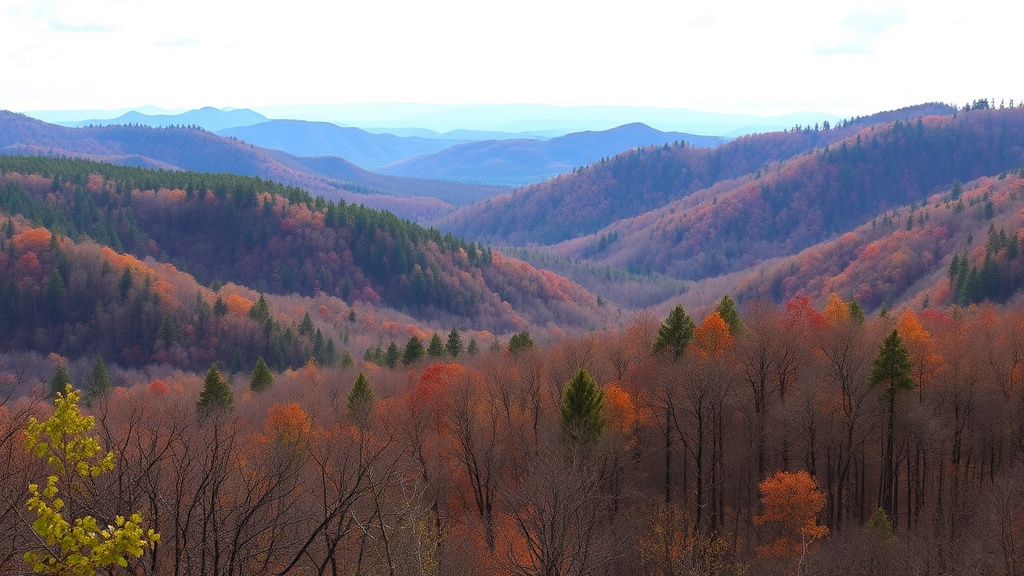
Begin with TWRA regulations and season dates. Memphis is your base, but the specific county or WMA you hunt in determines the legal details. Note that several West Tennessee counties are shotgun-only for deer hunting.
 Checklist for this step:
- Confirm current season dates and legal methods for your species.
- Verify hunting license, big game license, and WMA permit requirements.
- Check whether your hunting county has rifle restrictions for deer.
Use these internal resources as a starting point:
Nearby public hunting areas
West Tennessee offers a mix of state WMAs, national wildlife refuges, and other public access that is reachable from Memphis within one to two hours.
Shelby Forest (Meeman-Shelby Forest State Park Area)
Located just north of Memphis along the Mississippi River bluffs, the Shelby Forest area provides deer, turkey, and small game hunting on bottomland hardwoods and upland forests. Access is close to the city, which means higher pressure during peak weekends.
Hatchie National Wildlife Refuge
The Hatchie NWR protects bottomland hardwood habitat along the Hatchie River east of Memphis. It is one of the premier waterfowl hunting areas in West Tennessee, offering duck hunting in flooded timber and green-tree reservoirs. Deer and turkey hunting are also available. Special refuge regulations apply, so check the U.S. Fish and Wildlife Service rules in addition to TWRA regulations.
West Tennessee WMAs
Several state WMAs within driving range of Memphis offer quality hunting:
- AEDC WMA and Natchez Trace WMA provide deer, turkey, and small game opportunities in the western highlands.
- Chickasaw NWR along the Mississippi River offers waterfowl, deer, and turkey hunting in a river-bottom environment.
- Reelfoot Lake (approximately two hours north of Memphis) is legendary for waterfowl hunting and is one of the top duck hunting destinations in the entire Mississippi Flyway.
Target species near Memphis
- Waterfowl: West Tennessee is the heart of Tennessee’s waterfowl hunting. The Mississippi Flyway funnels millions of ducks and geese through the region each winter. Flooded timber, agricultural fields, and managed wetlands provide outstanding waterfowl hunting. Species include mallards, wood ducks, gadwall, teal, Canada geese, and snow geese.
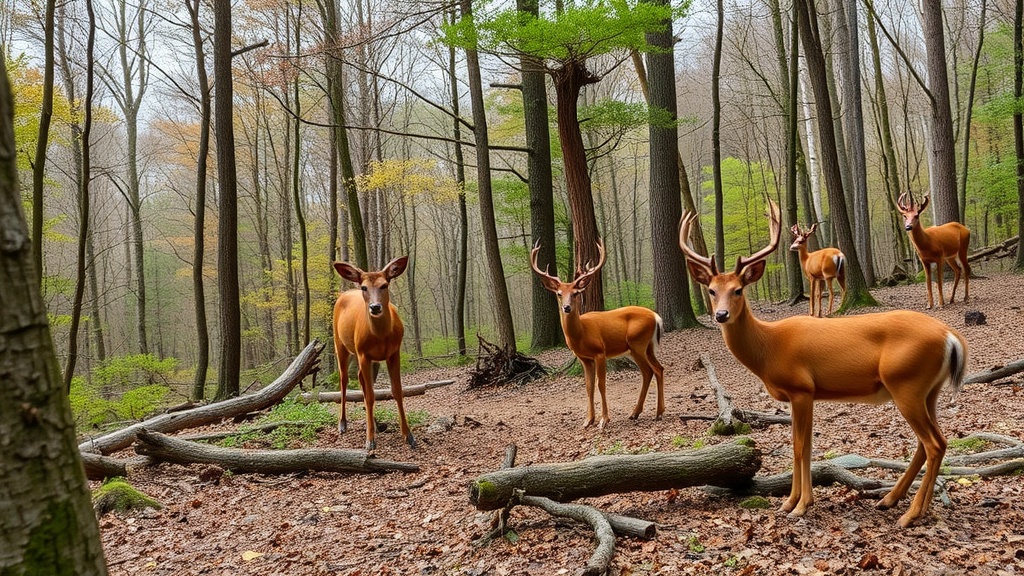
- Whitetail Deer: Deer populations are strong across West Tennessee. The flat terrain and agricultural landscape produce healthy deer with good body weights. Remember that some counties require shotguns only for deer hunting.
- Small Game: Squirrel, rabbit, and dove hunting are widely available on WMAs and private land. West Tennessee’s agricultural fields host productive dove shoots in September.
- Turkey: Eastern wild turkeys are found throughout West Tennessee woodlands. Spring gobbler hunting is popular on both public and private land.
Build a realistic travel plan
From Memphis, most public hunting areas are within 30 minutes to two hours. Waterfowl hunts at Reelfoot Lake require a longer drive but are worth the effort during peak migration.
Practical planning tips:
- Set a primary area and a backup area within a reasonable drive.
- Mark boat ramps and access points for waterfowl hunts before the season.
- Account for muddy roads and flooding in river-bottom areas after rain.
- Plan waterfowl hunts around migration timing and weather fronts for the best action.
Scout efficiently
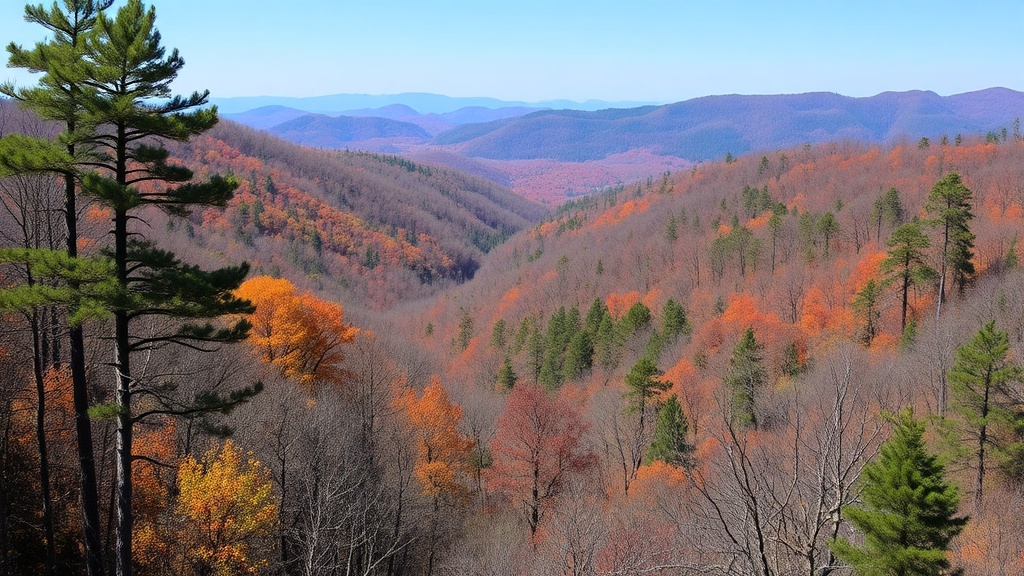
West Tennessee’s flat terrain makes scouting straightforward, but locating concentrations of waterfowl or active deer movement requires effort.
 Scouting checklist:
- Use satellite imagery to identify flooded timber, crop fields, and food sources.
- Drive levee roads and scan fields for waterfowl concentrations before the season.
- Walk field edges and creek bottoms for deer sign.
- Save key waypoints in your mapping app.
Learn more in Scouting basics.
Plan for weather and safety
West Tennessee winters are mild compared to northern states, but cold rain, fog, and flooding are common hazards during waterfowl season. River-bottom areas can flood quickly after heavy rain.
Safety basics:
- Share your route and expected check-in time.
- Carry water, food, a headlamp, and a basic first aid kit.
- Wear appropriate waders and a life jacket for waterfowl hunts in flooded areas.
- Keep a backup plan in case of high water or road closures.
Use Weather and safety planning for a simple checklist.
Final checklist
- Confirm rules on the official TWRA website.
- Verify your hunting license, big game license, WMA permit, waterfowl stamp, and federal duck stamp.
- Save WMA and refuge maps for offline use.
- Pack essentials and check weather and river levels before departure.
- Review safety and access rules before you leave.
Explore Related Topics:
Notice an update we should make?
We strive for accuracy. Contact us here if you see incorrect or outdated info on this page.