Hunting near Knoxville, Tennessee puts you at the doorstep of some of the best big game and mountain hunting in the Southeast. East Tennessee’s rugged Appalachian terrain, vast national forest land, and large WMAs support populations of whitetail deer, turkey, black bear, wild boar, and even elk in nearby restoration zones. Always confirm legal requirements and season details on the official TWRA website before every hunt.1
Start with official rules
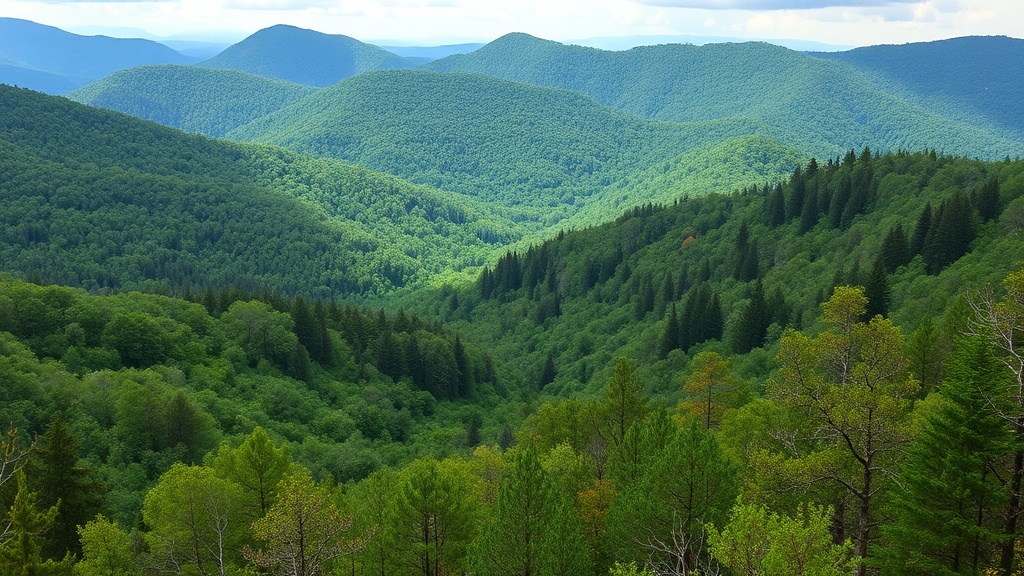
Begin with TWRA regulations and season dates. Knoxville is your base, but the specific county, unit, or WMA you hunt in determines the legal details. East Tennessee includes bear management units and the elk restoration zone, both of which have unique regulations.
 Checklist for this step:
- Confirm current season dates and legal methods for your species.
- Verify hunting license, big game license, and WMA permit requirements.
- Check bear season dates and unit boundaries if targeting bear.
- Review elk lottery requirements if interested in applying.
Use these internal resources as a starting point:
Nearby public hunting areas
Knoxville is surrounded by some of the largest blocks of public hunting land in Tennessee.
Cherokee National Forest
The Cherokee National Forest covers approximately 650,000 acres across East Tennessee, stretching from the Virginia border to the Georgia border. Much of it is within one to two hours of Knoxville. The forest offers:
- Deer and turkey hunting in mixed hardwood forests at lower elevations.
- Black bear hunting in higher-elevation areas along the North Carolina border.
- Wild boar hunting in select areas, particularly in the Tellico River drainage.
- Ruffed grouse hunting in mountain laurel thickets at higher elevations.
Cherokee NF is open to hunting under Tennessee state regulations with no additional federal permit required.
Great Smoky Mountains National Park
Hunting is not permitted in Great Smoky Mountains National Park. The park borders Cherokee National Forest, and hunters must be certain they are on legal hunting land. Carry a GPS and detailed maps to avoid accidentally crossing into the park. The boundary is not always clearly marked on the ground.
Catoosa WMA
Catoosa WMA is the largest WMA in Tennessee at roughly 80,000 acres on the Cumberland Plateau, approximately one hour west of Knoxville. It offers hunting for deer, turkey, bear, wild hog, and grouse. The terrain is rugged with steep ridges and creek drainages. Catoosa is managed with both open hunts and quota hunts throughout the season. It is one of the top WMAs in the state for a true backcountry hunting experience.
Other Nearby WMAs
- Chuck Swan WMA: Located on the Norris Lake peninsula, offering deer, turkey, and small game hunting in mountainous terrain.
- Royal Blue WMA: Part of the elk restoration zone in Campbell and Scott counties. Elk viewing is popular here, and the area offers deer and turkey hunting. Elk hunting is by lottery only.
- Tellico WMA: A rugged mountain area in the Cherokee National Forest known for bear and boar hunting.
- Oak Ridge WMA: Close to Knoxville, offering deer and turkey hunting on a smaller, more accessible property.
Target species near Knoxville
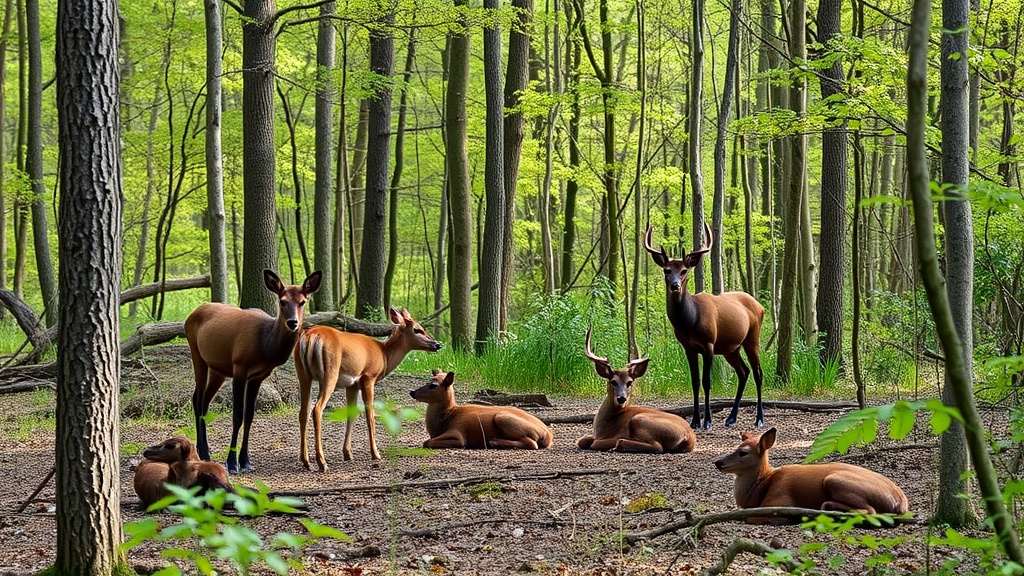
- Whitetail Deer: Strong populations across East Tennessee WMAs and Cherokee NF. Mountain deer tend to have smaller body sizes than lowland deer but provide a challenging hunt in steep terrain.
- Turkey: Excellent Eastern wild turkey populations throughout the region. Spring gobbler hunting on Cherokee NF and East Tennessee WMAs is a highlight of the season.
- Black Bear: East Tennessee is the center of Tennessee’s bear population. Bear seasons are open in specific counties along the North Carolina border and on select WMAs. This is one of the few areas in the Southeast where hunters can pursue black bear on large blocks of public land.
- Wild Boar: European wild boar and their hybrid descendants are found in the Tellico area and parts of Cherokee NF. Boar hunting is available during specific seasons on public land and year-round on private land.
- Elk: The elk restoration zone is located in Campbell, Claiborne, Scott, and Morgan counties, roughly one to two hours north of Knoxville. Elk hunting tags are available only through a lottery drawing, and the number of tags issued each year is very small. Even without a tag, the Royal Blue and Hatfield Knob areas offer excellent elk viewing.
- Small Game: Ruffed grouse, squirrel, and rabbit hunting are available on Cherokee NF and East Tennessee WMAs.
Build a realistic travel plan
From Knoxville, Cherokee National Forest access points are as close as 30 minutes. Catoosa WMA is about one hour west. The elk zone is one to two hours north. Mountain roads can be slow and unpaved.
Practical planning tips:
- Set a primary area and a backup area within a reasonable drive.
- Mark trailheads, forest roads, and parking areas before you arrive.
- Account for slow travel on narrow mountain roads and gravel forest roads.
- Plan for limited cell service in backcountry areas of Cherokee NF and Catoosa WMA.
Scout efficiently
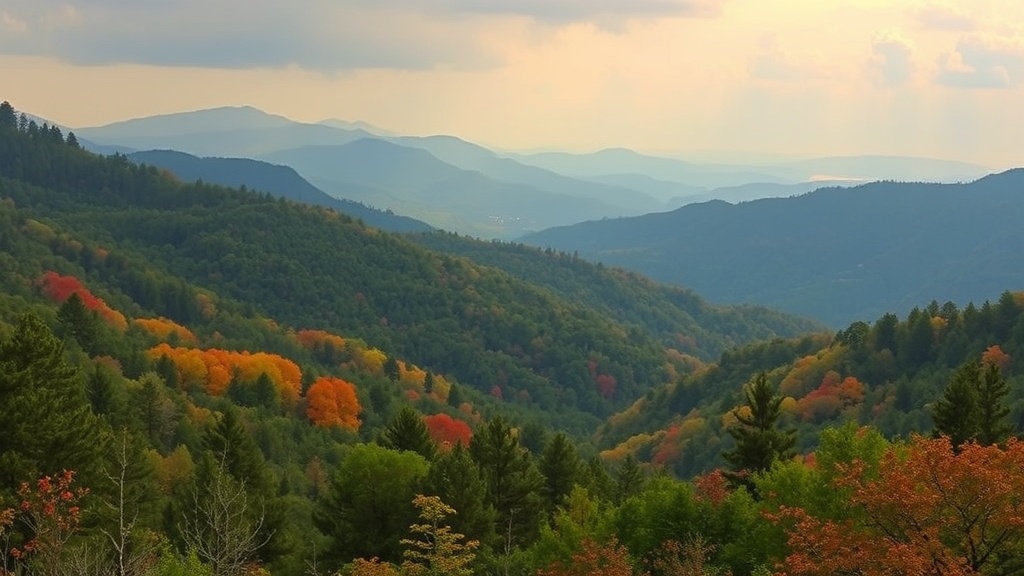
East Tennessee’s mountain terrain makes scouting physically demanding but rewarding. Focus on terrain features and sign rather than covering maximum distance.
 Scouting checklist:
- Use topographic maps to identify saddles, benches, and creek crossings that funnel deer and bear movement.
- Look for bear sign (scat, claw marks on trees, overturned logs) at higher elevations.
- Glass open ridges and balds for turkey and elk.
- Save key waypoints in your mapping app and carry a backup paper map.
Learn more in Scouting basics.
Plan for weather and safety
East Tennessee mountain weather can change rapidly. Temperatures drop significantly with elevation gain, and fog, ice, and early snow are possible during fall and winter hunting seasons.
Safety basics:
- Share your route and expected check-in time with someone who is not on the hunt.
- Carry water, food, extra layers, a headlamp, fire-starting materials, and a basic first aid kit.
- Be prepared for steep, rocky terrain and limited access to help.
- Know the Great Smoky Mountains NP boundary and stay on legal hunting land.
Use Weather and safety planning for a simple checklist.
Final checklist
- Confirm rules on the official TWRA website.
- Verify your hunting license, big game license, and WMA permit.
- Save Cherokee NF, Catoosa WMA, and unit maps for offline use.
- Pack for mountain weather and carry a GPS with park boundaries loaded.
- Review safety and access rules before you leave.
Explore Related Topics:
Notice an update we should make?
We strive for accuracy. Contact us here if you see incorrect or outdated info on this page.