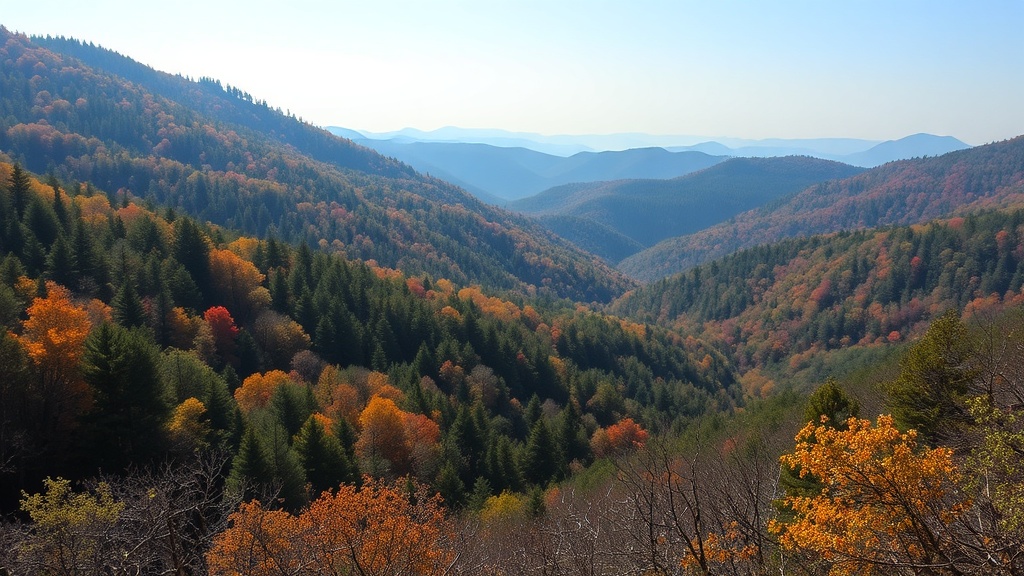
Hunting in Tennessee requires solid planning because rules vary by unit, species, and season type. The state spans three grand divisions with distinct terrain – Appalachian mountains in the east, rolling hills and hardwoods in middle Tennessee, and Mississippi River bottomlands in the west. Whitetail deer and eastern turkey are available statewide, while black bear hunting is concentrated in the eastern mountains, and west Tennessee’s Reelfoot Lake area is one of the best public waterfowl destinations in the mid-South. This guide gives you a framework for finding access, reading rules, and building a reliable plan.
Start with the official agency
The Tennessee Wildlife Resources Agency (TWRA) manages all hunting seasons and regulations. Always confirm the rules for your species and unit on the official TWRA website. This includes season dates, legal methods, bag limits, and reporting requirements. TWRA divides the state into deer hunting units with different season structures, so verify which unit covers your hunting area before you go.
Focus on three planning questions
- Where can you hunt legally in Tennessee. The state manages over 90 WMAs totaling 1.5 million acres. Cherokee National Forest covers 650,000 acres in the eastern mountains, and Land Between the Lakes spans 170,000 acres on the Kentucky border. Each property has specific rules and access points.
- What season and method apply to your hunt. Tennessee deer seasons include archery, muzzleloader, and gun segments running from late September through mid-January. Bear season is limited to specific eastern counties and units – check TWRA’s bear unit map. Turkey season opens in April statewide.
- Which licenses, permits, or stamps are required. You need a hunting license, a big game license for deer and bear, and a WMA permit for public land. Quota hunts on select WMAs require a separate application through TWRA’s drawing system. Non-residents pay higher license fees but can access all general seasons without a draw.
Access types in Tennessee
Most hunters use a mix of access types:
- Over 90 WMAs totaling 1.5 million acres managed by TWRA. These range from small lowland tracts to large mountain units. Some WMAs offer quota hunts for deer, turkey, bear, and waterfowl.
- Cherokee National Forest – 650,000 acres in the Appalachian mountains of east Tennessee, open to hunting during state seasons. This is the primary public land for bear hunters.
- Land Between the Lakes National Recreation Area – 170,000 acres on the Tennessee-Kentucky border, managed by the USDA Forest Service, with excellent deer and turkey hunting.
- Reelfoot Lake area – state-managed waterfowl hunting in west Tennessee, one of the best public duck hunting locations in the region.
- Private land with written permission from the landowner.
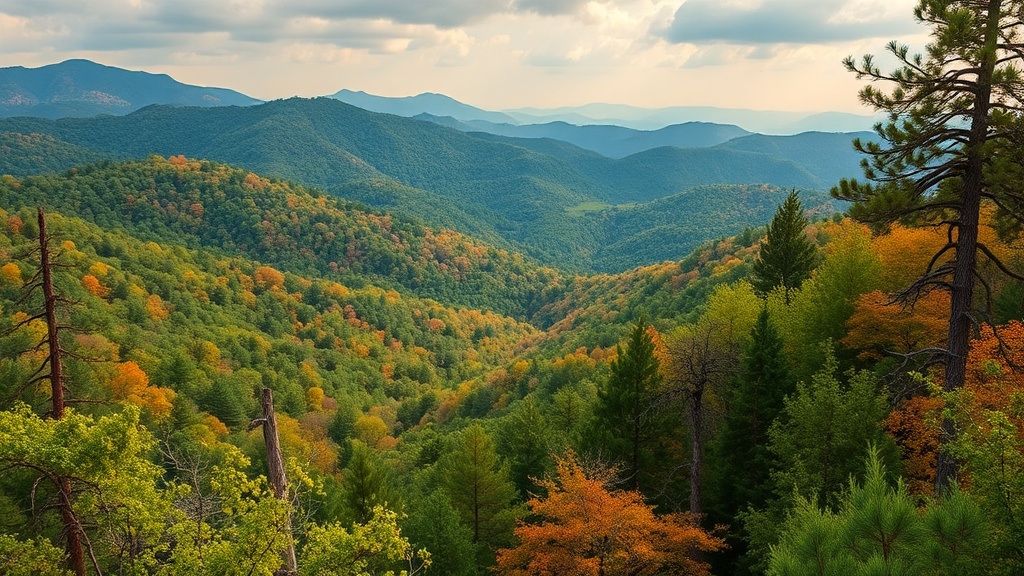 Explore the Land access hub and the Tennessee hunting land guide.
Build a season plan
- List your priority species and units.
- Add quota hunt application deadlines first – TWRA runs drawings for popular WMAs and bear hunts.
- Add season windows and scouting time.
- Verify license and permit requirements for each hunt.
- If targeting bear, confirm that your unit is open and check the season structure for archery, muzzleloader, and gun segments in the eastern mountains.
See Build a hunting season planning calendar.
Key resources
- Tennessee hunting season dates for all species and units.
- Tennessee hunting regulations for licenses, legal methods, and bag limits.
- Tennessee land access guide for WMA details and public land options.
Local city guides
Use the city guides below to plan access, travel, and logistics from Nashville, Memphis, and Knoxville.
Tennessee Game Species Guides
See also the Tennessee hunting license guide.
Final checklist
- Confirm rules on the official TWRA website.
- Apply for quota hunts and bear permits before TWRA deadlines.
- Save WMA maps for offline use.
- Pack essentials and verify licenses, tags, and permits.
- Review safety and access rules before you leave.
Explore Related Topics:
Notice an update we should make?
We strive for accuracy. Contact us here if you see incorrect or outdated info on this page.