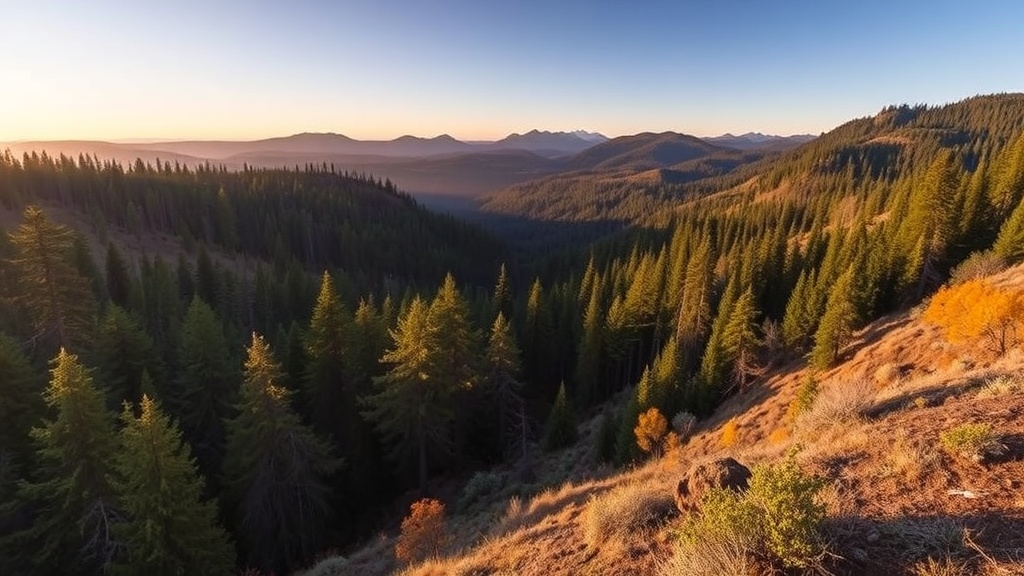
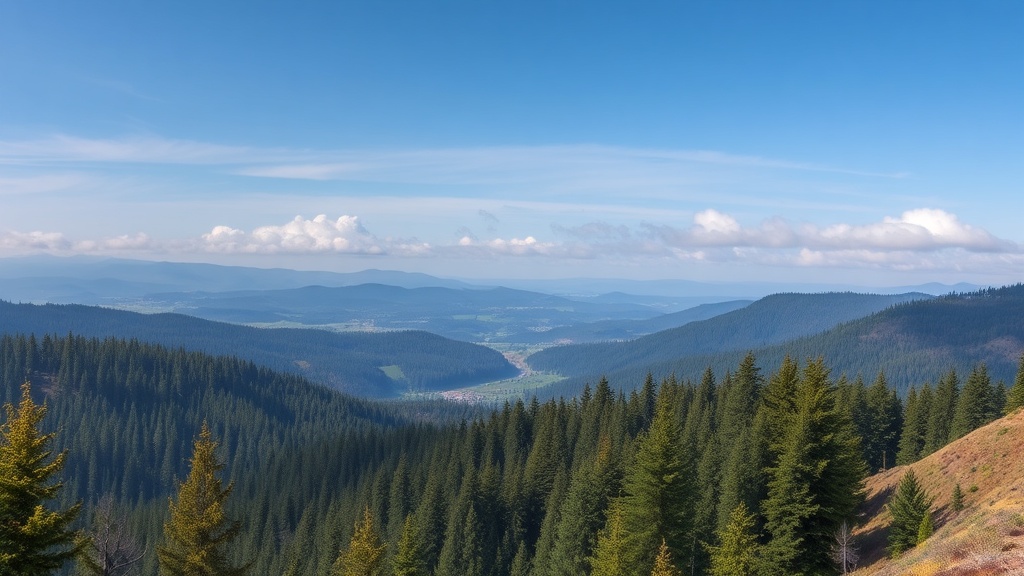
Hunting near Bend, Oregon places you at the crossroads of two dramatically different landscapes. To the west, the Deschutes National Forest climbs into the Cascade Mountains with dense timber holding elk and blacktail deer. To the east, the high desert opens up into vast BLM sagebrush flats and juniper-rimmed canyons that support mule deer, pronghorn, chukar, and quail. Bend is one of the best-positioned cities in Oregon for a hunter who wants access to both mountain and desert hunting within a short drive.
Start with official rules
Begin with the Oregon Department of Fish and Wildlife (ODFW) regulations and season dates. Central Oregon has a mix of general and controlled hunt units, and the distinction matters. Many east-side mule deer and elk units are controlled hunts requiring a successful draw.
 Checklist for this step:
- Confirm current season dates and legal methods for your species and unit.
- Verify whether your unit requires a general or controlled hunt tag.
- Check preference point requirements for controlled units.
- Review license, tag, and stamp requirements.
Use these internal resources as a starting point:
Understand access types near Bend
Bend sits in the middle of some of the most extensive public land in Oregon. Hunters here have exceptional access compared to most parts of the country.
Deschutes National Forest
The Deschutes National Forest covers approximately 1.6 million acres stretching from the east slope of the Cascades across the high Deschutes Plateau. The forest holds elk, mule deer, black bear, and forest grouse. Higher elevations provide good early-season archery hunting, while lower-elevation pine and juniper stands are productive during rifle seasons. Road access is generally good, though some areas are gated during hunting season to reduce motorized disturbance.
Ochoco National Forest
The Ochoco National Forest, located about an hour northeast of Bend, covers approximately 850,000 acres of ponderosa pine, juniper, and mixed-conifer forest. This is excellent elk, mule deer, turkey, and bear country. The Ochocos are less crowded than the Deschutes during hunting season and offer quality backcountry hunting opportunities.
BLM High Desert
East and south of Bend, millions of acres of BLM land stretch across the high desert. This terrain supports mule deer in the juniper and rimrock country, pronghorn on the sagebrush flats, and outstanding chukar hunting in the canyon systems along the Deschutes, Crooked, and John Day Rivers. BLM land access is generally unrestricted, though hunters should verify boundaries where public and private lands intermingle.
Chukar Country
The canyons of the Deschutes River, Crooked River, and John Day River east of Bend are some of the finest chukar hunting terrain in Oregon. These steep, rocky canyons hold strong populations of chukar partridge and California quail. Upland bird hunters who are willing to put in the vertical miles will find rewarding hunting from October through January.
Build a realistic travel plan
From Bend, most hunting areas are 30 to 90 minutes away. The Deschutes National Forest begins at the city limits to the west, while BLM desert is immediately to the east.
Practical planning tips:
- Set a primary area and a backup area.
- Mark access points, trailheads, and parking before you arrive.
- High desert roads can be rough and remote. Carry extra water, a spare tire, and basic recovery gear.
- Snow can arrive early at higher elevations in the Cascades. Be prepared for winter conditions from late October onward.
Scout efficiently
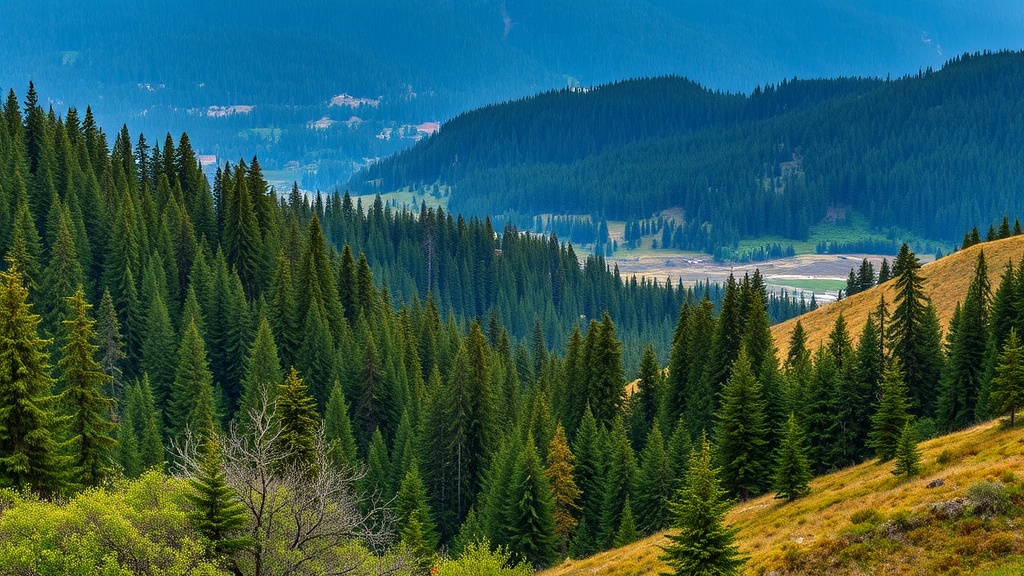
Central Oregon’s open terrain makes glassing a primary scouting technique. Mule deer and pronghorn can often be located from long distances using quality optics.
 Scouting checklist:
- Use mapping tools to identify water sources, which concentrate game in the dry high desert.
- Glass rimrock edges, juniper draws, and meadow margins at dawn and dusk.
- Look for fresh tracks, rubs, and droppings along game trails between bedding and feeding areas.
- Note wind patterns. The high desert thermals shift predictably between morning and afternoon.
- Save key waypoints for offline use.
Learn more in Scouting basics.
Plan for weather and safety
Central Oregon has a continental climate with hot, dry summers and cold, snowy winters. Fall hunting seasons can bring anything from warm Indian summer days to early snowstorms.
Safety basics:
- Share your route and check-in time.
- Carry water, calories, sun protection, and warm layers.
- High desert canyons can be treacherous. Watch for loose rock, rattlesnakes (early season), and steep drop-offs.
- Cell coverage is limited across much of the BLM desert east of Bend.
Use Weather and safety planning for a simple checklist.
Choose gear that matches your hunt
Bend-area hunting spans mountain timber and open desert, so gear selection depends on your target species and terrain.
Gear basics:
- Sturdy boots with ankle support for chukar canyons and rocky desert terrain.
- Layering system for wide temperature swings between morning and midday.
- Quality binoculars and a spotting scope for glassing mule deer and pronghorn at distance.
- A reliable pack sized for day hunts or overnight backcountry trips.
See Gear reviews and Best hunting boots.
Ethics and respect
Central Oregon’s mix of public and private land means boundary awareness is essential. Carry detailed maps, use GPS to verify property lines, and always seek permission before crossing onto private land. Respect road closures and gate restrictions in the national forests.
Local planning checklist
Use this simple list for any hunt near Bend:
- Pick a species and season window.
- Confirm license and tag requirements, including controlled hunt draw status.
- Select a primary unit and a backup unit.
- Scout access points, water sources, and parking.
- Build a packing list suited to the terrain and season.
Helpful next steps:
Final checklist
- Confirm rules on the official ODFW website.
- Save maps for offline use.
- Pack essentials and verify tags.
- Review safety and access rules before you leave.
Explore Related Topics:
Notice an update we should make?
We strive for accuracy. Contact us here if you see incorrect or outdated info on this page.