Hunting near Tulsa, Oklahoma can be productive if you plan access and logistics early. Northeast Oklahoma offers a mix of Ozark foothills, cross timbers, and reservoir-edge habitats that support whitetail deer, turkey, bobwhite quail, and small game. Always confirm legal requirements and season details on the official Oklahoma Department of Wildlife Conservation (ODWC) website.
Start with official rules
Begin with the ODWC regulations and season dates. Your city is just a starting point. The unit, WMA, or area you hunt in will determine the specific legal details.
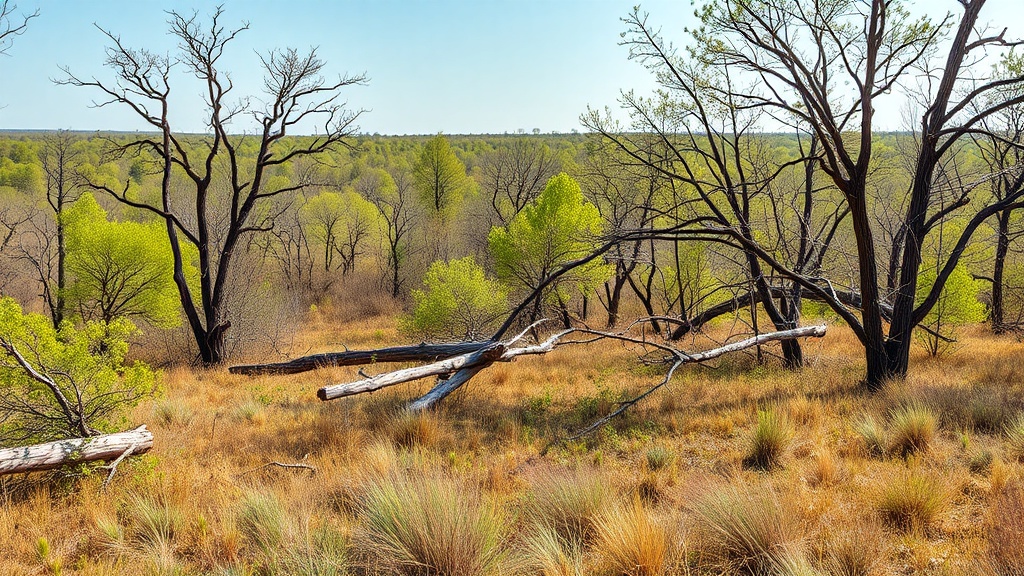 Checklist for this step:
- Confirm current season dates and legal methods for your species.
- Verify license, tag, and stamp requirements.
- Review WMA or area rules and any special restrictions.
Use these resources as a starting point:
Understand access types near Tulsa
Most hunters near Tulsa combine several access options. Build a plan that includes more than one option so you are not relying on a single area.
Oologah WMA
Oologah WMA is located about 35 miles northeast of Tulsa along Oologah Lake. This area provides strong waterfowl hunting along the lake and associated wetlands, as well as deer, turkey, and small game hunting in the surrounding timber and grasslands. Corps of Engineers lands around the reservoir add to the total accessible acreage.
Keystone WMA
Keystone WMA is located west of Tulsa near Keystone Lake. The area encompasses bottomland timber, grasslands, and lake shoreline habitat. Deer and turkey are the primary big game species, and waterfowl hunting along the lake can be productive during migration. Small game, dove, and feral hogs are also present.
Ozark Foothills East of Tulsa
The Ozark Plateau region east of Tulsa, stretching into Cherokee, Adair, and Delaware counties, offers some of the best turkey hunting in Oklahoma. The rugged limestone hills and hardwood forests support healthy Eastern wild turkey populations. Deer hunting is also strong in this region, with the broken terrain providing natural funnels and travel corridors. The Illinois River corridor and Tenkiller Lake area provide additional public access opportunities on Corps of Engineers lands.
Cookson Hills WMA
One of the largest WMAs in eastern Oklahoma, Cookson Hills WMA is located southeast of Tulsa and provides hunting for deer, turkey, quail, and squirrel across a large block of cross timbers and mixed hardwood habitat. This WMA can absorb higher hunter pressure due to its size.
Common access types:
- Public WMAs managed by ODWC.
- Army Corps of Engineers lands around area reservoirs.
- Private land with written permission or lease agreements.
Start with the Oklahoma land access guide and the Public land guide.
Build a realistic travel plan
From Tulsa, productive public hunting areas are within a 30-minute to 90-minute drive in most directions. Eastern Oklahoma offers more forested terrain, while areas to the west open into prairie.
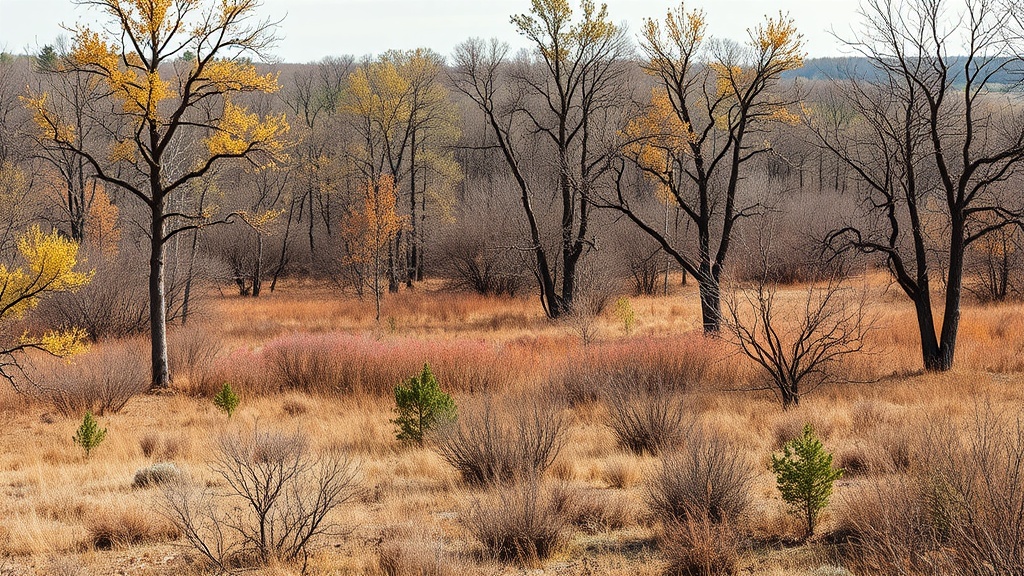 Practical planning tips:
- Set a primary area and a backup area within a reasonable drive.
- Mark access points and parking before you arrive.
- Account for slow travel on rural and gravel roads, especially in the Ozark foothills.
- Do not plan a hunt that depends on a perfect weather window.
Scout efficiently
Scouting is about learning terrain and patterns, not just seeing animals. The varied terrain near Tulsa rewards hunters who spend time studying maps and walking ridgelines.
Scouting checklist:
- Use maps to locate food, water, bedding cover, and travel corridors.
- Walk short loops to confirm sign and pressure.
- Note other hunters and vehicle pressure.
- Save key points in your mapping app.
Learn more in Scouting basics.
Plan for weather and safety
Northeast Oklahoma can experience rapid weather changes. Fall and winter hunts may involve cold rain, ice, and wind. The terrain in the Ozark foothills can be steep and rocky.
Safety basics:
- Share your route and check-in time.
- Carry water, calories, a light, and a basic first aid kit.
- Keep a backup route in case of closures or poor conditions.
Use Weather and safety planning for a simple checklist.
Choose gear that matches your hunt
The terrain near Tulsa ranges from flat agricultural land to steep, rocky Ozark hills. Match your gear to the specific area and species.
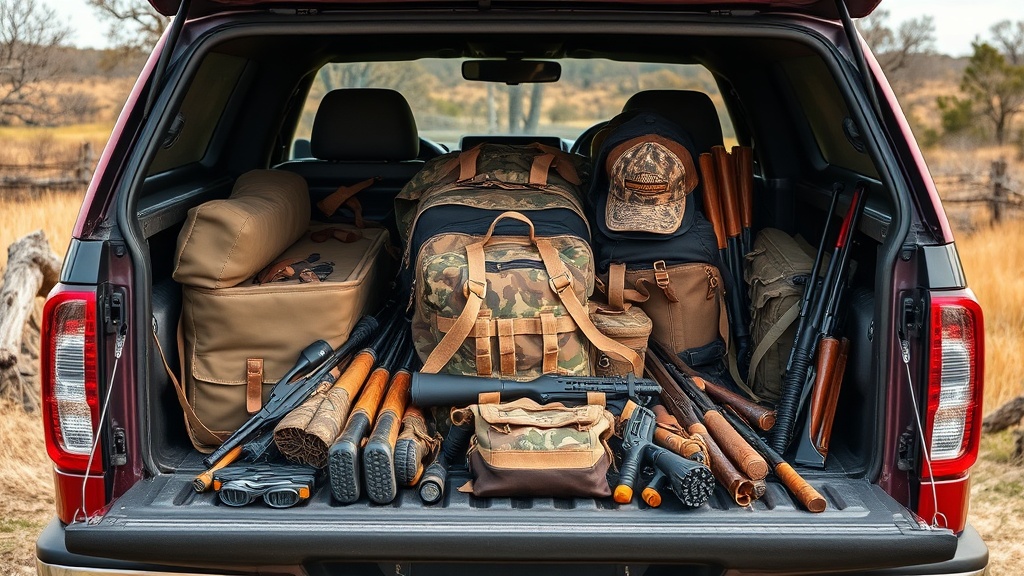 Gear basics:
- Reliable boots with ankle support for rocky terrain, layers, and rain protection.
- A day pack that fits your body.
- Navigation and light.
- Field care kit.
See Gear reviews and Best hunting boots.
Ethics and respect
Good hunting starts with respect for land, people, and wildlife. Follow all rules, pack out trash, and respect gates and signage.
Final Checklist
- Confirm rules on the official ODWC website.
- Save maps for offline use.
- Pack essentials and verify tags.
- Review safety and access rules before you leave.
Explore Related Topics:
Notice an update we should make?
We strive for accuracy. Contact us here if you see incorrect or outdated info on this page.