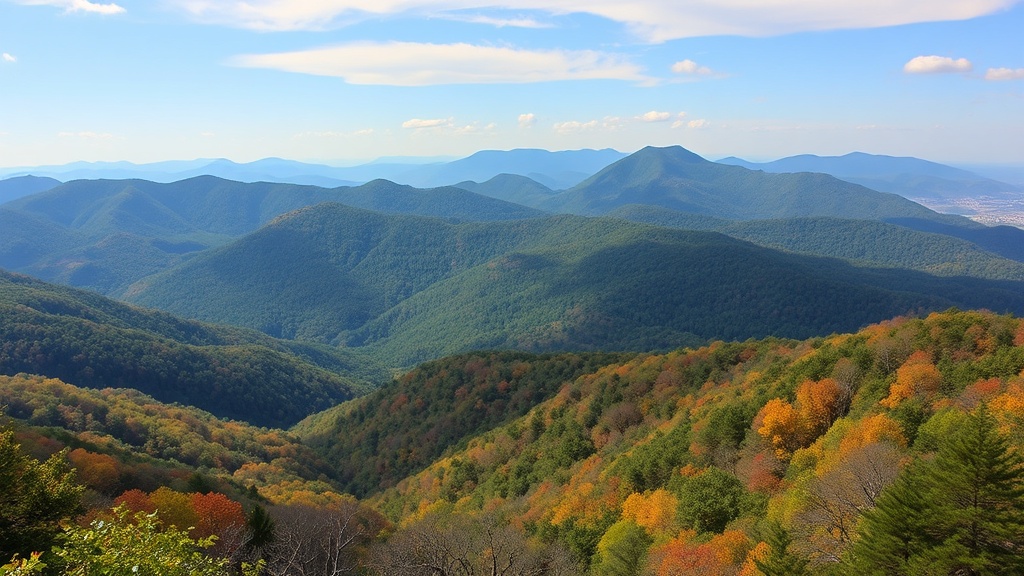
Hunting near Asheville, North Carolina puts you in the heart of the southern Appalachian Mountains, surrounded by some of the best public hunting land in the eastern United States. Pisgah National Forest borders the city on multiple sides, and the Nantahala National Forest is a short drive west. Mountain hunters here pursue black bear, whitetail deer, wild boar, ruffed grouse, and turkey across steep, forested terrain. Always confirm legal requirements and season details on the official NCWRC website.
Start with official rules
Begin with the NCWRC regulations and season dates. Mountain hunting zones have their own season structures that differ from the piedmont and coastal plain. Weapon types, season dates, and bag limits are all zone-specific.
 Checklist for this step:
- Confirm current season dates and legal methods for your species in the western zone.
- Verify license, Big Game License, and Game Lands License requirements.
- Review game land-specific regulation sheets for your target area.
Use these internal resources as a starting point:
Key public lands near Asheville
Asheville is surrounded by exceptional public hunting land:
- Pisgah National Forest: Approximately 500,000 acres of mountain terrain stretching across several counties around Asheville. Pisgah is enrolled in the NCWRC game lands program, and hunters can pursue black bear, whitetail deer, wild boar, ruffed grouse, turkey, and squirrel. The terrain ranges from river valleys to ridges above 6,000 feet. Thick rhododendron and laurel understory make for challenging but rewarding hunting.
- Nantahala National Forest: Approximately 530,000 acres located west of Asheville, extending to the Tennessee and Georgia borders. Nantahala is known for wild boar hunting, particularly in areas adjacent to Great Smoky Mountains National Park where boar populations spill onto National Forest land. Bear, deer, and turkey are also hunted here.
- DuPont State Recreational Forest: South of Asheville in Transylvania County. Limited hunting is allowed during specific seasons. Check the NCWRC and NC Division of Energy, Mineral, and Land Resources for current rules.
- Green River Game Lands: South of Asheville in Henderson and Polk counties. Steep gorge terrain with deer, turkey, bear, and grouse.
- Sherwood Game Lands: West of Asheville in Haywood County. Mountain terrain with bear, deer, and turkey.
All of these areas require a Game Lands License in addition to your basic hunting license.
Mountain hunting species
The Asheville area offers some of the most diverse mountain hunting in the Southeast:
- Black bear: Western North Carolina has a strong bear population. The western bear season typically runs mid-October through late November. Pisgah and Nantahala National Forests are prime bear hunting territory. Bears feed heavily on acorns in the fall, and hunters who locate white oak ridges dropping mast will find bears.
- Whitetail deer: Mountain deer are typically smaller-bodied than piedmont or coastal deer, but the hunting is challenging and scenic. Deer concentrate on south-facing slopes and along creek bottoms where food is most accessible.
- Wild boar: The mountains around Asheville are one of the few places east of the Mississippi where European wild boar and their hybrids can be hunted. Nantahala National Forest, particularly near the Great Smoky Mountains border, is the core boar range. On public game lands, boar are hunted during designated seasons. On private land, there is no closed season.
- Ruffed grouse: Mountain grouse hunting in the high elevations of Pisgah and Nantahala is a classic Appalachian tradition. Grouse are found in young forest growth, laurel thickets, and along ridgeline edges above 3,000 feet.
- Turkey: Spring gobbler hunting in the mountains can be exceptional, with birds gobbling from ridgetop roosts at dawn. National Forest land provides extensive access.
- Squirrel: Abundant in hardwood coves and along creek drainages.
Nearby trout fishing
Many mountain hunters also take advantage of North Carolina’s excellent trout fishing. Pisgah and Nantahala National Forests contain hundreds of miles of trout streams, including both stocked and wild trout waters. Combining a fall hunting trip with trout fishing makes for a well-rounded mountain outdoor experience.
Build a realistic travel plan
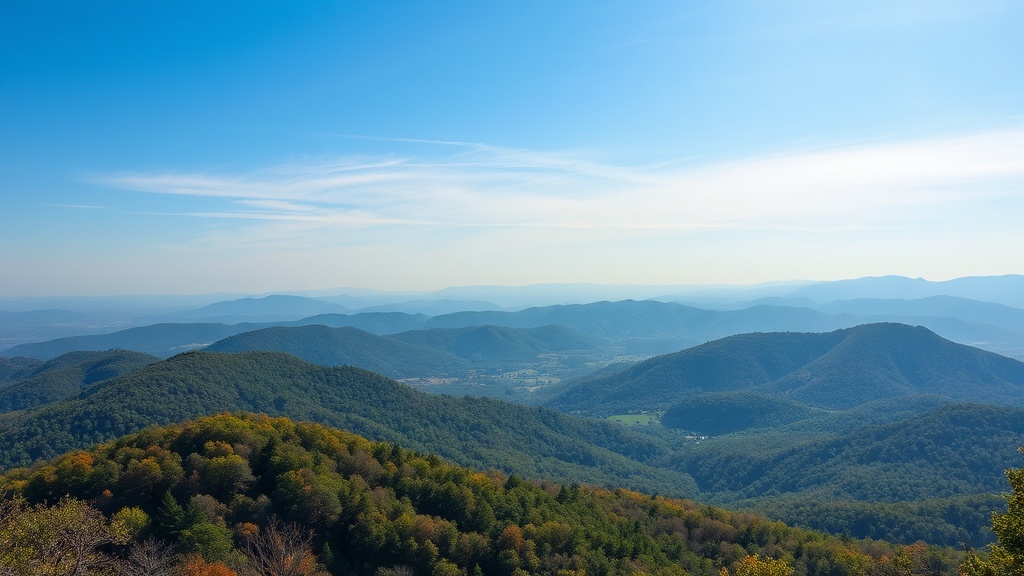
From Asheville, most public hunting areas are within 30 minutes to an hour and a half. However, mountain roads are slow and winding, and access points may require driving on gravel Forest Service roads.
Practical planning tips:
- Set a primary drainage or ridge and a backup area.
- Mark trailheads and Forest Service road access points before you leave.
- Account for significant elevation changes and early darkness in mountain valleys.
- Weather in the mountains can change rapidly. Be prepared for cold, wind, and rain even in October.
Scout efficiently
Mountain scouting is physically demanding but essential.
Scouting checklist:
- Use topo maps and NCWRC game land maps to identify ridges, saddles, creek bottoms, and oak flats.
- Glass south-facing slopes for deer and bear activity.
- Look for bear sign: scat, torn-apart logs, claw marks on beech trees, and overturned rocks.
- Walk ridgelines to locate grouse habitat in young growth and laurel edges.
- Save key waypoints and note elevation, as mountain game often moves with elevation bands.
Learn more in Scouting basics.
Plan for weather and safety
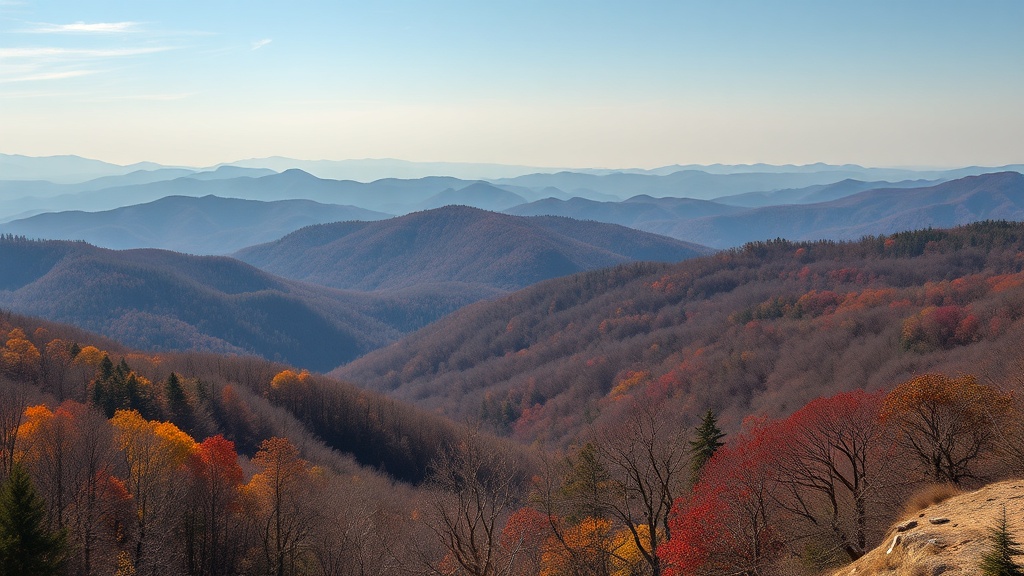
Mountain weather is the biggest variable in Asheville-area hunts. Temperatures can drop 15 to 20 degrees between the valley floor and a high ridge.
 Safety basics:
- Share your route and expected return time.
- Carry water, calories, a headlamp, and a basic first aid kit.
- Dress in layers and carry rain gear regardless of the forecast.
- Carry a GPS or map and compass. Cell service is unreliable in many mountain drainages.
Use Weather and safety planning for a simple checklist.
Ethics and respect
Good hunting starts with respect for land, people, and wildlife. Mountain game lands border Great Smoky Mountains National Park, where no hunting is permitted. Know where park boundaries are and do not cross them. Follow all rules, pack out trash, and respect trail users.
Final checklist
- Confirm rules on the official NCWRC website and check game land regulation sheets.
- Purchase your Game Lands License before heading to public land.
- Save National Forest and game land maps for offline use.
- Pack layers, rain gear, blaze orange, and verify all licenses and tags.
- Review mountain safety and access rules before you leave.
Explore Related Topics:
Notice an update we should make?
We strive for accuracy. Contact us here if you see incorrect or outdated info on this page.