Hunting near New York City is more accessible than most people assume. Within one to two hours of the metro area, you can reach productive public land in the Catskills, the lower Hudson Valley, and parts of northern New Jersey and Connecticut. The key is understanding zone boundaries, weapon restrictions, and where public access exists.
Start with official rules
Begin with the New York State Department of Environmental Conservation (NYSDEC) regulations and season dates. Your wildlife management unit will determine the legal details for seasons, methods, and bag limits.
 Checklist for this step:
- Confirm current season dates and legal methods for your species and unit.
- Verify license, tag, and stamp requirements.
- Review wildlife management unit boundaries, especially the Southern Zone rules that apply closest to NYC.
Use these internal resources as a starting point:
Public land access near New York City
Several public land areas are within reasonable driving distance:
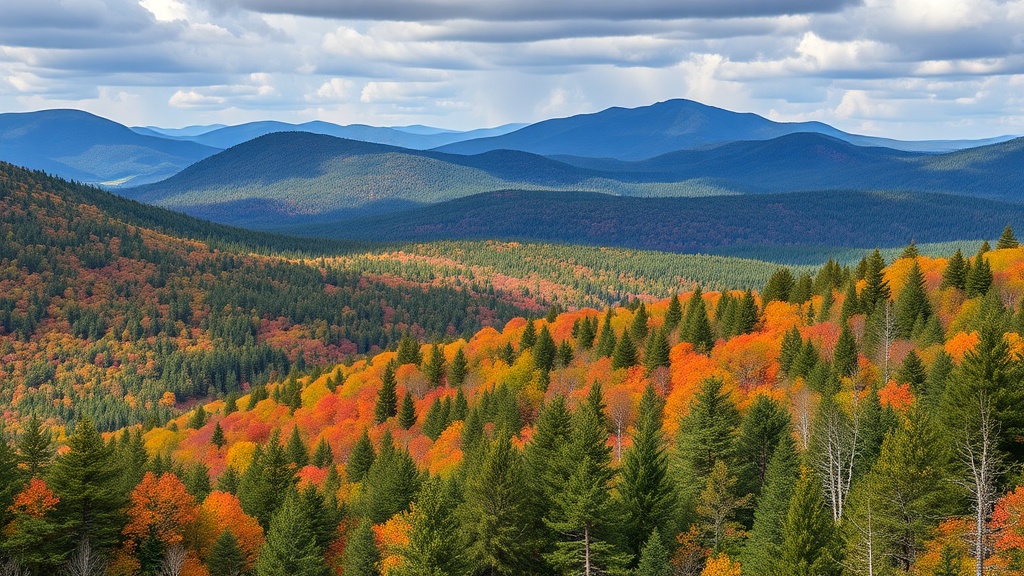
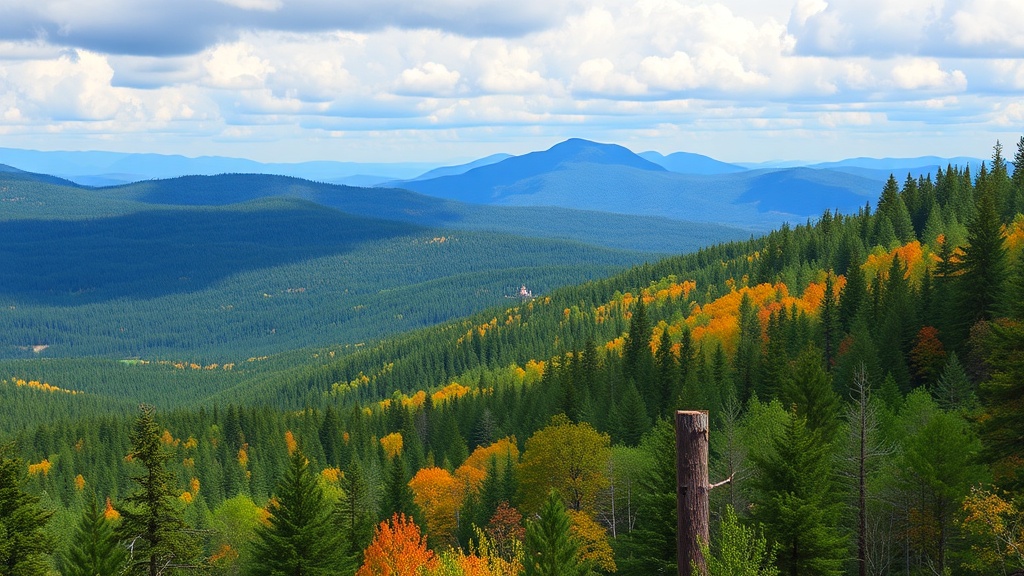
- Catskill Park and Forest Preserve is roughly 90 minutes north of the city and offers large blocks of public land for whitetail deer, turkey, black bear, and small game. The terrain is rugged and rewards hunters willing to hike away from trailheads.
- Sterling Forest State Park in Orange County is about an hour northwest and allows hunting in designated areas. Deer and turkey are the primary species.
- Harriman State Park borders Sterling Forest and offers limited hunting access. Check current park regulations for open areas and seasons.
- State forests and WMAs in the mid-Hudson Valley provide additional options within a two-hour drive. Areas like the Bashakill WMA and Shawangunk Ridge support deer, turkey, and small game.
If you are willing to travel into neighboring states, northern New Jersey public lands and Connecticut state forests also offer hunting opportunities. You will need a non-resident license for those states.
Start with the New York land access guide and the Public land guide.
Species near New York City
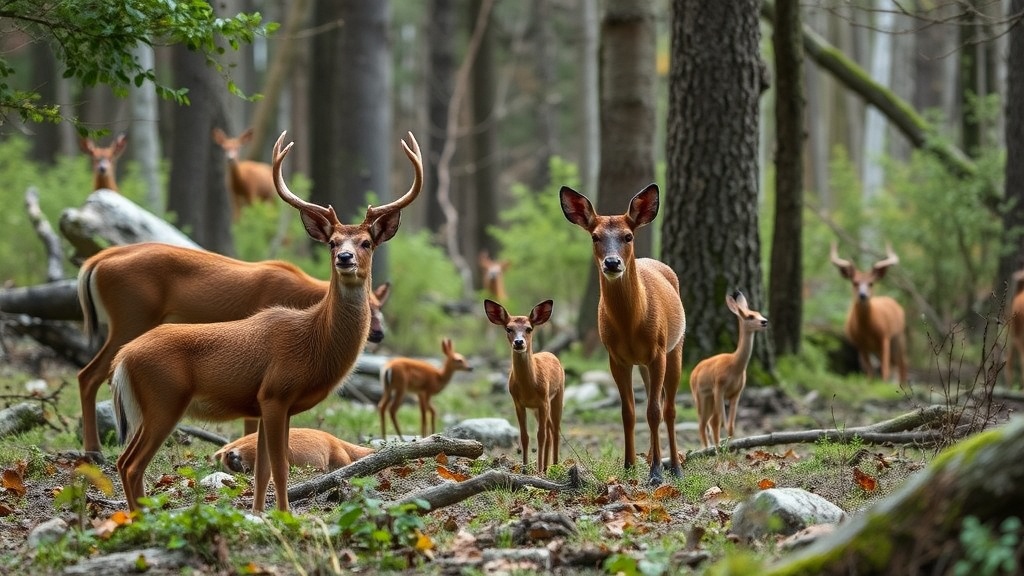
- Whitetail deer are the most popular game species in the region. Southern Zone deer seasons are generous, and deer densities in the lower Hudson Valley and Catskills are healthy.
- Turkey are found throughout the Catskills and Hudson Valley. Spring gobbler season is the primary opportunity, with a fall season also available.
- Small game including squirrel, rabbit, and grouse round out the options on public land.
- Waterfowl opportunities exist along the Hudson River and coastal marshes, though access can be limited.
Southern Zone weapon restrictions
New York’s Southern Zone, which includes the areas closest to NYC, has specific weapon restrictions that differ from the Northern Zone. Shotgun and bow are the primary legal methods for deer hunting in many Southern Zone units. Rifles are not permitted for deer in most of this area. Always confirm the legal methods for your specific wildlife management unit before your hunt.
Build a realistic travel plan
From New York City, expect one to two hours of driving to reach most hunting areas. Traffic leaving the metro area can add significant time, especially on Friday evenings.
 Practical planning tips:
- Leave early to beat traffic heading north on I-87 or northwest on I-80.
- Set a primary area and a backup area in case of heavy hunting pressure.
- Mark access points and parking before you arrive.
- Account for mountain weather in the Catskills, which can change quickly.
Scout efficiently
Scouting checklist:
- Use maps to locate food sources like oak ridges, agricultural edges, and water.
- Walk short loops to confirm deer sign, rubs, scrapes, and travel corridors.
- Note other hunter pressure, especially during opening weekends.
- Save key points in your mapping app.
Learn more in Scouting basics.
Final checklist
- Confirm rules on the official NYSDEC website for your specific wildlife management unit.
- Verify that your weapon is legal for the zone and season.
- Save maps for offline use.
- Pack essentials and verify tags.
- Review safety and access rules before you leave.
Explore Related Topics:
Notice an update we should make?
We strive for accuracy. Contact us here if you see incorrect or outdated info on this page.