Buffalo and Western New York offer some of the most diverse hunting in the state. Lake Erie marshes provide excellent waterfowl hunting along the Atlantic Flyway, the Southern Tier holds strong whitetail deer populations, and Allegany State Park anchors a large block of public land in the southwestern corner. Pheasant stocking programs add another option for upland birds hunters in the region.
Start with official rules
Begin with the New York State Department of Environmental Conservation (NYSDEC) regulations and season dates. Your wildlife management unit will determine the legal details.
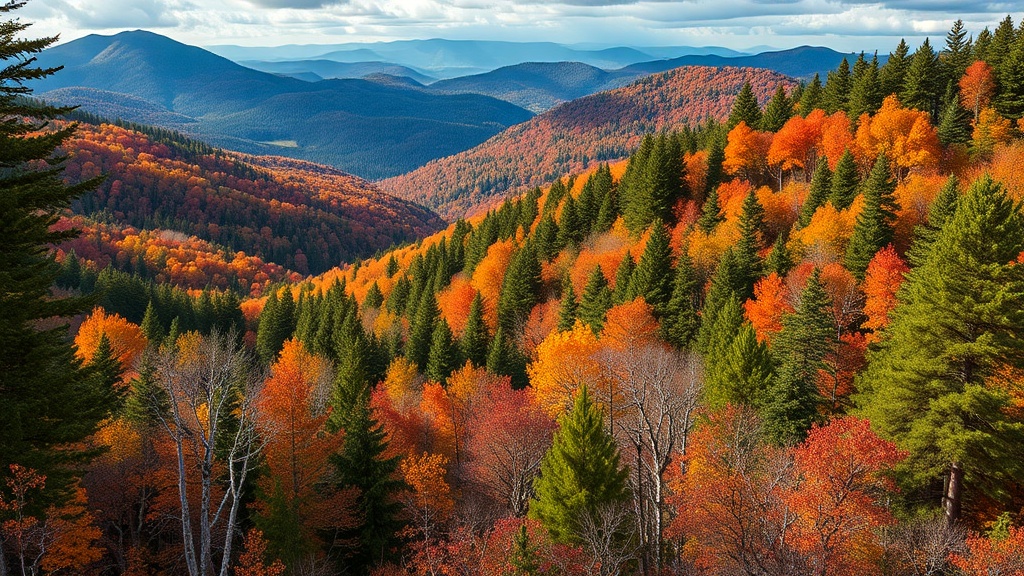 Checklist for this step:
- Confirm current season dates and legal methods for your species and unit.
- Verify license, tag, and stamp requirements including federal duck stamps for waterfowl.
- Review wildlife management unit boundaries for Western New York.
Use these internal resources as a starting point:
Public land access near Buffalo
Western New York has a strong mix of public hunting land:
- Lake Erie marshes and wildlife areas along the lakeshore provide prime waterfowl habitat. The Iroquois National Wildlife Refuge, Oak Orchard WMA, and Tonawanda WMA form a complex of managed wetlands that attract large numbers of ducks and geese during fall migration. These are among the best waterfowl areas in the state.
- Allegany State Park in Cattaraugus County is the largest state park in New York. It supports whitetail deer, turkey, black bear, and small game hunting across thousands of acres of forested hills.
- State forests in the Southern Tier counties of Cattaraugus, Chautauqua, and Allegany provide walk-in access for deer, turkey, and small game. These areas see moderate pressure and offer good habitat.
- Wildlife Management Areas managed by NYSDEC are found throughout the region. Check the NYSDEC website for specific WMA rules and open seasons.
- Private farmland in the agricultural areas south and east of Buffalo holds high deer populations and can be very productive with landowner permission.
Start with the New York land access guide and the Public land guide.
Species near Buffalo
- Waterfowl hunting along the Lake Erie marshes is a highlight of the region. Mallards, black ducks, teal, wood ducks, and Canada geese use the Iroquois, Oak Orchard, and Tonawanda complexes heavily during migration. Layout hunting on agricultural fields for geese is also popular in the area.
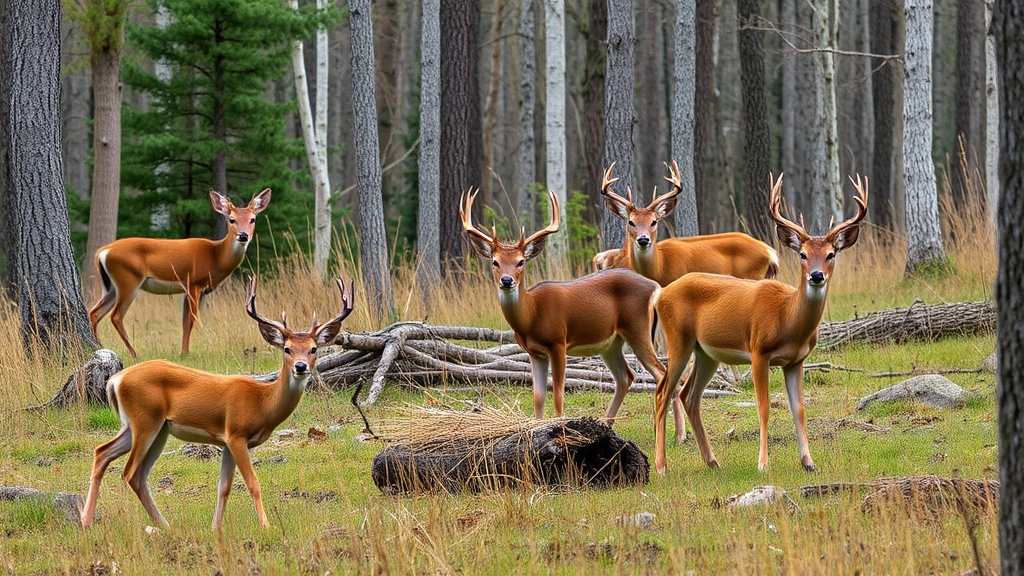
- Whitetail deer thrive in the Southern Tier. The mix of hardwood forest, agricultural land, and moderate winters supports healthy herds. Western New York consistently produces quality deer.
- Pheasant stocking programs operate on several WMAs in the region. NYSDEC releases pheasant during the fall season at designated areas, providing upland birds hunting opportunities that have become increasingly rare in the wild across the Northeast.
- Turkey are well established in Western New York. Spring gobbler season in the farm and forest edge country south of Buffalo is especially productive.
- Small game including squirrel, rabbit, and grouse are available on public land throughout the area.
Build a realistic travel plan
From Buffalo, most hunting areas in the region are within 30 minutes to 90 minutes. Allegany State Park is about 70 miles south, and the Lake Erie marshes are within an hour to the east.
Practical planning tips:
- Set a primary area and a backup area in case of heavy pressure.
- Mark access points and parking before you arrive.
- For waterfowl, plan to arrive well before shooting time to set up decoys in the dark.
- Account for lake-effect weather, which can change conditions rapidly in Western New York. Snow squalls and wind off Lake Erie are common during late season.
Scout efficiently
Scouting checklist:
- For waterfowl, drive roads near the marshes and agricultural fields at dawn and dusk to locate flight patterns and feeding flocks.
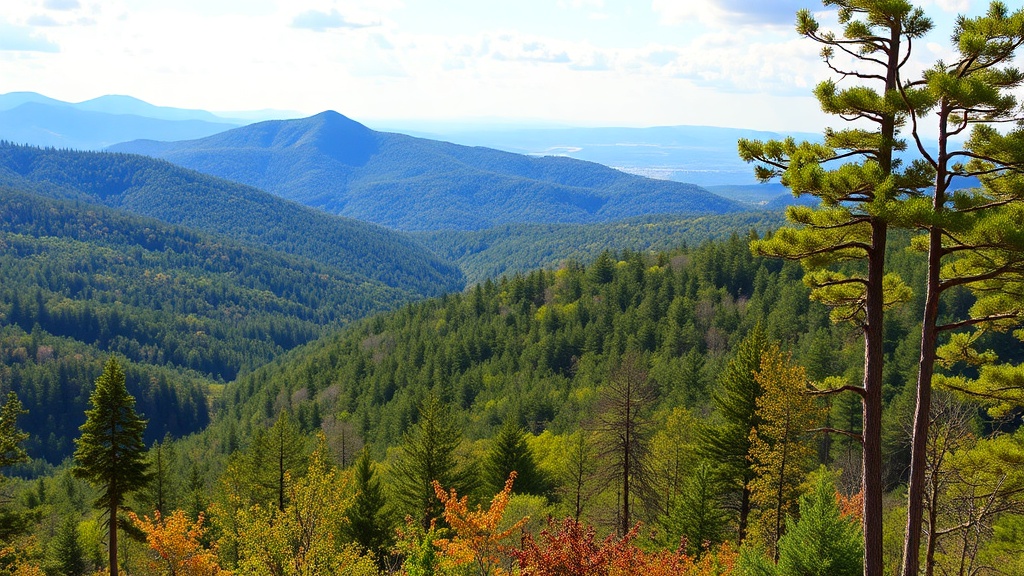
- For deer, use maps to locate oak ridges, crop field edges, and creek bottoms in the Southern Tier.
- Note other hunter pressure and plan for crowded conditions on WMA opener weekends.
- Save key points in your mapping app.
 Learn more in Scouting basics.
Final checklist
- Confirm rules on the official NYSDEC website for your specific wildlife management unit or WMA.
- Verify your license, tags, and federal duck stamp if hunting waterfowl.
- Save maps for offline use.
- Pack for lake-effect weather with warm, waterproof layers.
- Review safety and access rules before you leave.
Explore Related Topics:
Notice an update we should make?
We strive for accuracy. Contact us here if you see incorrect or outdated info on this page.