Hunting near Missoula, Montana places you in the heart of western Montana’s most productive big game and mountain bird country. Missoula sits at the confluence of five valleys, surrounded by the Lolo National Forest, the Bitterroot Valley, and vast stretches of publicly accessible mountain terrain. This is prime territory for elk, whitetail deer, black bear, and mountain grouse, with millions of acres of National Forest land accessible directly from the edges of town.
Start with official rules
Begin with the Montana Fish, Wildlife & Parks (FWP) regulations and season dates. Missoula is your base for logistics, but the hunting district you choose will dictate the legal details of your hunt.
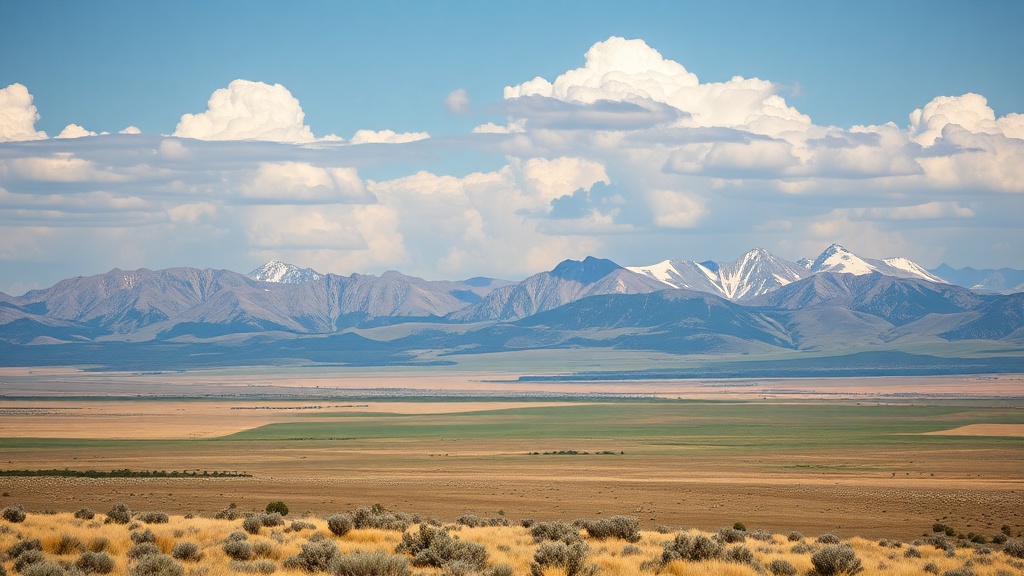 Checklist for this step:
- Confirm current season dates and legal methods for your species.
- Verify license, tag, and stamp requirements.
- Review hunting district rules and any special restrictions.
Use these internal resources as a starting point:
Understand access types near Missoula
Western Montana offers some of the best public land hunting access in the Lower 48. The concentration of National Forest land surrounding Missoula means you can reach quality hunting country within 20 to 60 minutes of town.
Common access types near Missoula:
- Lolo National Forest: The Lolo NF surrounds Missoula on multiple sides and provides hundreds of thousands of acres of elk, whitetail deer, black bear, and grouse habitat. Major drainages like Rock Creek, the upper Clark Fork, and Lolo Creek are accessible from maintained Forest Service roads.
- Bitterroot National Forest: The Bitterroot Valley south of Missoula offers exceptional elk and deer hunting in steep canyon systems and high alpine basins. The Selway-Bitterroot Wilderness, one of the largest wilderness areas in the Lower 48, is accessible from trailheads along the Bitterroot Range.
- Flathead National Forest: North of Missoula, the Flathead NF provides access to elk, whitetail, and black bear country in the Swan Valley and Mission Mountains.
- Block Management areas: While western Montana has fewer Block Management acres than the eastern part of the state, FWP still enrolls significant private land in the valleys surrounding Missoula. Check the annual Block Management guide for locations.
- State trust lands: Scattered state sections are open to hunting on foot or horseback throughout the region.
- Private land with permission: Valley bottoms and agricultural lands near Missoula are predominantly private. Written permission from landowners is required.
Start with the Montana land access guide and the Public land guide.
Key species near Missoula
Elk
Western Montana is the core of Montana’s elk range, and the country surrounding Missoula holds substantial herds. Elk inhabit the timbered ridges, north-facing slopes, and high basins of the Lolo, Bitterroot, and Flathead National Forests. The archery elk season opens in early September, coinciding with the tail end of the rut, and the general rifle season runs from late October through late November.
Elk hunting near Missoula typically involves hiking into steep, timbered terrain. Hunters should be prepared for significant elevation gain, heavy timber, and the physical demands of packing out an animal in rugged country.
Whitetail Deer
The river bottoms, agricultural edges, and mixed-conifer forests of western Montana hold excellent whitetail deer populations. Whitetail hunting near Missoula is particularly productive along the Clark Fork, Bitterroot, and Blackfoot River corridors. The general deer rifle season aligns with the elk season, running from late October through late November.
Many western Montana districts allow either-sex whitetail harvest during the general season, though hunters should always confirm the current regulations for their specific district.
Black Bear
The dense forests surrounding Missoula provide strong black bear habitat. Both spring and fall bear seasons are available. The spring season typically runs from mid-April through late May or early June, targeting bears emerging from hibernation. The fall season coincides with the general big game season.
Hunters in the Missoula area must be able to positively identify black bears from grizzly bears, as grizzlies are present in parts of western Montana and are federally protected.
Mountain Grouse
Western Montana’s timbered mountains hold ruffed grouse and dusky (blue) grouse. These species are a favorite of upland bird hunters who enjoy combining a mountain grouse hunt with early-season elk scouting or a standalone bird hunting trip. The grouse season opens in early September and runs into January.
Ruffed grouse are found in alder thickets, aspen stands, and mixed-deciduous draws, often along stream corridors. Dusky grouse inhabit higher-elevation conifer forests and mountain meadow edges.
Waterfowl
The river corridors and valley wetlands near Missoula offer waterfowl hunting during the fall migration. The Clark Fork, Bitterroot, and Blackfoot rivers provide jump-shooting opportunities for ducks, while nearby marshes and agricultural fields attract geese. Duck and goose seasons typically run from October into January.
Build a realistic travel plan
From Missoula, quality hunting country is remarkably close. Many elk and deer hunting drainages are accessible within 30 to 60 minutes. The Bitterroot Valley, Rock Creek, and upper Blackfoot are all within easy reach.
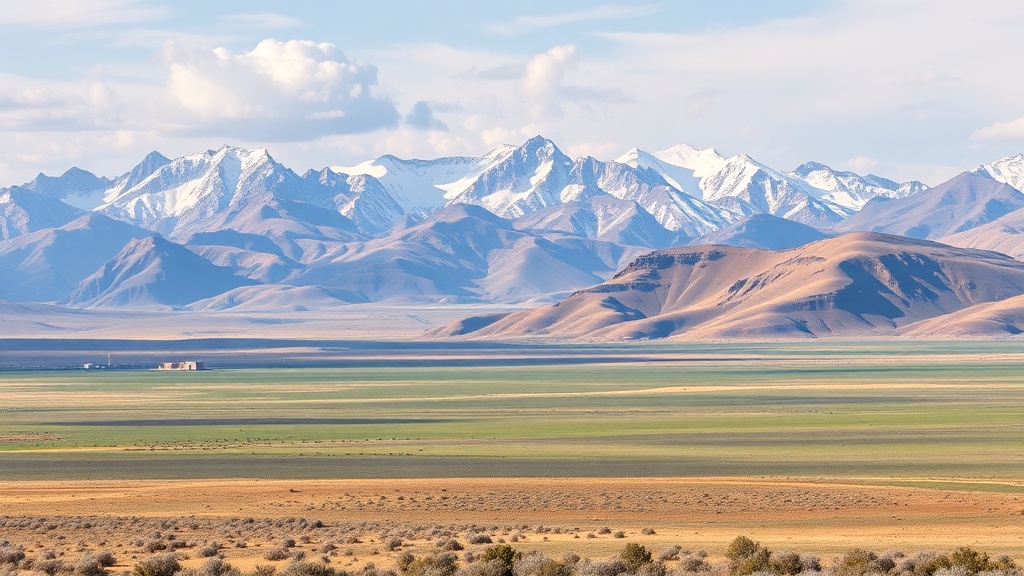 Practical planning tips:
- Set a primary drainage and a backup drainage within a reasonable drive.
- Mark trailheads, Forest Service road access points, and parking areas before you arrive.
- Account for rough Forest Service roads that may be gated or impassable in late fall due to snow or mud.
- Plan for steep terrain and limited cell service in most hunting areas.
Scout efficiently
Scouting western Montana’s timbered terrain requires a different approach than open-country hunting. Focus on learning drainages, identifying game trails, and understanding how elk and deer move through the landscape.
Scouting checklist:
- Use topo maps to identify saddles, benches, north-facing timber, and creek crossings.
- Hike key drainages in pre-season to locate elk sign, wallows, rubs, and trails.
- Glass open meadows and burns at first light and last light for elk activity.
- Save key waypoints in your mapping app for offline reference.
Learn more in Scouting basics.
Plan for weather and safety
Western Montana’s mountain weather can change rapidly. Snow, rain, and dropping temperatures are common throughout the fall hunting season, especially at higher elevations.
Safety basics:
- Share your route and expected return time with someone who is not on the hunt.
- Carry water, food, a headlamp, fire-starting materials, and a basic first aid kit.
- Bear spray is strongly recommended in western Montana for both grizzly and black bear encounters.
- Keep a backup route in case of road closures, fallen trees, or deteriorating conditions.
- Dress in layers and carry rain and wind protection.
Use Weather and safety planning for a detailed checklist.
Choose gear that matches your hunt
Western Montana hunting demands gear built for steep, timbered terrain and unpredictable mountain weather.
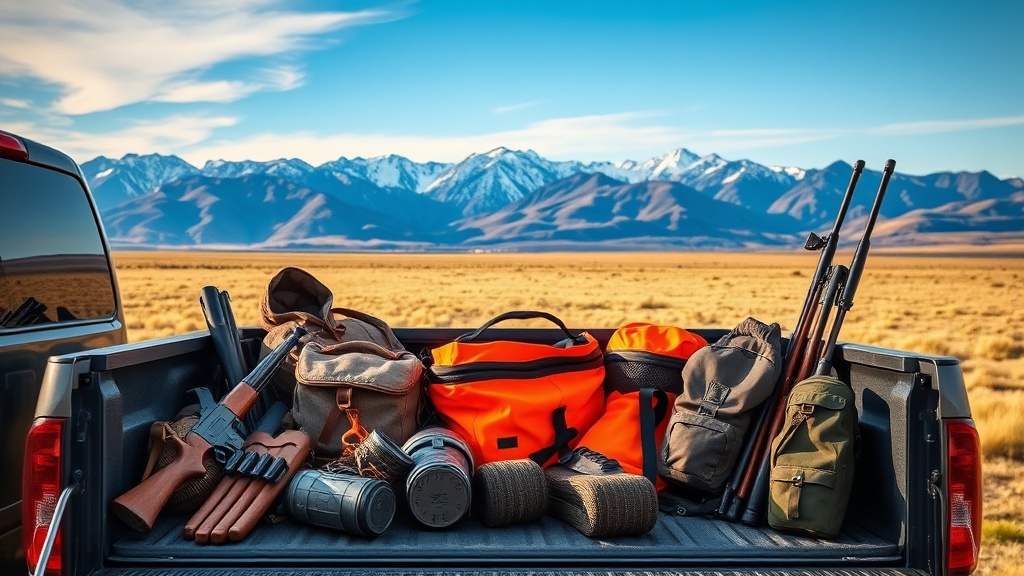 Gear basics:
- Sturdy, supportive boots with ankle support for steep, uneven terrain.
- A quality pack capable of hauling meat from remote locations.
- Layered clothing system including wool or synthetic insulation and waterproof outer layers.
- Navigation tools with offline topo maps.
- Bear spray on your belt or chest harness.
See Gear reviews and Best hunting boots.
Ethics and respect
Good hunting starts with respect for land, people, and wildlife. Follow all rules, pack out all trash, respect gate closures and trail restrictions, and be mindful of other recreationists on shared National Forest lands. Western Montana’s hunting culture values fair chase, self-reliance, and stewardship of wild places.
Final Checklist
- Confirm rules and season dates on the official FWP website.
- Verify all licenses, tags, and stamps, including bear tags if applicable.
- Download offline topo maps and identify trailhead access points.
- Scout key drainages before the season if possible.
- Pack bear spray, emergency supplies, and gear for mountain weather.
- Review safety and access rules before you leave.
Explore Related Topics:
Notice an update we should make?
We strive for accuracy. Contact us here if you see incorrect or outdated info on this page.