Hunting near Great Falls, Montana positions you where the Rocky Mountain Front meets the northern Great Plains, creating one of the most dramatic and game-rich landscapes in the American West. Great Falls sits at the intersection of prairie and mountain habitats, giving hunters access to elk migrating along the Front, pronghorn on the open grasslands, mule deer in the breaks and coulees, upland birds across the agricultural prairies, and waterfowl along the Missouri River corridor. The Helena-Lewis and Clark National Forest and extensive BLM and Block Management lands are all within easy reach.
Start with official rules
Begin with the Montana Fish, Wildlife & Parks (FWP) regulations and season dates. Great Falls is your base for planning, but the hunting district you choose will determine the legal specifics for your hunt.
 Checklist for this step:
- Confirm current season dates and legal methods for your species.
- Verify license, tag, and stamp requirements.
- Review hunting district rules and any special area restrictions.
Use these internal resources as a starting point:
Understand access types near Great Falls
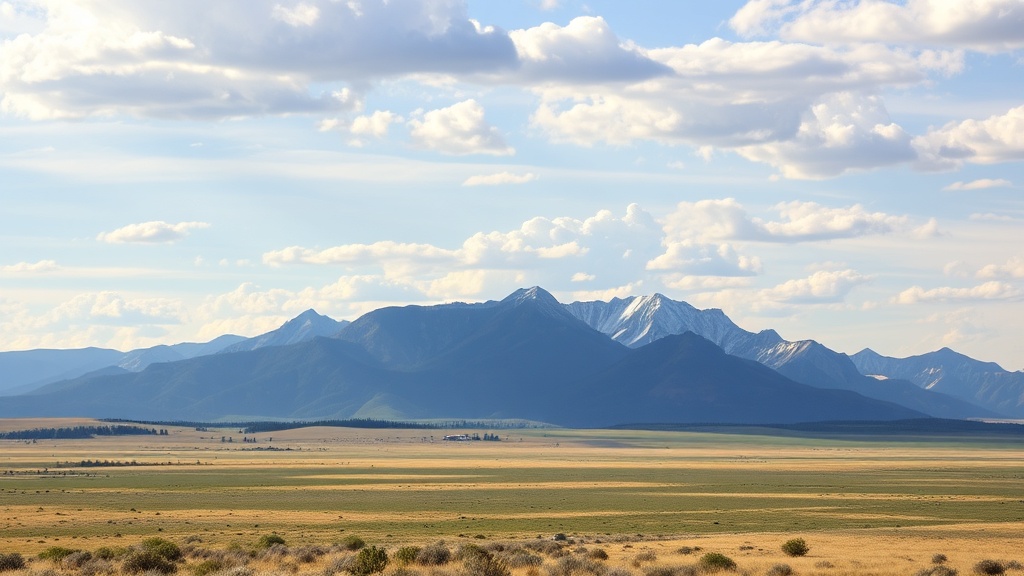
The Great Falls area benefits from a strong mix of public land and Block Management access. The transition zone between the Rockies and the plains means you can hunt mountain terrain and open prairie within the same day.
Common access types near Great Falls:
- Helena-Lewis and Clark National Forest: The Rocky Mountain Division of this National Forest rises immediately west of Great Falls along the Rocky Mountain Front. This dramatic escarpment of limestone reefs and timbered ridges holds elk, mule deer, black bear, and mountain goat. Access points along the Front are well established and maintained by the Forest Service.
- BLM land: Extensive BLM acreage lies east and north of Great Falls across the prairie breaks and river corridors. These lands support mule deer, pronghorn, and upland birds.
- Block Management areas: Central Montana has a high density of Block Management enrollment. The FWP Block Management guide lists numerous areas within an hour of Great Falls that provide free walk-in access to private land for big game, pronghorn, and bird hunting.
- Benton Lake National Wildlife Refuge: Located just north of Great Falls, Benton Lake NWR provides waterfowl hunting opportunities during the fall migration.
- State trust lands: Scattered state sections throughout the region are open to hunting on foot or horseback.
- Private land with permission: Much of the agricultural land surrounding Great Falls is privately owned. Written permission from the landowner is required.
Start with the Montana land access guide and the Public land guide.
Key species near Great Falls
Elk and the Rocky Mountain Front
The Rocky Mountain Front west of Great Falls is one of the most significant elk migration corridors in North America. Each fall, thousands of elk move from high-elevation summer range in the Bob Marshall Wilderness complex down through the Front’s foothills and onto the adjacent prairie. This migration creates exceptional hunting opportunities for both archery and rifle hunters.
The archery elk season opens in early September, when bulls are actively bugling, and the general rifle season runs from late October through late November. Some hunting districts along the Front are managed through limited-entry permits, while others are open under the general elk tag.
Elk hunting along the Front ranges from relatively accessible foothills terrain to demanding backcountry wilderness hunts in the Bob Marshall and Scapegoat Wilderness areas. Non-resident hunters planning wilderness hunts should be aware that Montana law requires a licensed outfitter for non-residents hunting in designated wilderness 1.
Mule Deer
The coulees, breaks, and river bluffs east and north of Great Falls hold solid mule deer populations. Eastern-style spot-and-stalk mule deer hunting in this country involves glassing from high points and working into position along broken terrain. The general deer rifle season runs from late October through late November.
Pronghorn
The open prairies surrounding Great Falls are classic pronghorn territory. Large herds range across the grasslands east and north of the city, and draw success rates in many central Montana pronghorn districts are reasonable. The archery pronghorn season opens as early as August, while the rifle season begins in October. All pronghorn tags require a draw application through FWP.
Upland Birds
The agricultural prairies near Great Falls produce excellent upland bird hunting. Key species include:
- Pheasant: Found in CRP grasslands, shelterbelts, and grain field edges. The pheasant season typically opens in October and runs into January.
- Sharp-tailed Grouse: Abundant in the native grasslands surrounding Great Falls. The grouse season opens in early September and extends into January.
- Hungarian Partridge: Found in agricultural margins and mixed grasslands. The partridge season aligns closely with the pheasant season.
- Sage Grouse: Present in sagebrush habitats to the south and east. Sage grouse regulations may include district-specific closures based on population assessments.
Waterfowl
The Missouri River corridor through Great Falls, along with Benton Lake NWR and surrounding stock ponds and wetlands, provides waterfowl hunting during the fall migration. Ducks and geese use the river and nearby agricultural fields as staging and feeding areas. Duck and goose seasons typically run from October into January.
Build a realistic travel plan
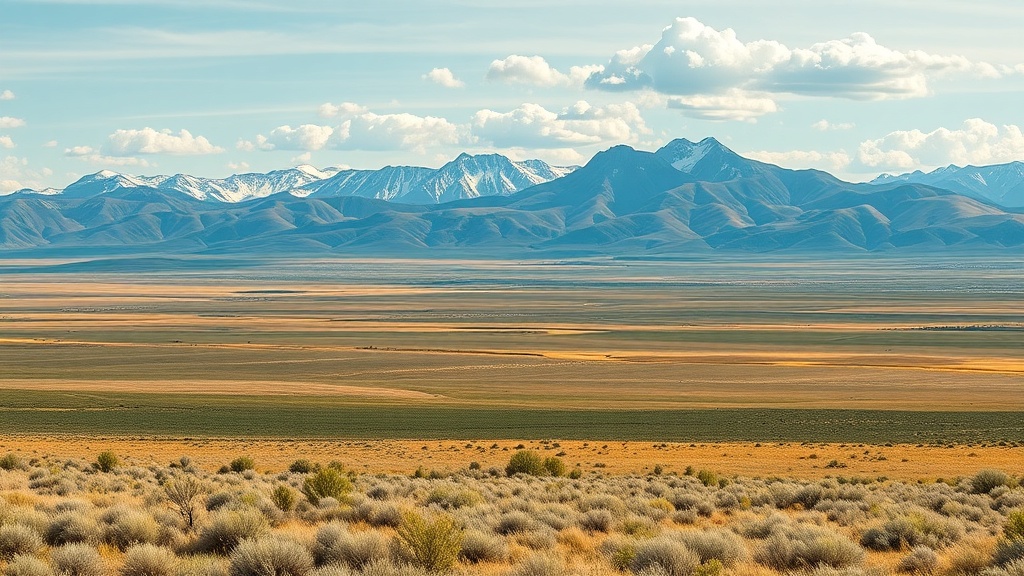
From Great Falls, the Rocky Mountain Front is about 30 to 60 minutes west, while productive prairie hunting is accessible within 15 to 45 minutes in almost every direction. This makes Great Falls an excellent base camp for hunters targeting multiple species.
 Practical planning tips:
- Set a primary area and a backup area for each species you plan to hunt.
- Mark access points, trailheads, and parking areas before you arrive.
- Account for weather-dependent road conditions, especially along the Front where mountain roads can be snow-covered in late fall.
- Plan for dramatic elevation and terrain changes if hunting both the Front and the prairie during the same trip.
Scout efficiently
Scouting near Great Falls varies significantly depending on whether you are focused on mountain elk or prairie game. Adapt your approach to the terrain.
Scouting checklist for prairie hunting:
- Use binoculars and a spotting scope to glass from high points and ridgelines.
- Identify pronghorn herd locations, mule deer bedding coulees, and bird habitat.
- Mark water sources and feeding areas in your mapping app.
Scouting checklist for Front Range elk hunting:
- Use topo maps to identify migration corridors, saddles, and transition zones between timber and open parks.
- Hike access trails in pre-season to assess terrain, game sign, and travel times.
- Glass open parks and burns at dawn and dusk for elk activity.
Learn more in Scouting basics.
Plan for weather and safety
The Great Falls area experiences a wide range of weather conditions. The prairies are exposed to high winds and rapid temperature drops, while the Rocky Mountain Front can receive heavy snow at any point during the fall season.
Safety basics:
- Share your route and expected return time with someone who is not on the hunt.
- Carry water, food, a headlamp, and a basic first aid kit.
- If hunting the Front, carry bear spray. Grizzly bears are present along the Rocky Mountain Front.
- Keep a backup route in case of road closures or deteriorating conditions.
- Dress in layers and carry wind, rain, and snow protection.
Use Weather and safety planning for a detailed checklist.
Choose gear that matches your hunt
Gear for hunting near Great Falls should be versatile enough to handle both open prairie and mountain terrain, depending on your target species.
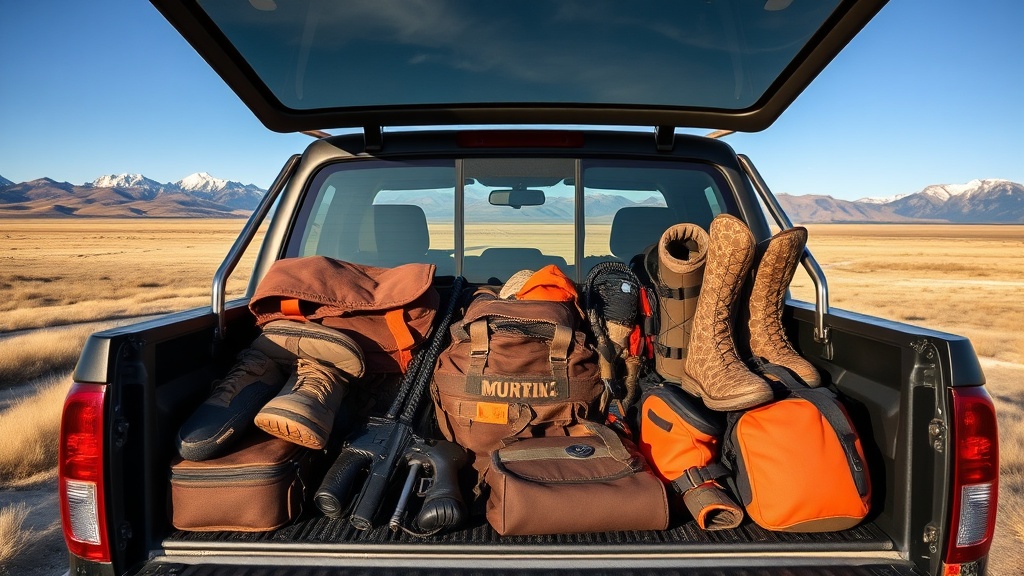 Gear basics:
- Quality optics: binoculars and a spotting scope are essential for both prairie and mountain hunting.
- Boots that handle both prairie walking and mountain trail hiking.
- A layered clothing system with serious wind protection for the prairies and insulation for the mountains.
- A day pack or frame pack depending on whether you are doing day hunts or backcountry trips.
- Bear spray if hunting along the Rocky Mountain Front.
See Gear reviews and Best hunting boots.
Ethics and respect
Good hunting starts with respect for land, people, and wildlife. Follow all regulations, pack out all trash, close gates behind you, and respect Block Management sign-in requirements. The Great Falls area is an agricultural community where relationships with landowners directly affect future hunting access. Practice ethical hunting and be a good neighbor.
Final Checklist
- Confirm rules and season dates on the official FWP website.
- Submit draw applications for pronghorn, elk limited-entry, and any other permits before deadlines.
- Download Block Management guides and offline maps for both prairie and mountain areas.
- Scout access points for your primary and backup hunting areas.
- Pack essentials including bear spray if hunting the Front, verify all licenses and tags, and review safety protocols before you leave.
Montana Fish, Wildlife & Parks. (n.d.). Hunting. Retrieved from https://fwp.mt.gov/hunt ↩︎
Explore Related Topics:
Notice an update we should make?
We strive for accuracy. Contact us here if you see incorrect or outdated info on this page.