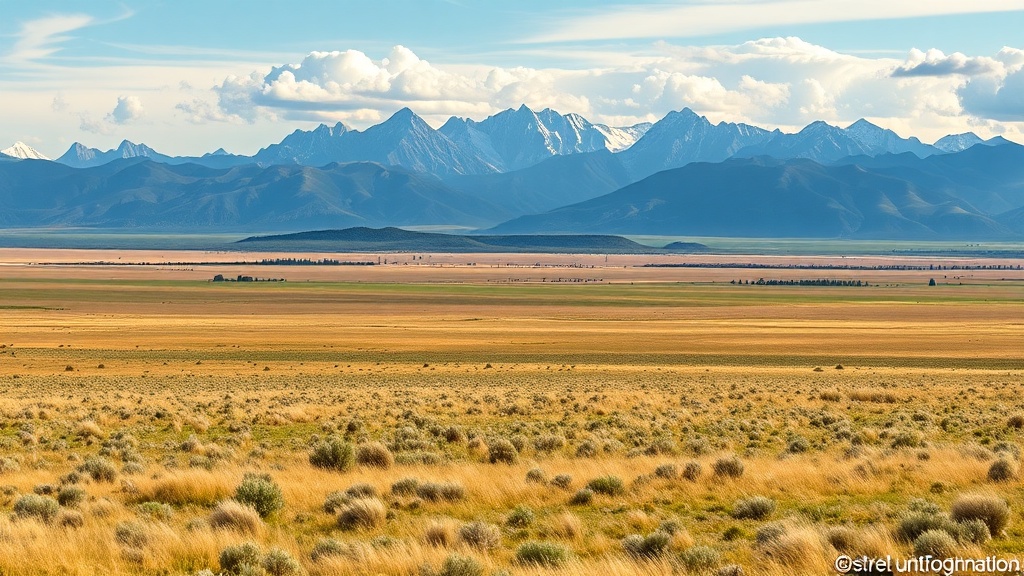
Hunting near Billings, Montana puts you at the gateway to some of the most productive eastern Montana prairie and breaks country in the state. The landscape surrounding Billings is dominated by rolling grasslands, agricultural fields, river-bottom cottonwoods, and the rugged sandstone formations of the Yellowstone River corridor. This is prime territory for mule deer, pronghorn, pheasant, and sharp-tailed grouse, with access to the Custer Gallatin National Forest and extensive BLM and Block Management lands within reasonable driving distance.
Start with official rules
Begin with the Montana Fish, Wildlife & Parks (FWP) regulations and season dates. Your location in Billings is a starting point for logistics, but the hunting district you choose will determine the legal details for your hunt.
 Checklist for this step:
- Confirm current season dates and legal methods for your species.
- Verify license, tag, and stamp requirements.
- Review hunting district rules and any special area restrictions.
Use these internal resources as a starting point:
Understand access types near Billings
Eastern Montana offers a mix of public and enrolled private land that provides excellent hunting access. Build a plan that includes more than one area so you are not relying on a single option.
Common access types near Billings:
- BLM land: Significant BLM acreage lies south and east of Billings, particularly in the breaks country along the Yellowstone and Musselshell rivers. These public parcels hold mule deer, pronghorn, and upland birds.
- Custer Gallatin National Forest: The Beartooth District of the Custer Gallatin National Forest is accessible from Billings by driving south toward Red Lodge. This country holds elk, mule deer, and black bear in timbered mountain terrain.
- Block Management areas: Eastern Montana has a high concentration of Block Management enrollment. FWP’s Block Management guide lists dozens of areas within an hour or two of Billings, offering free access to private land for hunting mule deer, pronghorn, upland birds, and waterfowl.
- State trust lands: Scattered sections of state trust land are open to hunting on foot or horseback.
- Private land with permission: Much of the agricultural land surrounding Billings is privately owned. Seek written permission from landowners for access.
Start with the Montana land access guide and the Public land guide.
Key species near Billings
Mule Deer
The breaks, coulees, and river bottoms surrounding Billings hold solid mule deer populations. Eastern Montana mule deer hunting typically involves glassing vast landscapes and making spot-and-stalk approaches. The general deer season opens in late October and runs through late November.
Pronghorn
The open prairies east and north of Billings are classic pronghorn country. Pronghorn tags require a draw application through FWP. Archery pronghorn season opens as early as August, while the rifle season starts in October.
Pheasant and Upland Birds
Eastern Montana pheasant hunting is centered in the grain-producing river valleys and CRP grasslands near Billings. The pheasant season typically opens in October and runs into January. Sharp-tailed grouse and Hungarian partridge are also abundant in the grasslands surrounding the city. Grouse and partridge seasons open in early September.
Waterfowl
The Yellowstone River corridor and nearby stock ponds, reservoirs, and wetlands provide waterfowl hunting opportunities during the fall migration. Duck and goose seasons typically run from October into January.
Build a realistic travel plan
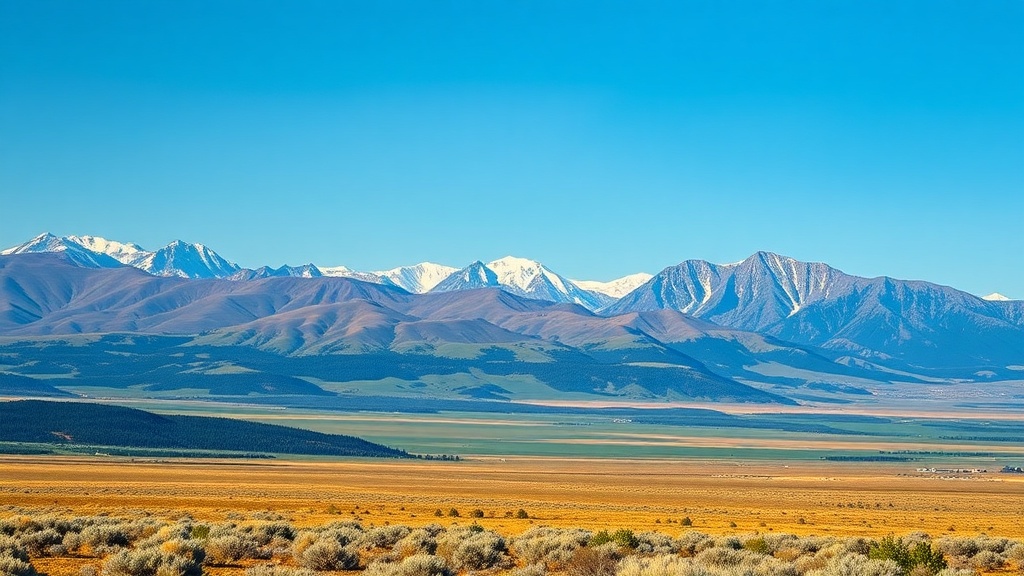
From Billings, most hunting areas are within a 30-minute to two-hour drive. The terrain is generally accessible by truck or SUV, though some BLM and Block Management access points require navigating gravel ranch roads.
 Practical planning tips:
- Set a primary hunting district and a backup area within a reasonable drive.
- Mark access points and parking areas before you arrive.
- Account for variable road conditions on rural roads, especially after rain or snow.
- Plan for wide-open terrain with limited tree cover and potentially high winds.
Scout efficiently
Scouting eastern Montana is primarily a glassing exercise. Binoculars and a spotting scope are essential tools.
Scouting checklist:
- Use maps to locate water sources, agricultural fields, coulees, and bedding ridges.
- Glass from high points to cover large areas efficiently.
- Note vehicle pressure and other hunters, especially on Block Management areas.
- Save key waypoints in your mapping app for offline reference.
Learn more in Scouting basics.
Plan for weather and safety
Eastern Montana weather can be extreme, with rapid temperature swings, high winds, and early-season snowstorms. Build a simple safety plan for every outing.
Safety basics:
- Share your route and expected return time with someone who is not on the hunt.
- Carry water, food, a light source, and a basic first aid kit.
- Keep a backup route in case of road closures or deteriorating conditions.
- Dress in layers and carry wind and rain protection.
Use Weather and safety planning for a detailed checklist.
Choose gear that matches your hunt
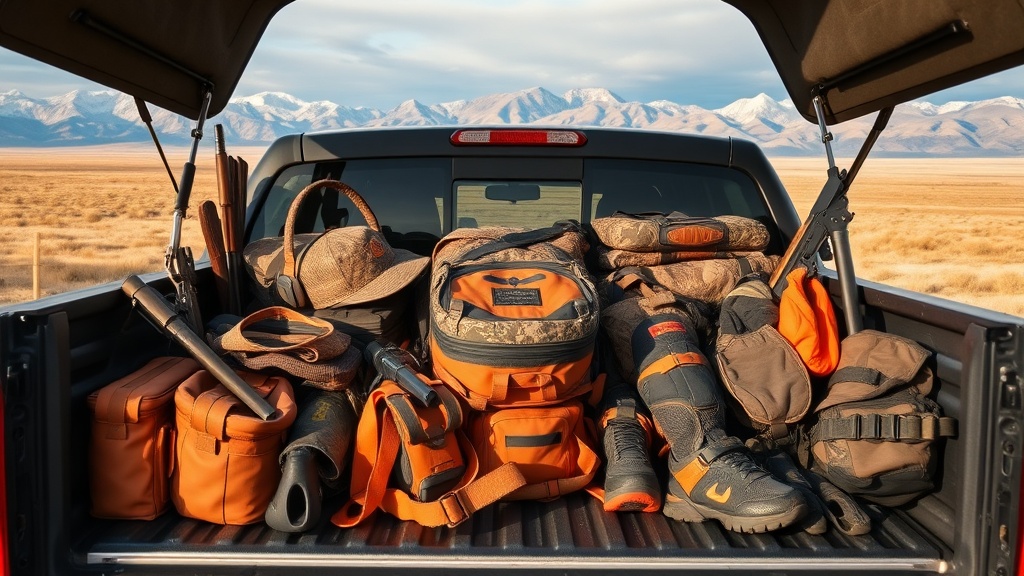
Eastern Montana hunting demands gear suited to open terrain, variable weather, and potentially long-range shooting.
 Gear basics:
- Quality binoculars and a spotting scope for glassing.
- Reliable boots suited to prairie terrain and potentially muddy conditions.
- Layered clothing system with wind protection.
- A day pack that carries essentials without excess weight.
- Navigation tools with offline maps.
See Gear reviews and Best hunting boots.
Ethics and respect
Good hunting starts with respect for land, people, and wildlife. Follow all rules, pack out all trash, close gates behind you, and respect Block Management sign-in requirements. Eastern Montana communities depend on agriculture, and maintaining good relationships with landowners is essential for continued hunting access.
Final Checklist
- Confirm rules and season dates on the official FWP website.
- Submit draw applications for pronghorn and any limited permits before deadlines.
- Download Block Management guides and offline maps.
- Scout access points and parking areas in advance.
- Pack essentials, verify all licenses and tags, and review safety protocols before you leave.
Explore Related Topics:
Notice an update we should make?
We strive for accuracy. Contact us here if you see incorrect or outdated info on this page.