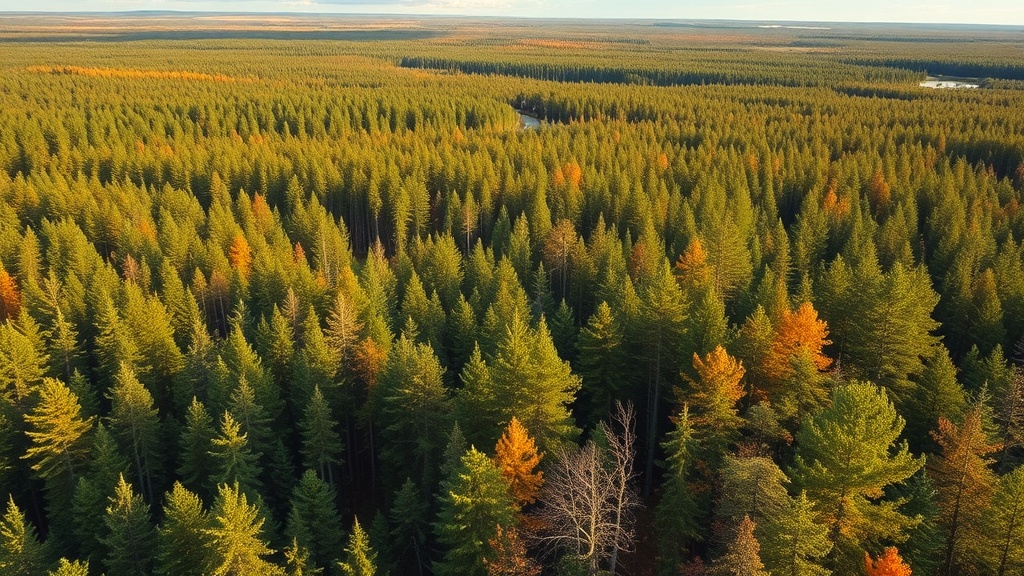
Duluth sits at the doorstep of some of the best hunting in Minnesota. The city borders the Superior National Forest, and within a short drive hunters can access millions of acres of public land holding whitetail deer, black bear, ruffed grouse, waterfowl, and wild turkey. Northeastern Minnesota is widely considered the grouse capital of the state, and the surrounding boreal and mixed forests provide outstanding habitat for multiple species1.
Start with official rules
Begin with the Minnesota DNR regulations and season dates. The deer permit area (DPA) and zone you hunt in determine the legal details for your area.
 Checklist for this step:
- Confirm current season dates and legal methods for your species.
- Verify license, tag, and stamp requirements.
- Review DPA or zone-specific rules, including any antler point restrictions.
Use these resources as a starting point:
Key public lands near Duluth
Duluth is surrounded by an extraordinary concentration of public hunting land.
Superior National Forest: The Superior National Forest covers approximately 3.9 million acres across northeastern Minnesota, beginning just minutes from Duluth. This is the single largest block of public hunting land in the state. Hunters here pursue whitetail deer, black bear, ruffed grouse, spruce grouse, snowshoe hare, and timber wolves (not currently huntable). The forest includes the Boundary Waters Canoe Area Wilderness, which is open to hunting but requires portaging in without motorized access. Roads and trails throughout the non-wilderness portions of the forest provide extensive drive-to access for day hunts.
State Forests: Several state forests lie within a short drive of Duluth, including the Cloquet Valley State Forest, Nemadji State Forest, and Finland State Forest. These provide additional public access for deer, bear, and grouse beyond the national forest boundaries.
WMAs and County Lands: Numerous WMAs dot the region around Duluth, managed by the DNR for wildlife habitat and hunting access. St. Louis County and Lake County also manage significant tax-forfeited lands open to public hunting.
Ruffed grouse hunting
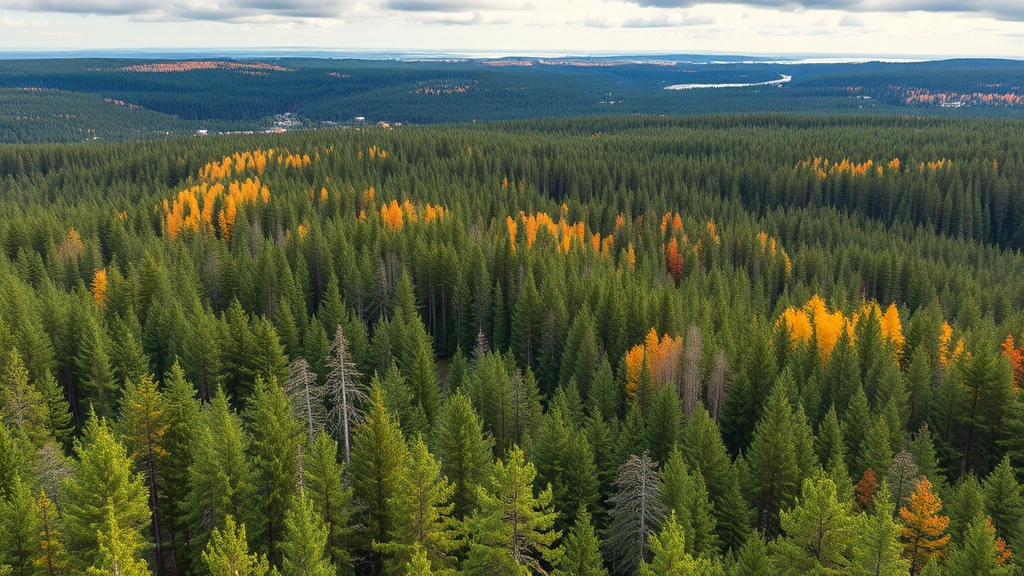
Northeastern Minnesota is the premier ruffed grouse hunting destination in the state and arguably in the entire country. The dense young aspen forests created by logging rotations provide ideal grouse habitat. The DNR maintains designated Ruffed Grouse Management Areas with marked trails and managed habitat throughout the region. The season opens in mid-September and runs through late January, with a daily bag limit of five birds and a possession limit of ten. Early October through mid-November is typically the peak period for grouse hunting in the Duluth area. Walking old logging roads and forest edges is the standard approach.
Black bear hunting
The Duluth area falls within some of Minnesota’s most productive black bear management zones. Bear permits are allocated through a preference point lottery, and some northeastern zones require multiple years of points to draw. Baiting is legal and is the most common hunting method. The season runs from early September through mid-October. Hunters who draw a tag should begin placing bait stations well before the opener. Guided bear hunts are available through local outfitters who provide bait setups, stand placement, and local expertise.
Whitetail deer hunting
Whitetail deer densities in the heavily forested areas around Duluth tend to be lower than in the farmland regions of southern Minnesota, but the deer that live here often have access to good nutrition from forest clearings, logging operations, and agricultural edges. The firearms deer season in November is the most popular, but archery season offers a quieter experience starting in mid-September. The muzzleloader season in late November and December provides additional opportunity. DPAs in northeastern Minnesota may have specific regulations regarding antlerless permits and buck harvest restrictions.
Lake Superior north shore area
The north shore of Lake Superior from Duluth to Grand Marais and beyond provides a unique hunting landscape. The terrain transitions from Lake Superior’s shoreline to rugged boreal forest within a few miles. Deer, bear, grouse, and moose all inhabit this corridor. Access is excellent through the Superior National Forest and state forest lands that border Highway 61. Hunters should be aware that moose are present but are only huntable through an extremely limited once-in-a-lifetime lottery. Always positively identify your target in areas where moose and deer overlap.
Build a realistic travel plan
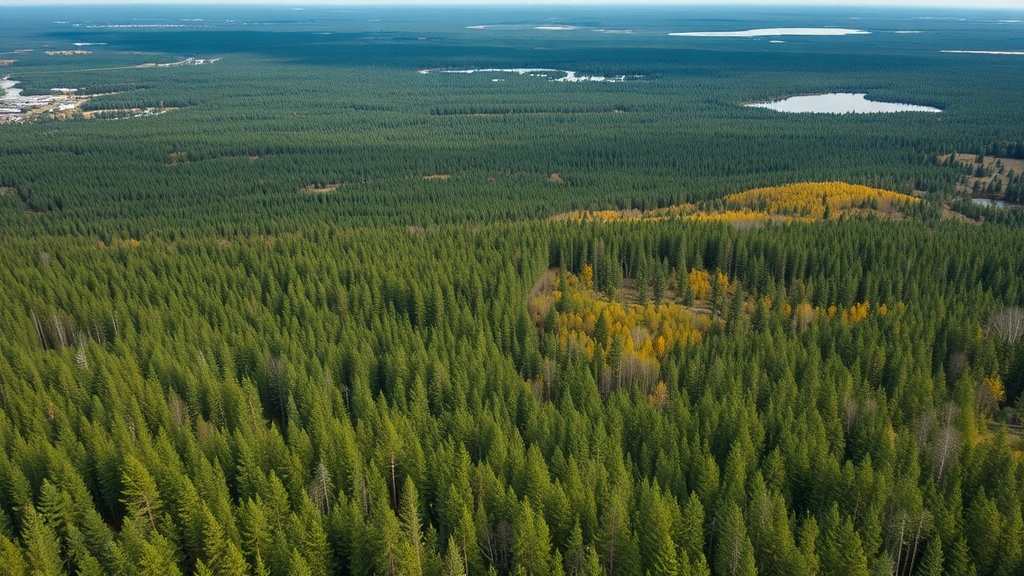
From Duluth, quality hunting land begins almost immediately outside the city limits. Many productive areas are within a 15- to 60-minute drive.
- Use the DNR Recreation Compass and Superior National Forest maps to identify access points.
- Northern and eastern roads can be remote. Carry supplies, fuel, and a plan for limited cell service.
- For multi-day trips deeper into the forest, plan lodging at area resorts, campgrounds, or Forest Service campsites.
Final checklist
- Confirm rules on the Minnesota DNR website.
- Save maps for offline use, as cell service is limited in much of the Superior National Forest.
- Pack essentials and verify all licenses, stamps, and tags.
- Review blaze orange requirements and safety rules before you leave.
- Prepare for cold and variable weather, especially during late-season hunts along the north shore.
Minnesota Department of Natural Resources. Hunting. https://www.dnr.state.mn.us/hunting/index.html ↩︎
Explore Related Topics:
Notice an update we should make?
We strive for accuracy. Contact us here if you see incorrect or outdated info on this page.