Hunting near Coeur d’Alene, Idaho places you in the heart of the Idaho panhandle, one of the finest whitetail deer regions in the western United States. The Idaho Panhandle National Forests surround the city with roughly 2.5 million acres of dense cedar-hemlock timber, mountain lakes, and rugged drainages that support exceptional whitetail populations along with black bear, mountain grouse, moose, elk, and mountain lion. The Idaho Department of Fish and Game (IDFG) manages all hunting in the state. Always confirm legal requirements and season details on the official IDFG website before every hunt.1
Start with official rules
Begin with the IDFG regulations and season dates. Coeur d’Alene is your starting point for logistics, but the zone and Game Management Unit (GMU) you hunt in will decide the legal details.
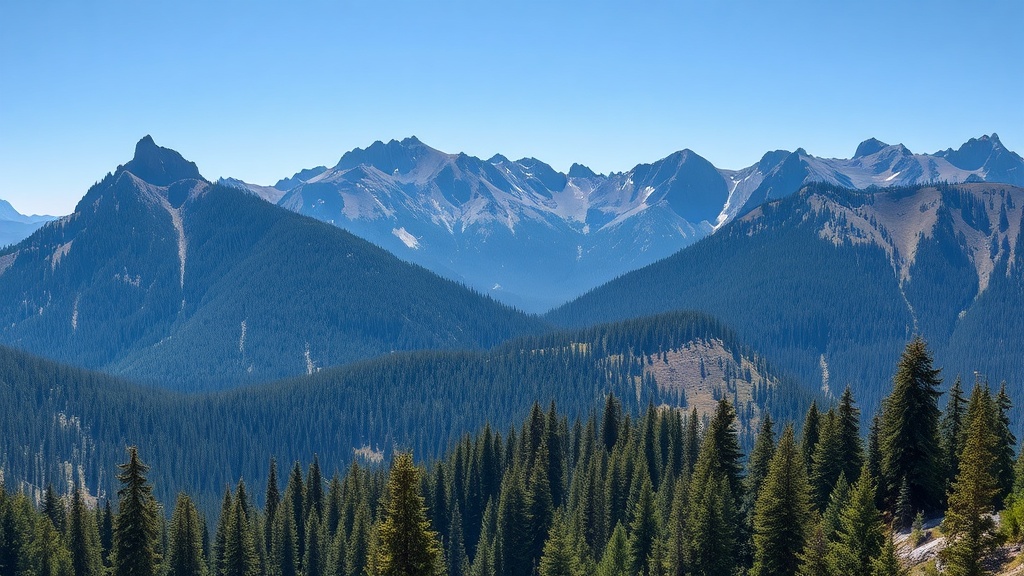 Checklist for this step:
- Confirm current season dates and legal methods for your species.
- Verify license, tag, and stamp requirements.
- Review zone and unit rules and any special area restrictions.
- Check controlled hunt draw odds if applying for moose or premium elk units.
Use these internal resources as a starting point:
Understand access types near Coeur d’Alene
The Coeur d’Alene area is dominated by public National Forest land, giving hunters outstanding access to quality habitat. Build a plan that includes more than one area so you are not relying on a single drainage.
Idaho Panhandle National Forests
The Idaho Panhandle National Forests (which include the Coeur d’Alene, St. Joe, and Kaniksu National Forests) cover approximately 2.5 million acres in the northernmost part of the state. This is thick, heavily timbered country with a mix of old-growth cedar, hemlock, Douglas fir, and regenerating clear-cuts. The panhandle is known for:
- Whitetail deer: The panhandle produces some of the best whitetail deer hunting in the West. Mature bucks use the dense timber and clear-cut edges, and general whitetail tags are available over the counter. The general season typically runs from early October through late November, and rifle season coincides with the pre-rut and rut, which concentrates deer movement.
- Black bear: Black bear densities in the panhandle are among the highest in Idaho. Both spring and fall bear seasons are available. Hound hunting for bears is legal during designated seasons and is a popular and effective method in this thick cover. General bear tags are available OTC.
- Mountain grouse: Ruffed grouse and dusky (blue) grouse thrive in the panhandle timber. Forest grouse seasons are long, typically running from early September through December. Ruffed grouse hunting along old logging roads and regenerating cuts is a panhandle tradition and an excellent way to introduce new hunters to the sport.
- Elk: While the panhandle is not Idaho’s top elk region, some units hold huntable elk populations, especially in the southern panhandle near the St. Joe River and upper Coeur d’Alene River drainages.
- Moose: Moose inhabit the panhandle’s willow bottoms and riparian areas. Moose tags are controlled-hunt-only and extremely limited.
- Mountain lion: Lions are present throughout the panhandle. Hound hunting is the primary method and is legal during the open season.
State and Federal Lands
Beyond the National Forests, hunters near Coeur d’Alene can access:
- Coeur d’Alene River WMA and other state Wildlife Management Areas managed by IDFG for waterfowl, upland birds, and deer.
- State endowment lands scattered through the panhandle, primarily managed for timber but open to hunting.
- BLM parcels in the area, though BLM land is less prevalent in northern Idaho than in the southern part of the state.
Private Timber Lands
Large timber companies own significant acreage in the panhandle. Some timber company lands are open to public access for hunting, often through cooperative agreements or the Access Yes! program. Others are gated and require permission. Check with IDFG and local timber company offices for current access status. Private timber land can be outstanding for whitetail deer and bear hunting due to the mosaic of clear-cuts and mature forest.
Common access types near Coeur d’Alene:
- Idaho Panhandle National Forests for whitetail deer, bear, grouse, and elk.
- State Wildlife Management Areas for waterfowl and upland birds.
- State endowment lands for deer and small game.
- Private timber company lands where access is permitted.
- Private agricultural land with written permission.
Start with the Land access hub and the Idaho land access guide.
Build a realistic travel plan
From Coeur d’Alene, productive hunting ground begins within 15 to 30 minutes in almost any direction. The National Forest surrounds the city, and many hunters drive forest roads directly into their hunting areas. Longer drives of 1 to 2 hours access more remote drainages along the St. Joe River, upper North Fork Coeur d’Alene River, and Priest Lake areas.
Practical planning tips:
- Set a primary drainage and a backup drainage within a reasonable drive.
- Mark access points and parking before you arrive.
- Account for slow travel on forest roads, especially after fall rain or early snow. Many panhandle forest roads become muddy and rutted in October and November.
- Carry tire chains and recovery gear if hunting later in the season.
- Cell service is limited or nonexistent in many panhandle drainages.
Scout efficiently
Scouting in the panhandle is about understanding the timber, the edges, and the food sources. Whitetail deer in thick cover are not always easy to spot from a distance, so ground-level scouting matters.
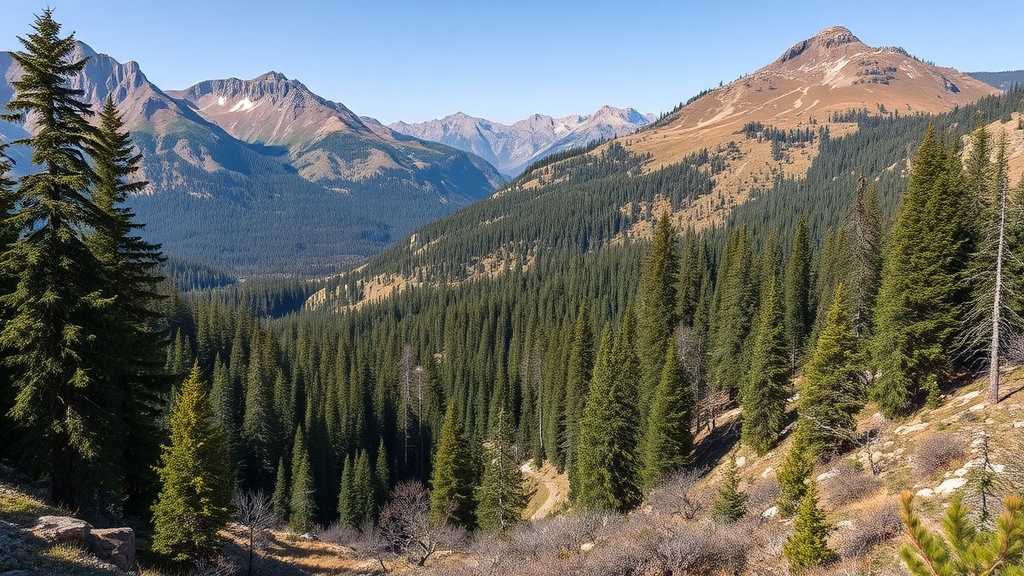 Scouting checklist:
- Use satellite imagery and topo maps to identify clear-cut edges, saddles, benches, and creek crossings.
- Walk logging roads and look for deer trails, rubs, and scrapes during pre-season.
- For bears, look for scat, torn-up stumps, and berry patches along logging roads and clear-cut edges.
- For grouse, walk old roads and listen for drumming in spring or flushing birds in early fall.
- Note logging activity, road conditions, and gate status.
- Save key waypoints in your mapping app.
Learn more in Scouting basics.
Plan for weather and safety
The panhandle receives significant rainfall and early snowfall. October and November hunts frequently involve rain, fog, and temperatures near or below freezing. Snow can accumulate rapidly at higher elevations, and forest roads can become impassable.
Safety basics:
- Share your route and expected return time with someone who is not on the hunt.
- Carry water, calories, a headlamp, and a basic first aid kit on every trip.
- Wear waterproof layers and pack extra dry socks.
- Keep a backup route in case of road closures or fallen timber.
- Be aware of logging truck traffic on active forest roads.
- Visibility in thick timber can be limited. Wear fluorescent orange during rifle season even though it is not legally required.
Use Weather and safety planning for a simple checklist.
Choose gear that matches your hunt
Panhandle hunting demands gear suited for thick timber, wet weather, and short sight distances. Do not overpack, but do not skip essentials.
Gear basics:
- Waterproof boots with aggressive tread for steep, muddy terrain.
- Rain gear and moisture-wicking base layers.
- A compact, quick-handling rifle suited for timber shots. Many panhandle whitetail shots are under 100 yards.
- Quality binoculars even in thick cover. Glassing edges and openings is how you spot deer and bears.
- A day pack that fits your body and carries enough water and gear for all-day hunts.
- Navigation tools and offline maps. GPS is essential in the maze of logging roads.
- Bright blaze orange clothing for safety.
See Gear reviews and Best hunting boots.
Ethics and respect
Good hunting starts with respect for land, people, and wildlife. Follow all rules, pack out trash, and respect gates and signage. The panhandle has a strong community of local hunters. Be courteous at trailheads and on forest roads. If you encounter a locked gate on timber company land, do not go around it. Use your mapping app to verify property boundaries.
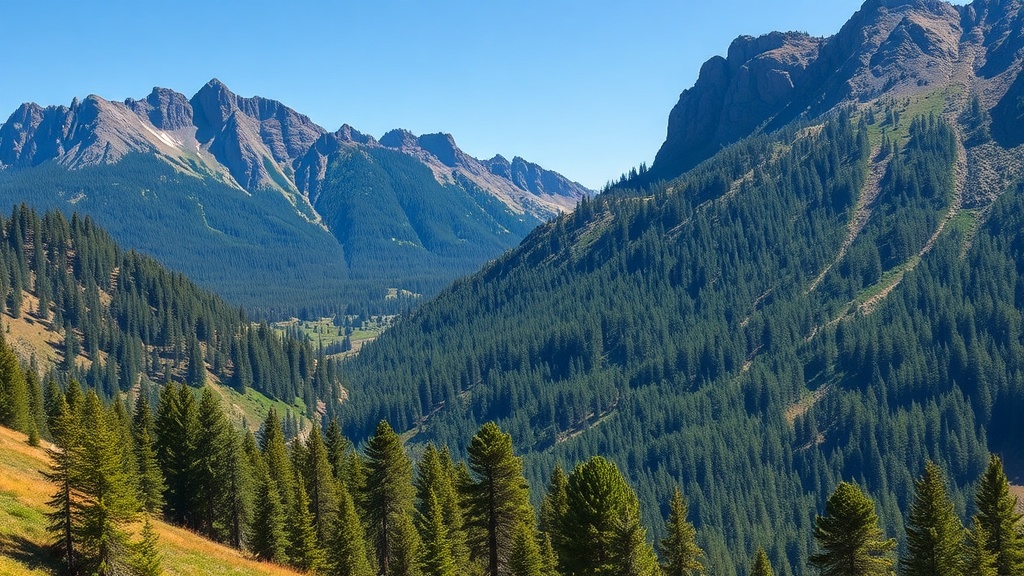
Local planning checklist
Use this list for any hunt near Coeur d’Alene:
- Pick a species and season window.
- Confirm license and tag requirements.
- Select a primary drainage or unit and a backup option.
- Scout access points, road conditions, and gate status.
- Build a packing list appropriate for wet, cold panhandle weather.
Helpful next steps:
Final checklist
- Confirm rules on the official IDFG website at idfg.idaho.gov/hunt.
- Purchase all required licenses, tags, and stamps.
- Save maps for offline use, including forest road maps.
- Pack rain gear, extra dry layers, and tire chains.
- Verify tags and carry them in a waterproof container.
- Review safety and access rules before you leave.
Idaho Department of Fish and Game. (n.d.). Hunting. Retrieved from https://idfg.idaho.gov/hunt ↩︎
Explore Related Topics:
Notice an update we should make?
We strive for accuracy. Contact us here if you see incorrect or outdated info on this page.