Hunting near Savannah, Georgia puts you at the crossroads of coastal marshes, Lowcountry hardwood swamps, and Coastal Plain pine forests. The area offers some of the state’s best waterfowl hunting along with strong populations of whitetail deer and feral hogs. Always confirm legal requirements and season details on the official GADNR website.
Start with official rules
Begin with the state agency regulations and season dates. The county, WMA, or National Wildlife Refuge you hunt in will determine the specific legal details.
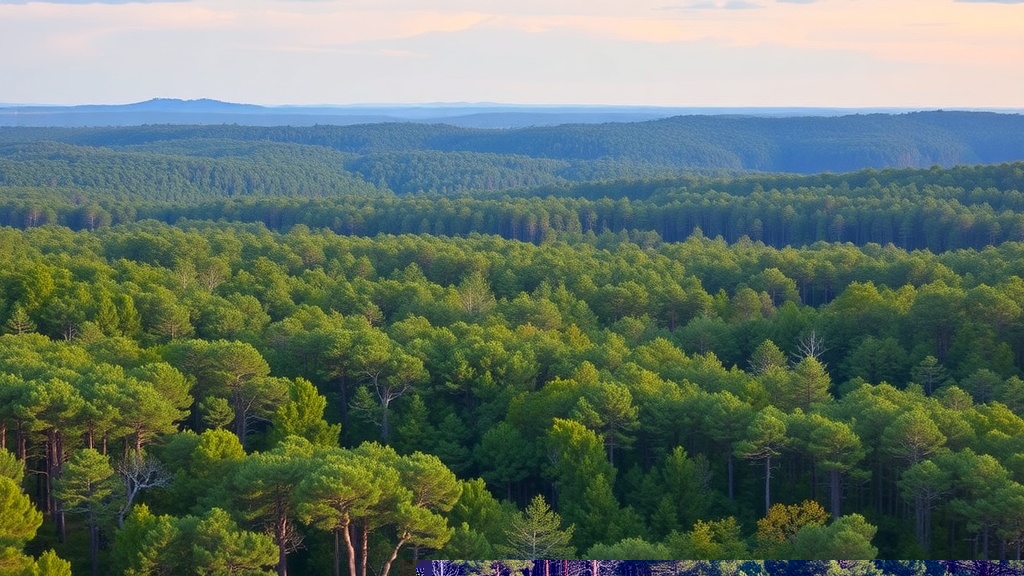 Checklist for this step:
- Confirm current season dates and legal methods for your species.
- Verify license, Big Game License, WMA stamp, and waterfowl license requirements.
- Review county-specific either-sex days and any refuge-specific regulations.
Use these internal resources as a starting point:
Nearby public hunting areas
The Savannah area has several quality public hunting options within a short drive:
- Savannah National Wildlife Refuge — Straddles the Georgia-South Carolina border just north of Savannah. Offers managed deer and feral hog hunts on over 29,000 acres of freshwater marsh, hardwood hammocks, and managed impoundments. Refuge-specific permits and regulations apply. Excellent waterfowl habitat.
- Altamaha WMA — Located about 90 minutes southwest of Savannah along the Altamaha River. This large WMA provides deer, turkey, hog, and waterfowl hunting in a river swamp and pine flatwoods setting.
- Tuckahoe WMA — Located in Screven County, about an hour northwest of Savannah. Offers deer, turkey, and small game hunting on managed pine and hardwood habitat.
- Dixon Memorial WMA — Located in Ware County, about two hours southwest. Provides deer and small game hunting in the Okefenokee Swamp fringe area.
- Fort Stewart Military Reservation — While not open to the general public, Fort Stewart near Hinesville (about 45 minutes southwest) offers hunting access to active-duty military, retirees, and Department of Defense civilians through the installation’s iSportsman program. The reservation covers over 280,000 acres.
Coastal hunting opportunities
The Georgia coast provides hunting experiences not found inland:
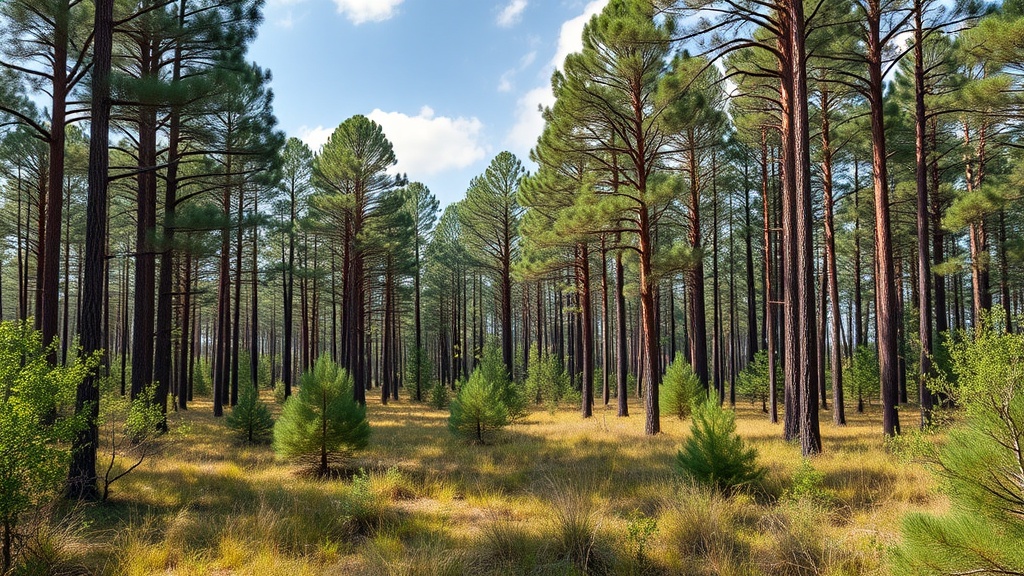
- Waterfowl: Coastal marshes along the Savannah, Ogeechee, and Altamaha Rivers are prime habitat for ducks and geese. Teal, wood ducks, ring-necked ducks, and other dabbling and diving species use the tidal marshes and managed impoundments. The early teal season in September and the regular duck season from November through January draw waterfowl hunters from across the Southeast.
- Whitetail deer: Coastal Plain deer tend to be smaller-bodied than their Piedmont and mountain counterparts but are abundant. Thick cover in the river swamps and pine plantations provides excellent habitat.
- Feral hogs: Hog populations are dense in the coastal lowlands. Private land offers year-round hunting with no bag limit. WMAs and NWRs allow hog harvest during other open seasons.
- Alligator: The coastal counties are within Georgia’s alligator hunting zones. Lottery permits are required, and the season runs from mid-August through mid-October.
Build a realistic travel plan
From Savannah, most public hunting areas are within a 30-minute to two-hour drive. Coastal areas can involve boat access for some waterfowl hunting spots.
Practical planning tips:
- Determine whether your hunting area requires boat access and plan accordingly.
- Tidal schedules affect access and waterfowl movement in coastal areas. Check tides before marsh hunts.
- Mark access points and boat ramps before you arrive.
- Coastal roads and dirt access roads can flood during high tides or heavy rain.
Weather and gear considerations
Savannah has mild winters compared to north Georgia, but coastal humidity and wind add a different challenge.
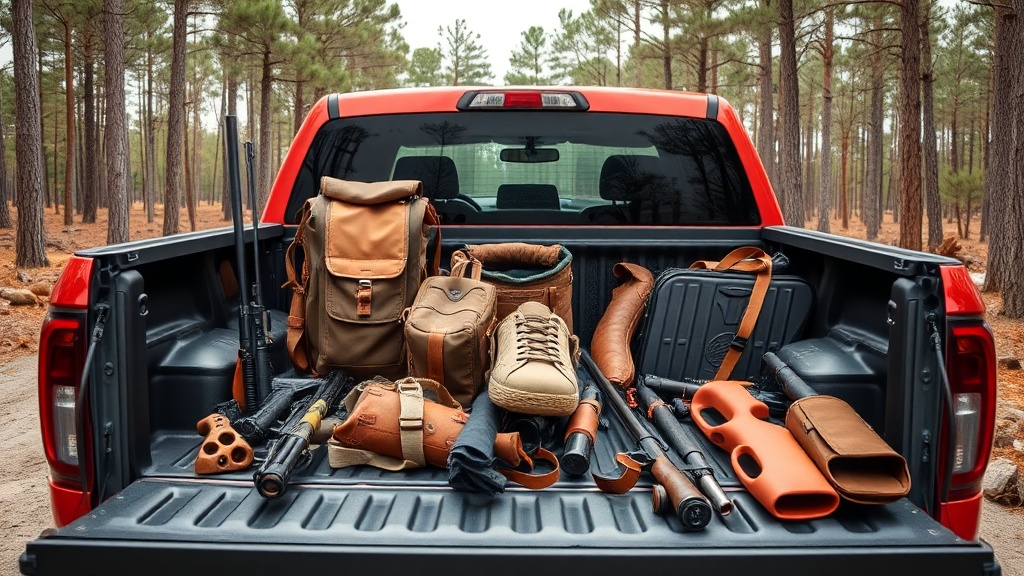
- Early season: Hot and humid. Lightweight clothing and insect protection are critical through October.
- Mid-season: Mild temperatures with highs in the 50s to 60s. Layers are important for morning sits.
- Late season: Occasional cold fronts push temperatures into the 30s, which also drives waterfowl migration.
- Waterproof boots or waders are essential for marsh and swamp hunting. Neoprene waders are standard for coastal waterfowl hunts.
Final checklist
- Confirm rules on the official GADNR website and check NWR-specific regulations.
- Save WMA maps, refuge maps, and tide charts for offline use.
- Pack essentials and verify license, stamps, and waterfowl permits.
- Check either-sex day schedule for your target county.
- Review safety and access rules before you leave.
Explore Related Topics:
Notice an update we should make?
We strive for accuracy. Contact us here if you see incorrect or outdated info on this page.