Hunting near Little Rock, Arkansas puts you in a central position with access to a wide range of hunting opportunities. The Ouachita mountain foothills begin just west of the city, providing excellent whitetail deer and turkey habitat. The Delta and its legendary waterfowl hunting are to the east. Multiple wildlife management areas and national forest land are within a one to two-hour drive. This guide covers practical steps for planning hunts from the Little Rock metro area.
Start with official rules
Begin with the Arkansas Game and Fish Commission (AGFC) regulations and season dates. Little Rock is your base, but the zone and WMA you hunt in will determine the specific rules.
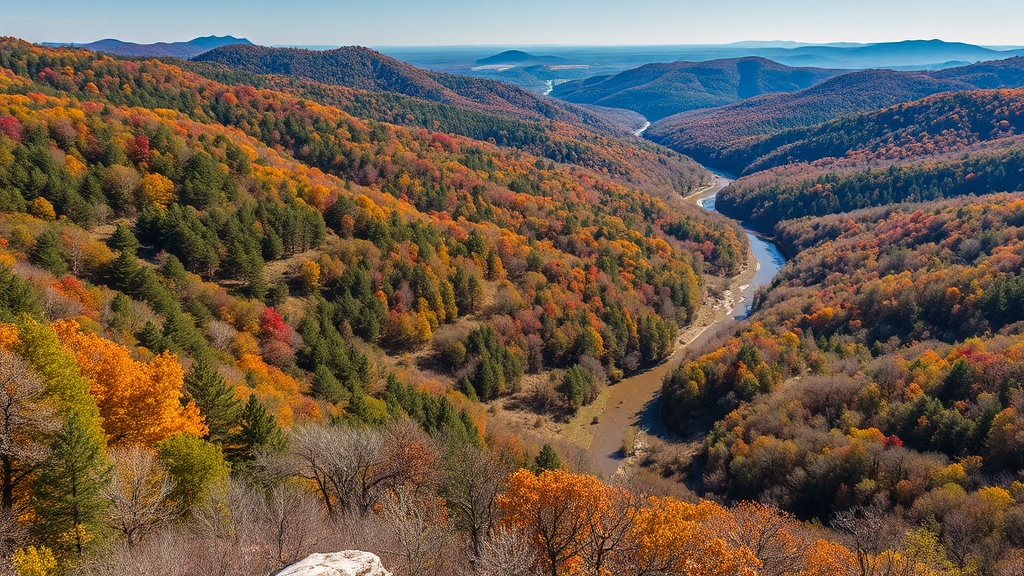 Checklist for this step:
- Confirm current season dates and legal methods for your species.
- Verify license, WMA permit, stamp, and tag requirements.
- Review zone rules, antler restrictions, and any special area regulations.
Use these internal resources as a starting point:
Understand access types near Little Rock
Central Arkansas hunters benefit from proximity to diverse habitats and a strong network of public land. Build a plan with multiple areas so you are not relying on a single property.
Camp Robinson Wildlife Management Area
Camp Robinson WMA, located just north of Little Rock near Conway, is one of the most accessible public hunting areas for Little Rock-based hunters. Managed jointly by the AGFC and the Arkansas National Guard, Camp Robinson covers thousands of acres of mixed pine and hardwood forest. Primary game includes whitetail deer, turkey, squirrel, and feral hogs. Some hunts on Camp Robinson are quota-based and require a draw.
Ouachita National Forest Foothills
The eastern edge of the massive Ouachita National Forest is within 60 to 90 minutes west of Little Rock. The Ouachita NF provides 1.8 million acres of public hunting land for deer, turkey, black bear, squirrel, and hogs. As bear populations in the Ouachitas continue to expand, hunting opportunities in the foothills closer to Little Rock are improving. The forest road system provides good access, though some areas are remote.
Additional WMAs
Several other WMAs are within easy driving distance of Little Rock:
- Ed Gordon Point Remove WMA (northwest of Conway): Bottomland hardwoods along the Arkansas River, good for deer and turkey.
- Henry Gray/Hurricane Lake WMA (east near Bald Knob): Managed for waterfowl, with flooded timber and wetlands.
- Trusten Holder WMA (south near Pine Bluff): Bottomland hardwoods, deer, turkey, and waterfowl.
Waterfowl to the East
The rice country and bottomland hardwoods east of Little Rock toward Stuttgart and the Grand Prairie are within 60 to 90 minutes. While the best waterfowl hunting is often on private duck clubs, public WMAs and national wildlife refuges in the area provide access to world-class duck hunting. Bayou Meto WMA southeast of Little Rock is one of the most popular public waterfowl hunting areas in the state.
Private Land
Central Arkansas has productive habitat for deer and turkey on private land. Hunting leases are available in the surrounding counties, and building relationships with rural landowners can open up quality hunting close to home. The Delta region east of Little Rock offers private duck club access for waterfowl hunters willing to invest in memberships or guided hunts.
Start with the Arkansas hunting land guide and the Public land guide.
Build a realistic travel plan
From Little Rock, most quality hunting areas are within 30 minutes to two hours. Plan for drive time, rural road conditions, and daylight.
Practical planning tips:
- Set a primary area and a backup area within a reasonable drive.
- Mark access points and parking before you arrive.
- Account for slow travel on forest roads and gravel county roads.
- Waterfowl hunts east of the city require very early starts.
Scout efficiently
Central Arkansas scouting varies by target species. Deer hunters focus on timber edges, creek bottoms, and agricultural field borders. Turkey hunters look for roosting trees and strutting areas on open ridges.
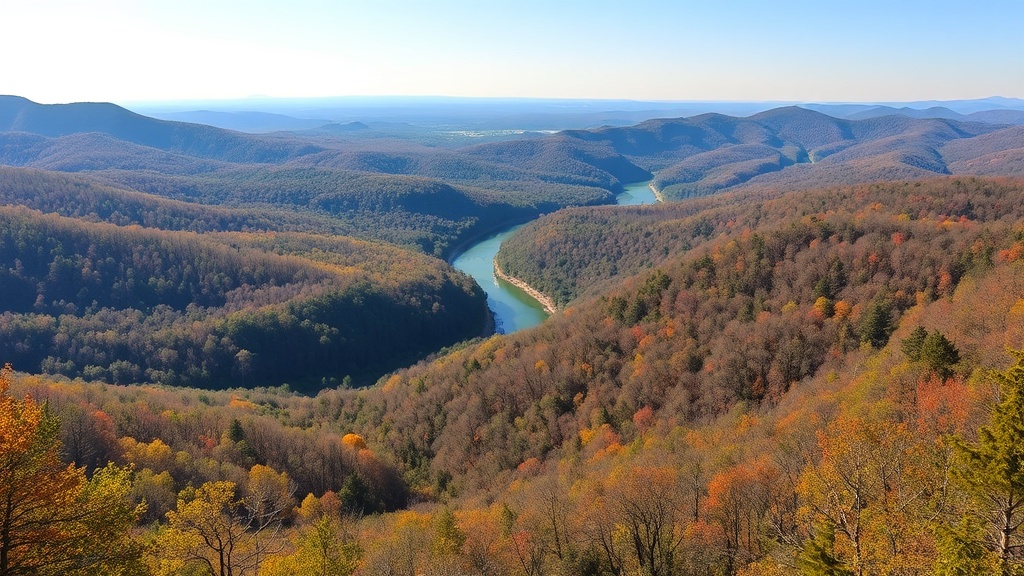 Scouting checklist:
- Use maps to locate WMA boundaries, forest roads, and key habitat features.
- Walk short loops to confirm deer sign, rubs, scrapes, and travel corridors.
- For waterfowl, check water levels and flooding conditions on managed impoundments.
- Note other hunter activity and parking pressure at public access points.
- Save key locations in your mapping app.
Learn more in Scouting basics.
Plan for weather and safety
Arkansas weather during hunting season ranges from warm early fall days to cold, wet winter conditions. The Ouachita foothills can add elevation-related weather changes.
Safety basics:
- Share your route and expected return time.
- Carry water, calories, a light, and a basic first aid kit.
- Keep a backup route in case of closures or poor road conditions.
- Use a safety harness in tree stands.
- Layer clothing for temperatures that can swing significantly in a single day.
Use Weather and safety planning for a simple checklist.
Choose gear that matches your hunt
Gear selection near Little Rock depends on whether you are heading into the Ouachita foothills for deer, wading flooded timber for ducks, or working field edges for dove.
Gear basics:
- Sturdy boots for rocky Ouachita terrain or waterproof boots for bottomland timber.
- Waders for waterfowl hunting in flooded fields and timber.
- Layers for variable fall and winter temperatures.
- A quality day pack with navigation tools.
- Field care kit.
See Gear reviews and Best hunting boots.
Ethics and respect
Good hunting starts with respect for land, people, and wildlife. Follow all rules, pack out trash, respect gates and property boundaries, and report your harvest through the AGFC check system.
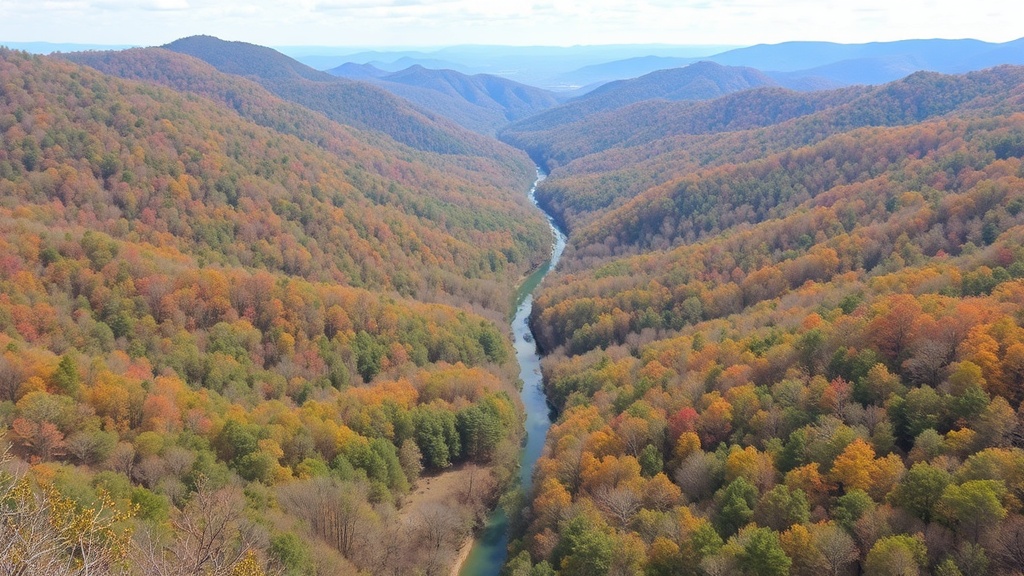
Local planning checklist
Use this list for any hunt near Little Rock:
- Pick a species and season window.
- Confirm license, WMA permit, and tag requirements.
- Select a primary area and a backup area.
- Scout access points and parking.
- Build a packing list based on weather, terrain, and species.
Helpful next steps:
Final checklist
- Confirm rules on the official AGFC website.
- Purchase your WMA permit if hunting on wildlife management areas.
- Save maps for offline use.
- Pack essentials and verify tags.
- Review safety and access rules before you leave.
Explore Related Topics:
Notice an update we should make?
We strive for accuracy. Contact us here if you see incorrect or outdated info on this page.