Wisconsin is one of the best states in the Midwest for hunting access. The state offers millions of acres of public land through county forests, state forests, wildlife areas, and the massive Chequamegon-Nicolet National Forest. Combined with unique programs like the Managed Forest Law (MFL) that open private lands to public hunting, Wisconsin gives hunters of all budgets a real chance at whitetail deer, turkey, black bear, waterfowl, grouse, and more.
1. Public Hunting Land in Wisconsin
Public hunting in Wisconsin is managed primarily by the Wisconsin Department of Natural Resources (DNR). The state’s public land system is among the most diverse in the country, with several distinct categories of access1.
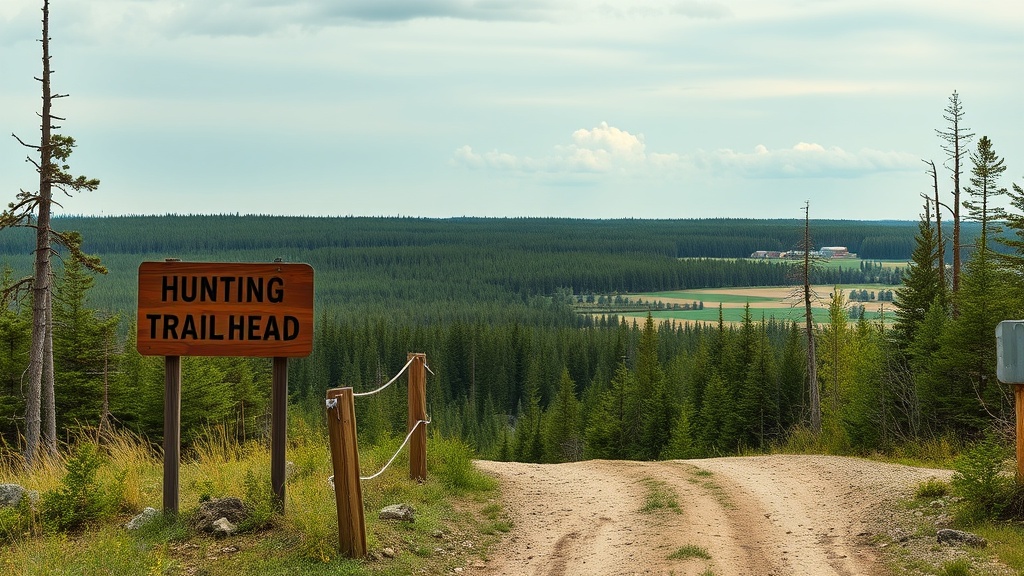
County Forests
- Acres: 2.4 million across 29 counties
- Wisconsin has one of the largest county forest systems in the United States.
- Popular for whitetail deer, bear, grouse, and turkey hunting.
- Most county forests allow hunting without a special permit beyond your state license.
State Forests
- Acres: 500,000+
- Major state forests include Northern Highland-American Legion, Black River, Brule River, and Kettle Moraine.
- Offer a mix of big game, small game, and waterfowl opportunities.
- Some areas have specific access rules or seasonal closures.
State Wildlife Areas & Fishery Areas
- More than 600 properties managed by the DNR specifically for wildlife habitat and hunting access.
- Many provide excellent waterfowl and upland bird hunting, including pheasant-stocked areas.
Chequamegon-Nicolet National Forest
- Acres: 1.5 million
- Located in northern Wisconsin, this is the state’s only national forest.
- Outstanding habitat for bear, whitetail deer, grouse, and turkey.
- No state-specific access permit required beyond standard hunting licenses and federal regulations.
Managed Forest Law (MFL) Open Lands
Wisconsin’s MFL program is a unique asset for hunters. Private landowners enrolled in this tax incentive program must designate portions of their land as open to public access for hunting, fishing, hiking, and other recreation1.
- Acres: Hundreds of thousands of private acres are enrolled as “open” MFL lands.
- Parcels are mapped on the DNR’s online property lookup tool.
- Access is free, but hunters should respect the land and check for any posted restrictions at entry points.
Voluntary Public Access (VPA) Program
- The VPA program pays private landowners to open their land to public hunting.
- Enrolled properties are listed through the DNR and provide additional opportunities, especially in southern Wisconsin where public land is scarce.
Tip: Northern Wisconsin offers the most public land density. Southern Wisconsin hunters should focus on MFL open lands, VPA properties, and state wildlife areas for access.
2. Private Hunting Land in Wisconsin
Private land hunting is common throughout Wisconsin, particularly in the southern and central parts of the state where public access is more limited.
| Private Access Type | Pros | Cons | Best For |
|---|---|---|---|
| Hunting Leases | Exclusive access, less pressure, can scout pre-season | Annual cost, limited availability | Whitetail deer, turkey |
| Guided Hunts | Expert knowledge, high success potential, lodging included | Higher cost per hunt | Bear, trophy whitetail deer |
| Day Hunts | Low commitment, flexible scheduling | Limited scouting, higher pressure | Waterfowl, pheasant, small game |
Hunting Leases
- Seasonal or annual agreements with landowners, especially in agricultural areas of southern and central Wisconsin.
- Should clearly define allowed species, weapons, guest policies, and stand placement.
- Leases for quality whitetail deer ground are competitive in counties like Buffalo, Trempealeau, and Iowa.
Guided Hunts
- Licensed outfitters operate across the state, with bear hunts being particularly popular in northern Wisconsin.
- Many guided operations also offer turkey hunts in the spring and waterfowl hunts in the fall.
- Guided bear hunts are common because the Wisconsin bear tag draw requires accumulating preference points over several years.
3. Popular Game in Wisconsin
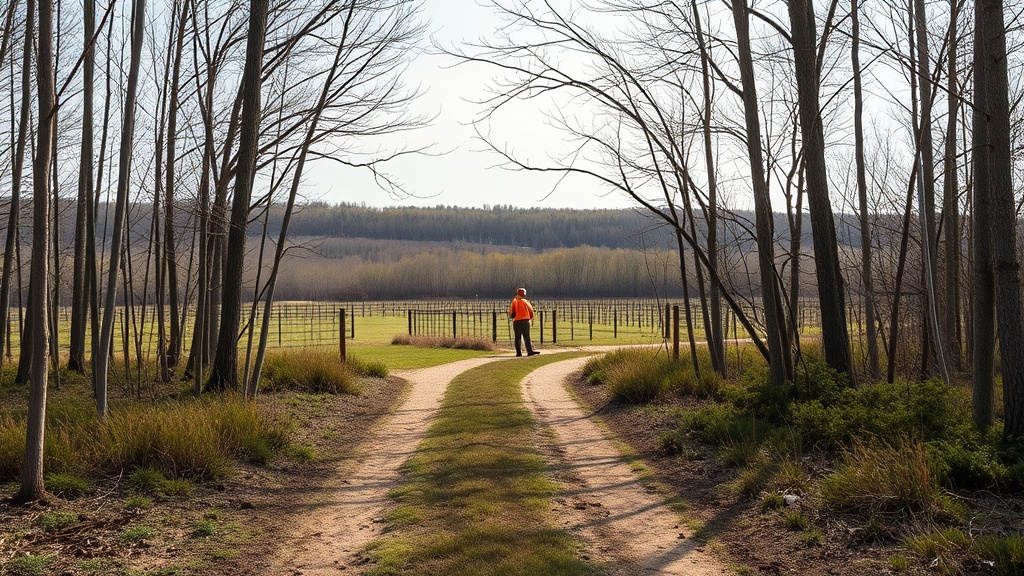
Wisconsin’s forests, farmland, and wetlands support a wide variety of huntable species. For detailed season dates, see our Wisconsin hunting seasons page.
| Game Species | Public Land Opportunities | Private Land Opportunities |
|---|---|---|
| Whitetail Deer | Abundant on county forests, state forests, and wildlife areas | Trophy management on private farms and woodlots |
| Turkey | Spring and fall seasons on public land statewide | Excellent access in southwestern WI farmland |
| Bear | Preference point draw system; public land in northern WI | Guided hunts with bait stations on private land |
| Waterfowl | Horicon Marsh, Mississippi River bottoms, state wildlife areas | Managed wetlands and flooded fields |
| Grouse | County forests and national forest in northern WI | Limited; mostly a public land pursuit |
| Pheasant | DNR-stocked public areas in southern WI | Private preserves and leased farmland |
| Small Game | Statewide on public properties | Squirrel, rabbit on leased agricultural land |
Note: Chronic Wasting Disease (CWD) management zones in southern Wisconsin affect deer hunting rules, including mandatory testing and modified baiting/feeding regulations. Always check current CWD zone maps on the DNR website before hunting1.
4. Choosing Your Wisconsin Hunting Land
When selecting between public and private options, consider:
- Budget: Public land is free beyond license costs; MFL open lands add even more free access. Leases and guided hunts add significant cost.
- Target Species: Bear hunters need to plan years ahead for preference points. Grouse and deer hunters have extensive public options in the north.
- Location: Northern Wisconsin is rich in public land. Southern Wisconsin requires more effort to find access but holds excellent whitetail deer and turkey populations.
- CWD Zones: If hunting in southern Wisconsin, understand CWD regulations that may affect tag allocation and carcass transport.
- Season Timing: Gun deer season (late November) sees heavy pressure on public land. Consider archery, muzzleloader, or early seasons for less competition.
- Experience Level: New hunters benefit from guided hunts or mentored hunting programs offered by the DNR.
5. Regulations & Safety
Before hunting in Wisconsin:
- License & Permits: A valid Wisconsin hunting license is required. Additional stamps or permits apply for certain species. See Wisconsin hunting regulations.
| License/Permit | Residency | Fee | Includes |
|---|---|---|---|
| Resident Gun Deer License | Resident | $24.00 | gun deer hunting |
| Resident Archery Deer License | Resident | $24.00 | archery deer hunting |
| Resident Small Game License | Resident | $20.00 | small game hunting |
| Non-Resident Gun Deer License | Nonresident | $160.00 | gun deer hunting |
| Non-Resident Archery Deer License | Nonresident | $160.00 | archery deer hunting |
| Non-Resident Small Game License | Nonresident | $85.00 | small game hunting |
| Resident Bear License | Resident | $49.00 | bear hunting |
| Non-Resident Bear License | Nonresident | $251.00 | bear hunting |
| Resident Turkey License | Resident | $15.00 | turkey hunting |
| Non-Resident Turkey License | Nonresident | $60.00 | turkey hunting |
| Youth Hunting License (Resident) | Resident | $7.00 | small game hunting |
| Resident Bonus Antlerless Deer Tag | Resident | $12.00 | antlerless deer |
| Wisconsin Waterfowl Stamp | All | $7.00 | waterfowl hunting |
| Wisconsin Pheasant Stamp | All | $7.00 | pheasant hunting |
| Federal Duck Stamp | All | $25.00 | waterfowl hunting |
- Hunter Education: Required for all first-time license buyers. Wisconsin offers both classroom and online options.
- Bag Limits & Seasons: Vary by species, zone, and weapon type. Consult the Wisconsin DNR hunting page1.
- Safety:
- Blaze orange or fluorescent pink is required during gun deer season and other firearm seasons.
- Know your target and what is beyond it.
- Follow all treestand safety guidelines. falls are the leading cause of hunting injuries in Wisconsin.
6. Quick Access Comparison
| Access Type | Approximate Acreage | Permit Needed | Typical Game |
|---|---|---|---|
| County Forests | 2.4M | WI license | Deer, bear, grouse, turkey |
| State Forests | 500K+ | WI license | Deer, bear, small game |
| State Wildlife Areas | 600+ properties | WI license | Waterfowl, upland birds, small game |
| Chequamegon-Nicolet NF | 1.5M | WI license | Deer, bear, grouse, turkey |
| MFL Open Lands | Hundreds of thousands | WI license (free access) | Deer, turkey, small game |
| Private Lease | Varies | Lease agreement | Trophy deer, turkey |
| Guided Hunt | Varies | Outfitter booking | Bear, deer, waterfowl |
Final Takeaway
Wisconsin’s combination of extensive public land, the Managed Forest Law open lands program, and strong private land hunting traditions makes it one of the most accessible hunting states in the Midwest. Whether you are hiking into the Chequamegon-Nicolet National Forest for grouse, sitting a county forest stand for whitetail deer, or booking a guided bear hunt, Wisconsin rewards hunters who do their homework, respect the land, and follow state regulations.
Last verified: February 13, 2026 — Official source
More Wisconsin Hunting Resources
Explore Related Topics:
- Alabama Hunting Land: Your Guide to Public and Private Access
- Arkansas Hunting Land: Your Guide to Public and Private Access
- California Hunting Land: Your Guide to Public and Private Access
- Florida Hunting Land: Your Guide to Public and Private Access
- Georgia Hunting Land: Your Guide to Public and Private Access
Notice an update we should make?
We strive for accuracy. Contact us here if you see incorrect or outdated info on this page.