Virginia offers millions of acres of hunting opportunities, from the George Washington and Jefferson National Forests spanning the western mountains to coastal marshes along the Chesapeake Bay. Hunters here can target whitetail deer, black bear, turkey, elk, waterfowl, upland birds, and small game across a diverse landscape.
1. Public Hunting Land in Virginia
Virginia provides extensive public hunting access managed by multiple agencies. The Virginia Department of Wildlife Resources (DWR) oversees most state-managed lands, while federal agencies administer National Forests and wildlife refuges.1
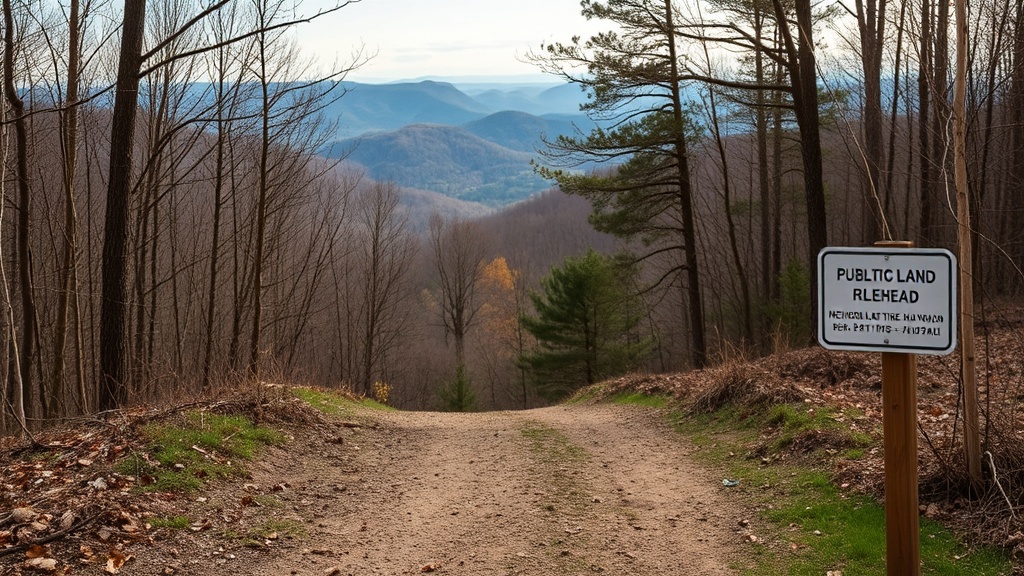
George Washington and Jefferson National Forests
The combined George Washington and Jefferson National Forests cover approximately 1.8 million acres across western Virginia, making them one of the largest National Forest systems in the eastern United States. These forests span the Appalachian Mountains from the West Virginia border south to the Tennessee and North Carolina lines.
- Primary game: whitetail deer, black bear, turkey, ruffed grouse, squirrel
- National Forest Stamp required in addition to a valid Virginia hunting license
- Camping, road access, and trail systems vary by ranger district
- Some areas have special restrictions during firearms deer season
Tip: National Forest lands can be crowded near road access points during opening weekends. Hike further from roads for less hunting pressure and better opportunities.
Wildlife Management Areas (WMAs)
Virginia has more than 40 WMAs managed by DWR, totaling hundreds of thousands of acres across the state. WMAs are managed specifically for wildlife habitat and hunting access.
| WMA Region | Notable WMAs | Primary Game |
|---|---|---|
| Western Mountains | Gathright, Highland, Goshen-Little North Mountain | Bear, deer, grouse, turkey |
| Shenandoah Valley | Rapidan, Shenandoah River | Deer, turkey, squirrel |
| Piedmont | Amelia, Hardware River, Briery Creek | Deer, turkey, dove, waterfowl |
| Coastal Plain | Chickahominy, Cavalier, Game Farm Marsh | Waterfowl, deer, dove |
- WMA Stamp required for all hunters using WMAs
- Some WMAs require special permits or have quota hunts for deer and turkey
- Many WMAs have managed dove fields and waterfowl impoundments
- Check individual WMA regulations for specific rules, as they can differ from statewide seasons
National Wildlife Refuges (NWRs)
Several NWRs in Virginia offer hunting under federal refuge regulations.
- Back Bay NWR: Located near Virginia Beach, offering waterfowl hunting in the coastal marshes. Special permits and reservations may be required.
- Chincoteague NWR: On the Eastern Shore, providing waterfowl and limited deer hunting opportunities. Access is managed through a federal permit system.
- Rappahannock River Valley NWR: Offers deer and turkey hunting on designated tracts.
- James River NWR: Limited hunting opportunities with special regulations.
Federal NWRs have their own season dates, weapon restrictions, and access requirements that may differ from state regulations. Always check the specific refuge hunt plan before your trip.
Military Lands
Some military installations in Virginia open portions of their land to hunting through special permit programs.
- Fort Barfoot (formerly Fort Pickett): Offers deer, turkey, and small game hunting on designated areas. A military installation hunting permit is required.
- Quantico Marine Corps Base: Has a structured hunting program with permits available to military and civilian hunters.
- Fort Gregg-Adams (formerly Fort Lee): Limited hunting opportunities.
Military land hunting programs typically require background checks, safety briefings, and separate permits. Contact each installation for current access procedures.
2. Private Hunting Land in Virginia
Private land makes up the majority of Virginia’s landscape, and private access is a cornerstone of the state’s hunting culture.
| Private Access Type | Pros | Cons | Best For |
|---|---|---|---|
| Hunt Clubs | Established access, social tradition, shared costs | Annual dues, limited openings | Deer, turkey, dog hunting |
| Hunting Leases | Exclusive or semi-exclusive access, manageable cost | Contracts vary, scouting needed | Deer, turkey, bear |
| Guided Hunts | High success rates, local expertise, lodging included | Higher cost | Waterfowl, deer, bear |
| Day Hunts | Flexible, lower commitment | Limited time on property | Dove, waterfowl, deer |
Hunt Clubs
Virginia has a strong hunt club tradition, particularly in the piedmont and Southside regions. Clubs range from informal groups sharing a lease to established organizations with permanent lodges and managed properties. Dog hunting clubs are especially common in eastern Virginia, where running deer with dogs during firearms season is a deeply rooted tradition.
Hunting Leases
Leasing arrangements with landowners are common across the state, especially in the piedmont region where large agricultural tracts support healthy deer and turkey populations. Lease terms should clearly define allowed species, hunting methods, guest policies, vehicle access, and any improvements like stands or food plots.
Guided Hunts
Professional outfitters operate throughout Virginia, offering guided hunts for whitetail deer, waterfowl, bear, and turkey. Coastal outfitters specialize in Chesapeake Bay and Back Bay waterfowl hunts. Mountain outfitters focus on bear and deer in the Appalachian counties. Many guided operations include lodging, meals, and field care.
3. Popular Game by Region
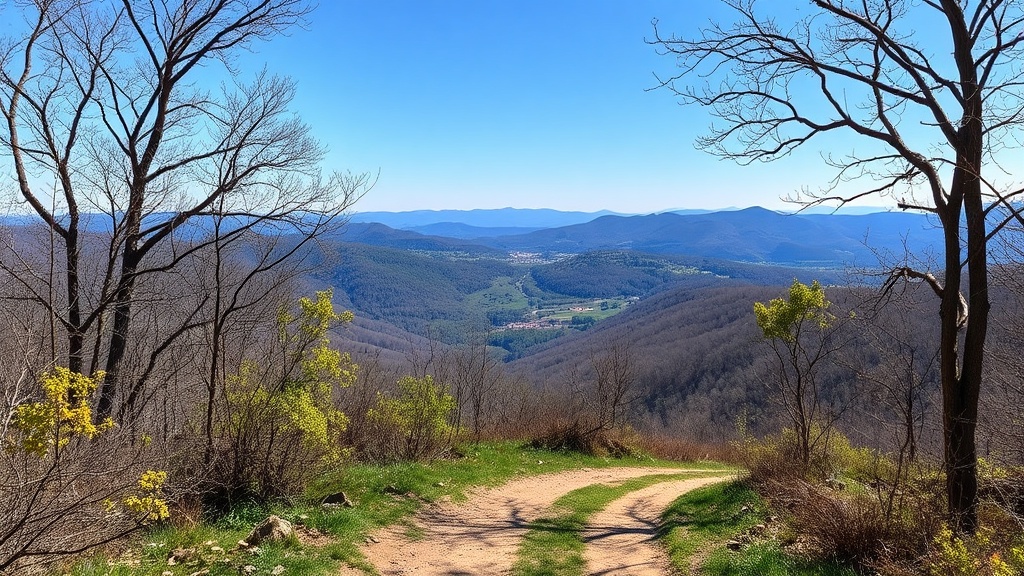
Virginia’s geographic diversity creates distinct hunting opportunities across the state.
| Game Species | Best Public Land Areas | Best Private Land Areas |
|---|---|---|
| Whitetail Deer | National Forests, mountain WMAs | Piedmont leases, Southside hunt clubs |
| Black Bear | GW&J National Forests, western WMAs | Mountain county leases |
| Turkey | National Forest, piedmont WMAs | Central and Southside leases |
| Elk | Buchanan County elk zone (lottery only) | N/A |
| Waterfowl | Back Bay NWR, Chincoteague NWR, coastal WMAs | Chesapeake Bay guided hunts, Eastern Shore fields |
| Upland Birds | Western mountain WMAs (grouse), stocked WMAs (pheasant) | Piedmont quail preserves |
4. Choosing Your Virginia Hunting Land
When deciding between public and private options, consider:
- Budget: WMA stamps and National Forest stamps are the most affordable entry point. Guided waterfowl hunts on the Chesapeake Bay are among the most expensive options.
- Target Species: Match habitat to species. Mountain forests for bear and grouse. Piedmont for deer and turkey. Coastal areas for waterfowl.
- Time Available: Public land may require more scouting and travel. Private leases allow preseason preparation.
- Experience Level: New hunters may benefit from guided hunts or hunt club mentorship. Experienced hunters can find productive public land opportunities on National Forests and WMAs.
- Region: Western Virginia offers mountain hunting with rugged terrain and bear opportunity. Central Virginia offers rolling piedmont deer and turkey habitat. Eastern Virginia and the Chesapeake region offer world-class waterfowl.
5. Regulations and Access Requirements
Before hunting in Virginia:
- License and Stamps: Valid hunting license required, plus big game, archery, muzzleloader, bear, or turkey licenses as applicable. National Forest Stamp and WMA Stamp are required for their respective lands. See Virginia hunting regulations.
| License/Permit | Residency | Fee | Includes |
|---|---|---|---|
| Resident Hunting License | Resident | $23.00 | hunting |
| Non-Resident Basic Hunting License | Nonresident | $110.00 | hunting |
| Non-Resident Big Game Hunting License | Nonresident | $250.00 | hunting, deer, bear, turkey |
| Resident Sportsman License | Resident | $99.00 | hunting, fishing, deer tag, turkey tag, bear stamp, archery stamp, muzzleloader stamp |
| Deer/Muzzleloader Stamp | Resident | $17.00 | deer hunting, muzzleloader privilege |
| Archery Stamp | Resident | $17.00 | archery hunting privilege |
| Bear Stamp | Resident | $17.00 | bear hunting |
| Turkey Stamp | Resident | $17.00 | turkey hunting |
| Youth Hunting License | Resident | $7.50 | hunting |
| Senior Citizen Hunting License | Resident | $8.00 | hunting |
| Virginia Waterfowl Stamp | All | $10.00 | waterfowl hunting |
| Federal Duck Stamp | All | $25.00 | waterfowl hunting |
- Hunter Education: Required for hunters born on or after January 1, 1988.
- Season Dates: Found on the DWR website and in our Virginia hunting season guide.
- CWD Restrictions: Carcass transport restrictions apply in CWD management areas in the Shenandoah Valley.
- Safety:
- Wear blaze orange during firearms deer, bear, and elk seasons.
- Know your target and what is beyond it.
- Follow all firearm handling rules.
6. Quick Access Comparison
| Access Type | Acreage Available | Permit Needed | Typical Game |
|---|---|---|---|
| National Forests | ~1.8 million acres | National Forest Stamp | Deer, bear, turkey, grouse |
| WMAs | 200,000+ acres | WMA Stamp | Deer, turkey, dove, waterfowl |
| NWRs | Varies | Federal refuge permit | Waterfowl, limited deer |
| Military Lands | Varies | Installation permit | Deer, turkey, small game |
| Private Lease | Majority of state | Lease agreement | Trophy deer, turkey |
| Guided Hunt | Private land | Outfitter booking | Waterfowl, deer, bear |
Final checklist
- Confirm current season dates and regulations on the DWR website.
- Purchase all required licenses, stamps, and permits before your hunt.
- Verify whether your hunting area requires a National Forest Stamp, WMA Stamp, or federal refuge permit.
- Check CWD management area boundaries and carcass transport rules.
- Save maps for offline use and mark access points.
- Pack required blaze orange for firearms seasons.
- Review safety and access rules before you leave.
Last verified: February 13, 2026 — Official source
More Virginia Hunting Resources
Explore Related Topics:
- Alabama Hunting Land: Your Guide to Public and Private Access
- Arkansas Hunting Land: Your Guide to Public and Private Access
- California Hunting Land: Your Guide to Public and Private Access
- Florida Hunting Land: Your Guide to Public and Private Access
- Georgia Hunting Land: Your Guide to Public and Private Access
Notice an update we should make?
We strive for accuracy. Contact us here if you see incorrect or outdated info on this page.