Tennessee offers over 1.5 million acres of public hunting land and abundant private land access across its three grand divisions. Hunters here can pursue whitetail deer, turkey, black bear, elk, waterfowl, and a wide variety of small game. Whether you prefer the ridges of the Appalachian Mountains, the rolling hills of Middle Tennessee, or the river bottoms of West Tennessee, the state provides access options for every hunter and budget.1
1. Public Hunting Land in Tennessee
The Tennessee Wildlife Resources Agency (TWRA) manages the state’s public hunting program. Public land hunting is a cornerstone of the Tennessee hunting tradition, and the state offers more accessible public acres than most southeastern states.
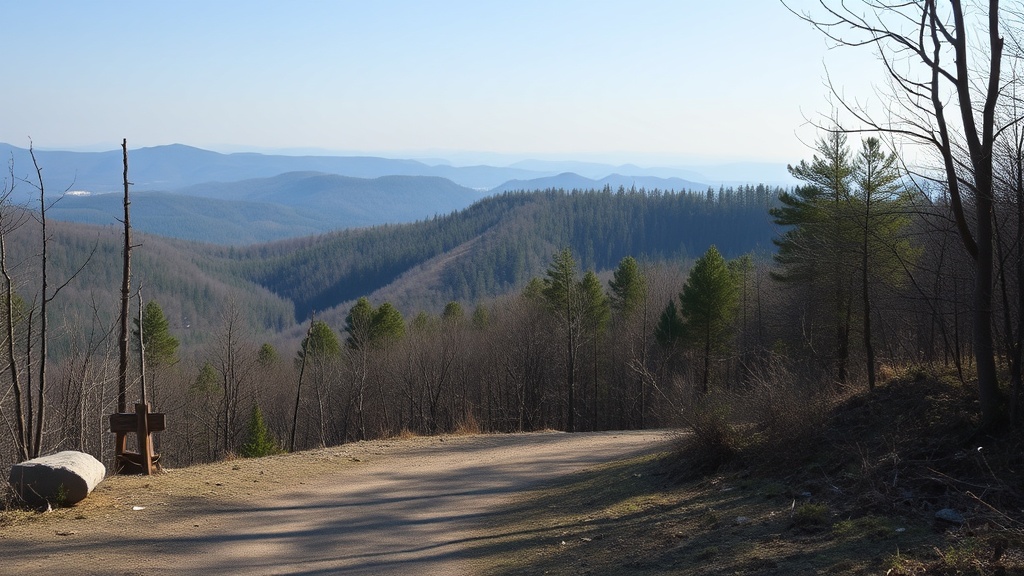
Wildlife Management Areas (WMAs)
Tennessee has over 90 WMAs totaling approximately 1.5 million acres. These areas are distributed across all three grand divisions and offer hunting for deer, turkey, small game, waterfowl, and in some cases bear and hog.
Key WMAs include:
- Catoosa WMA (Cumberland Plateau): At roughly 80,000 acres, Catoosa is the largest WMA in the state. It offers hunting for deer, turkey, bear, grouse, and wild hog. The rugged terrain includes mixed hardwood forests and steep ridges.
- Chuck Swan WMA (East Tennessee): Located on the shores of Norris Lake, Chuck Swan provides deer, turkey, and small game hunting in mountainous terrain.
- Yanahli WMA (Middle Tennessee): A newer WMA south of Nashville, Yanahli offers deer and turkey hunting on over 9,000 acres of rolling hills and creek bottoms.
- Ames Plantation (West Tennessee): A historic 18,600-acre property near Grand Junction that hosts the National Field Trial Championship. Open to managed hunts for deer, turkey, and quail.
- Bridgestone/Firestone Centennial Wilderness (Cumberland Plateau): Over 10,000 acres of wilderness-quality land with limited access, providing a backcountry hunting experience for deer, turkey, and bear.
WMA Permit Requirement
A WMA permit is required for any hunter accessing a Wildlife Management Area, regardless of species. This permit is purchased separately from your hunting license and big game license. Many WMAs also have quota hunts that require a separate application and drawing. Quota hunt applications are typically due in late summer.
Cherokee National Forest
The Cherokee National Forest covers approximately 650,000 acres across East Tennessee, making it one of the largest blocks of public hunting land in the Southeast. It spans from the Virginia border south to the Georgia border and includes:
- High-elevation bear and boar habitat along the Appalachian divide
- Excellent turkey hunting in mixed hardwood forests
- Grouse hunting in mountain laurel and rhododendron thickets
- Deer hunting throughout lower-elevation areas
Cherokee National Forest is open to hunting under Tennessee state regulations. No additional federal permit is required, but hunters must carry a valid Tennessee hunting license, big game license (if applicable), and follow all posted area closures.
Land Between the Lakes National Recreation Area
Land Between the Lakes (LBL) is a 170,000-acre National Recreation Area managed by the U.S. Forest Service, located between Kentucky Lake and Lake Barkley in West Tennessee and Kentucky. LBL offers:
- Quality deer hunting with some trophy-class whitetails
- Turkey hunting in open woodlands and field edges
- Waterfowl hunting along lake margins and managed wetlands
LBL has its own set of regulations that supplement Tennessee state rules. Hunters should check both TWRA and LBL regulations before hunting there. A quota permit system is used for some hunts.
Army Corps of Engineers Lands
Several Tennessee Valley Authority (TVA) and Army Corps of Engineers reservoirs have associated public lands open to hunting. These include areas around Old Hickory Lake, Percy Priest Lake, Dale Hollow Lake, and Kentucky Lake. Access may be limited, and specific rules vary by area. These lands can be productive for deer, turkey, and waterfowl.
Tip: Public land in Tennessee can see heavy pressure during opening weekends of gun deer season. Consider hunting midweek or targeting less popular WMAs for a better experience.
2. Private Hunting Land in Tennessee
The majority of Tennessee is privately owned. Private land access is essential for many hunters, and several options exist.
| Private Access Type | Pros | Cons | Best For |
|---|---|---|---|
| Hunting Leases | Exclusive access, lower pressure, ability to manage habitat | Annual cost, contract obligations | Whitetail deer, turkey |
| Guided Hunts | Professional guide, high success rates, meals and lodging included | Higher cost per hunt | Trophy deer, bear, waterfowl |
| Day Hunts | Low commitment, flexible scheduling | Limited scouting, less familiarity with land | Dove, small game, waterfowl |
Hunting Leases
Hunting leases are agreements with landowners granting seasonal or annual access to a defined property. Leases are common across all three grand divisions. When evaluating a lease, consider:
- Acreage and habitat quality
- Allowed species and methods
- Number of hunters on the lease
- Amenities (stands, food plots, lodging)
- Proximity to your home
Guided Hunts
Licensed outfitters operate across Tennessee, offering guided hunts for deer, turkey, waterfowl, bear, and dove. Guided hunts are a good option for non-residents or hunters unfamiliar with Tennessee terrain. Many outfitters in West Tennessee specialize in waterfowl hunts along the Mississippi Flyway.
3. Popular Game by Access Type
Tennessee’s habitat diversity supports a wide range of game species. The following table summarizes opportunities by access type.
| Game Species | Public Land Opportunities | Private Land Opportunities |
|---|---|---|
| Whitetail Deer | Quota hunts and open hunts on 90+ WMAs, Cherokee NF, LBL | Leases and guided hunts statewide, trophy potential on managed land |
| Turkey | Strong populations on most WMAs and national forest land | Spring gobbler hunts on private farms and woodlots |
| Black Bear | Cherokee NF, Tellico WMA, Catoosa WMA (East TN only) | Limited private land in bear counties |
| Elk | Lottery only in Campbell, Claiborne, Scott, Morgan counties | Not available on private land outside the elk zone |
| Waterfowl | Reelfoot Lake, Cross Creeks NWR, Hatchie NWR, TVA reservoir lands | Flooded fields and managed wetlands in West TN |
| Small Game (squirrel, rabbit, quail) | Widely available on WMAs statewide | Permission-based on private farms |
| Wild Boar/Hog | Cherokee NF, Catoosa WMA, select East TN WMAs | Year-round on private land, no bag limit |
4. Choosing Your Tennessee Hunting Land
When deciding between public and private options, consider:
- Budget: A WMA permit is the most affordable path to public land. Guided hunts are the highest cost.
- Time Available: Public land success often requires more scouting and effort.
- Target Species: Match habitat to species. Bear and boar require East Tennessee mountains. Waterfowl hunting is strongest in West Tennessee.
- Experience Level: New hunters benefit from guided hunts or hunting with experienced companions on leases.
- Travel Distance: Tennessee’s three grand divisions each offer distinct terrain and species. Plan around the region that fits your goals.
5. Regulations and Safety
Before hunting any land in Tennessee:
- License and Permits: A valid hunting license is required. Big game license and WMA permit are separate purchases. See Tennessee hunting regulations.
| License/Permit | Residency | Fee | Includes |
|---|---|---|---|
| Resident Hunting License | Resident | $34.00 | hunting |
| Resident Sportsman License | Resident | $86.00 | hunting, fishing, all privileges |
| Non-Resident Hunting License | Nonresident | $230.00 | hunting |
| Non-Resident 3-Day Hunting License | Nonresident | $90.00 | hunting |
| Youth Hunting License | Resident | $7.00 | hunting |
| Senior Hunting License | Resident | $10.00 | hunting |
| Resident Big Game License | Resident | $31.00 | deer, bear, elk, turkey, wild boar |
| Non-Resident Big Game License | Nonresident | $175.00 | deer, bear, elk, turkey, wild boar |
| Elk Permit | All | $18.00 | elk hunting |
| Tennessee Waterfowl Stamp | All | $11.00 | waterfowl hunting |
| Federal Duck Stamp | All | $25.00 | waterfowl hunting |
| WMA Permit | All | $20.00 | wildlife management area access |
| Disabled Veteran License | Resident | $10.00 | hunting, fishing, all privileges |
- Hunter Education: Required for anyone born after January 1, 1969.
- Season Dates and Bag Limits: Found in the current TWRA Hunting and Trapping Guide and on our Tennessee hunting seasons page.
- Fluorescent Orange: 500 square inches required during gun deer season.
- CWD Zones: Check carcass transport restrictions if hunting in CWD management areas in West or Middle Tennessee.
- Written Permission: Required for all private land hunting. Tennessee’s purple paint law means purple-marked boundaries have the same legal force as posted signs.
6. Quick Access Comparison
| Access Type | Approximate Acreage | Permit Needed | Typical Game |
|---|---|---|---|
| WMAs | 1.5 million acres | WMA permit + hunting license | Deer, turkey, small game, waterfowl, bear, hog |
| Cherokee National Forest | 650,000 acres | State hunting license | Deer, turkey, bear, boar, grouse |
| Land Between the Lakes | 170,000 acres | State license + LBL regulations | Deer, turkey, waterfowl |
| Private Lease | Varies | Lease agreement + state license | Trophy deer, turkey, waterfowl |
| Guided Hunt | Varies | Outfitter booking + state license | Deer, bear, waterfowl, dove |
Final Checklist
- Verify your hunting license, big game license, and WMA permit are current.
- Research specific WMA regulations, quota hunt deadlines, and area closures.
- Download or print WMA maps for offline use.
- Obtain written permission for any private land access.
- Check CWD zone boundaries and carcass transport rules.
- Wear fluorescent orange during gun deer seasons.
- Report all big game harvests through TWRA.
- Review the Tennessee hunting regulations and Tennessee hunting seasons before heading afield.
Tennessee hunting land offers strong opportunities for every hunter, whether you choose a remote WMA in the Cumberland Plateau, a waterfowl blind at Reelfoot Lake, or a managed deer lease in Middle Tennessee. Plan early, follow the regulations, and make the most of the state’s diverse public and private access.
Last verified: February 13, 2026 — Official source
More Tennessee Hunting Resources
Explore Related Topics:
- Alabama Hunting Land: Your Guide to Public and Private Access
- Arkansas Hunting Land: Your Guide to Public and Private Access
- California Hunting Land: Your Guide to Public and Private Access
- Florida Hunting Land: Your Guide to Public and Private Access
- Georgia Hunting Land: Your Guide to Public and Private Access
Notice an update we should make?
We strive for accuracy. Contact us here if you see incorrect or outdated info on this page.