Oregon is one of the most public-land-rich states in the American West, with over 32 million acres of publicly owned land open to hunting. Whether you are chasing Roosevelt elk through the Coast Range rain forests, glassing mule deer across the high desert rimrock, or flushing chukar in the Snake River canyons, Oregon’s mix of federal, state, and private lands provides access for every style of hunter. 1
1. Public Hunting Land in Oregon
Approximately 60 percent of Oregon is publicly owned, giving hunters exceptional access compared to most states. Public hunting land is managed by several federal and state agencies.
Bureau of Land Management (BLM)
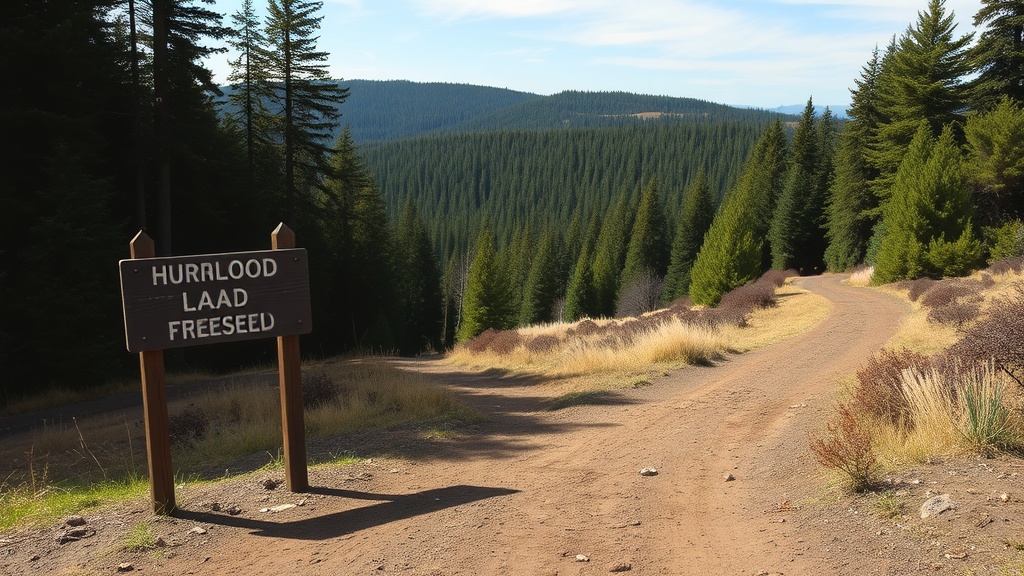
The BLM manages approximately 16 million acres in Oregon, making it the single largest land manager in the state. BLM lands are concentrated in central and eastern Oregon and include vast tracts of sagebrush steppe, juniper woodlands, canyon country, and desert grasslands.
| BLM District | Region | Primary Game |
|---|---|---|
| Burns District | Southeast Oregon | Mule deer, pronghorn, chukar, sage grouse |
| Prineville District | Central Oregon | Mule deer, elk, chukar |
| Vale District | Eastern Oregon | Mule deer, pronghorn, chukar, quail |
| Lakeview District | South-central Oregon | Pronghorn, mule deer, sage grouse |
| Medford District | Southwest Oregon | Black bear, blacktail deer, turkey |
| Salem District | Northwest Oregon | Blacktail deer, Roosevelt elk |
| Roseburg District | Southwest Oregon | Blacktail deer, Roosevelt elk, bear |
BLM lands are generally open to hunting without special permits beyond standard state licenses and tags. Hunters should check for any seasonal closures related to fire restrictions or special management areas.
National Forests
Oregon’s ten national forests cover millions of acres of mountain, forest, and meadow habitat across the Cascades, Blue Mountains, Coast Range, and Siskiyou Mountains.
| National Forest | Acres (approx.) | Region | Key Species |
|---|---|---|---|
| Deschutes National Forest | 1.6 million | Central Cascades | Elk, mule deer, bear, grouse |
| Fremont-Winema National Forest | 2.3 million | South-central Oregon | Mule deer, elk, pronghorn, grouse |
| Malheur National Forest | 1.7 million | Blue Mountains | Rocky Mountain elk, mule deer, bear |
| Mt. Hood National Forest | 1.1 million | Northern Cascades | Blacktail deer, Roosevelt elk, bear, grouse |
| Ochoco National Forest | 850,000 | Central Oregon | Mule deer, elk, bear, turkey |
| Rogue River-Siskiyou National Forest | 1.8 million | Southwest Oregon | Roosevelt elk, blacktail deer, bear, turkey |
| Siuslaw National Forest | 630,000 | Coast Range | Blacktail deer, Roosevelt elk |
| Umatilla National Forest | 1.4 million | Northeast Oregon | Rocky Mountain elk, mule deer, bear, turkey |
| Wallowa-Whitman National Forest | 2.3 million | Northeast Oregon | Rocky Mountain elk, mule deer, bear, bighorn sheep |
| Willamette National Forest | 1.7 million | Central Cascades | Blacktail deer, Roosevelt elk, bear, grouse |
National Forest lands are open to hunting during established seasons. Road access varies by forest and season. Many forests close gates and restrict motorized travel during hunting season to reduce disturbance and improve hunting quality. Check the specific forest’s Motor Vehicle Use Map (MVUM) for current road access.
ODFW Wildlife Areas
The Oregon Department of Fish and Wildlife manages numerous Wildlife Areas across the state. These properties are specifically managed for wildlife habitat and often provide excellent hunting access for both big game and upland birds.
Notable ODFW Wildlife Areas for hunters include:
- Sauvie Island Wildlife Area near Portland: Premier waterfowl hunting, with daily permits required during managed hunt periods.
- Summer Lake Wildlife Area in south-central Oregon: Waterfowl, snipe, and upland bird hunting.
- Ladd Marsh Wildlife Area near La Grande: Waterfowl, pheasant, and deer hunting.
- Wenaha Wildlife Area in the Blue Mountains: Elk and mule deer in remote backcountry.
- Bridge Creek Wildlife Area near Mitchell: Mule deer and elk access.
- E.E. Wilson Wildlife Area near Corvallis: Pheasant, quail, and waterfowl hunting close to the Willamette Valley.
Some wildlife areas require daily or seasonal access permits, and many have restricted hunting zones or special season dates. Check the specific area’s regulations on the ODFW website before hunting.
State Forests
The Oregon Department of Forestry manages over 700,000 acres of state forest land, primarily in the northern Coast Range. The Tillamook State Forest is the largest at approximately 360,000 acres and provides excellent blacktail deer and Roosevelt elk hunting within a short drive of Portland.
State forests are generally open to hunting during established seasons. Road access is good in most areas, though some roads may be gated seasonally. Camping is allowed at designated sites.
2. Access and Habitat Program
Oregon’s Access and Habitat (A&H) program is one of the best public-private partnership programs in the West. Funded by a portion of hunting license revenue, the A&H program negotiates access agreements with private landowners to open private land to public hunting. 1
How It Works
- ODFW works with landowners to develop access agreements that specify allowed species, hunting methods, and access periods.
- Access areas are published annually by ODFW, with maps and specific rules for each property.
- Some A&H areas require hunters to obtain a free access permit from ODFW, while others are open to any licensed hunter.
- The program covers lands across Oregon, with the highest concentration of access areas in eastern Oregon where large private ranches adjoin public land.
Benefits for Hunters
- Access to private land that would otherwise be unavailable.
- Often less hunting pressure compared to adjacent public land.
- Good habitat quality, as private ranches frequently maintain better forage and cover conditions.
Tip: Check the ODFW Access and Habitat website early each season, as some access areas have limited entry or specific registration requirements.
3. Private Hunting Land in Oregon
While Oregon is generous with public land, approximately 40 percent of the state is privately owned. Private land access can be essential for hunting specific units, particularly in the agricultural valleys of western Oregon and the ranching country of central and eastern Oregon.
| Private Access Type | Pros | Cons | Best For |
|---|---|---|---|
| Hunting Leases | Consistent access, less pressure, ability to manage | Annual cost, contract obligations | Elk, mule deer, turkey |
| Guided Hunts | Expert knowledge, high success rates, logistics handled | Higher cost per hunt | Roosevelt elk, bear, pronghorn |
| Permission Hunting | Free, builds landowner relationships | Requires effort to find, not guaranteed | Blacktail deer, upland birds, waterfowl |
| Access and Habitat Areas | Free public access to private land | Limited areas, specific rules | Varies by access area |
Hunting Leases
Hunting leases in Oregon are common in areas where private land borders prime habitat. Lease agreements should clearly define allowed species, hunting methods, guest policies, vehicle access, and liability terms. Costs vary widely depending on location, acreage, and game quality.
Guided Hunts
Licensed outfitters operate throughout Oregon, offering guided hunts for Roosevelt elk, Rocky Mountain elk, mule deer, blacktail deer, pronghorn, black bear, turkey, and upland birds. Many outfitters operate on a combination of public land permits and private land leases. Guided hunts typically include lodging, meals, field care, and transportation.
Landowner Permission
Oregon law requires written permission to hunt on private land. Building relationships with landowners is one of the most effective ways to secure hunting access. Many landowners are willing to grant permission to responsible hunters who ask respectfully and demonstrate good ethics. Offering to help with ranch work, fence repair, or predator management can strengthen these relationships.
4. Popular Game Species and Where to Hunt Them
Oregon’s habitat diversity supports a wide range of game species. Below is a summary of the best land access options for each.
| Game Species | Best Public Land | Best Private/A&H Land |
|---|---|---|
| Elk (Roosevelt) | Coast Range NFs, Siuslaw NF, Tillamook SF | Private timber company lands, A&H areas |
| Elk (Rocky Mountain) | Wallowa-Whitman NF, Malheur NF, Umatilla NF | A&H areas in eastern Oregon |
| Blacktail Deer | Mt. Hood NF, Siuslaw NF, Tillamook SF | Willamette Valley private farms |
| Mule Deer | BLM high desert, Fremont-Winema NF, Ochoco NF | Eastern Oregon ranches, A&H areas |
| Pronghorn | BLM sagebrush lands (Hart Mountain, Steens) | A&H ranch access in southeast Oregon |
| Black Bear | Rogue River-Siskiyou NF, Malheur NF | Guided hunts on private ranches |
| Turkey | Rogue River-Siskiyou NF, Ochoco NF | Private ranches in southern and eastern Oregon |
| Chukar | BLM canyons (Owyhee, John Day, Deschutes) | Private ranch access in rimrock country |
| Waterfowl | Sauvie Island, Summer Lake, Klamath Basin | Private flooded fields, guided hunts |
| Upland Birds | ODFW wildlife areas, BLM grasslands | Private agricultural lands |
5. Regulations and Safety
Before hunting in Oregon:
- License and Tags: A valid Oregon hunting license is required, plus species-specific tags. Controlled hunt tags require a successful draw application. See Oregon hunting regulations.
| License/Permit | Residency | Fee | Includes |
|---|---|---|---|
| Resident Hunting License | Resident | $33.50 | hunting |
| Non-Resident Hunting License | Nonresident | $176.50 | hunting |
| Resident Sports Pac | Resident | $81.50 | hunting, fishing, shellfish |
| Resident Deer Tag | Resident | $29.50 | deer tag |
| Non-Resident Deer Tag | Nonresident | $347.50 | deer tag |
| Resident Elk Tag | Resident | $42.50 | elk tag |
| Non-Resident Elk Tag | Nonresident | $556.50 | elk tag |
| Resident Bear Tag | Resident | $23.50 | bear tag |
| Non-Resident Bear Tag | Nonresident | $256.50 | bear tag |
| Resident Turkey Tag | Resident | $23.50 | turkey tag |
| Non-Resident Turkey Tag | Nonresident | $81.50 | turkey tag |
| Resident Pronghorn Tag | Resident | $29.50 | pronghorn tag |
| Non-Resident Pronghorn Tag | Nonresident | $347.50 | pronghorn tag |
| Upland Game Bird Validation | All | $10.00 | upland bird hunting |
| Controlled Hunt Application Fee | All | $8.00 | draw application |
| Preference Point (in lieu of tag) | All | $8.00 | preference point |
| Federal Duck Stamp | All | $25.00 | waterfowl hunting |
- Season Dates: Verify current season dates for your unit and weapon type. See Oregon hunting seasons.
- Hunter Education: Required for hunters born on or after January 1, 1960.
- Reporting: Mandatory harvest reporting within 10 days for big game.
- Safety: Hunter orange is recommended during rifle seasons. Follow all firearm safety rules.
6. Quick Access Comparison
| Access Type | % of Oregon Land | Permit Needed | Typical Game |
|---|---|---|---|
| BLM Land | ~26% | Standard license and tags | Mule deer, pronghorn, chukar, sage grouse |
| National Forest | ~25% | Standard license and tags | Elk, deer, bear, grouse, turkey |
| State Forest | ~1% | Standard license and tags | Blacktail deer, Roosevelt elk |
| ODFW Wildlife Areas | <1% | Area-specific permits may apply | Waterfowl, upland birds, deer |
| A&H Private Land | Varies | Free A&H permit (some areas) | Varies by access agreement |
| Private Lease/Guided | ~40% | Lease or outfitter booking | Trophy elk, mule deer, bear |
Final checklist
- Confirm rules on the official ODFW website.
- Verify your license, tags, and controlled hunt draw results.
- Save land ownership and access maps for offline use.
- Pack essentials and review safety rules before you leave.
Oregon’s combination of 32 million acres of public land, the Access and Habitat program, and diverse private land options makes it one of the most accessible hunting states in the West. Whether you are hiking BLM canyons for chukar, sitting a timbered saddle for Roosevelt elk, or building a long-term preference point strategy for premium mule deer units, Oregon rewards hunters who plan ahead and respect the resource.
Last verified: February 13, 2026 — Official source
More Oregon Hunting Resources
Explore Related Topics:
- Alabama Hunting Land: Your Guide to Public and Private Access
- Arkansas Hunting Land: Your Guide to Public and Private Access
- California Hunting Land: Your Guide to Public and Private Access
- Florida Hunting Land: Your Guide to Public and Private Access
- Georgia Hunting Land: Your Guide to Public and Private Access
Notice an update we should make?
We strive for accuracy. Contact us here if you see incorrect or outdated info on this page.