Oklahoma offers over 1.6 million acres of public hunting land and vast expanses of private ranch and farmland. Hunters here can target whitetail deer, turkey, waterfowl, upland birds, feral hogs, and even elk on a limited basis. The state’s geography ranges from tallgrass prairie and cross timbers in the central region to Ozark hills and Ouachita Mountains in the east and mixed-grass plains in the west, creating habitat for a wide variety of game.
1. Public Hunting Land in Oklahoma
Public hunting in Oklahoma is managed primarily by the Oklahoma Department of Wildlife Conservation (ODWC), with additional federal lands open to hunters. The state provides multiple access options.1
Wildlife Management Areas (WMAs)
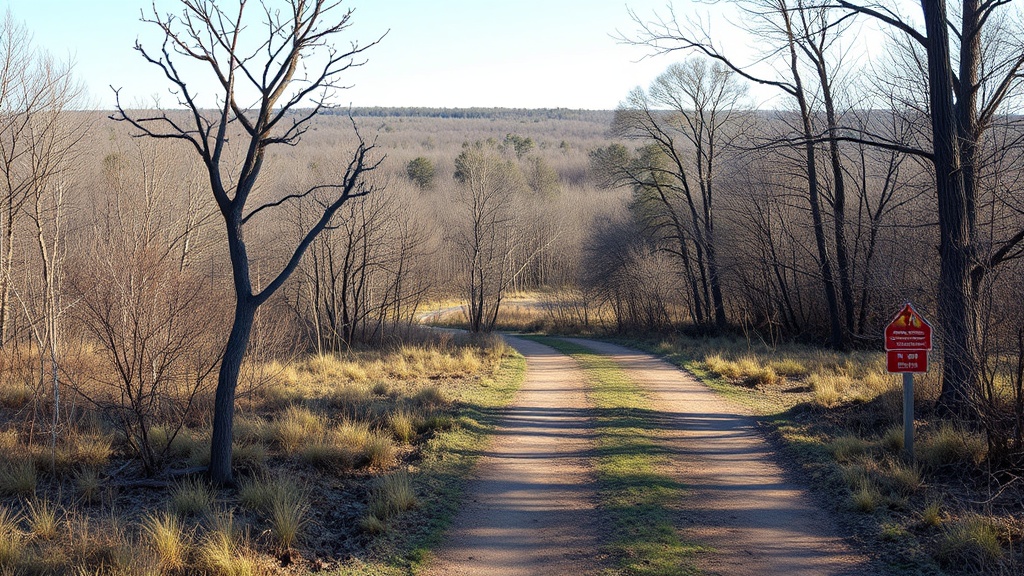
Oklahoma manages more than 80 WMAs covering approximately 1.6 million acres. These areas span every major habitat type in the state:
- Eastern Oklahoma: Hardwood forests and mountains in the Ouachita and Ozark regions. Strong populations of whitetail deer, turkey, and black bear.
- Central Oklahoma: Cross timbers and tallgrass prairie. Good for deer, upland birds, and small game.
- Western Oklahoma: Mixed-grass and shortgrass prairies. Prime habitat for bobwhite quail, dove, and pronghorn.
Some popular WMAs include:
- Lexington WMA (central Oklahoma) — Deer, turkey, dove, and waterfowl.
- Oologah WMA (northeast Oklahoma) — Waterfowl, deer, and small game near Oologah Lake.
- Packsaddle WMA (south-central Oklahoma) — Whitetail deer in rugged terrain.
- Sandy Sanders WMA (far western Oklahoma) — Quail, pheasant, and waterfowl.
- Cookson Hills WMA (eastern Oklahoma) — One of the largest WMAs, strong deer and turkey.
Tip: Many WMAs have area-specific regulations that differ from statewide rules. Check the ODWC WMA guide for each area before your hunt.
Ouachita National Forest
The Ouachita National Forest covers approximately 260,000 acres in southeastern Oklahoma, primarily in LeFlore and McCurtain counties. This federally managed forest is open to hunting under state regulations and provides excellent habitat for deer, turkey, bear, and squirrel. Access is generally unrestricted during open seasons, though some areas near recreation sites may have restrictions. The rugged terrain offers a backcountry hunting experience that is rare in Oklahoma.
Army Corps of Engineers Lands
The U.S. Army Corps of Engineers manages lands around Oklahoma’s major reservoirs, and many of these areas are open to public hunting. Lakes such as Eufaula, Tenkiller, Keystone, Oologah, and Fort Gibson have associated public hunting areas that provide access for waterfowl, deer, and small game. Check individual lake management plans for hunting rules and boundaries.
Wichita Mountains National Wildlife Refuge
The Wichita Mountains National Wildlife Refuge near Lawton in southwestern Oklahoma is home to a managed elk herd and offers extremely limited elk hunting opportunities through a controlled drawing. This is one of the only places in Oklahoma where elk can be hunted. Fewer than 15 elk permits are typically issued each year, making it one of the most competitive draws in the state. The refuge also supports deer and longhorn cattle.
National Grasslands
The Black Kettle and McClellan Creek National Grasslands in western Oklahoma provide additional public hunting opportunities on federally managed lands. These areas are managed by the U.S. Forest Service and are open to hunting under state regulations. Primary game includes quail, dove, deer, and feral hogs.
2. Private Hunting Land in Oklahoma
The majority of Oklahoma’s land area is privately owned, and private land access is the primary method for most hunters. Western Oklahoma in particular is dominated by large ranches and agricultural operations.
| Private Access Type | Pros | Cons | Best For |
|---|---|---|---|
| Hunting Leases | Exclusive access, lower pressure, season-long availability | Annual cost, commitment required | Whitetail deer, turkey, quail |
| Guided Hunts | High success rates, includes logistics and expertise | Higher per-hunt cost | Elk, feral hogs, trophy deer |
| Day Hunts | Flexible scheduling, lower cost per trip | Limited scouting, shared access | Dove, waterfowl, hogs |
Hunting Leases
Hunting leases are common across Oklahoma, especially in the western and central parts of the state. Lease arrangements grant seasonal or annual access to private property. Terms should clearly define allowed species, weapon types, number of hunters, guest policies, and any improvements such as blinds, food plots, or lodging.
Lease prices vary widely based on location, acreage, habitat quality, and game density. Western Oklahoma ranch leases for quail and deer tend to be priced differently than eastern Oklahoma timber leases targeting deer and turkey. Shopping for leases through online platforms, local hunting forums, and word of mouth is common.
Guided Hunts
Professional outfitters operate throughout Oklahoma, offering guided hunts for trophy whitetail deer, feral hogs, waterfowl, and upland birds. Guided hunts often include meals, lodging, and field care of harvested game. For hunters unfamiliar with Oklahoma’s terrain, a guided hunt can be an effective introduction to the state.
Managed Deer Properties
Some Oklahoma properties operate managed deer programs with strict harvest guidelines, including age and antler restrictions, to produce trophy-class bucks. Access to these properties typically comes through premium leases or guided hunt packages.
3. Popular Game by Access Type
Oklahoma’s size and habitat diversity support a variety of game species across both public and private land.
| Game Species | Public Land Opportunities | Private Land Opportunities |
|---|---|---|
| Whitetail Deer | WMAs statewide, Ouachita NF, Corps lands | Leases, managed properties, guided hunts |
| Turkey | Eastern and central WMAs, Ouachita NF | Leases and guided hunts, particularly eastern OK |
| Waterfowl | Reservoir areas, WMA wetlands, river bottoms | Managed wetlands and flooded agricultural fields |
| Upland Birds | Western WMAs, national grasslands | Quail leases and managed preserves |
| Feral Hogs | Some WMAs during open seasons | Year-round on private land, no bag limit |
| Elk | Wichita Mountains NWR (limited draw only) | Not generally available on private land |
| Bear | Ouachita region WMAs (limited draw) | Very limited, southeastern OK only |
4. Choosing Your Oklahoma Hunting Land
When deciding between public and private options, consider:
- Budget: WMA hunting requires only a license and potentially a WMA permit, making it the most affordable option. Guided hunts are the most expensive.
- Target Species: Match habitat to species. Western grasslands for quail, eastern mountains for turkey and bear, central areas for deer.
- Time Available: Public land may require more scouting. Guided hunts provide a turnkey experience.
- Experience Level: New hunters may benefit from guided hunts or organized WMA hunts.
- Hunting Companions: Group size can affect lease selection and WMA camping logistics.
- Location: See our city-specific guides for Oklahoma City, Tulsa, and Lawton for regional access information.
5. Regulations and Safety
Before hunting in Oklahoma:
- License and Permits: A valid hunting license is required. Additional tags, stamps, and permits may be needed for specific species or areas. See Oklahoma hunting regulations.
| License/Permit | Residency | Fee | Includes |
|---|---|---|---|
| Resident Hunting License | Resident | $25.00 | hunting |
| Non-Resident Hunting License | Nonresident | $285.00 | hunting |
| Resident Hunting and Fishing Combo | Resident | $42.00 | hunting, fishing |
| Resident Deer Tag | Resident | $15.00 | deer hunting |
| Non-Resident Deer Tag | Nonresident | $280.00 | deer hunting |
| Resident Turkey Tag | Resident | $15.00 | turkey hunting |
| Non-Resident Turkey Tag | Nonresident | $100.00 | turkey hunting |
| Resident Elk Tag | Resident | $50.00 | elk hunting |
| Youth Hunting License | Resident | $7.50 | hunting |
| Senior Hunting License | Resident | $7.50 | hunting |
| Non-Resident 5-Day Hunting License | Nonresident | $75.00 | hunting |
| Federal Duck Stamp | All | $25.00 | waterfowl hunting |
- Hunter Education: Required for hunters born on or after January 1, 1972.
- Bag Limits and Seasons: Found in the annual ODWC Oklahoma Hunting Guide.1
- Safety:
- Know your target and what is beyond it.
- Wear fluorescent orange when required during gun deer seasons.
- Follow firearm handling rules at all times.
- Carry maps and GPS for remote WMA and National Forest hunts.
6. Quick Access Comparison
| Access Type | Approximate Acreage | Permit Needed | Typical Game |
|---|---|---|---|
| State WMAs | 1.6M+ acres | Hunting license, some require WMA permits | Deer, turkey, waterfowl, small game |
| Ouachita NF | 260,000 acres in OK | Hunting license (state regulations apply) | Deer, turkey, bear, squirrel |
| Corps of Engineers | Varies by reservoir | Hunting license | Waterfowl, deer, small game |
| National Grasslands | Limited acreage | Hunting license | Quail, dove, deer |
| Private Lease | Majority of state | Lease agreement | Trophy deer, turkey, quail, hogs |
| Guided Hunt | Varies | Outfitter booking | Deer, hogs, waterfowl, elk |
Final Checklist
- Confirm you have a valid Oklahoma hunting license and all required tags and stamps.
- Review WMA-specific regulations for any public area you plan to hunt.
- Obtain written landowner permission for all private land hunting.
- Download or print maps for remote WMA and National Forest areas.
- Check ODWC for any area closures, special regulations, or managed hunt drawings.
- Review Oklahoma hunting regulations and Oklahoma season dates before every trip.
- Plan logistics: camping, travel time, and backup areas.
Last verified: February 13, 2026 — Official source
More Oklahoma Hunting Resources
Explore Related Topics:
- Alabama Hunting Land: Your Guide to Public and Private Access
- Arkansas Hunting Land: Your Guide to Public and Private Access
- California Hunting Land: Your Guide to Public and Private Access
- Florida Hunting Land: Your Guide to Public and Private Access
- Georgia Hunting Land: Your Guide to Public and Private Access
Notice an update we should make?
We strive for accuracy. Contact us here if you see incorrect or outdated info on this page.